
Navigating the world of insurance can often feel like deciphering a complex financial puzzle, with the primary objective for many being to secure adequate coverage without breaking the bank. Insurance is a non-negotiable financial safeguard, protecting individuals and families from unforeseen financial shocks – whether it’s a car accident, a house fire, an unexpected illness, or the loss of a primary income earner. However, the cost of these crucial protections can vary wildly, leading many to ask the perennial question: “How can I get cheap insurance?”
The quest for affordable insurance isn’t about compromising on essential coverage; it’s about being an informed consumer, understanding the factors that influence premiums, and proactively employing strategies to reduce costs. This comprehensive guide delves into the mechanisms of insurance pricing, outlines actionable steps to lower your premiums, and provides insights into optimizing various types of insurance to ensure you get the best value for your money.
Understanding the Fundamentals of Insurance Cost
Before embarking on the journey to reduce insurance costs, it’s vital to grasp what drives these premiums in the first place. Insurance companies are businesses that assess risk; your premium is essentially the price they charge to assume a portion of your financial risk.
What Drives Insurance Premiums?
Several core factors contribute to how insurers calculate your premium. These generally include:
- Risk Assessment: This is paramount. Insurers evaluate the likelihood of you filing a claim and the potential cost of that claim. For auto insurance, this might mean looking at your driving history; for health insurance, it’s your medical history and lifestyle; for home insurance, it’s the location and construction of your property.
- Coverage Levels and Deductibles: The more extensive your coverage (e.g., higher liability limits, broader perils covered) and the lower your deductible (the amount you pay out-of-pocket before insurance kicks in), the higher your premium will be.
- Demographic and Personal Factors: Age, gender (in some regions/insurance types), marital status, location, credit score (where legally permitted and applicable), and even your occupation can influence premiums as they are statistical indicators of risk.
- Claims History: A history of previous claims signals a higher risk to insurers, often resulting in increased premiums.
The Balance Between Coverage and Cost
The temptation to opt for the cheapest possible insurance policy can be strong, but it’s crucial to strike a balance between affordability and adequate protection. Underinsuring yourself can lead to catastrophic financial consequences if a major event occurs. For instance, minimum state liability coverage for auto insurance might be cheap but could leave you personally responsible for hundreds of thousands of dollars in damages if you cause a serious accident. Similarly, skimping on health insurance could lead to crippling medical debt. The goal is “cheap” in the sense of “best value” and “most efficient,” not “minimal protection.”
The Impact of Your Personal Profile
Your personal profile significantly impacts your insurance rates. A young, inexperienced driver with a speeding ticket history will inevitably pay more for auto insurance than an older, seasoned driver with a clean record. A homeowner in a high-crime area or a flood zone will pay more for property insurance than someone in a safer, less disaster-prone location. Understanding how your individual circumstances are perceived by insurers can help you anticipate costs and identify areas for improvement.
Proactive Strategies for Lowering Your Premiums
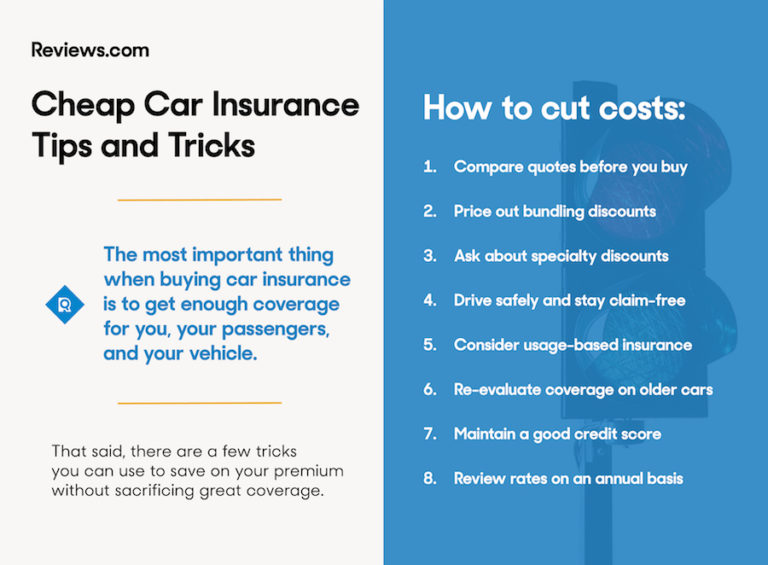
Reducing insurance costs isn’t a passive process; it requires an active, strategic approach. By taking the following steps, you can significantly impact your premiums.
Shop Around and Compare Quotes Diligently
This is perhaps the single most effective strategy. Insurance markets are highly competitive, and premiums for the exact same coverage can vary by hundreds, if not thousands, of dollars between providers. Don’t simply renew with your current insurer without checking competitors. Use online comparison tools, contact multiple direct insurers, and consult with independent agents who can shop multiple carriers on your behalf. Aim to do this at least once a year or whenever your policy is up for renewal.
Increase Your Deductible Strategically
Your deductible is the amount you pay out of pocket before your insurance coverage kicks in. Opting for a higher deductible typically results in a lower premium. For example, increasing your auto insurance deductible from $500 to $1,000 could save you 15-20% on your comprehensive and collision coverage. However, ensure you have sufficient funds in an emergency savings account to comfortably cover the higher deductible if you need to file a claim.
Bundle Policies for Multi-Policy Discounts
Most insurance companies offer discounts when you purchase multiple policies from them. This is often referred to as “bundling.” For instance, buying your auto and home insurance from the same provider can lead to significant savings on both policies. Some insurers also offer discounts for bundling renters, life, or umbrella policies. Always inquire about multi-policy discounts when getting quotes.
Maintain a Good Driving Record/Claims History
This is particularly relevant for auto and homeowners insurance. A clean driving record (no accidents, no moving violations) demonstrates lower risk to auto insurers. Similarly, for homeowners insurance, avoiding small, preventable claims can keep your premiums down. Insurers often have surcharges for recent claims, so only file claims for significant losses. For health insurance, a healthy lifestyle can indirectly lead to cheaper premiums by reducing the need for costly medical interventions, though direct “good health” discounts are less common for standard policies.
Leveraging Discounts and Special Programs
Beyond the fundamental strategies, a plethora of discounts and special programs can further reduce your insurance burden. Knowing what to ask for and what you qualify for is key.
Explore Available Discounts (Good Driver, Multi-Car, etc.)
Always ask your insurer for a comprehensive list of available discounts. Common ones include:
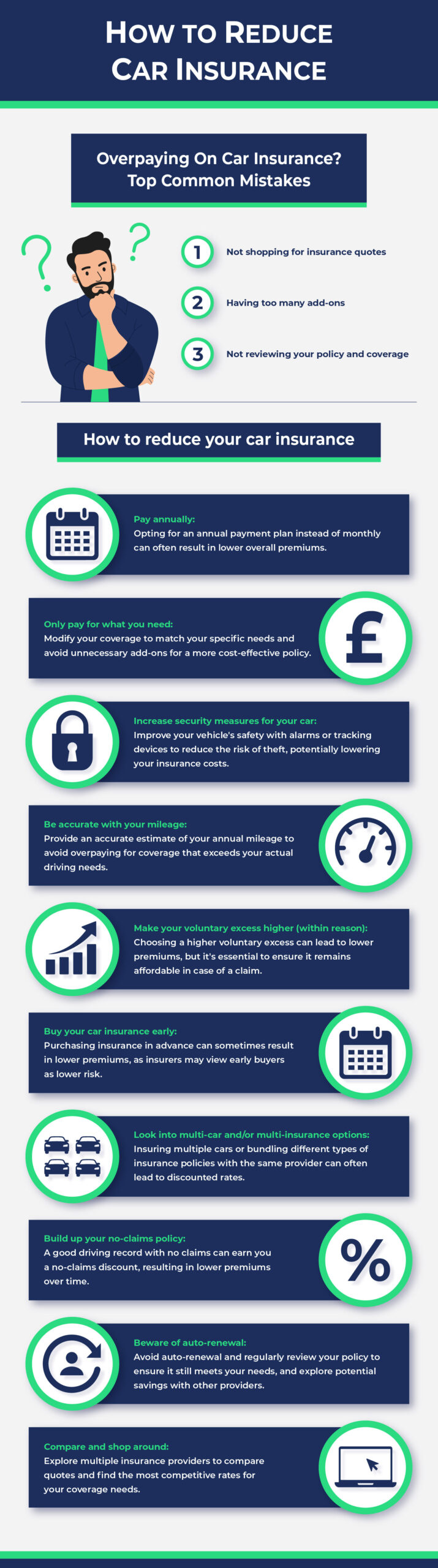
- Good Driver/Claims-Free Discount: For maintaining a clean record over several years.
- Multi-Car Discount: For insuring multiple vehicles with the same company.
- Safety Features Discount: For vehicles with anti-lock brakes, airbags, anti-theft devices.
- Good Student Discount: For young drivers who maintain a certain GPA.
- Professional/Affinity Group Discounts: For members of certain organizations or professions.
- Home Security Discount: For homes with alarm systems, smoke detectors, deadbolts.
- Paid-in-Full Discount: For paying your annual premium upfront instead of monthly installments.
- Paperless/Automatic Payment Discount: For opting into digital billing and auto-pay.
Consider Telematics and Usage-Based Insurance (UBI)
Many auto insurers now offer telematics programs where a device is installed in your car (or an app is used on your smartphone) to monitor your driving habits (speed, braking, mileage, time of day driven). If you demonstrate safe driving behaviors, you can earn significant discounts. This “pay-as-you-drive” or “usage-based insurance” can be a game-changer for safe drivers or those who drive less frequently.
Improve Your Credit Score (Where Applicable)
In many states, insurance companies use a credit-based insurance score (which differs from a standard credit score but is derived from credit report information) to help determine premiums for auto and homeowners insurance. A higher credit-based insurance score often indicates a lower risk of filing claims, potentially leading to lower premiums. Maintaining a good credit history by paying bills on time and managing debt responsibly can indirectly help you secure cheaper insurance rates.
Review and Adjust Coverage Annually
Your insurance needs change over time. What was appropriate last year might not be today. Annually, review your policies to:
- Remove outdated coverage: For example, if you paid off your car, you might no longer need gap insurance.
- Adjust coverage amounts: As your assets grow, you might need higher liability limits; conversely, if your car’s value has depreciated significantly, you might consider dropping comprehensive and collision on an older vehicle.
- Re-evaluate deductibles: If your emergency fund has grown, you might comfortably afford a higher deductible for a lower premium.
Optimizing Specific Insurance Types
While general strategies apply across the board, each type of insurance has unique avenues for cost reduction.
Auto Insurance: Vehicle Choice and Safety Features
The type of car you drive significantly impacts your auto insurance. Cars that are expensive to repair, frequently stolen, or have high horsepower often come with higher premiums. Opting for a safer, more moderately priced vehicle can save you money. Additionally, ensure your insurer knows about all safety features (e.g., anti-theft, advanced driver-assistance systems) as these can qualify for discounts.
Homeowners/Renters Insurance: Home Security and Maintenance
For homeowners, investing in security systems, deadbolts, smoke detectors, and even certain construction materials can lead to discounts. Maintaining your property to prevent claims (e.g., regular roof inspections, tree trimming, proper drainage) is also crucial. For renters, renters insurance is typically very affordable but provides critical protection for your belongings and liability.
Health Insurance: Employer Plans, HSAs, and Marketplace Options
If you have access to employer-sponsored health insurance, it’s often the most cost-effective option as employers typically subsidize a significant portion of the premiums. If not, explore the Health Insurance Marketplace (Affordable Care Act exchanges) where you might qualify for subsidies based on your income. Consider High-Deductible Health Plans (HDHPs) paired with a Health Savings Account (HSA) if you’re generally healthy; the tax advantages of HSAs can make healthcare more affordable in the long run.
Life Insurance: Term vs. Whole Life and Early Application
Term life insurance is generally much cheaper than whole life insurance because it provides coverage for a specific period (term) and doesn’t build cash value. If your primary goal is income replacement for your beneficiaries, term life is usually the more cost-effective choice. Applying for life insurance when you are younger and healthier also results in significantly lower premiums that are locked in for the term of the policy.
The Long-Term Perspective: Smart Financial Habits
Securing cheap insurance isn’t just about tactical moves; it’s also about cultivating smart financial habits that position you for lower costs over time.
Building an Emergency Fund to Cover Deductibles
A robust emergency fund is paramount. It allows you to comfortably choose higher deductibles on your insurance policies, thereby lowering your regular premiums. This fund also prevents you from needing to file small claims that could raise your rates in the future. Aim for 3-6 months of living expenses, and ensure a portion of this is specifically earmarked for potential insurance deductibles.
Regular Financial Review and Policy Updates
Your financial life is dynamic, and your insurance coverage should be too. Make it a habit to conduct an annual financial review, assessing your assets, liabilities, and income changes. This review should include evaluating your insurance policies to ensure they still meet your needs and offer the best possible value. Don’t set it and forget it.
Consulting with an Independent Insurance Agent
While online comparison tools are useful, an independent insurance agent can be an invaluable resource. They work with multiple insurance companies, allowing them to provide unbiased advice and help you compare policies and prices from various carriers. They can also identify discounts you might miss and help you understand the nuances of different policy options, ensuring you get the right coverage at the best price. Their expertise can save you time, money, and provide peace of mind.
In conclusion, getting cheap insurance is less about finding a mythical bargain and more about intelligent financial management. By understanding how premiums are determined, proactively seeking out competitive quotes, leveraging available discounts, and continually reviewing your coverage, you can significantly reduce your insurance costs without sacrificing the vital protection you need. It’s a continuous process of vigilance and informed decision-making that ultimately contributes to a healthier overall financial picture.
aViewFromTheCave is a participant in the Amazon Services LLC Associates Program, an affiliate advertising program designed to provide a means for sites to earn advertising fees by advertising and linking to Amazon.com. Amazon, the Amazon logo, AmazonSupply, and the AmazonSupply logo are trademarks of Amazon.com, Inc. or its affiliates. As an Amazon Associate we earn affiliate commissions from qualifying purchases.