
In the little more than a decade since its inception, Bitcoin has evolved from a niche cryptographic experiment into a global financial powerhouse. Often referred to as “digital gold,” it has captured the attention of institutional investors, sovereign nations, and everyday individuals looking to diversify their portfolios. For those standing on the sidelines, the primary question remains: “How can I get Bitcoin?”
Acquiring Bitcoin is no longer the technical hurdle it once was. However, because it operates outside traditional banking systems, the process requires a shift in financial mindset. From choosing the right entry point to managing your digital assets securely, understanding the financial landscape of Bitcoin is essential for anyone looking to participate in the future of money.
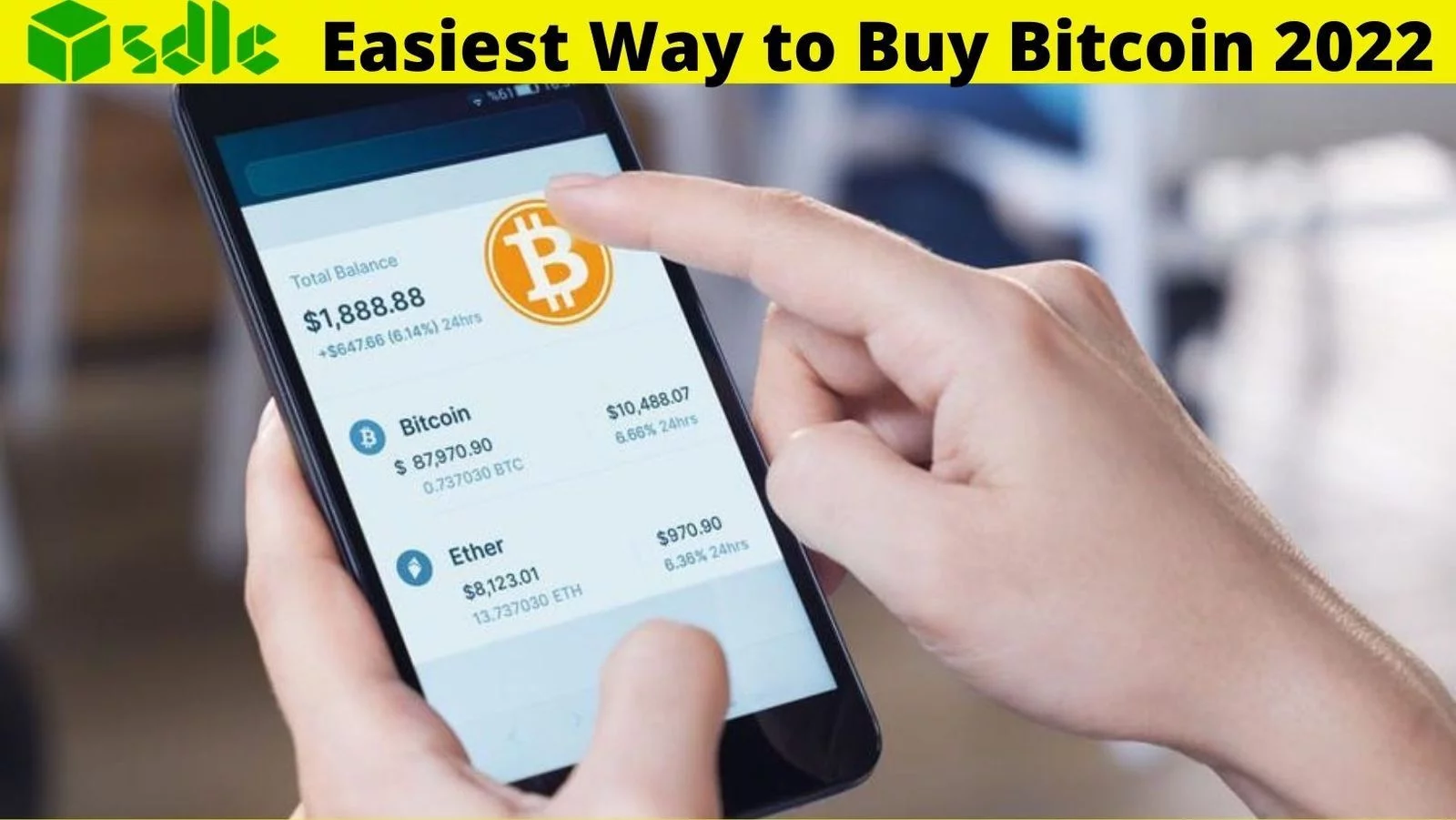
1. Establishing Your Financial Foundation: Primary On-Ramps for Bitcoin Acquisition
The most common way to get Bitcoin is through “on-ramps”—services that allow you to exchange “fiat” currency (like USD, EUR, or GBP) for digital currency. Depending on your goals—be it long-term wealth preservation or active trading—the platform you choose will dictate your fees, security levels, and ease of use.
Centralized Exchanges (CEXs): The Gateway for Beginners
Centralized exchanges like Coinbase, Kraken, and Binance are the most popular starting points. These platforms function similarly to traditional brokerage accounts. Once you verify your identity through a “Know Your Customer” (KYC) process, you can link your bank account or credit card to purchase Bitcoin instantly.
The primary advantage of a CEX is liquidity and ease of use. These platforms offer professional-grade tools, high-speed execution, and insurance on fiat deposits. For a newcomer, the ability to buy fractional amounts—meaning you don’t have to buy a whole Bitcoin, but can start with as little as $10—makes entry into the market highly accessible.
Peer-to-Peer (P2P) Marketplaces: Privacy and Direct Exchange
For those who prefer a more decentralized approach to personal finance, Peer-to-Peer marketplaces offer an alternative. Platforms like Paxful or Bisq connect buyers directly with sellers. In these scenarios, the platform acts as an escrow service, ensuring the seller releases the Bitcoin once the buyer confirms payment.
P2P exchanges are favored by those who prioritize privacy or who may not have access to traditional banking. Payments can be made via bank transfers, gift cards, or even cash in person. However, this method requires a higher degree of caution to avoid scams and typically involves higher premiums than centralized exchanges.
Bitcoin ATMs and Physical Purchase Points
If you prefer a physical transaction, Bitcoin ATMs (BTMs) have proliferated in cities worldwide. These kiosks allow you to insert cash and have Bitcoin sent directly to your digital wallet. While convenient and often faster than setting up an exchange account, BTMs are notorious for high transaction fees, sometimes ranging from 7% to 15% above the market rate. They represent a trade-off between convenience and cost-efficiency.
2. Beyond Buying: Alternative Methods to Earn and Accumulate Bitcoin
Purchasing Bitcoin with savings is not the only way to build a position. In the modern “gig economy” and the shifting landscape of corporate benefits, many individuals are choosing to earn Bitcoin through labor and consumer habits.
Earning Bitcoin through Side Hustles and Employment
The most sustainable way to accumulate any asset is to earn it. A growing number of freelance platforms and job boards, such as Bitwage or Crypto.jobs, allow professionals to receive a portion of their salary in Bitcoin. By bypassing the traditional banking conversion process, workers can build a “Bitcoin-denominated” income stream.
For freelancers, accepting Bitcoin as payment for services is a direct way to bypass international wire fees. As a business finance strategy, this allows for immediate settlement and global reach without the friction of traditional currency exchange.
Bitcoin Rewards and Cashback Programs
The rise of Bitcoin-back rewards apps, such as Lolli or Fold, has turned everyday spending into a passive investment strategy. These services partner with major retailers to offer a percentage of your purchase back in Bitcoin rather than traditional points or airline miles. While the amounts may seem small—often 1% to 5% per transaction—the long-term appreciation of Bitcoin can turn these small rewards into significant holdings over time. This is an excellent “risk-free” entry point for those hesitant to commit their own capital.
Mining vs. Yield Generation: Understanding the Rewards Landscape
While “mining”—the process of using specialized hardware to secure the network and earn new coins—was once a viable home business, it has largely moved into the realm of industrial-scale operations. For the individual investor, mining is now a capital-intensive business venture rather than a simple way to “get” Bitcoin.
However, many financial tools now allow users to earn a “yield” on their existing Bitcoin. By lending your assets through decentralized finance (DeFi) protocols or regulated lending platforms, you can earn interest in Bitcoin. It is important to note that this introduces “platform risk,” meaning you are trusting a third party with your funds in exchange for growth.
3. Strategic Portfolio Management and Storage Solutions
Getting Bitcoin is only the first step; keeping it and managing its growth is where true financial literacy comes into play. Because Bitcoin is a “bearer asset,” whoever holds the private keys owns the funds.
Custodial vs. Non-Custodial Wallets: Protecting Your Investment
When you buy Bitcoin on an exchange, the exchange typically holds it for you in a “custodial” arrangement. While convenient, this contradicts the core philosophy of Bitcoin: “Not your keys, not your coins.”
For serious investors, moving Bitcoin to a non-custodial wallet—specifically a “cold storage” hardware wallet—is the gold standard for security. These devices keep your private keys offline, protecting your assets from exchange hacks or insolvency. From a personal finance perspective, this is the digital equivalent of moving gold from a shared bank vault into a private safe that only you can access.
Dollar-Cost Averaging (DCA) as a Long-Term Strategy
Given Bitcoin’s price volatility, many successful investors eschew “timing the market” in favor of Dollar-Cost Averaging (DCA). This strategy involves buying a fixed dollar amount of Bitcoin at regular intervals (e.g., $50 every week), regardless of the price.
DCA mitigates the risk of a large lump-sum investment right before a market dip. Over time, this disciplined approach lowers the average cost basis of your investment and removes the emotional stress of daily price fluctuations. It is a proven wealth-building strategy used in traditional stock market investing, now applied to the digital asset space.
Tax Implications and Financial Reporting
In most jurisdictions, Bitcoin is treated as property or a capital asset. This means that every time you sell Bitcoin, or even use it to buy a cup of coffee, you may trigger a taxable event. Keeping meticulous records of your “cost basis” (the price at which you acquired the Bitcoin) is crucial for accurate financial reporting. Utilizing crypto-specific tax software can automate this process, ensuring you remain compliant with local regulations while optimizing your tax liabilities through strategies like tax-loss harvesting.
4. Navigating the Market: Risk Management and Market Cycles
Bitcoin is a high-reward asset, but it comes with significant volatility. To get Bitcoin successfully, one must understand the macroeconomic factors and internal cycles that drive its value.
Understanding Volatility and Emotional Discipline
It is not uncommon for Bitcoin to experience price swings of 5% to 10% in a single day. For the uninitiated, this can lead to “panic selling.” From a professional financial perspective, it is vital to only invest capital that you do not need for immediate expenses. Treating Bitcoin as a 5-to-10-year investment rather than a “get rich quick” scheme allows you to weather the downturns and benefit from the long-term upward trajectory.
The Role of Halving Events in Price Discovery
Approximately every four years, the amount of new Bitcoin produced by the network is cut in half—an event known as “the Halving.” Historically, these events have preceded significant bull markets due to the reduction in new supply. Investors who understand these supply-side dynamics can better time their entries and manage their expectations regarding market cycles.
5. The Future of Bitcoin in a Diversified Portfolio
As Bitcoin matures, its role in a diversified financial portfolio is becoming more defined. It is no longer just a speculative asset; it is a hedge against the systemic risks of traditional fiat currencies.
Bitcoin as an Inflation Hedge
With central banks around the world engaging in unprecedented currency expansion, many investors view Bitcoin’s hard cap of 21 million coins as a safeguard against inflation. Unlike fiat money, which can be printed at will, Bitcoin’s scarcity is enforced by code. This “digital scarcity” makes it an attractive alternative to bonds or cash in an environment of devaluing currency.
Institutional Adoption and Its Impact on Retail Investors
The recent approval of Spot Bitcoin ETFs (Exchange-Traded Funds) in various global markets has opened the door for trillions of dollars in institutional capital to enter the space. For the individual, this means increased liquidity and potentially lower volatility over time. By getting Bitcoin now, individuals are positioning themselves alongside major asset managers, pension funds, and corporations who are increasingly recognizing Bitcoin as a legitimate and essential asset class.
In conclusion, “getting” Bitcoin is a journey that starts with a simple transaction but leads to a deeper understanding of modern finance. Whether you choose to buy through an exchange, earn it through your labor, or accumulate it via rewards, the key is to start with a clear strategy, prioritize security, and maintain a long-term perspective on this transformative financial technology.
aViewFromTheCave is a participant in the Amazon Services LLC Associates Program, an affiliate advertising program designed to provide a means for sites to earn advertising fees by advertising and linking to Amazon.com. Amazon, the Amazon logo, AmazonSupply, and the AmazonSupply logo are trademarks of Amazon.com, Inc. or its affiliates. As an Amazon Associate we earn affiliate commissions from qualifying purchases.