
The concept of passive income is often shrouded in the myth of “effortless wealth.” In reality, passive income is the result of a strategic allocation of resources—either time or capital—in the present to secure a recurring revenue stream in the future. It is the decoupling of your earning potential from the hours you spend working. While no income stream is truly 100% passive, the goal is to create systems that require minimal maintenance once the initial infrastructure is established. For those looking to build long-term wealth, diversifying into various passive income vehicles is not just a luxury; it is a fundamental requirement for financial independence.
Maximizing Returns through Financial Market Investments
The most traditional and perhaps most scalable way to generate passive income is through the financial markets. By investing in income-producing assets, you allow your money to work for you through the power of compounding and market growth.
High-Yield Dividend Stocks
Dividend investing involves purchasing shares in established companies that distribute a portion of their earnings to shareholders. Unlike growth stocks, which reinvest all profits back into the company, dividend-paying companies provide a steady cash flow. The key to success here is focusing on “Dividend Aristocrats”—companies that have increased their dividend payouts for at least 25 consecutive years. By utilizing a Dividend Reinvestment Plan (DRIP), you can automatically use your payouts to buy more shares, exponentially increasing your income over time without further manual intervention.
Index Funds and Exchange-Traded Funds (ETFs)
For investors who prefer a “set it and forget it” approach, index funds and ETFs offer a way to track the performance of the broader market or specific sectors. A total stock market index fund provides exposure to thousands of companies, mitigating the risk associated with individual stock picking. Over long horizons, these funds historically yield consistent returns through both capital appreciation and dividends. This is the cornerstone of the “FIRE” (Financial Independence, Retire Early) movement, as it provides a predictable path toward wealth accumulation with very low management overhead.
Real Estate Investment Trusts (REITs)
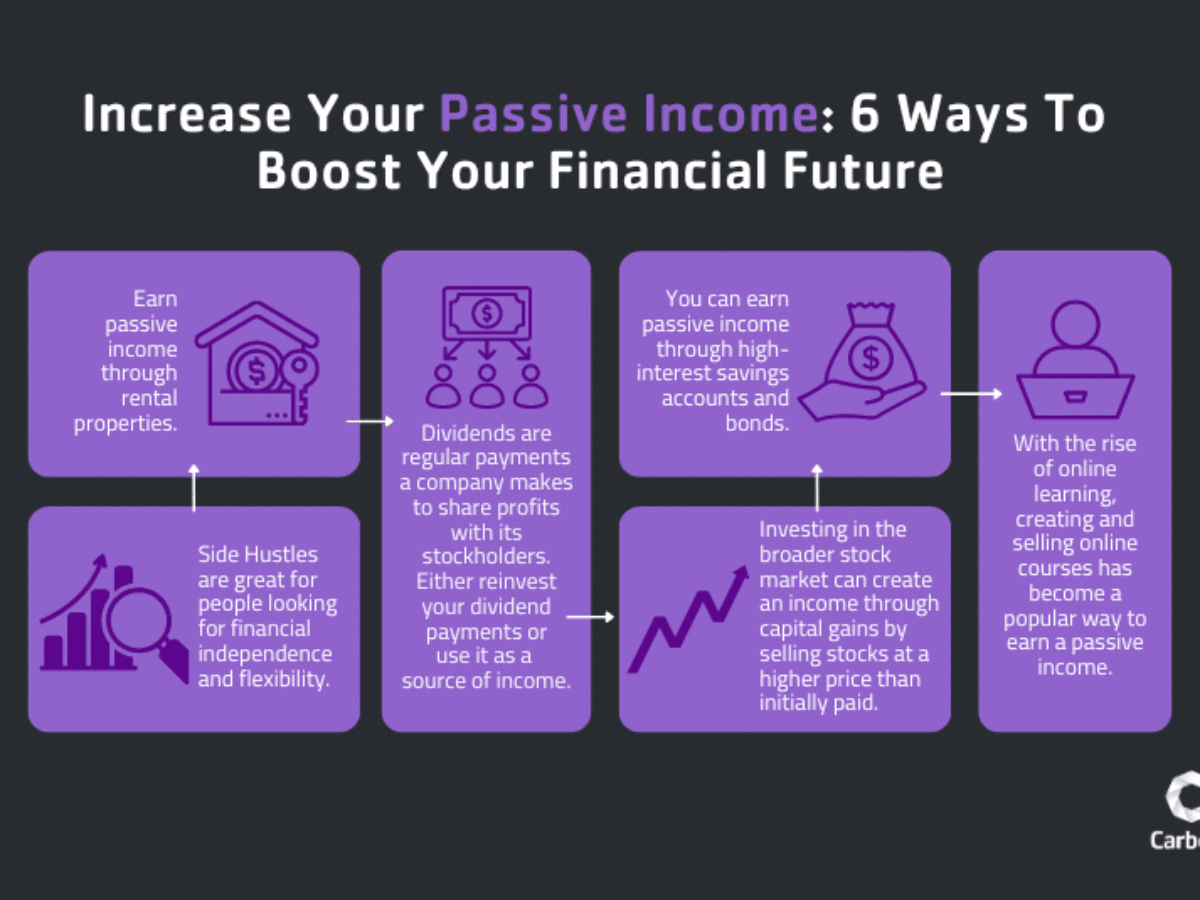
If you want exposure to the real estate market without the burdens of being a landlord, REITs are an ideal solution. These are companies that own, operate, or finance income-producing real estate across various sectors—such as apartments, warehouses, or shopping centers. By law, REITs must distribute at least 90% of their taxable income to shareholders as dividends. This allows individual investors to benefit from large-scale commercial real estate yields with the liquidity of a stock.
Leveraging Digital Assets and Content Creation
In the digital age, “sweat equity” can be converted into long-term passive income. Creating digital assets requires a significant upfront investment of time, but once the asset is created, the cost of replication is near zero, allowing for high profit margins and recurring revenue.
Affiliate Marketing and Niche Content
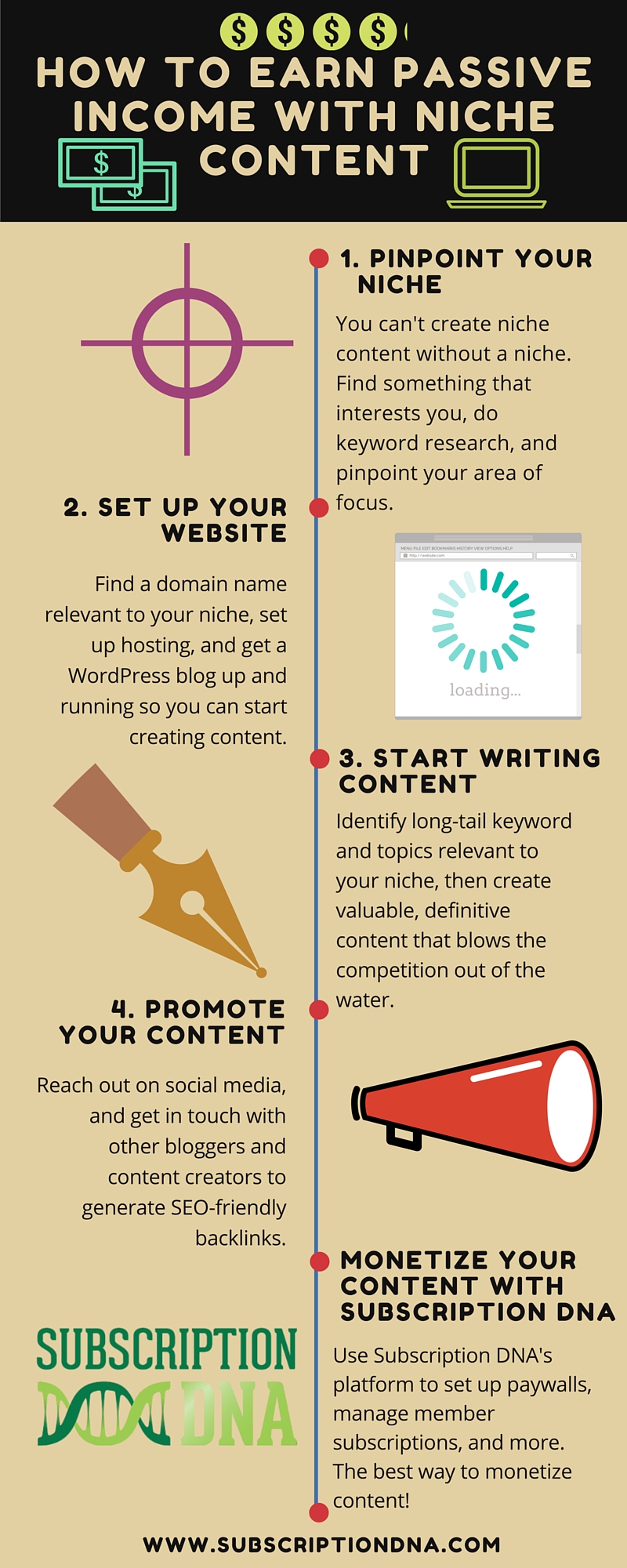
Affiliate marketing involves promoting a third party’s products or services and earning a commission for every sale made through your referral link. To make this passive, you must build a “content engine”—usually a blog, a YouTube channel, or a niche website—that attracts organic traffic through Search Engine Optimization (SEO). When you provide valuable information that solves a user’s problem, your content becomes a 24/7 salesperson. Even while you sleep, users are finding your content, clicking links, and generating commissions.
Digital Products and Intellectual Property
The creation of digital products, such as e-books, templates, or stock photography, represents a classic “create once, sell forever” model. Platforms like Amazon Kindle Direct Publishing or Etsy allow creators to reach global audiences with minimal distribution costs. The scalability is limitless; selling 10,000 copies of a PDF guide requires no more physical effort than selling ten. The challenge lies in identifying a market gap and producing high-quality content that remains relevant over several years.
Online Courses and Membership Sites
If you possess specialized knowledge, packaging that expertise into an online course can generate substantial passive income. While the initial curriculum design and video production are intensive, automated platforms handle the hosting, payment processing, and delivery. To ensure the income remains passive, many creators utilize “evergreen” marketing funnels that automatically guide potential students from an initial touchpoint to a final sale, requiring only occasional updates to the course material to maintain its value.
Real Estate and Physical Asset Utilization
Tangible assets remain one of the most reliable pillars of passive income. While real estate often requires more significant initial capital than digital or paper assets, it offers unique tax advantages and the potential for leveraged growth.
Residential and Commercial Rentals
The traditional model of owning rental property provides a monthly cash flow that can cover the mortgage, taxes, and maintenance, while the surplus stays as profit. Long-term rentals offer stability and lower turnover rates. To make this truly passive, investors often hire property management companies to handle tenant screening, repairs, and rent collection. While this costs a percentage of the monthly revenue (typically 8–12%), it converts a hands-on business into a passive investment.
Short-Term Vacation Rentals
Platforms like Airbnb and VRBO have revolutionized the way property owners generate income. Short-term rentals often yield significantly higher nightly rates than traditional year-long leases, especially in high-demand tourist areas. However, they also require more intensive management. By utilizing automated self-check-in systems and professional cleaning services, owners can minimize their active involvement while maximizing the yield on their property.
Peer-to-Peer Asset Sharing
The “sharing economy” has opened doors for individuals to monetize assets they already own. This includes renting out extra storage space, parking spots in high-traffic urban areas, or even vehicles through platforms like Turo. These methods are particularly effective because they utilize underperforming assets that would otherwise be sitting idle, turning a liability (like a car payment or property tax) into a source of cash flow.
High-Yield Cash and Alternative Lending Strategies
For those with a lower risk tolerance or those seeking a place to park their capital while waiting for other opportunities, modern financial tools offer several ways to generate interest income.
High-Yield Savings and Certificates of Deposit (CDs)
In periods of higher interest rates, simply holding cash in the right places can generate meaningful income. High-yield savings accounts (HYSAs) and CDs offer a guaranteed return with virtually zero risk of principal loss, especially when protected by government insurance (such as FDIC in the US). While the returns may not rival the stock market, they provide a “risk-free” baseline for a passive income portfolio, ensuring that your emergency fund or short-term savings are still growing.
Peer-to-Peer (P2P) Lending
P2P lending platforms allow individuals to act as the bank, lending money directly to other individuals or small businesses. In exchange for taking on the risk of default, investors receive interest payments that are often higher than those found in traditional fixed-income products. By diversifying your investment across hundreds of small loans (notes), you can mitigate the impact of any single borrower failing to repay, creating a steady stream of interest income.

Building a Sustainable Portfolio for Long-Term Wealth
Generating passive income is not about finding a single “holy grail” strategy; it is about building a diversified portfolio of income streams that can weather different economic cycles. Each category of passive income has its own risk profile, liquidity, and time-to-market.
To ensure the longevity of these income streams, one must focus on automation and rebalancing. For financial investments, this means automating transfers and reinvesting dividends. For digital assets, it means using scheduling tools and outsourcing maintenance. For physical assets, it means building a reliable team of professionals.
The transition from active to passive income requires a shift in mindset. You must stop trading your time for a paycheck and start trading your capital or your creativity for assets. By consistently reinvesting the proceeds from one passive stream into the development of the next, you create a “flywheel effect” where your wealth begins to grow exponentially. This strategic accumulation of assets eventually reaches a tipping point where your passive earnings exceed your living expenses—the ultimate definition of financial freedom. The journey toward this goal begins with a single well-researched investment or a single well-crafted digital asset, followed by the discipline to let that seed grow over time.
aViewFromTheCave is a participant in the Amazon Services LLC Associates Program, an affiliate advertising program designed to provide a means for sites to earn advertising fees by advertising and linking to Amazon.com. Amazon, the Amazon logo, AmazonSupply, and the AmazonSupply logo are trademarks of Amazon.com, Inc. or its affiliates. As an Amazon Associate we earn affiliate commissions from qualifying purchases.