
In the intricate landscape of personal finance, your bank account number stands as a fundamental identifier, crucial for a myriad of transactions and financial management tasks. Whether you’re setting up direct deposit for a new job, configuring automatic bill payments, initiating a wire transfer, or simply reconciling your records, knowing how to quickly and securely locate your Chase account number is an essential skill. This guide delves into the various reliable methods available to Chase customers, offering professional insights into not only how to find this vital piece of information but also why it’s so important and how to safeguard it within your broader financial strategy.
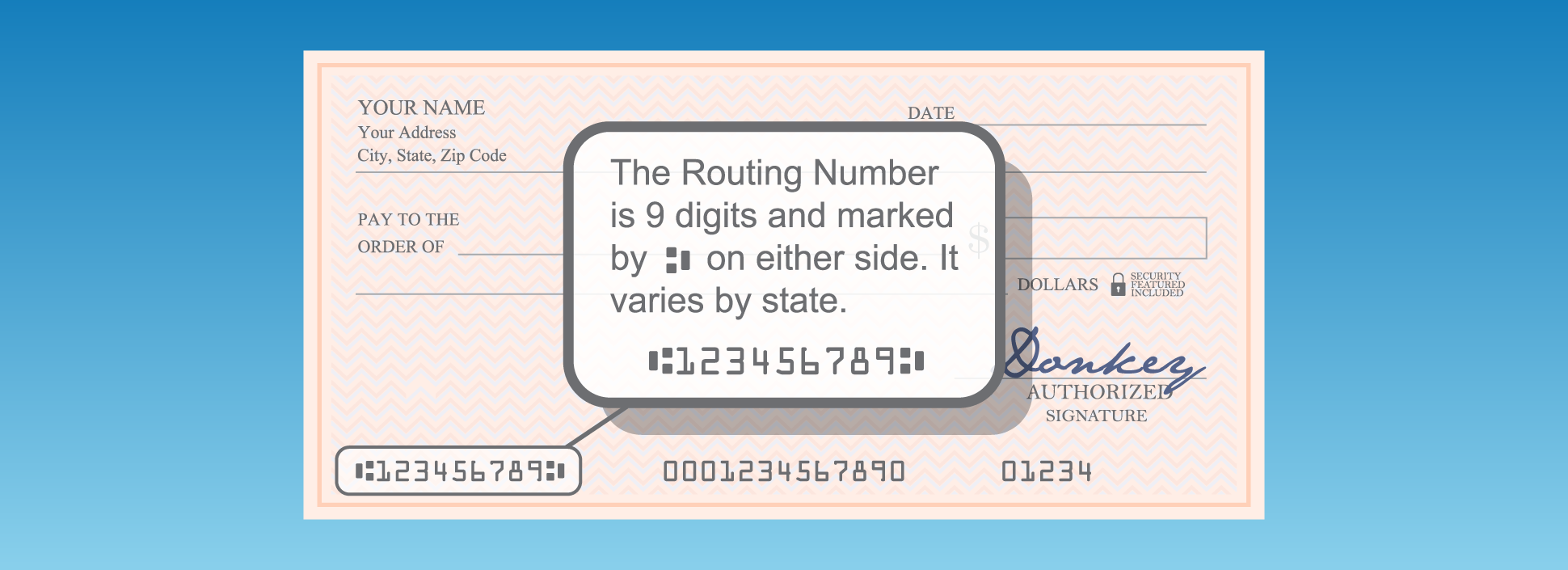
The Indispensable Role of Your Account Number in Personal Finance
Your bank account number is more than just a sequence of digits; it’s the unique identifier for your specific financial account, distinguishing it from millions of others within the banking system. Understanding its significance is the first step towards robust personal financial management.
Beyond Simple Identification: Why You Need It
The reasons for needing your Chase account number extend far beyond mere curiosity. It’s a cornerstone for numerous financial operations that underpin your daily economic life:
- Direct Deposit Setup: For most individuals, direct deposit is the standard method for receiving paychecks, government benefits, or tax refunds. Employers and agencies require your account number (along with your bank’s routing number) to ensure funds are accurately deposited into your account.
- Automated Payments and Transfers: Setting up recurring bill payments for utilities, loans, or subscriptions often necessitates your account number to authorize withdrawals. Similarly, linking external bank accounts for transfers between institutions commonly requires this detail.
- Wire Transfers: For larger or international money transfers, your account number is absolutely critical for the sending and receiving banks to correctly process the transaction. Any error can lead to significant delays or misdirection of funds.
- Account Verification: Many third-party financial apps, investment platforms, or peer-to-peer payment services may ask for your account number to verify ownership and link your Chase account.
- Tax Purposes: In some cases, especially for self-employed individuals or those with specific tax situations, your account number might be requested by your accountant or tax software for precise financial reporting.
- Responding to Customer Service Inquiries: When contacting Chase customer service for detailed inquiries or transactions, providing your account number can expedite the process by allowing representatives to quickly access your specific account details.
These scenarios underscore that your account number is not just administrative data; it’s an active component in facilitating the flow of your money, making its accessibility and security paramount.
Differentiating Your Account Number from Other Identifiers
It’s common for individuals to confuse their account number with other financial identifiers. Understanding these distinctions is crucial to avoid errors and ensure accurate transactions.
- Account Number vs. Routing Number: While both are essential for transactions, they serve different purposes. Your account number identifies your specific individual account at a bank. Your routing number (also known as an ABA routing transit number) identifies your specific financial institution (e.g., Chase Bank, a particular branch within Chase, or a specific type of Chase account) for the purpose of processing checks, electronic transfers, and bill payments. Chase uses several routing numbers depending on the type of transaction and the region where the account was opened. Always ensure you provide the correct number for the intended purpose.
- Account Number vs. Debit Card Number: Your debit card number is a 16-digit identifier linked to your card, primarily used for point-of-sale transactions and online purchases. It is not your bank account number. While both give you access to your funds, they are distinct identifiers and are used in different contexts.
- Account Number vs. Login ID/Username: Your online banking login ID or username is used to access your digital banking portal. It is a credential for authentication, not an account identifier for transactions.
Mistaking these numbers can lead to failed transactions, delays, or even security vulnerabilities. Always double-check which number is being requested before providing it.
Digital Pathways: Locating Your Account Number Through Online Banking
In today’s digital age, the most convenient and frequently utilized methods for accessing your Chase account number are often through their robust online banking platform and mobile application. These tools offer secure, on-demand access to your financial details from virtually anywhere.
Navigating the Chase Online Portal
The Chase website is designed for user-friendly navigation, providing a comprehensive view of your accounts. Finding your account number here is typically straightforward:
- Log In: Begin by navigating to the official Chase website (chase.com) and securely logging into your account using your username and password. Two-factor authentication may be required for added security.
- Select Account: Once logged in, you’ll see a dashboard displaying all your linked Chase accounts (checking, savings, credit cards, investments). Click on the specific checking or savings account for which you need the number.
- View Account Details: Look for a section often labeled “Account Details,” “See Account Activity,” or similar. Chase typically places this information within the account’s overview. You might need to scroll down or click on a specific tab.
- Routing & Account Numbers: Within this section, you should find both your account number and the corresponding routing number clearly displayed. Chase sometimes partially masks the account number (e.g., “XXXX1234”) for security, requiring an extra click or verification step (like entering your password again) to reveal the full number.
This method is generally the quickest for those who frequently use online banking.
Leveraging the Chase Mobile App for On-the-Go Access
The Chase Mobile app mirrors much of the functionality of the online portal, offering a convenient way to access your account number from your smartphone or tablet.
- Log In: Open the Chase Mobile app on your device and log in using your credentials. Touch ID, Face ID, or a PIN may be used for quick access.
- Select Account: From the home screen, tap on the checking or savings account you wish to view.
- Access Account Details: Look for an icon (often a gear icon or three dots) or a section labeled “Account Details” or “Show Details” within the account overview screen.
- Reveal Account Number: Similar to the online portal, the account number might be partially masked. Tapping on it will usually prompt you to verify your identity (e.g., with your password or biometric scan) to reveal the full number.
The mobile app is especially useful when you need your account number on the fly, such as when filling out forms on your phone or linking accounts from another mobile application.
Accessing Digital Statements
Your monthly bank statements, whether physical or digital, are definitive records of your account activity and always include your full account number.
- Online Banking/Mobile App: Within the online portal or mobile app, navigate to the “Statements” or “Documents” section.
- Select Statement: Choose a recent checking or savings account statement.
- View PDF: The statement will typically open as a PDF document. Your full account number is prominently displayed near the top, often alongside your name and address, and the routing number.
Digital statements serve as a reliable backup if the direct “Account Details” method is temporarily unavailable or if you prefer to see it in a formal document format.
Traditional Methods: Physical Documents and Direct Assistance
While digital access is convenient, there are robust traditional methods available for finding your Chase account number, particularly useful if you prefer physical records or require direct assistance.
Unlocking Information from Your Checkbook
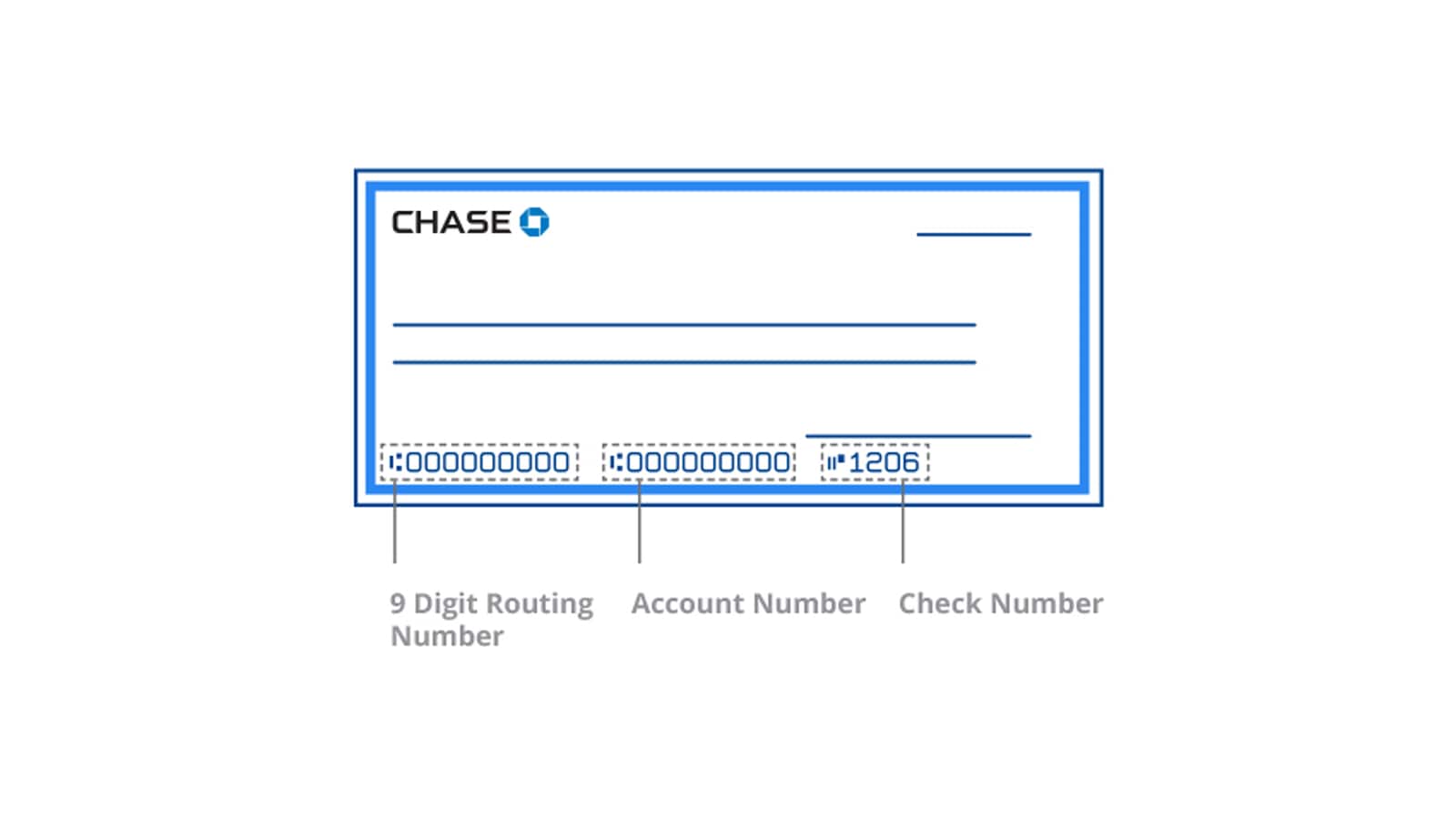
For those who still use checks, your personal checkbook is an immediate and readily available source of your account number.
- Locate the MICR Line: On the bottom of any personal check, you’ll find a series of numbers printed in magnetic ink characters (MICR line).
- Identify the Sections:
- The first set of numbers (typically nine digits) on the far left is your routing number.
- The second set of numbers (usually 10-12 digits, often followed by a symbol) is your account number.
- The last set of numbers is the check number.
Ensure you’re looking at the correct part of the MICR line, as the order can sometimes vary slightly, though the routing number is almost always first. This method is quick and doesn’t require internet access, making it incredibly handy for immediate needs.
Decoding Your Paper Bank Statements
If you opt for paper statements, these physical documents are another definitive source.
- Retrieve a Recent Statement: Find a recent checking or savings account statement that Chase mails to you.
- Locate Account Information: Your full account number, along with the routing number, is consistently printed on your statement, usually at the top or within the summary section.
Keeping a physical file of your bank statements is a prudent financial practice, not just for account numbers but also for tracking spending, verifying transactions, and tax purposes.
Direct Engagement: Contacting Chase Customer Service
If you’re unable to find your account number through digital means or physical documents, or if you prefer direct assistance, contacting Chase customer service is a reliable option.
- Gather Information: Before calling, have your personal identification details ready, such as your full name, address, phone number, and Social Security number. You may also need your debit card number or other verification details.
- Call the Official Number: Dial the official Chase customer service number (usually found on their website, the back of your debit card, or your statements). For U.S. customers, this is typically 1-800-935-9935.
- Follow Prompts: Navigate the automated system to speak with a representative about accessing your account information.
- Verification Process: The representative will perform a security verification process to confirm your identity before providing any sensitive account details. They will never ask for your full password.
While this method might take longer due to wait times and security protocols, it guarantees you receive accurate information directly from the bank.
In-Person Solutions at a Chase Branch
For those who prefer face-to-face interaction or require additional support, visiting a local Chase branch is an excellent solution.
- Bring ID: Take a valid, government-issued photo ID (e.g., driver’s license, passport) with you.
- Speak with a Teller or Personal Banker: Explain your need to find your account number.
- Verification: The bank staff will verify your identity using your ID and possibly other account-related questions.
- Receive Information: Once verified, they can provide you with your account number, often printed on a secure slip, and answer any other account-related questions you might have.
Visiting a branch is particularly useful if you have complex inquiries, need immediate assistance, or are uncomfortable sharing sensitive information over the phone or online.
Safeguarding Your Financial Information: Best Practices
Finding your Chase account number is important, but equally critical is the practice of safeguarding this sensitive information. In an era of increasing digital threats, proactive security measures are non-negotiable for effective personal finance management.
Understanding Data Security Risks
Your account number, when combined with other personal details, can be exploited by fraudsters. Potential risks include:
- Identity Theft: If a fraudster obtains your account number along with other identifying information, they could attempt to open new accounts in your name or gain unauthorized access to existing ones.
- Unauthorized Withdrawals: While an account number alone is rarely enough for direct withdrawals without your signature or authorization, it is a crucial piece of the puzzle for sophisticated scams, especially when combined with a routing number and other personal data.
- Phishing and Social Engineering: Scammers might attempt to trick you into revealing your account number through fake emails, texts, or phone calls disguised as your bank or another legitimate entity.
Being aware of these risks helps you stay vigilant.
Proactive Measures for Account Number Protection
Implement these best practices to protect your Chase account number and overall financial health:
- Secure Online Access: Always use strong, unique passwords for your online banking. Enable two-factor authentication (2FA) wherever possible. Avoid logging into your bank account on public Wi-Fi networks.
- Verify Sources: Never click on suspicious links in emails or texts claiming to be from Chase. Always go directly to the official Chase website (chase.com) or use the official mobile app. Chase will never ask for your full password or PIN via email or text.
- Shred Sensitive Documents: When disposing of old bank statements, voided checks, or any documents containing your account number, always shred them thoroughly. Do not simply throw them in the trash.
- Monitor Your Accounts: Regularly review your Chase bank statements and online transaction history for any unauthorized activity. Set up account alerts for large transactions or withdrawals.
- Be Skeptical of Unsolicited Requests: If someone contacts you unexpectedly and asks for your account number, be extremely cautious. Verify their identity and the legitimacy of their request through official channels (e.g., calling Chase directly using a number from their website, not one provided by the caller).
- Use Secure Storage: If you need to keep a record of your account number, store it in a secure location, such as a locked safe at home or a password-protected digital document on an encrypted drive. Avoid saving it unencrypted on your phone or computer.

When to Share and When to Protect
It’s important to understand the legitimate circumstances under which you might need to share your account number:
- Legitimate Employers: For direct deposit setup.
- Trusted Financial Institutions/Processors: For setting up automatic payments or linking accounts (e.g., a legitimate mortgage company, utility provider, or investment platform).
- Wire Transfer Recipients/Senders: For initiating or receiving wire transfers.
In all other scenarios, especially if you are unsure about the legitimacy of a request, err on the side of caution and do not share your account number. When in doubt, contact Chase directly to verify.
By familiarizing yourself with these methods and adhering to robust security practices, you can confidently access your Chase account number whenever needed, ensuring smooth financial operations while maintaining the integrity and security of your personal financial information. This proactive approach is a cornerstone of responsible and effective personal finance management in the modern world.
aViewFromTheCave is a participant in the Amazon Services LLC Associates Program, an affiliate advertising program designed to provide a means for sites to earn advertising fees by advertising and linking to Amazon.com. Amazon, the Amazon logo, AmazonSupply, and the AmazonSupply logo are trademarks of Amazon.com, Inc. or its affiliates. As an Amazon Associate we earn affiliate commissions from qualifying purchases.