
Navigating the modern financial landscape requires more than just knowing your balance; it requires a precise understanding of the identifiers that connect your identity to your assets. Among these, the bank account number is perhaps the most critical piece of data. Whether you are setting up a new direct deposit for a career move, linking an investment platform to your checking account, or authorizing an automated bill payment, the question “how can I find my account number” is often the first step in a larger financial transaction.
In this guide, we will explore the various methods for locating this information, the structural differences between account types, and the best practices for maintaining the security of your financial credentials.
Understanding the Role of Your Bank Account Number
Before hunting for the digits themselves, it is essential to understand what an account number represents within the global banking infrastructure. Your account number is a unique identifier assigned by a financial institution to a specific account. Unlike your Social Security number, which identifies you, the account number identifies the container where your money resides.
Account Number vs. Routing Number: Knowing the Difference
One of the most common points of confusion for consumers is the distinction between a routing number and an account number. On most financial documents, these two numbers appear side-by-side, but they serve very different purposes.
- The Routing Number (ABA): This is a nine-digit code that identifies the financial institution itself. Think of it as the “zip code” for the bank. It tells the banking system exactly which “building” the money needs to go to.
- The Account Number: This is your specific internal address within that building. It tells the bank which specific vault or “room” belongs to you.
Most transactions, such as ACH transfers or wire movements, require both. Providing the wrong one can result in failed transactions, or worse, funds being deposited into the wrong person’s account.
Why You Need Your Account Number Frequently
In the era of “set it and forget it” personal finance, your account number is the backbone of automation. You will need it for:
- Direct Deposit: To ensure your employer’s payroll system can route your salary correctly.
- External Transfers: When moving money between different banks or credit unions.
- Financial Apps: Connecting tools like Venmo, PayPal, or budgeting software like YNAB or Mint.
- Tax Refunds: The IRS requires both routing and account numbers for the fastest delivery of tax returns.
Where to Find Your Account Number: Physical and Digital Methods
Finding your account number is simpler than it used to be, thanks to the integration of mobile technology. However, depending on your preferences—digital-first or traditional—there are several places you can look.
The Anatomy of a Paper Check
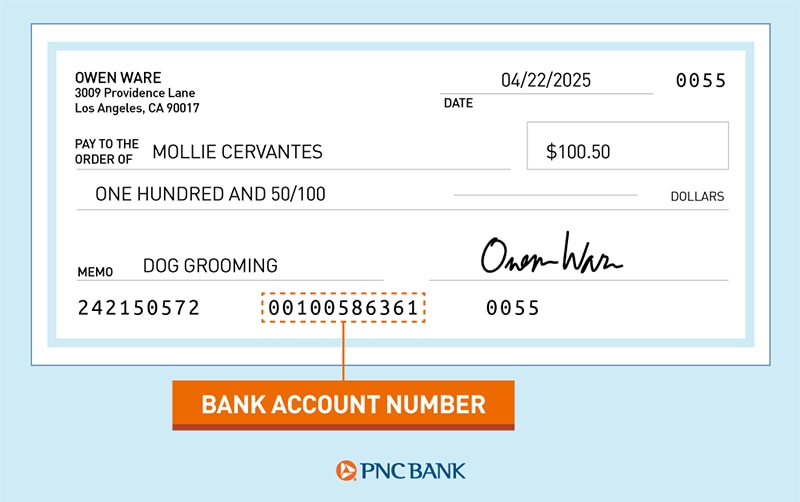
If you still use physical checkbooks, the most reliable place to find your account number is at the bottom of a check. At the base of every check is a string of numbers printed in a special font called MICR (Magnetic Ink Character Recognition).
- The First Set of Numbers: This is typically the nine-digit routing number.
- The Second Set of Numbers: This is your account number. It can range from 8 to 12 digits depending on the bank.
- The Third Set of Numbers: This is the check number, which matches the number in the top right corner.
Note: Deposit slips also contain this information, but be cautious—some banks use a different internal routing number for deposits than they do for electronic withdrawals. Always default to the number found on a standard check for ACH purposes.

Online Banking and Mobile Apps
For those who have gone paperless, your bank’s digital portal is the fastest way to retrieve your credentials.
- The “Account Details” Tab: Once logged in, click on the specific account (Checking, Savings, etc.). Look for a link or tab labeled “Account Details,” “Details & Settings,” or “Account Info.”
- The Eye Icon: For security reasons, most banking apps mask the account number with asterisks (e.g., ****6789). Look for a small “eye” icon or a “Show” button next to the masked number to reveal the full string.
- Mobile App Shortcuts: Many modern banking apps allow you to copy the account and routing numbers directly to your clipboard, reducing the risk of a manual typing error.
Physical and Digital Bank Statements
Every month, your bank generates a statement of activity. Whether this arrives in your physical mailbox or as a PDF in your online “Documents” center, your full account number is usually listed at the top of the first page. It is often located near your name and address or at the top of the summary of transactions.
Finding Account Numbers for Other Financial Products
While the checking account is the most common point of inquiry, you may need account numbers for other financial instruments. The format and location of these can vary significantly.
Credit Card Account Numbers vs. Card Numbers
A common misconception is that the 16-digit number on the front of your credit card is your account number. While it serves as the identifier for transactions, your internal credit card account number (used for paying the bill from an external bank) may be different. If you are setting up “Bill Pay” through your bank, you usually use the 16-digit card number. However, for internal bank bookkeeping, they may assign a separate account ID found on your monthly statement.
Investment and Brokerage Accounts
If you hold an account with a firm like Vanguard, Fidelity, or Charles Schwab, your account number is the key to managing your portfolio. These numbers are often shorter or contain letters. You can find these on:
- Trade Confirmations: Documents sent after you buy or sell a stock.
- Tax Forms (1099-DIV/INT): These forms, issued annually, always list the account number associated with the earnings.
Loan and Mortgage Accounts
When paying off a mortgage, auto loan, or student loan, you must use the specific loan account number. Using your general banking account number won’t work; you need the identifier for the debt itself. This is consistently found on the “Payment Coupon” at the bottom of your monthly loan statement.
Safeguarding Your Account Information in the Digital Age
Because your account number is the “key” to your cash, protecting it is a fundamental aspect of financial literacy. In the wrong hands, an account and routing number can be used to create fraudulent checks or authorize unauthorized ACH withdrawals.
Protecting Your Data from Phishing and Identity Theft
Fraudsters often use “phishing” emails or texts that appear to be from your bank, asking you to “verify your account number” due to a suspicious login.
- The Golden Rule: A bank will never ask you to provide your full account number via an unsolicited email or text message.
- Secure Portals: Always ensure you are on a “https://” website and look for the padlock icon in the browser bar before entering or viewing sensitive financial data.
Secure Ways to Share Your Financial Details
If you need to share your account number with a third party—such as a landlord for rent payments or a new employer—avoid sending it via standard email. Email is often unencrypted and can be intercepted.
- Encrypted Portals: Use the secure document upload portals provided by HR departments or property management companies.
- Phone Verification: If you must provide it, doing so over a verified, recorded phone line with a known institution is generally safer than digital text.

What to Do If You Lose Your Account Details or Suspect Fraud
If you cannot find your account number through the methods listed above, or if you believe your account number has been compromised, immediate action is required.
- Contact Customer Service: If you lose your checkbook or notice unauthorized “ACH” or “E-Check” transactions, call your bank’s fraud department immediately.
- Verify Your Identity: Be prepared to answer security questions, provide your Social Security number, and perhaps verify recent transaction amounts to prove ownership of the account.
- Account Freezes vs. New Accounts: If an account number is compromised, a simple “freeze” is often insufficient. Most financial advisors recommend closing the compromised account and opening a new one with a fresh account number to prevent recurring unauthorized access.
Managing your financial identity starts with the basics. By knowing exactly where to find your account number and understanding how to protect it, you empower yourself to navigate the world of personal finance with confidence and security. Whether it is through the MICR line on a check or the encrypted “Account Details” tab on your smartphone, your account number is the essential link in the chain of your financial life.
aViewFromTheCave is a participant in the Amazon Services LLC Associates Program, an affiliate advertising program designed to provide a means for sites to earn advertising fees by advertising and linking to Amazon.com. Amazon, the Amazon logo, AmazonSupply, and the AmazonSupply logo are trademarks of Amazon.com, Inc. or its affiliates. As an Amazon Associate we earn affiliate commissions from qualifying purchases.