
In the modern financial landscape, the seamless movement of money is the backbone of personal and business management. Whether you are setting up a direct deposit for a new job, authorizing an automated bill payment, or sending a domestic wire transfer, you will inevitably encounter a request for two specific pieces of information: your account number and your routing number. For Chase Bank customers—one of the largest financial institutions in the world—locating this information is a fundamental step in managing liquidity and ensuring financial transactions are processed without friction.
Understanding your Chase routing number is about more than just finding a nine-digit code; it is about understanding how the American banking system identifies your specific branch and facilitates the secure exchange of funds. This guide provides a deep dive into the methods for locating your routing number, the distinctions between different types of transfers, and the strategic role these numbers play in your overall financial health.
The Fundamentals: What is a Chase Routing Number?
Before diving into where to find the number, it is essential to understand what it represents. A routing transit number (RTN) is a nine-digit numerical code used by financial institutions to identify themselves. Developed by the American Bankers Association (ABA) in 1910, this system was designed to simplify the sorting and shipment of paper checks. Today, it serves as the digital address for your bank within the Federal Reserve’s electronic payment system.
The Anatomy of the Nine-Digit Code
The routing number is not a random sequence. It follows a specific format that communicates vital information to the clearinghouse:
- The first four digits: These represent the Federal Reserve Bank district through which the institution’s electronic transactions are routed.
- The middle four digits: These identify the specific financial institution—in this case, JPMorgan Chase.
- The ninth digit: Known as the “check digit,” this is used in a complex mathematical formula to verify that the previous eight digits are correct, preventing errors during data entry.
Why Chase Has Multiple Routing Numbers
Unlike smaller community banks, Chase is a massive national entity that has grown through decades of mergers and acquisitions (such as the integration of WaMu or Bank One). Consequently, Chase utilizes different routing numbers based on the state where you opened your account. It is a common misconception that there is one universal “Chase Routing Number.” In reality, using the wrong number for your specific region can lead to delayed transactions or rejected payments.
How to Find Your Chase Routing Number
Chase provides several convenient methods to access your routing number, ranging from physical documents to high-tech digital interfaces. Depending on your current situation, one of the following methods will be the most efficient.
Utilizing the Chase Mobile® App
For those who manage their money on the go, the Chase Mobile app is the most direct tool.
- Log in to your account using your credentials or biometric ID.
- Tap on the specific checking account you wish to view.
- Scroll down to the “Account details” section.
- Tap on “Show details.” Here, you will see both your account number and your routing number displayed clearly.
This method is highly secure as it requires multi-factor authentication, ensuring your sensitive financial data remains private.
Accessing Chase Online Banking
If you are working from a desktop, finding the routing information via the Chase website is straightforward:
- Sign in to chase.com.
- Select the account you are interested in from the dashboard.
- Look for the “Account services” or “See more” tab.
- Click on “Display account and routing numbers.”
The system will often require a secondary verification step (like a text code) before revealing the full numbers, providing an extra layer of digital security for your personal finance data.
Examining a Physical Check
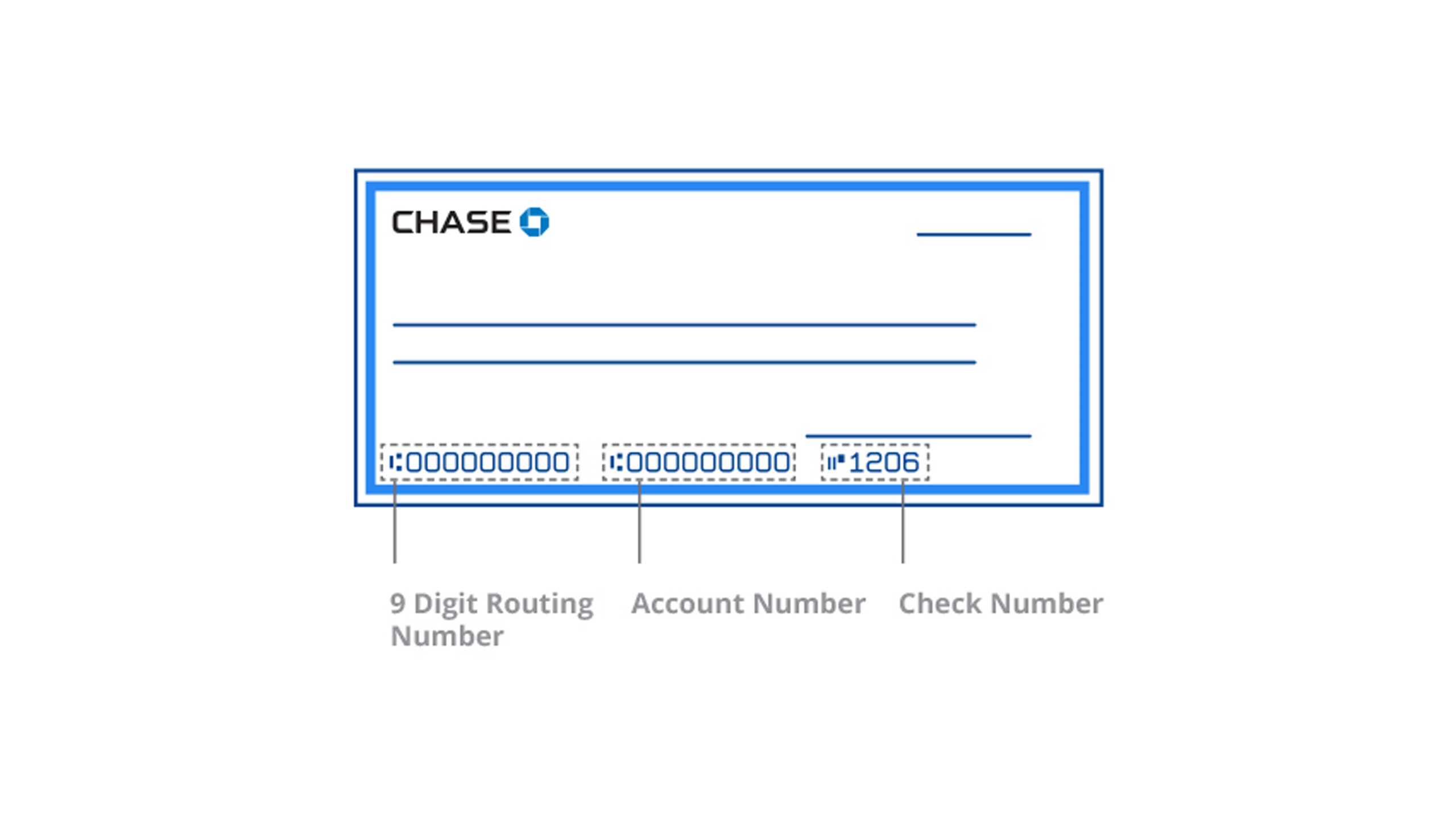
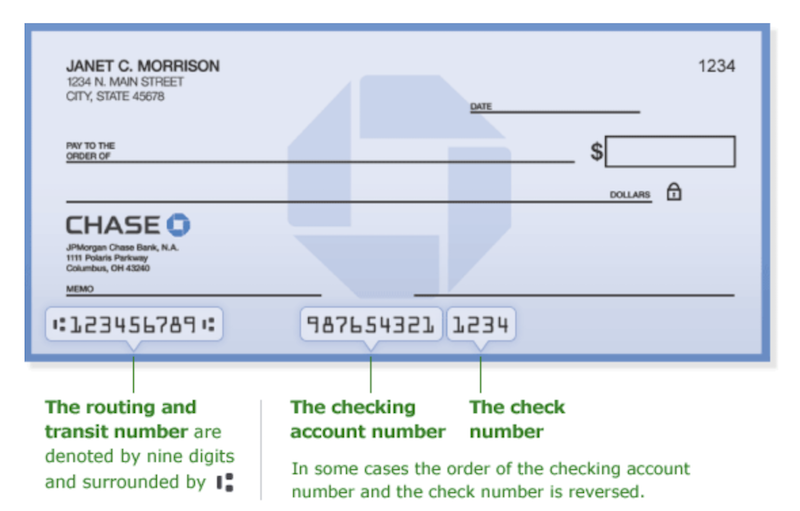
The most “traditional” way to find your routing number is by looking at a physical check associated with your Chase account. At the bottom of every check, there is a string of numbers printed in MICR (Magnetic Ink Character Recognition) font.
- The first sequence (nine digits): This is your routing number.
- The second sequence: This is your account number.
- The third sequence: This is the check number.
It is important to note that you should use the routing number from a check specifically for your checking account. If you are trying to find information for a savings account, which does not typically have checks, you should rely on the mobile app or website.
Chase Routing Numbers by State
While you should always verify through your specific account portal, Chase maintains a list of routing numbers tied to the state of account opening. For example:
- California: 122000661
- New York: 021000021
- Texas: 111000614
- Illinois: 071000013
If you opened your account online, the routing number is usually determined by the billing address you provided at the time of application.
Routing Numbers for Specific Financial Transactions
Not all transactions use the same routing number. In the world of business finance and high-value transfers, precision is key. Using a standard electronic (ACH) routing number for a transaction that requires a wire routing number can cause significant headaches.
ACH vs. Wire Transfers
Most everyday transactions—such as direct deposits of your paycheck or paying your utility bills—use ACH (Automated Clearing House) routing numbers. However, if you are performing a Wire Transfer (a real-time, irrevocable transfer of funds), Chase may require a different routing number.
- Domestic Wires: Chase often uses a specific routing number for domestic wires that differs from the ACH number found on your checks. You can find this on the Chase website under the “Wire Transfers” section.
- International Wires: When receiving money from abroad, you won’t just need a routing number; you will need a SWIFT/BIC code. For Chase, the primary SWIFT code is often “CHASUS33,” but this can vary. Additionally, you may need to provide the bank’s head office address in New York.
Direct Deposit and Tax Refunds
When setting up a direct deposit with an employer or requesting a tax refund from the IRS, you are using the ACH system. For these purposes, the routing number found on your Chase app or at the bottom of your checks is the correct choice. Always double-check these numbers; a single digit error can result in your hard-earned money being sent to a “suspense account” at the bank, requiring weeks of administrative effort to recover.
Security and Best Practices for Your Financial Identity
Your routing number, combined with your account number, is the “key” to your financial vault. While routing numbers themselves are public knowledge (as they identify the bank, not the individual), the combination of the two must be guarded carefully.
Safeguarding Your Account Information
In the digital age, “phishing” and “social engineering” are common threats. Be wary of any email or text message asking you to “verify your Chase routing and account number” via a link. Chase will never ask for this information through an unsecure channel.
- Use Secure Portals: Only enter your banking details on encrypted websites (look for the “https” and the padlock icon).
- Monitor Transactions: Regularly check your Chase statement for unauthorized ACH withdrawals. If someone has your routing and account number, they could potentially initiate a fraudulent “paperless check” or ACH debit.
Personal Branding and Financial Professionalism
If you are a freelancer or a small business owner using a Chase account, how you share your payment information matters for your professional brand. Instead of sending these numbers in the body of a plain email, consider using a professional invoice or a secure payment platform. This not only protects your data but also signals to your clients that you take financial security and business operations seriously.
The Strategic Importance of Routing Numbers in Wealth Management
Beyond the simple act of moving money, understanding the mechanics of your Chase account is a component of sophisticated personal finance management.
Automating Your Side Hustle
If you operate a side hustle or an online business, your Chase routing number is the bridge between your sales platforms (like Shopify, Stripe, or PayPal) and your bank account. By ensuring you have the correct regional routing number, you can minimize “hold times” on your funds. Efficient cash flow management is often the difference between a struggling business and a thriving one.
Integrating with Financial Tools
Modern financial tools—such as Mint, YNAB (You Need A Budget), or investment platforms like Vanguard and Fidelity—require your routing and account numbers to link accounts. This integration allows for a “birds-eye view” of your net worth. By correctly identifying your Chase account via its routing number, you enable these AI-driven tools to categorize your spending and help you reach your long-term investing goals faster.
Conclusion
Finding your Chase routing number is a simple task that sits at the center of your financial life. Whether you access it via the sleek interface of the Chase Mobile app or the traditional layout of a paper check, this nine-digit code is what keeps your money moving in the right direction. By understanding the nuances between ACH and wire transfers, and by remaining vigilant about your digital security, you can navigate the complexities of modern banking with confidence and professional insight. Understanding these “small” details is what ultimately leads to mastery over your larger financial journey.
aViewFromTheCave is a participant in the Amazon Services LLC Associates Program, an affiliate advertising program designed to provide a means for sites to earn advertising fees by advertising and linking to Amazon.com. Amazon, the Amazon logo, AmazonSupply, and the AmazonSupply logo are trademarks of Amazon.com, Inc. or its affiliates. As an Amazon Associate we earn affiliate commissions from qualifying purchases.