
A business plan serves as the bedrock for any successful venture, providing a structured roadmap that outlines your goals, strategies, and, most critically, your financial projections. It’s not merely a document for attracting investors; it’s a living tool that guides your decision-making, helps you allocate resources effectively, and tracks your progress toward financial viability and growth. For anyone looking to launch, expand, or simply bring clarity to their business idea, understanding how to construct a robust business plan, with a keen focus on its financial core, is indispensable.
The Cornerstone of Business Finance: Why You Need a Business Plan
At its heart, a business plan is a comprehensive financial narrative. It articulates not just what your business will do, but how it will generate revenue, manage costs, achieve profitability, and sustain growth. Without this clarity, securing funding, making informed operational decisions, and even understanding the true potential of your idea becomes significantly more challenging.
Attracting Capital
For many entrepreneurs, the primary motivation for creating a business plan is to secure funding. Lenders, investors, and venture capitalists scrutinize business plans to assess risk and potential return. They are not just interested in your innovative idea; they want to see a clear path to profitability and a robust financial model that demonstrates sustainability. A well-crafted plan provides concrete evidence of market potential, operational efficiency, and, most importantly, compelling financial projections that justify their investment. It’s their window into your financial acumen and the underlying economics of your proposed venture.
Strategic Financial Guidance
Beyond fundraising, the process of developing a business plan forces you to meticulously analyze every financial aspect of your venture. This internal exercise helps you:
- Identify Revenue Streams: Pinpointing all potential sources of income and how each will contribute to your top line.
- Forecast Expenses: Estimating both startup costs and ongoing operating expenses, allowing for better budget management.
- Assess Break-Even Points: Understanding when your revenue will cover your costs, a critical milestone for any new business.
- Plan for Cash Flow: Anticipating periods of surplus and deficit, which is vital for maintaining liquidity and preventing financial distress.
This strategic financial guidance transforms abstract ideas into actionable financial targets, enabling proactive management rather than reactive problem-solving.
Deconstructing Your Financial Blueprint: Key Components
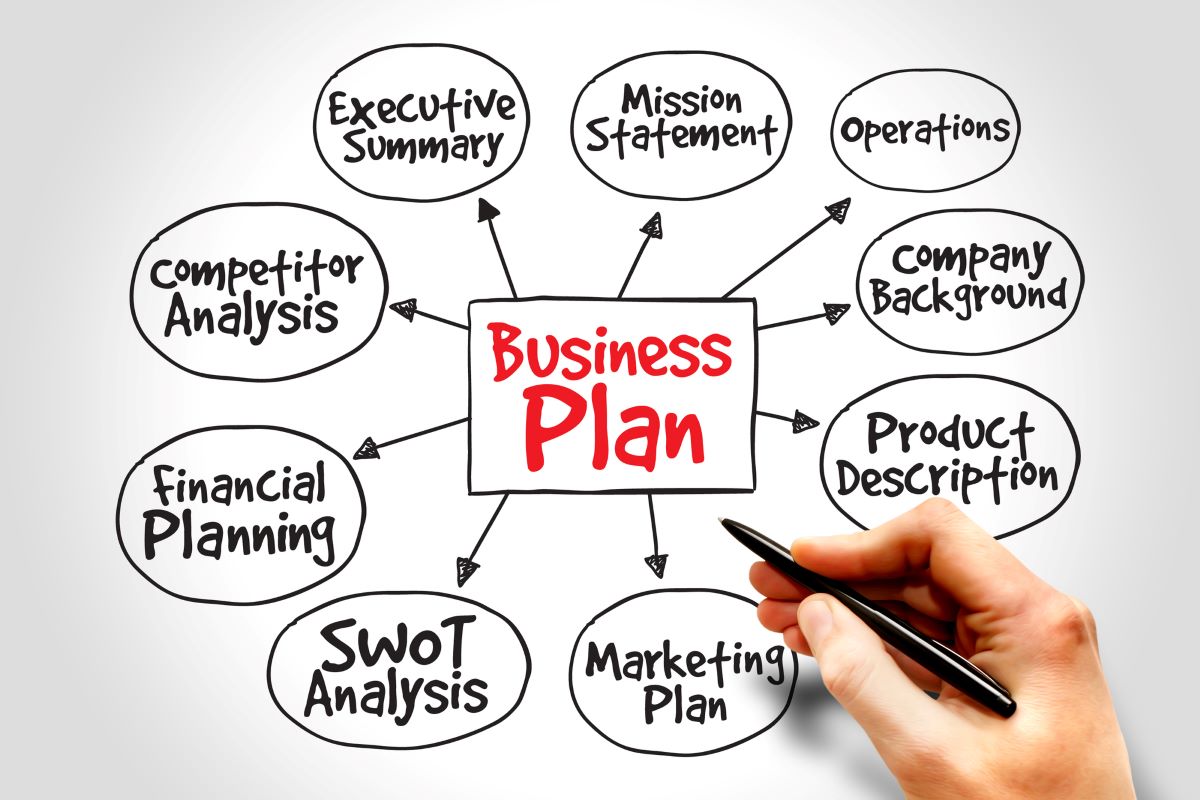
While a complete business plan encompasses various sections from market analysis to management team profiles, the financial section is often the most critical, especially when pitching to financially-minded stakeholders. Here’s a breakdown of its essential components:
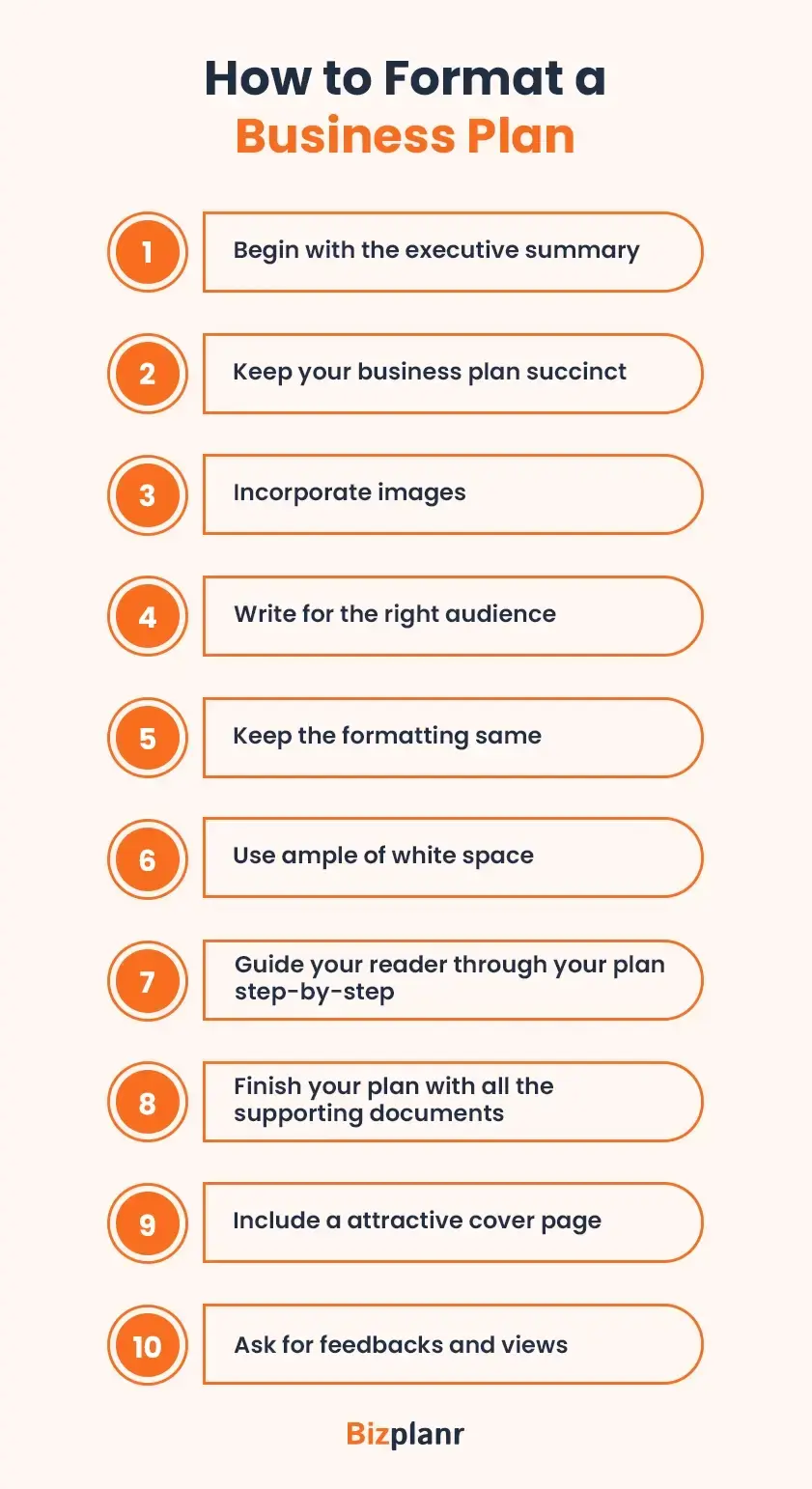
Executive Summary
Though placed at the beginning, the executive summary should be written last. It’s a concise overview of your entire plan, highlighting your business concept, market opportunity, and crucially, your key financial projections and funding needs. It must capture the reader’s attention immediately, succinctly presenting the financial viability and potential return on investment. Include top-line revenue forecasts, anticipated profit margins, and the total funding requested, along with how that capital will be deployed.
Company Description & Product/Service Line
While not directly financial, these sections lay the groundwork for your financial model. A clear description of your business and its offerings helps readers understand the basis of your revenue projections and cost structure. For example, if you’re offering a subscription service, the recurring revenue model will be a significant factor in your financial forecasts. If you’re selling physical products, your Cost of Goods Sold (COGS) will be a critical expense.
Market Analysis and Sales Strategy
This section provides the context for your revenue projections. It includes:
- Target Market Size: Quantify your potential customer base. How large is the market you’re targeting, and what percentage do you realistically expect to capture? This directly informs your sales volume forecasts.
- Competitive Landscape: How will your pricing strategy compare to competitors? What unique value do you offer that justifies your price point and market share projections?
- Sales & Marketing Costs: Detail your strategies for reaching customers and estimate the costs associated with these efforts. This directly impacts your operating expenses and customer acquisition cost (CAC).
Robust market analysis provides credibility to your sales forecasts, demonstrating that your revenue figures are grounded in reality rather than aspiration.
Funding Request
If you are seeking capital, this section explicitly details how much money you need and how you intend to use it. Be precise about the allocation of funds across various categories like equipment, inventory, marketing, working capital, and salaries. Provide a timeline for when these funds will be used and explain how this investment will lead to specific financial milestones or returns. This transparency is vital for building trust with potential investors.
Mastering Your Projections: Crafting Realistic Financial Statements
The core of your business plan’s financial section comprises detailed projections. These are forward-looking statements that estimate the financial performance and health of your business over a specific period, typically three to five years.
Startup Costs
Before you can generate revenue, you’ll incur initial expenses. This section itemizes all one-time costs required to get your business off the ground. Examples include:
- Legal Fees: Business registration, contracts, intellectual property.
- Equipment & Software: Initial purchases of machinery, computers, specialized software.
- Leasehold Improvements: Renovation costs for office or retail space.
- Initial Inventory: Stock to begin operations.
- Permits & Licenses: Necessary regulatory approvals.
- Initial Marketing & Branding: Logo design, website development, launch campaigns.
- Security Deposits: For rent or utilities.
Accurately estimating these costs is crucial for determining your initial capital requirements.
Operating Expenses
These are the recurring costs associated with running your business. Categorize them into:
- Fixed Costs: Expenses that remain relatively constant regardless of sales volume (e.g., rent, salaries for administrative staff, insurance premiums).
- Variable Costs: Expenses that fluctuate with the level of business activity (e.g., raw materials, sales commissions, utilities directly tied to production).
Clearly differentiating between fixed and variable costs helps in break-even analysis and understanding your cost structure as your business scales.
Revenue Forecasts
This is where you project your sales over time. Start with realistic assumptions based on your market analysis:
- Pricing Strategy: How much will you charge for your products or services?
- Sales Volume: How many units or services do you expect to sell each month/quarter/year?
- Growth Rate: What is your projected sales growth based on market trends, marketing efforts, and capacity?
It’s often helpful to provide multiple scenarios (best-case, worst-case, and most likely-case) to demonstrate an understanding of potential fluctuations and risks.
Pro Forma Financial Statements
“Pro forma” means “for the sake of form,” indicating these are projected statements.
a. Income Statement (Profit & Loss Statement)
This statement shows your projected revenues, expenses, and net profit or loss over a period (e.g., monthly for the first year, then quarterly or annually). Key components include:
- Revenue (Sales): Total projected income.
- Cost of Goods Sold (COGS): Direct costs attributable to the production of the goods or services sold.
- Gross Profit: Revenue minus COGS.
- Operating Expenses: All other costs of running the business (salaries, marketing, rent, utilities).
- Net Profit/Loss: Your ultimate bottom line after all expenses are accounted for.
The income statement illustrates the profitability of your business.
b. Cash Flow Statement
This statement tracks the actual movement of cash into and out of your business over a period. It’s critical because a business can be profitable on paper but still run out of cash. It categorizes cash flows into:
- Operating Activities: Cash generated from regular business operations.
- Investing Activities: Cash used for purchasing or selling assets (e.g., equipment).
- Financing Activities: Cash from debt, equity, or dividends.
The cash flow statement is paramount for managing liquidity and ensuring you have enough cash to meet your obligations.
c. Balance Sheet
A snapshot of your business’s financial health at a specific point in time, showing:
- Assets: What the business owns (cash, accounts receivable, inventory, equipment).
- Liabilities: What the business owes (accounts payable, loans, deferred revenue).
- Owner’s Equity: The residual value after liabilities are subtracted from assets (owner’s investment + retained earnings).
The balance sheet demonstrates the overall financial stability and structure of your company.
Break-Even Analysis
This critical calculation determines the point at which your total revenue equals your total costs, meaning you are neither making a profit nor incurring a loss. It helps you understand the sales volume required to cover your fixed and variable expenses and offers a concrete milestone for financial viability.
Beyond the Document: Using Your Business Plan for Funding and Strategic Growth
A business plan is not a static document to be filed away once complete. It should be a dynamic tool that you revisit and revise regularly.
Monitoring and Adjusting
Continuously compare your actual financial performance against your projections. Are your revenues meeting expectations? Are expenses under control? This ongoing monitoring allows you to identify discrepancies early and make necessary adjustments to your strategies, operations, or financial models. It turns the plan into a performance management tool.
Scaling and Expansion
As your business grows, your initial plan might no longer accurately reflect your current situation or future aspirations. Periodically update your business plan to include new financial targets, market opportunities, and potential funding needs for expansion. A revised plan can serve as a compelling narrative for new rounds of investment or for securing larger lines of credit.
Crafting a comprehensive business plan, particularly its financial sections, demands thorough research, realistic assumptions, and a deep understanding of your business model. It’s an iterative process that refines your vision, sharpens your financial acumen, and significantly enhances your chances of long-term success and profitability.
aViewFromTheCave is a participant in the Amazon Services LLC Associates Program, an affiliate advertising program designed to provide a means for sites to earn advertising fees by advertising and linking to Amazon.com. Amazon, the Amazon logo, AmazonSupply, and the AmazonSupply logo are trademarks of Amazon.com, Inc. or its affiliates. As an Amazon Associate we earn affiliate commissions from qualifying purchases.