
PayPal: A Cornerstone Financial Tool for the Digital Age
In an increasingly digital economy, managing personal and business finances demands robust, accessible, and secure tools. PayPal stands out as a preeminent financial instrument, enabling seamless transactions across borders and currencies, facilitating online income streams, and simplifying routine financial operations. More than just a payment processor, it serves as a versatile financial gateway, connecting users to a global network of merchants, freelancers, and peers. Understanding its strategic utility and the precise steps to establish an account is crucial for anyone looking to optimize their financial interactions in the modern landscape. Its role spans from simplifying bill payments for individuals to empowering small businesses and freelancers with efficient payment solutions, ultimately driving financial inclusion and economic fluidity in the digital realm.
Distinguishing Personal vs. Business Accounts
The initial decision when creating a PayPal account revolves around selecting the appropriate account type: Personal or Business. This choice carries significant financial implications, shaping transaction capabilities, fee structures, reporting options, and the scope of available features.
- Personal Accounts: Primarily designed for individuals to send and receive money from friends and family, shop online, and manage personal expenses. While it can receive payments for occasional sales or services, it has lower transaction limits and lacks advanced features for financial tracking, invoicing, or multi-user access. For sporadic online income or managing household budgets, a Personal account is typically sufficient.
- Business Accounts: Tailored for entrepreneurs, freelancers, and companies of all sizes. These accounts offer higher transaction limits, access to invoicing tools, payment solutions for websites and marketplaces, financial reporting features, and the ability to accept a wider range of payment methods. Business accounts are essential for managing revenue streams, tracking expenses, processing payroll, and maintaining clear financial records vital for tax purposes and business analysis. The financial overhead, primarily in transaction fees for commercial sales, is offset by enhanced functionality and professional credibility.
Choosing correctly from the outset streamlines financial management, ensures compliance, and positions the user to leverage PayPal’s full suite of financial tools effectively, whether for personal budgeting or commercial endeavors.
Strategic Steps to Establishing Your Financial Gateway
The process of creating a PayPal account is designed to be straightforward, yet each step holds significance in establishing a robust and secure financial conduit. Understanding the financial implications behind each action ensures a fully functional and optimized account.
Initial Setup and Account Selection
The journey begins on the PayPal website or through their mobile application.
- Navigate to the Sign-Up Page: Locate the “Sign Up” button, typically prominent on the homepage.
- Choose Account Type: As discussed, select either “Personal Account” or “Business Account.” This choice is foundational to your financial operations on the platform. If your primary goal is managing personal spending, making online purchases, or occasionally receiving money from friends, a Personal account is appropriate. If you intend to receive payments for goods or services, manage a side hustle, or operate a full-fledged business, a Business account is the financially prudent choice, offering dedicated features for income management and compliance.
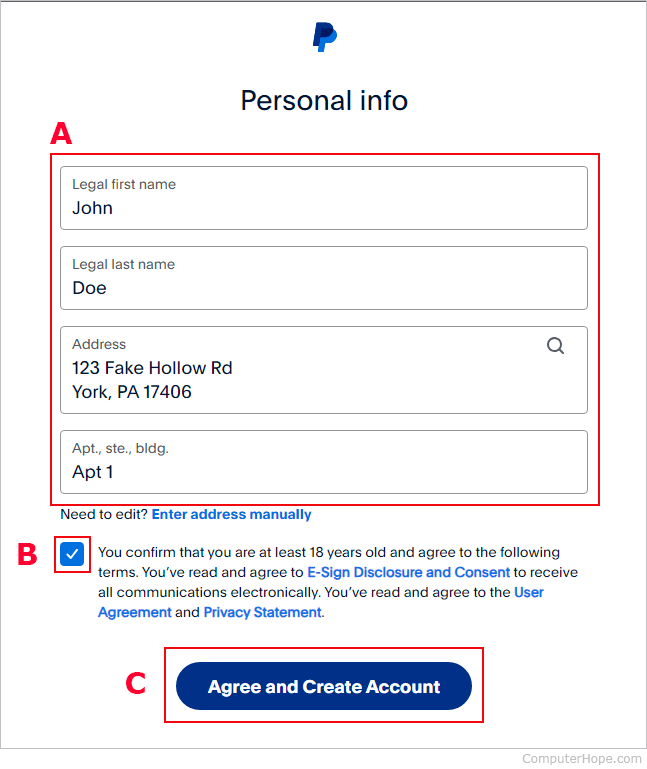
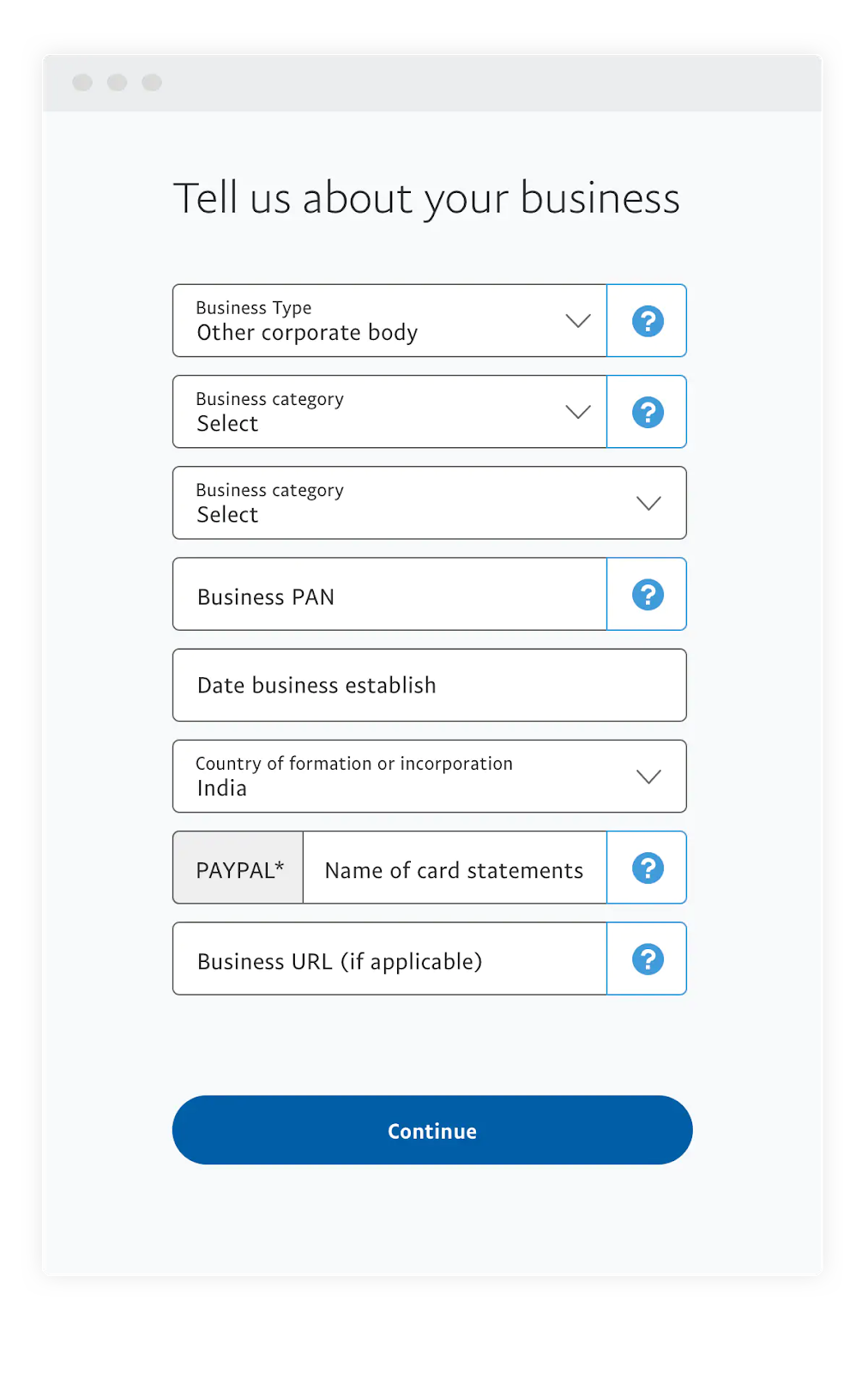
- Provide Essential Financial Identifiers: You’ll be prompted to enter your name, email address (which will serve as your primary PayPal identifier for receiving payments), and create a secure password. For Business accounts, additional details such as business name, legal structure, and contact information will be required. Accuracy here is critical for financial security and regulatory compliance.
Linking and Verifying Your Financial Instruments
Connecting your PayPal account to external financial sources is paramount for its utility, enabling you to fund transactions, receive withdrawals, and establish financial legitimacy.
- Link a Bank Account: This is the most crucial step for comprehensive financial functionality. You can link your checking or savings account by providing your bank’s routing number and your account number. PayPal typically verifies this link by making two small deposits (usually a few cents) into your bank account, which you then confirm on the PayPal platform. This verification process is a critical security measure and a prerequisite for higher transaction limits and seamless fund transfers between PayPal and your bank. The ability to withdraw funds directly to your bank account is a core financial benefit.
- Link a Credit or Debit Card: While optional, linking a card provides an additional funding source for purchases and payments, offering a convenient backup if your bank balance is low or if you prefer to earn card rewards. For many online transactions, having a linked card enhances flexibility.
- Verify Your Email Address: A verification email is sent to the address provided during sign-up. Clicking the link within this email authenticates your contact information, a basic security measure that impacts the full financial functionality of your account.
These linking and verification steps are not merely technical requirements; they are fundamental to establishing a financially secure and fully operational PayPal account, enabling the smooth flow of capital in and out of the platform.
Leveraging PayPal for Optimized Personal Finance
PayPal offers numerous avenues to enhance personal financial management, moving beyond simple transactions to provide tools for budgeting, international spending, and subscription control.
Streamlined Budgeting and Expenditure Tracking
While not a dedicated budgeting app, PayPal’s activity log provides a clear, chronological record of all your financial movements through the platform. This ledger can be invaluable for personal finance tracking:
- Categorization: Regularly reviewing your transaction history allows for manual categorization of spending, providing insights into where your money goes.
- Integration with Financial Tools: Many personal finance management applications can connect with PayPal, automatically importing transaction data to facilitate comprehensive budgeting and expense analysis.
- Digital Receipts: PayPal transactions often come with detailed digital receipts, simplifying record-keeping for tax purposes or warranty claims.
By actively monitoring your PayPal activity, individuals can gain a clearer picture of their spending habits, aiding in the development and adherence to personal budgets.
Facilitating Global Remittances and E-commerce Purchases
PayPal excels in cross-border financial transactions, offering a competitive edge for individuals engaging with the global marketplace.
- International Payments: Sending money to family or friends abroad, or paying for services from international vendors, is simplified. PayPal handles currency conversions, often with transparent fees, making it a viable alternative to traditional wire transfers.
- E-commerce Security: For online shopping, PayPal acts as an intermediary, meaning your sensitive financial details (bank account or card numbers) are not directly shared with every merchant. This layer of security reduces the risk of fraud and identity theft, offering peace of mind for consumers engaging in digital commerce.
- Buyer Protection: PayPal’s robust Buyer Protection policy provides recourse if an item isn’t received or is significantly not as described, mitigating financial risk for online purchasers.
Managing Subscriptions and Recurring Payments
PayPal provides a centralized platform for managing ongoing financial commitments, offering a degree of control that can prevent overdrafts or unwanted charges.
- Subscription Oversight: Users can view and manage recurring payments and subscriptions directly from their PayPal account, making it easy to cancel services or update payment methods, thereby maintaining tighter control over recurring financial outflows.
- Automated Payments: For services requiring regular payments, PayPal can automate these transactions, ensuring bills are paid on time, avoiding late fees, and contributing to a healthy credit history (for payments linked to credit cards).
This comprehensive approach to personal transactions, global reach, and subscription management positions PayPal as an indispensable tool for proactive financial oversight.
Powering Online Income and Business Financials with PayPal
For entrepreneurs, freelancers, and businesses, PayPal transcends a simple payment service, becoming an integral part of their financial infrastructure for revenue generation, expense management, and global commerce.
Enabling E-commerce Sales and Service Payments
PayPal is a cornerstone for online businesses and professionals seeking to monetize their offerings.
- Website Integration: Businesses can easily integrate PayPal payment buttons or checkout solutions into their websites, allowing customers to make purchases directly and securely. This lowers the barrier to entry for online sales, empowering small businesses to reach a wider customer base.
- Invoicing: PayPal’s invoicing tool allows freelancers and service providers to generate professional, customizable invoices, send them to clients, and track payment status. This streamlines the financial workflow, ensures prompt payment, and provides clear financial records.
- QR Code Payments: For brick-and-mortar businesses or local services, PayPal offers QR code payment options, facilitating touchless transactions and expanding payment acceptance methods.
These features directly impact a business’s cash flow, sales conversion rates, and overall financial efficiency.
Expediting Freelance Income and Side Hustle Payouts
The gig economy heavily relies on efficient cross-border payment solutions, and PayPal is a primary enabler for freelancers.
- Global Client Payments: Freelancers working with international clients can receive payments swiftly and securely, bypassing traditional banking delays and complex international transfer procedures.
- Platform Payouts: Many freelance platforms and marketplaces use PayPal as a preferred payout method, offering quick access to earned income from various side hustles, from content creation to online tutoring.
- Clear Financial Record-Keeping: Every payment received through PayPal is logged, simplifying income tracking for tax preparation and financial planning.
For individuals generating income outside traditional employment, PayPal is an essential financial lifeline that ensures consistent and manageable cash flow.
Streamlining Vendor Payments and Expense Management
Beyond receiving income, businesses use PayPal for managing their operational expenditures.
- Vendor Payments: Companies can easily pay suppliers, contractors, and service providers, particularly those operating internationally, simplifying accounts payable.
- Expense Tracking: By using PayPal for specific business expenses, entrepreneurs can segregate business and personal finances more effectively, crucial for accurate accounting and tax deductions.
- Mass Payments: For businesses that need to pay multiple individuals or vendors simultaneously, PayPal’s Mass Payments feature can automate this process, saving significant administrative time and effort.
PayPal’s capabilities in these areas make it an invaluable asset for managing the financial intricacies of a growing business, from micro-enterprises to established entities.
Fortifying Your Financial Security within PayPal
While PayPal provides robust security measures, users play a critical role in maintaining the integrity and safety of their financial assets on the platform. Proactive security practices are paramount to mitigate risks and protect against unauthorized access or financial fraud.
Implementing Robust Authentication Measures
Your login credentials are the primary defense against unauthorized account access.
- Strong, Unique Passwords: Always use a complex password that combines letters, numbers, and symbols, and avoid reusing passwords from other online services. A compromised password elsewhere could grant access to your PayPal account, leading to financial loss.
- Two-Factor Authentication (2FA): Enable 2FA immediately after creating your account. This adds an extra layer of security by requiring a second verification step (e.g., a code sent to your mobile phone) in addition to your password during login. This significantly reduces the risk of unauthorized access, even if your password is stolen.
These measures are foundational to securing your digital financial identity and the funds linked to your PayPal account.
Understanding Buyer and Seller Protection Policies
PayPal’s comprehensive protection policies are designed to safeguard financial transactions, but understanding their scope is vital.
- Buyer Protection: This policy covers eligible purchases made via PayPal, offering a dispute resolution process if an item isn’t received or is significantly not as described. Knowing how to initiate a claim and what evidence is required can protect your financial outlay in online purchases.
- Seller Protection: For businesses, Seller Protection guards against claims of unauthorized transactions and items not received. Adhering to PayPal’s requirements for eligible transactions (e.g., shipping to the confirmed address, providing tracking information) is crucial for mitigating financial risks associated with chargebacks and fraud.
Familiarity with these policies empowers users to transact with greater confidence and provides a framework for recourse should financial discrepancies arise.

Prudent Management of Financial Data
Protecting your sensitive financial information is an ongoing responsibility.
- Phishing Awareness: Be vigilant against phishing attempts. PayPal will never ask for your password, bank account details, or full credit card number via email. Always verify the sender and URL before clicking links or entering credentials.
- Public Wi-Fi Caution: Avoid accessing your PayPal account or conducting financial transactions on unsecured public Wi-Fi networks, as these can be vulnerable to data interception.
- Regular Account Review: Periodically review your PayPal transaction history for any unfamiliar activity. Promptly report any suspicious transactions to PayPal’s customer service.
- Device Security: Ensure the devices you use to access PayPal (computers, smartphones) are protected with up-to-date antivirus software and strong passcodes.
By combining PayPal’s inherent security architecture with diligent personal practices, users can effectively protect their financial assets and leverage the platform’s full capabilities with confidence.
aViewFromTheCave is a participant in the Amazon Services LLC Associates Program, an affiliate advertising program designed to provide a means for sites to earn advertising fees by advertising and linking to Amazon.com. Amazon, the Amazon logo, AmazonSupply, and the AmazonSupply logo are trademarks of Amazon.com, Inc. or its affiliates. As an Amazon Associate we earn affiliate commissions from qualifying purchases.