
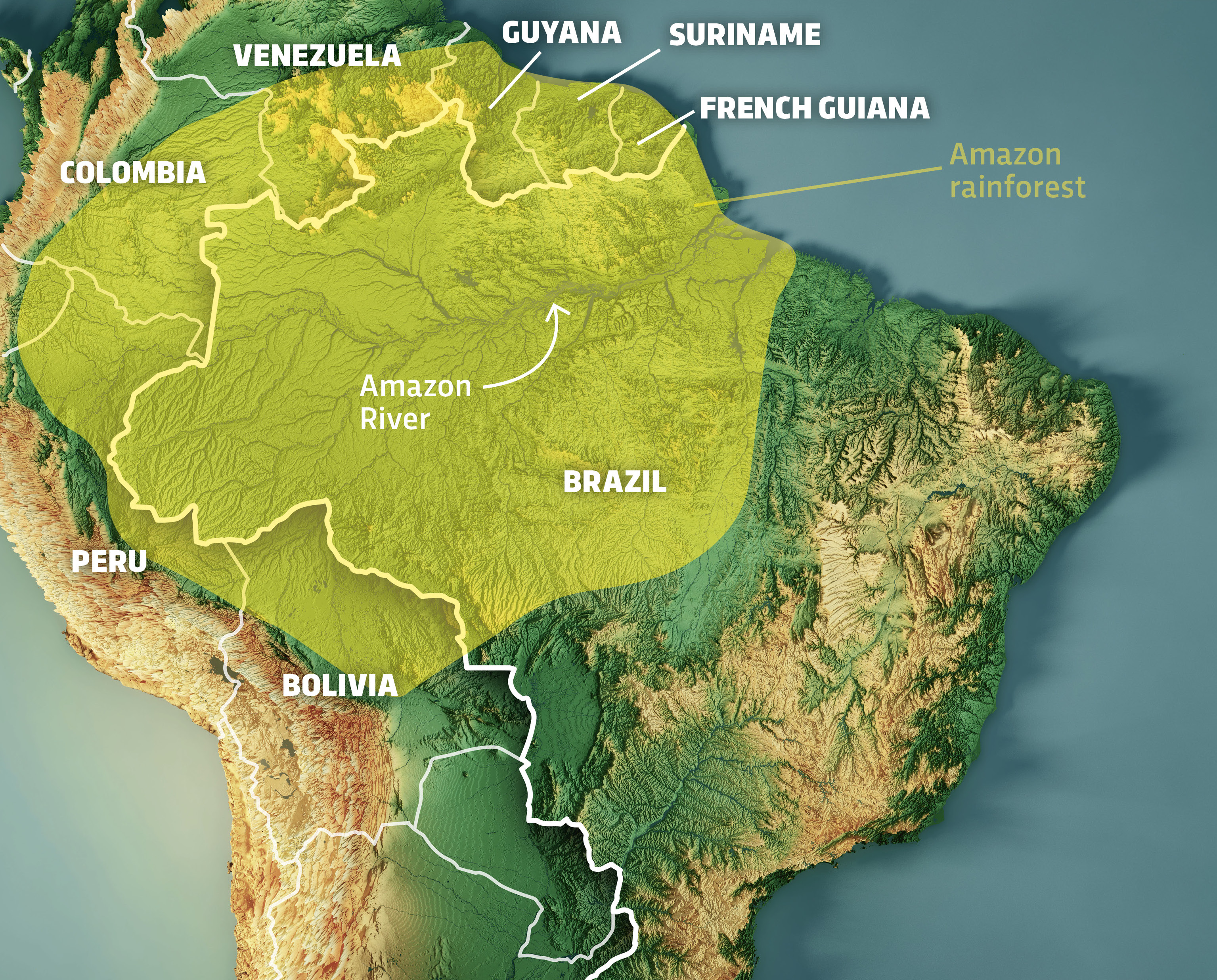
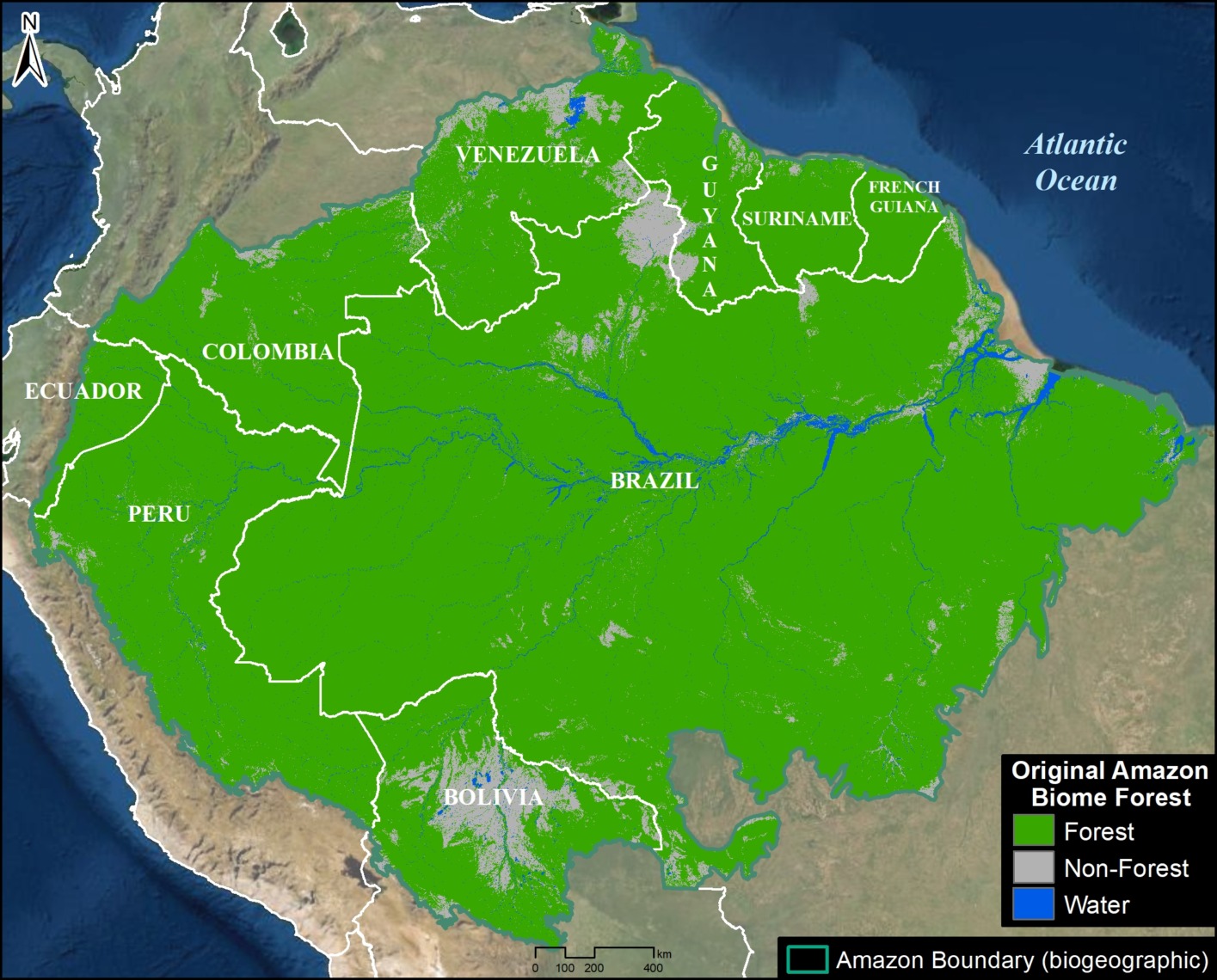
When we ask “how big is the Amazon rainforest,” our minds typically gravitate toward geographic dimensions—the 6.7 million square kilometers of dense foliage sprawling across nine nations. However, in the modern financial landscape, the “size” of the Amazon is increasingly measured not just in hectares, but in its colossal impact on global markets, natural capital valuation, and the emerging carbon economy. For investors, economists, and business leaders, the Amazon represents one of the world’s most significant untapped and undervalued financial assets.
To understand the true scale of the Amazon is to recognize it as a foundational pillar of global economic stability. It is a biological engine that drives weather patterns essential for multi-billion dollar agricultural industries and a carbon sink that holds the key to the multi-trillion dollar net-zero transition. This article explores the economic dimensions of the Amazon, categorizing its “bigness” through the lens of natural capital, carbon sequestration markets, and the burgeoning bio-economy.
The Asset Value of the World’s Largest Biome
The traditional economic view of the Amazon often focused on the “liquidation value” of its resources—timber, gold, and land for cattle. However, contemporary business finance has shifted toward “Natural Capital,” a framework that assigns a monetary value to the environmental services provided by a living ecosystem. When viewed as a standing asset, the Amazon’s valuation dwarfs its value as cleared land.
Beyond Timber: Valuation of Ecosystem Services
The Amazon functions as a massive infrastructure project provided by nature. According to estimates by the World Bank and various environmental economic groups, the ecosystem services provided by the Amazon are worth approximately $8.2 billion annually for Brazil alone. This includes the regulation of the hydro-climatic cycle. The rainforest acts as a “flying river,” transporting moisture across the continent. This moisture is the primary driver of rainfall for the “Cerrado” region and the La Plata Basin, which are powerhouses of South American soy, corn, and beef production. Without the Amazon, the agricultural output of the entire continent—a multi-billion dollar export machine—would face systemic collapse.
The Amazon as a Global GDP Stabilizer
The scale of the Amazon’s influence extends to global commodity prices. By regulating regional climates and influencing global weather patterns, the rainforest acts as a buffer against extreme weather events that cause volatility in global food markets. For institutional investors, the Amazon is a hedge against climate-induced inflation. If the Amazon reaches a “tipping point” where it can no longer sustain itself, the resulting shift in global temperatures could lead to a permanent reduction in global GDP. In this sense, the Amazon is “too big to fail” from a purely fiscal perspective.
Carbon Markets and the Monetization of Sequestration
In the era of the Paris Agreement and corporate ESG (Environmental, Social, and Governance) mandates, “size” is measured in gigatons of carbon. The Amazon rainforest is the world’s largest terrestrial carbon laboratory, and its capacity to store carbon is its most liquid financial attribute in the 21st century.
The Scale of the Carbon Sink
The Amazon stores an estimated 150 to 200 billion tons of carbon in its biomass and soil. To put this into perspective within the “Money” niche, if we value this carbon at a conservative $30 per ton—a price often seen in voluntary carbon markets—the standing forest represents a latent asset worth between $4.5 trillion and $6 trillion. As carbon prices in regulated markets like the EU ETS (Emissions Trading System) fluctuate or rise, the “market cap” of the Amazon effectively increases. This makes the Amazon the largest single carbon-mitigation asset on the planet.
Sovereignty and the Rise of Green Bonds
For the nations that house the Amazon, particularly Brazil, Colombia, and Peru, the rainforest is becoming a cornerstone of sovereign finance. We are seeing the rise of “Green Bonds” and “Sustainability-Linked Bonds” where interest rates are tied to the preservation of the rainforest. This financial innovation allows these nations to access cheaper capital by leveraging their environmental stewardship. The scale of the Amazon allows these countries to negotiate from a position of strength, effectively turning their ecological “size” into fiscal leverage on the international stage.
The Bio-Economy: Investing in Untapped Genetic Wealth
Beyond carbon and climate, the Amazon’s size is defined by its biodiversity, which represents a literal goldmine for the pharmaceutical, cosmetic, and agricultural industries. This is the “Bio-Economy”—a sector where biological resources are converted into value-added products through innovation.
Pharmaceutical Potential and Intellectual Property
It is estimated that less than 1% of the Amazon’s flowering plants have been thoroughly researched for medicinal properties. Despite this, a significant portion of modern Western medicine is derived from rainforest precursors. The economic scale of this “genetic library” is nearly infinite. For venture capital and private equity firms, the Amazon represents a frontier for R&D. The discovery of a single new compound for oncology or neurology can result in a multi-billion dollar patent. The Amazon, therefore, is not just a forest; it is the world’s largest biological R&D lab.
Sustainable Agriculture and Regenerative Supply Chains
The Amazon’s size also offers a massive opportunity for the development of “non-timber forest products” (NTFPs). Products like acai, Brazil nuts, and sustainable cocoa already generate hundreds of millions in export revenue. However, the potential for a “standing forest economy” is much larger. By investing in regenerative supply chains, global brands can secure long-term access to high-demand organic products while meeting consumer demands for ethical sourcing. This transition represents a shift from extractive business models to circular ones, where the “size” of the forest’s output is limited only by our capacity for sustainable innovation.
Financial Risks: The Cost of the Tipping Point
In business finance, every asset carries risk. The Amazon is no different. The “bigness” of the Amazon also translates to the bigness of the risk if it is mismanaged. The concept of the “Amazon Tipping Point”—the moment where the forest becomes a savannah—is now a standard fixture in climate risk assessment for major financial institutions.
Calculating the Economic Impact of Deforestation
Deforestation is not just an environmental issue; it is a form of capital depreciation. When a hectare of the Amazon is burned, the world loses the future discounted value of its carbon sequestration, its moisture production, and its genetic potential. Economic models suggest that the total economic loss of reaching the Amazon tipping point could exceed $3.5 trillion over the next few decades. This includes the costs of infrastructure damage, lost agricultural productivity, and increased healthcare costs due to smoke and heat. For the financial sector, preventing this loss is a matter of prudent risk management.
Insurance and Climate Risk Assessment
The insurance industry is perhaps the most attuned to the scale of the Amazon. Actuaries are increasingly factoring the health of the Amazon into their models for property and casualty insurance in the Americas. A degraded Amazon leads to more frequent and severe droughts and floods, which in turn leads to higher insurance premiums and uninsurable assets. Therefore, the “size” of the Amazon is reflected in the premiums paid by businesses thousands of miles away. It is an interconnected financial system where the rainforest serves as the ultimate reinsurer of the global climate.

Conclusion: The New Metric of Magnitude
So, how big is the Amazon rainforest? From a financial perspective, it is a multi-trillion dollar asset class that underpins the global economy. Its “size” is found in the billions of tons of carbon it sequesters, the trillions of gallons of water it recirculates, and the infinite possibilities contained within its genetic code.
For the modern investor or business leader, understanding the Amazon requires moving beyond geography and into the realm of financial strategy. As we move toward a global economy that internalizes the cost of carbon and values natural capital, the Amazon will emerge not just as a geographic wonder, but as the most significant “Green Infrastructure” project on Earth. Protecting its scale is no longer an act of charity; it is a fundamental requirement for global financial stability and long-term economic growth. The true size of the Amazon is finally being recognized on the balance sheets of the world, marking a new era where nature and money are inextricably linked.
aViewFromTheCave is a participant in the Amazon Services LLC Associates Program, an affiliate advertising program designed to provide a means for sites to earn advertising fees by advertising and linking to Amazon.com. Amazon, the Amazon logo, AmazonSupply, and the AmazonSupply logo are trademarks of Amazon.com, Inc. or its affiliates. As an Amazon Associate we earn affiliate commissions from qualifying purchases.