
For many, the question “How are the stocks doing today?” is more than just a casual inquiry; it is a morning ritual, a pulse check on the global economy, and a direct look at the health of one’s personal financial future. In the modern era of instant information, the answer to this question changes by the second. However, understanding the stock market’s performance requires more than just looking at a flashing red or green number on a smartphone screen. It requires a deep dive into the indices, the macroeconomic drivers, and the strategic shifts that dictate the flow of trillions of dollars across the globe.
In this comprehensive analysis, we explore the current state of the markets, the factors influencing daily fluctuations, and how investors can interpret these movements to make informed financial decisions.
Decoding the Current Market Performance: Indices and Indicators
When we ask how stocks are performing, we are usually referring to the major indices. These are the benchmarks that represent the aggregate performance of various segments of the economy. Understanding the “Big Three” in the United States—the S&P 500, the Dow Jones Industrial Average, and the Nasdaq Composite—is essential for any investor.
Key Indices: S&P 500, Dow, and Nasdaq
The S&P 500 is often considered the most accurate reflection of the U.S. stock market. Comprising 500 of the largest publicly traded companies, it is a market-capitalization-weighted index. When the S&P 500 is “up,” it generally signals broad-based investor confidence in the American corporate landscape.
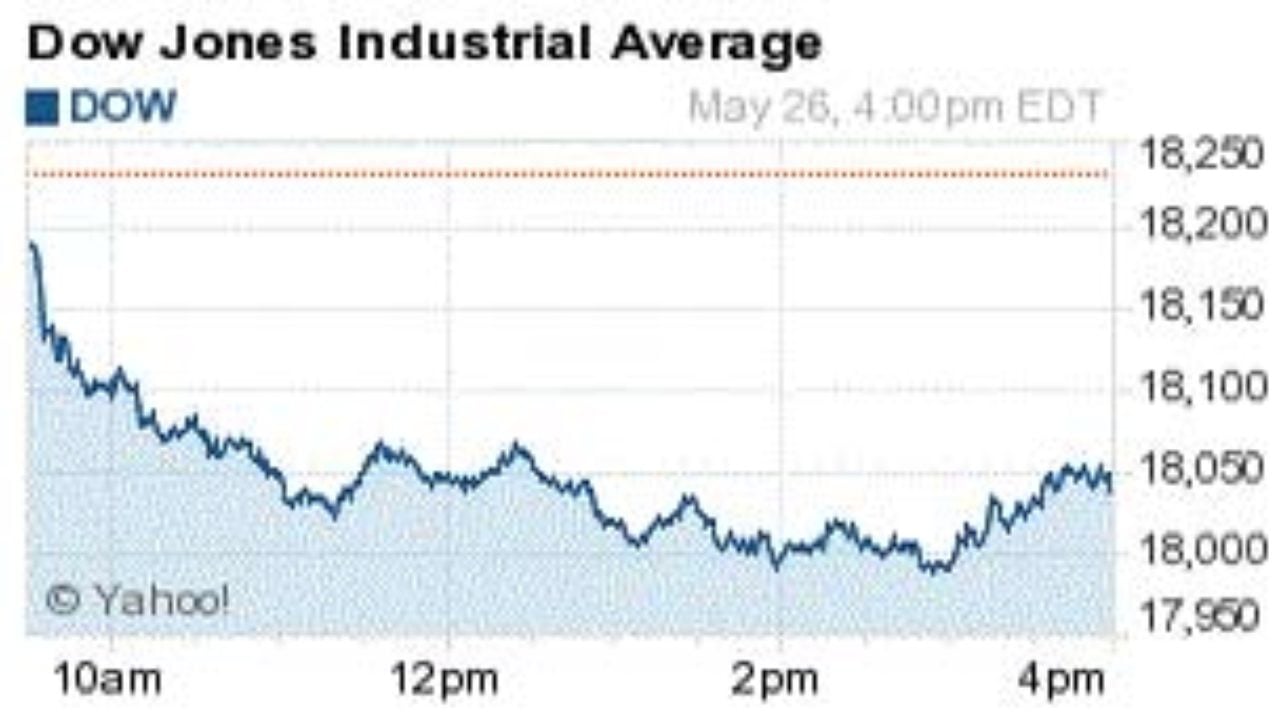
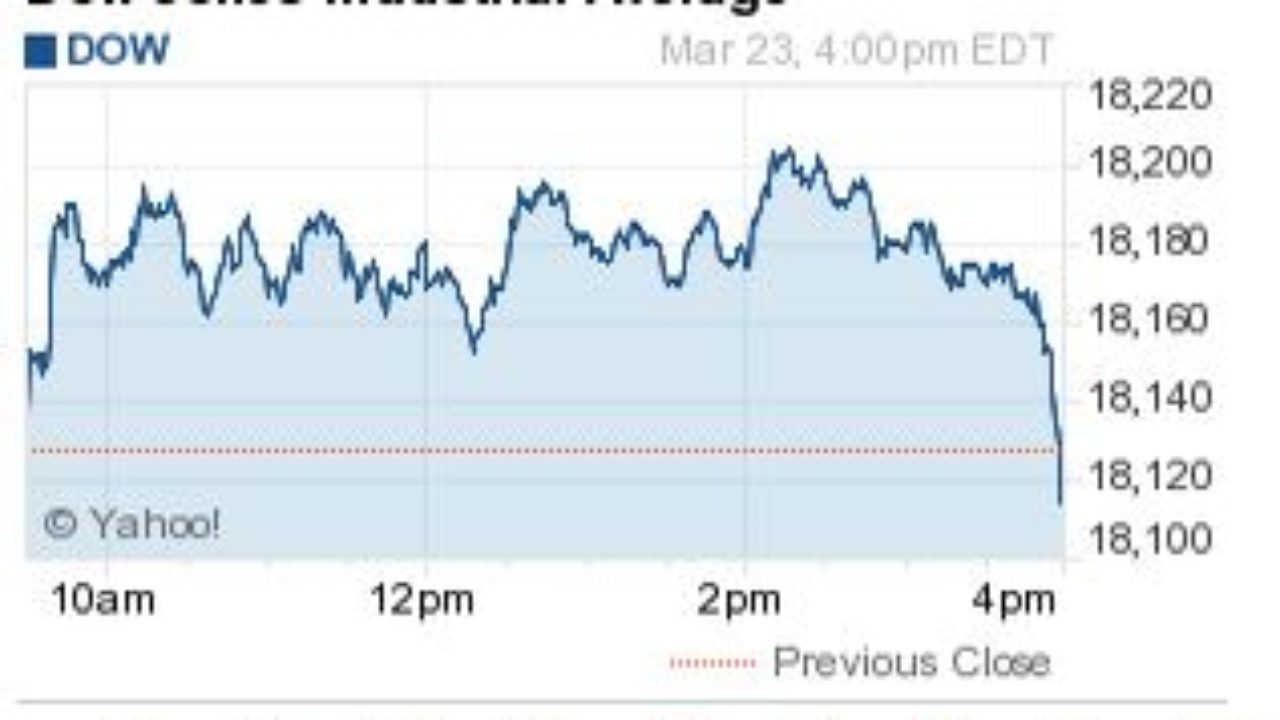
The Dow Jones Industrial Average (DJIA), meanwhile, is a price-weighted index of 30 “blue-chip” companies. While less comprehensive than the S&P 500, the Dow provides a snapshot of the industrial and consumer giants that have historically anchored the economy. Finally, the Nasdaq Composite is heavily weighted toward the technology and growth sectors. Its performance often dictates the sentiment regarding innovation, AI development, and future-forward enterprise software.
Sector Rotation and Leading Industries
Market performance is rarely uniform. On any given day, while the overall index might be flat, there is significant “rotation” happening under the surface. Sector rotation occurs when investors move money from one industry to another based on the economic cycle. For instance, in an environment of rising interest rates, capital often flows out of high-growth tech stocks and into “defensive” sectors like Utilities, Healthcare, or Consumer Staples. Conversely, in a burgeoning bull market, Tech and Discretionary sectors tend to lead. Monitoring which sectors are outperforming provides a clear roadmap of where professional “smart money” is moving.
Macroeconomic Catalysts Driving Volatility
Stock prices do not move in a vacuum. They are the result of millions of participants reacting to macroeconomic data. Today’s market is particularly sensitive to a few specific “gravity-defining” forces that dictate whether the charts trend upward or downward.
The Role of Central Bank Policy and Interest Rates
The Federal Reserve (the “Fed”) is perhaps the most influential entity in the financial world. The primary tool at their disposal is the federal funds rate. When the Fed raises interest rates to combat inflation, borrowing becomes more expensive for companies and consumers. This typically leads to a cooling of the stock market as future corporate earnings are discounted at a higher rate.
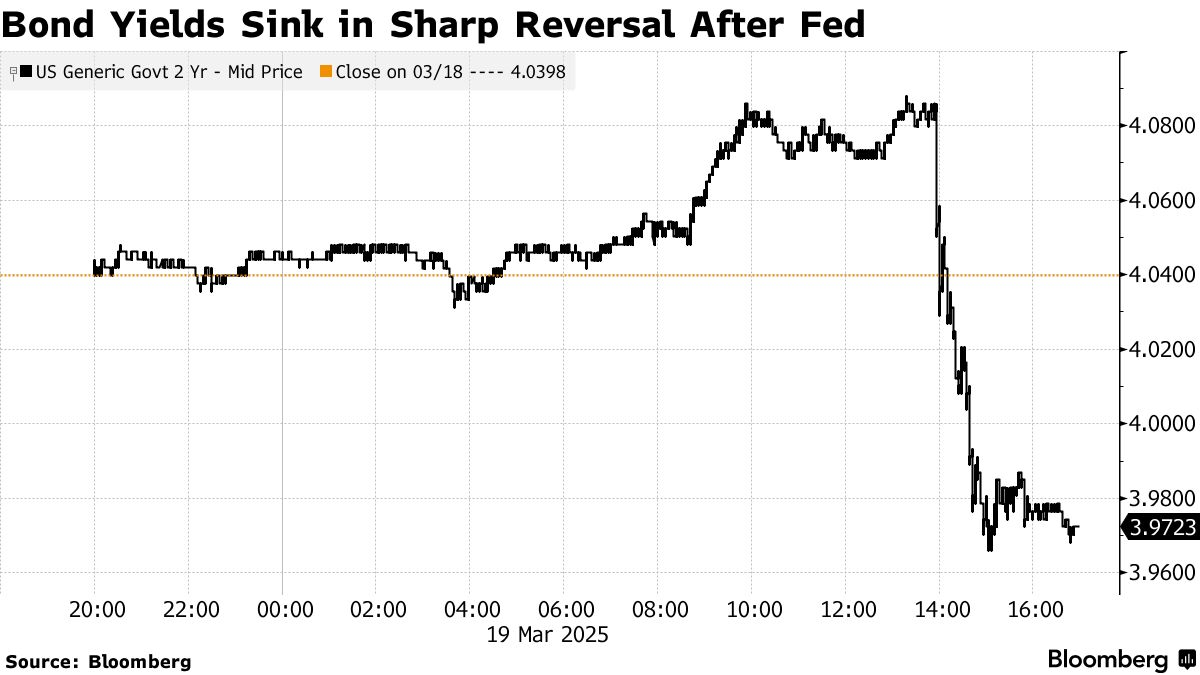
Investors today are hyper-focused on “Fed speak”—the public comments made by central bank officials. A single hint that the Fed might pause rate hikes or, conversely, keep them “higher for longer” can cause a 2% swing in the market within minutes. Understanding the relationship between bond yields and stock prices is crucial; when yields on the 10-year Treasury note rise, it often puts downward pressure on equity valuations.
Inflationary Pressures and Consumer Sentiment
Inflation, measured by the Consumer Price Index (CPI) and Personal Consumption Expenditures (PCE), remains a primary driver of market sentiment. If inflation data comes in higher than expected, the market often reacts negatively, fearing that the central bank will need to tighten monetary policy further.
However, the “Money” niche isn’t just about cold data; it’s about psychology. Consumer sentiment—how the average person feels about their job security and spending power—feeds directly into corporate earnings. Since consumer spending accounts for approximately 70% of the U.S. GDP, any dip in sentiment can lead to a sell-off in retail and travel stocks, even if the broader tech sector remains resilient.
Strategic Investing in Today’s Economic Climate
Knowing how the stocks are doing is only half the battle; knowing what to do with that information is what separates successful investors from speculators. In a volatile market, strategy becomes the ultimate hedge against anxiety.
Long-term Growth vs. Short-term Speculation
The noise of daily market fluctuations can be deafening. For the individual investor, it is vital to distinguish between “market noise” and “market signals.” Short-term speculation involves trying to “time the market”—buying at the exact bottom and selling at the top. This is notoriously difficult, even for professional hedge fund managers.
Instead, the “Money” strategy that consistently wins is focusing on long-term growth. This involves looking at the fundamental health of a company—its balance sheet, its competitive advantage (or “moat”), and its cash flow. When the market is “down” today, the long-term investor sees an opportunity to buy high-quality assets at a discount. This philosophy, championed by investors like Warren Buffett, emphasizes that price is what you pay, but value is what you get.
The Importance of Diversification and Risk Management
One of the most dangerous mistakes an investor can make is having an overly concentrated portfolio. If your “stocks today” are all in the high-growth tech sector, a single regulatory change or a shift in interest rates could wipe out a significant portion of your wealth.
Effective risk management requires diversification across asset classes (stocks, bonds, real estate, and cash) and across sectors. A diversified portfolio ensures that the gains in one area—such as Energy or Materials—can offset the temporary losses in another—such as Financials or Technology. Furthermore, employing techniques like “Dollar Cost Averaging” (investing a fixed amount of money at regular intervals regardless of the price) helps mitigate the risk of investing a large sum right before a market downturn.
Modern Tools for Real-Time Market Analysis
In the past, stock market data was the exclusive province of Wall Street elites with expensive Bloomberg terminals. Today, the democratization of financial data has empowered the retail investor with tools that provide real-time insights into how stocks are doing.
Leveraging Financial Dashboards and Algorithmic Tracking
Modern investors use a variety of financial dashboards to track their portfolios. Platforms like Morningstar, Yahoo Finance, and specialized brokerage apps provide real-time “heat maps” of the market. These heat maps allow you to see at a glance which sectors are “green” (gaining) and which are “red” (losing).
Moreover, the rise of algorithmic and high-frequency trading means that markets move faster than ever. Many investors now use “screeners” to filter stocks based on specific financial metrics, such as the Price-to-Earnings (P/E) ratio, Debt-to-Equity ratio, or dividend yield. These tools allow for a more clinical, data-driven approach to investing, removing the emotional bias that often leads to poor financial decisions.
Interpreting Technical Indicators for Retail Investors
While fundamental analysis looks at a company’s business, technical analysis looks at the stock’s price movement and volume. Retail investors increasingly use indicators like the 50-day and 200-day Moving Averages to determine the “trend” of a stock. If a stock price is above its 200-day moving average, it is generally considered to be in a long-term uptrend.
Other indicators, such as the Relative Strength Index (RSI), help identify if a stock is “overbought” (meaning it might be due for a price drop) or “oversold” (meaning it might be a bargain). By combining these technical tools with an understanding of broad economic trends, an investor can develop a much clearer picture of the market’s daily health.
Outlook: What to Expect in the Coming Quarter
As we look toward the future, the question of “how the stocks are doing” will be answered by a few key upcoming events. The transition from one fiscal quarter to the next is always a period of heightened sensitivity and potential reward.
Earnings Season Projections
Four times a year, publicly traded companies release their quarterly earnings reports. This is the “moment of truth” for the market. Analysts set expectations for revenue and profit, and if a company misses these targets—or provides “weak guidance” for the future—its stock price can plummet, regardless of how the broader market is performing.
In the coming months, investors will be looking closely at corporate margins. As labor and raw material costs have risen, have companies been able to pass those costs on to consumers, or are their profits being squeezed? The answer to this will determine the direction of the market for the remainder of the year.
Global Geopolitical Impact on Domestic Equities
Finally, we must acknowledge the impact of global events. In an interconnected global economy, a conflict in Eastern Europe, a trade dispute in Asia, or a change in energy production in the Middle East ripples through the New York Stock Exchange. Geopolitical stability is a “hidden” factor in market performance.
Investors should keep an eye on international trade policies and currency fluctuations. A strong U.S. dollar, for instance, can be a double-edged sword: it makes imports cheaper but hurts the earnings of American multinational corporations that do business abroad.
In conclusion, “how the stocks are doing today” is a complex mosaic of interest rates, corporate earnings, investor psychology, and global politics. By moving beyond the surface-level numbers and understanding the structural forces at play, you can transform from a passive observer of the market into a strategic participant in your own financial destiny. Wealth is rarely built on a single “green” day; it is built through the disciplined application of sound financial principles over time.
aViewFromTheCave is a participant in the Amazon Services LLC Associates Program, an affiliate advertising program designed to provide a means for sites to earn advertising fees by advertising and linking to Amazon.com. Amazon, the Amazon logo, AmazonSupply, and the AmazonSupply logo are trademarks of Amazon.com, Inc. or its affiliates. As an Amazon Associate we earn affiliate commissions from qualifying purchases.