
The sun, an inexhaustible source of energy, has long captivated humanity. In an era increasingly defined by technological innovation, environmental consciousness, and the relentless pursuit of financial efficiency, harnessing solar power has transitioned from a niche concept to a mainstream imperative. Solar panels, those sleek, shimmering arrays often seen adorning rooftops, represent a tangible commitment to sustainability and energy independence. But for many, the actual process of getting these marvels of engineering onto a home or business remains a mystery. How exactly are solar panels installed? This question opens the door to understanding not just a technical procedure, but a journey encompassing strategic planning, cutting-edge technology, significant financial considerations, and the intricate branding of a growing industry.

This comprehensive guide will demystify the solar panel installation process, breaking it down into manageable steps. We’ll delve into the preparatory stages, walk through the physical installation, explore what happens post-installation, and critically examine how technology, brand, and money intertwine to define the modern solar experience. Whether you’re a homeowner contemplating the switch, a business exploring sustainable practices, or simply curious about the mechanics of green energy, understanding this process is key to appreciating the power of solar.
The Foundation: Planning and Preparation for Your Solar Journey
Embarking on the solar journey is far more than just bolting panels to a roof; it’s a strategic undertaking that begins long before any hardware arrives. This foundational phase is crucial for ensuring the system is optimized for your specific needs, compliant with regulations, and financially viable.
Initial Assessment: Understanding Your Energy Needs and Site Viability
The first step involves a detailed evaluation of your current energy consumption and the suitability of your property for solar installation. Reputable solar companies typically start with a comprehensive site assessment, often leveraging advanced digital tools and satellite imagery even before an in-person visit.
- Energy Audit: This involves analyzing your past electricity bills to understand your average daily, monthly, and annual energy usage. This data is critical for sizing your solar system appropriately, ensuring it generates enough power to offset your consumption, or even produce a surplus. For businesses, this extends to understanding peak demand periods and operational energy requirements.
- Property Assessment: An expert will examine your roof’s condition, size, angle, and orientation. A south-facing roof in the Northern Hemisphere generally receives the most sunlight, but modern technology allows for efficient energy production from east- or west-facing roofs as well. Shading from trees, neighboring buildings, or other structures is meticulously mapped using sophisticated software, which can simulate sun paths throughout the year to identify potential obstructions and their impact on energy output. Drones equipped with high-resolution cameras are increasingly used for detailed roof inspections and thermal imaging to identify potential issues before installation.
- Structural Integrity: The roof structure must be robust enough to support the additional weight of solar panels and mounting equipment. Engineers often assess the roof’s load-bearing capacity and may recommend reinforcements if necessary, a critical safety and longevity consideration.
- Electrical Infrastructure: The existing electrical panel must be inspected to ensure it can safely handle the new solar system’s output and integration. Upgrades to the main service panel might be required, which adds to the overall project scope and cost.
Navigating the Bureaucracy: Permits, Incentives, and Financial Planning
Once the technical feasibility is confirmed, the administrative and financial planning phases begin. This is where the “Money” and often “Brand” aspects of the website’s themes come prominently into play.
- Permitting and Regulations: Solar installations require various permits from local municipal and utility authorities. These typically include electrical, building, and sometimes zoning permits. Navigating this bureaucratic maze can be complex and time-consuming. Most solar installers, particularly those with strong brand recognition, handle this process on behalf of their clients, streamlining the experience and ensuring compliance with all local codes and safety standards. This saves customers significant hassle and potential delays.
- Financial Incentives and Rebates: This is a major “Money” topic. Governments at federal, state, and local levels often offer a range of financial incentives to encourage solar adoption. These can include:
- Federal Tax Credits: Such as the Investment Tax Credit (ITC) in the U.S., which allows homeowners to deduct a percentage of the cost of installing a solar energy system from their federal taxes.
- State and Local Rebates: Specific programs that offer upfront cash rebates or performance-based incentives (like Solar Renewable Energy Credits, SRECs).
- Net Metering: Policies that allow solar owners to sell excess electricity generated by their panels back to the grid, receiving credits on their utility bills.
Understanding and applying for these incentives is crucial for maximizing the return on investment (ROI). Reputable installers are typically well-versed in these programs and can guide clients through the application process.
- Financing Options: The upfront cost of solar can be substantial, but numerous financing options make it accessible:
- Cash Purchase: Offers the highest ROI and full ownership.
- Solar Loans: Similar to a home improvement loan, allowing you to own the system and pay it off over time.
- Leases: You pay a fixed monthly fee to use the panels, and the solar company retains ownership. This typically offers lower upfront costs but less long-term savings.
- Power Purchase Agreements (PPAs): You pay for the electricity generated by the panels at a fixed rate, often lower than utility rates, while the solar company owns and maintains the system.
Choosing the right financing model requires careful consideration of personal financial goals and risk tolerance. Financial tools and calculators provided by solar companies or independent financial advisors can assist in these decisions.
Choosing Your Solar System: Technology and Installer Selection
The selection of solar panel technology and, crucially, the installer, significantly impacts system performance, aesthetics, and long-term satisfaction.
- Panel Technology: The market offers various types of solar panels, each with distinct characteristics:
- Monocrystalline: High efficiency, sleek black appearance, generally more expensive.
- Polycrystalline: Slightly lower efficiency, blue appearance, more budget-friendly.
- Thin-Film: Flexible, lighter, less efficient, often used in specific applications like RVs or certain commercial roofs.
- Newer Technologies: Perovskite, bifacial, and solar shingles are examples of emerging tech trends that promise higher efficiency, better aesthetics, or more versatile applications, fitting squarely within the “Tech” theme.
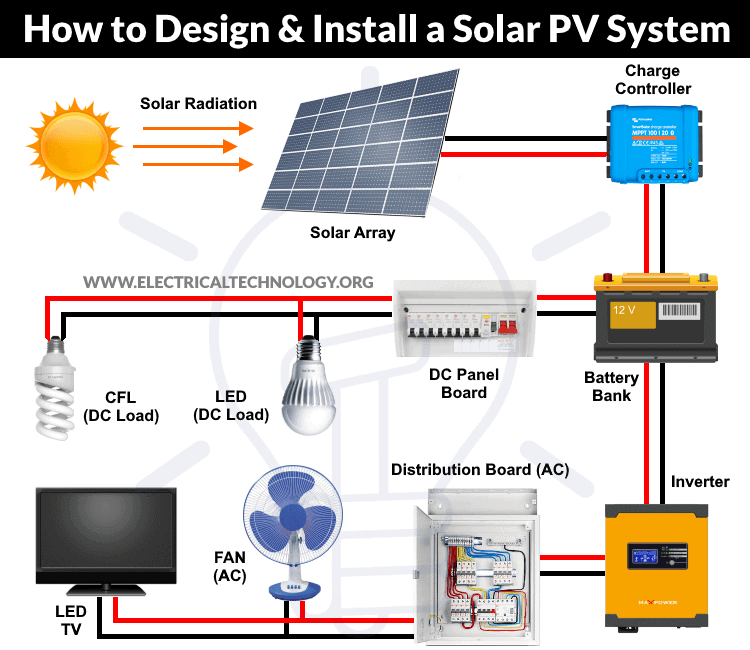
- Inverters: These critical devices convert the DC electricity generated by panels into AC electricity usable by your home and the grid. Options include:
- String Inverters: Most common, connecting multiple panels in a “string.”
- Microinverters: Installed on each panel, optimizing individual panel performance and offering enhanced monitoring capabilities. These are excellent examples of “Tech” advancements improving system resilience and data granularity.
- Power Optimizers: Combine aspects of both, often used with a central inverter.
- Battery Storage: For those seeking true energy independence or wanting to maximize self-consumption and guard against outages, battery storage solutions (like Tesla Powerwall or Enphase Encharge) are increasingly integrated. These intelligent systems manage energy flow, charging during peak solar production and discharging when needed, and represent a significant “Tech” upgrade.
- Installer Selection: This is where the “Brand” aspect is paramount. Choosing a reputable, experienced, and well-regarded installer is vital. Look for companies with:
- Strong Track Record and Certifications: NABCEP certification (North American Board of Certified Energy Practitioners) is a strong indicator of expertise.
- Transparent Pricing and Contracts: Avoid hidden fees.
- Excellent Customer Reviews and Case Studies: A strong brand builds trust through positive experiences.
- Comprehensive Warranties: Covering equipment, performance, and workmanship.
- Local Knowledge and Support: Understanding local regulations and having quick response times.
The Installation Process: From Roof to Grid Connection
With planning complete and all approvals in place, the physical installation can begin. This phase, while appearing straightforward, requires precision, adherence to safety protocols, and skilled craftsmanship.
Mounting the System: Securing the Foundation
The first tangible step of installation is preparing the roof and installing the racking system that will hold the panels.
- Roof Preparation: The installation team will ensure the roof surface is clean and ready. Any necessary repairs or replacements of roofing materials should ideally be completed before solar installation to avoid future complications.
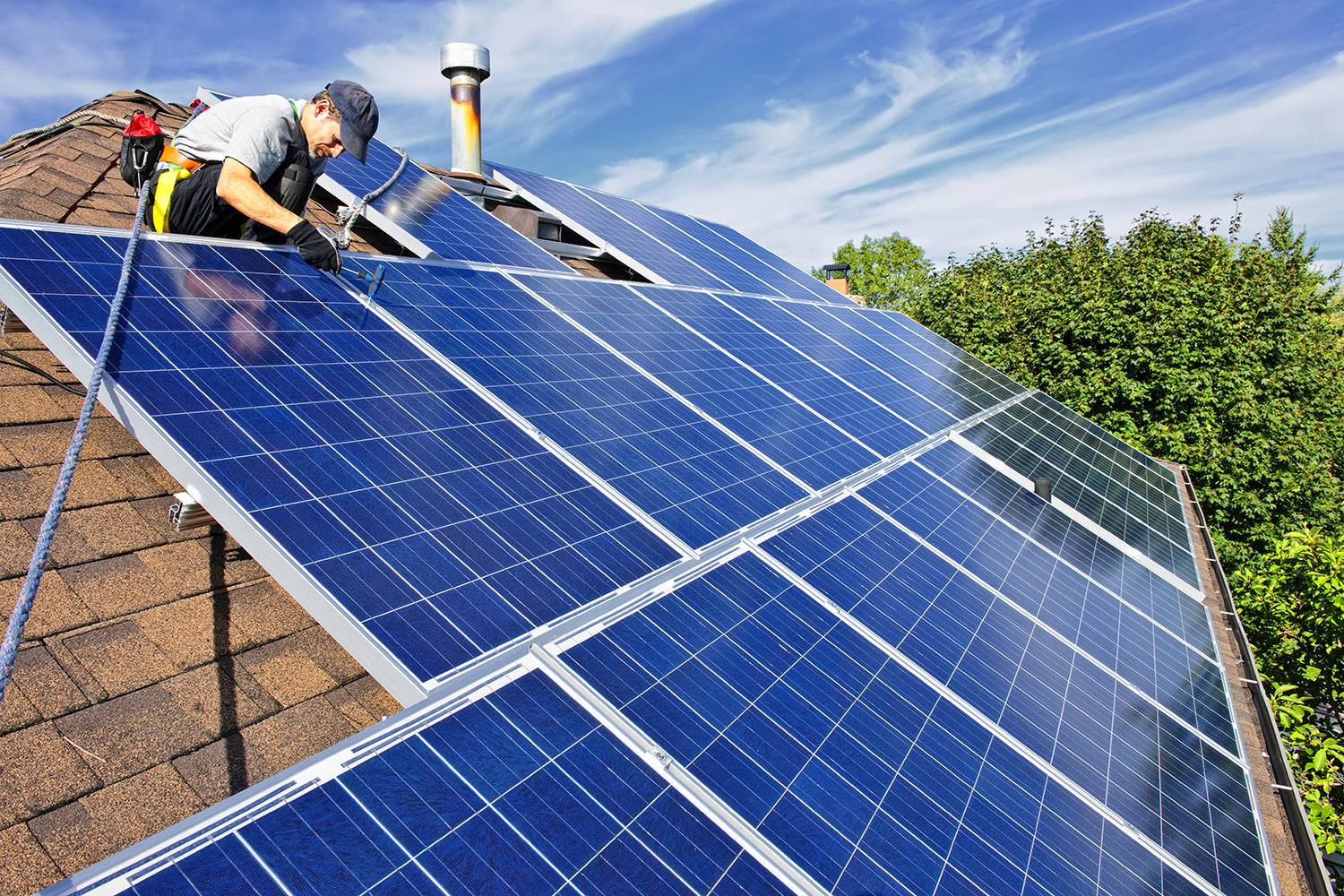
- Flashing and Stanchions: Technicians locate rafters and attach mounting brackets, or stanchions, directly to the roof structure. These attachments are sealed with flashing – typically metal plates integrated under the shingles – to prevent water penetration and maintain the roof’s integrity. This meticulous step is critical for avoiding leaks and ensuring the system’s longevity.
- Railing Installation: Aluminum rails are then secured to these stanchions. These rails form the framework upon which the solar panels will rest. They are designed to withstand local wind loads and seismic activity, ensuring the system remains firmly in place for decades.
Panel Placement and Electrical Integration
Once the racking is secure, the panels themselves are carefully lifted onto the roof and integrated into the electrical system.
- Panel Mounting: Individual solar panels are meticulously positioned onto the rails and clamped securely in place. Installers ensure proper spacing for ventilation and accessibility. This process requires a delicate touch and careful handling to prevent damage to the panels.
- Wiring the Panels: The panels are wired together, typically in “strings,” using specialized, weather-resistant DC cabling. This involves connecting the positive and negative terminals of each panel, creating a circuit that will feed electricity to the inverter. If microinverters are used, they are typically mounted directly beneath each panel and connected.
The Brains of the Operation: Inverters and Grid Connection
The heart of the solar electrical system lies in the inverter, which converts raw DC power into usable AC power for your home and the grid.
- Inverter Installation: The inverter (or multiple inverters for larger systems) is mounted in an accessible, often shaded location, such as a garage wall, basement, or outside near the main electrical panel. It’s connected to the DC wiring from the panels.
- AC Wiring to Main Panel: The inverter’s output, now AC electricity, is wired to the home’s main electrical service panel (breaker box). A new dedicated circuit breaker is installed in the panel to accommodate the solar system, ensuring safe integration and protection. This allows the solar-generated electricity to power the home’s appliances and lights.
- Utility Meter and Grid Connection: If your system includes net metering, the utility company may replace your existing meter with a bi-directional meter that can track both electricity consumed from the grid and excess electricity sent back to it. This connection to the grid allows you to take advantage of net metering policies and potentially earn credits.
Final Checks and Commissioning
Before the system is officially energized, a series of rigorous checks are performed to ensure everything is working correctly and safely.
- System Testing: Installers perform electrical tests to verify all connections are secure, voltage and current levels are correct, and no faults exist. They will test the inverter and confirm it’s communicating properly.
- Inspection and Approval: Local building and electrical inspectors will conduct a final inspection to ensure the installation complies with all codes and safety standards. This is a critical regulatory step.
- System Commissioning: Once all inspections are passed, and utility permission to operate (PTO) is granted, the system is turned on. The installer will typically walk the homeowner through how to monitor their system’s performance, often using a mobile app or online dashboard. This “Tech” aspect of monitoring provides real-time data on energy production and consumption, allowing users to track their savings and environmental impact.
Beyond Installation: Monitoring, Maintenance, and Maximizing Your Investment
The installation marks the beginning, not the end, of your solar journey. Post-installation, the focus shifts to ensuring optimal performance, longevity, and realizing the full financial and environmental benefits.
Smart Energy Management: Tech Tools for Monitoring and Optimization
Modern solar systems are inherently “Tech”-driven, offering sophisticated monitoring capabilities.
- Real-time Performance Tracking: Most systems come with online portals or mobile apps that allow homeowners to monitor their panels’ energy production in real-time. This includes daily, weekly, monthly, and annual generation data, often broken down by individual panel for microinverter systems. These apps provide invaluable insights into system health and performance.
- Troubleshooting and Alerts: These smart tools can also send alerts if a performance issue is detected, such as a panel underperforming or an inverter fault. This proactive approach helps in quickly addressing problems and minimizing downtime.
- Energy Consumption Analysis: Some advanced systems integrate with smart home devices, allowing users to track not just solar production but also household energy consumption. This data empowers users to make informed decisions about energy usage, optimizing self-consumption and further reducing reliance on the grid. Integrating AI tools could soon predict consumption patterns and automatically adjust energy flow, maximizing efficiency.
- Digital Security: As these systems become increasingly connected, digital security becomes a consideration. Reputable solar companies ensure their monitoring platforms are secure against cyber threats, protecting sensitive energy data.
Long-Term Performance and Maintenance
While solar panels are renowned for their low maintenance, some basic care ensures optimal performance over their 25-30+ year lifespan.
- Cleaning: Periodically, panels may benefit from cleaning to remove dirt, dust, pollen, or bird droppings that can reduce efficiency. In many regions, rainfall is sufficient, but in drier or dustier climates, a gentle rinse may be needed.
- Inspections: Annual or bi-annual professional inspections can identify potential issues like loose wiring, damaged panels, or inverter problems before they escalate.
- Tree Trimming: Keeping nearby trees trimmed to prevent new shading is essential for maintaining consistent energy production.
- Warranty Management: Understanding and leveraging your system’s warranties – covering performance, equipment, and workmanship – is crucial for long-term peace of mind and financial protection. A strong “Brand” offers robust warranty coverage.
The Financial Payback: ROI and Future-Proofing Your Assets
The “Money” aspect of solar continues long after the initial investment.
- Electricity Bill Savings: The most immediate and tangible financial benefit is the significant reduction, or even elimination, of monthly electricity bills. Over decades, these savings accumulate to substantial amounts.
- Increased Property Value: Studies consistently show that homes with owned solar panel systems have higher property values and sell faster than comparable non-solar homes. This adds a tangible asset value to your property.
- Energy Independence and Price Stability: Solar insulates you from volatile electricity price increases. You generate your own power, creating predictable energy costs for decades, a valuable hedge against inflation.
- Potential for Online Income/Side Hustles: For prosumers (producers + consumers) in areas with favorable net metering or SREC markets, selling excess electricity back to the grid can generate passive income. Furthermore, individuals with expertise in solar system design, installation oversight, or financial modeling can leverage this knowledge for consulting side hustles.
The Broader Impact: Tech, Brand, and Money in the Solar Ecosystem
The installation of solar panels is not just a personal endeavor; it’s a microcosm of larger trends shaping our world. The convergence of technology, brand identity, and financial strategy drives the innovation and adoption within the solar industry.
Technological Advancements Driving Solar’s Future
The “Tech” landscape of solar is dynamic and rapidly evolving.
- Efficiency Gains: Ongoing research is pushing the boundaries of panel efficiency, allowing more electricity to be generated from smaller footprints. This includes advancements in materials science, such as perovskite cells, and manufacturing processes.
- Smart Grid Integration: Future solar systems will be even more deeply integrated into smart grids, using AI and machine learning to predict energy demand, optimize storage, and balance grid loads. This represents a significant shift towards decentralized, intelligent energy networks.
- Aesthetic Integration: Solar technology is becoming more aesthetically pleasing and seamlessly integrated into building design, with innovations like solar shingles, transparent solar windows, and building-integrated photovoltaics (BIPV).
- Software and Apps: The proliferation of advanced software for system design, performance simulation, and real-time monitoring through intuitive apps continues to enhance the user experience and system efficiency, embodying productivity gains through technology.
The Power of Brand: Reputation and Trust in the Solar Industry
In a burgeoning market, “Brand” differentiation and trust are paramount for both manufacturers and installers.
- Manufacturer Reputation: Consumers increasingly prioritize solar panel brands known for reliability, efficiency, and robust warranties. A strong brand signifies quality engineering and a commitment to customer support, influencing purchasing decisions.
- Installer Credibility: The installer’s brand directly impacts the customer experience. Companies that prioritize transparency, clear communication, quality workmanship, and responsive post-installation service build strong reputations. Case studies and positive testimonials become powerful marketing tools, reinforcing corporate identity and attracting new clients.
- Corporate Social Responsibility (CSR): For businesses, adopting solar is not just about cost savings; it’s a powerful statement of corporate social responsibility. Aligning with a sustainable brand identity can enhance reputation, attract environmentally conscious customers, and improve employee morale.
Financial Empowerment: Solar as a Smart Investment Strategy
Beyond individual savings, solar power represents a compelling “Money” narrative of long-term investment and financial empowerment.
- Sustainable Investing: Investing in solar, whether directly through panel installation or indirectly through solar-focused funds, aligns with growing trends in ethical and sustainable investing. It’s an investment in both personal finance and planetary health.
- Market Growth and Economic Impact: The solar industry itself is a massive economic driver, creating jobs, fostering innovation, and attracting significant capital investment. Understanding its growth trajectory is key for those looking into related online income opportunities or business finance ventures.
- Diversification of Assets: For homeowners, solar panels can be seen as a tangible asset that diversifies their investment portfolio, offering a predictable return through energy savings that are immune to market volatility.
- Financial Tools and Planning: The complexity of incentives and financing models has led to the development of sophisticated financial tools that help individuals and businesses accurately project ROI, cash flows, and overall economic benefits, making the decision-making process more informed and productive.
In conclusion, the installation of solar panels is a multifaceted process that skillfully combines advanced technology, meticulous planning, precise execution, and significant financial acumen. It’s a testament to human ingenuity in harnessing natural resources, transforming sunlight into tangible energy, and empowering individuals and businesses with greater control over their energy future. As the world continues its pivot towards sustainable practices, understanding “how solar panels are installed” becomes not just a technical inquiry, but a gateway to appreciating a profound shift in how we power our lives and build our future.
aViewFromTheCave is a participant in the Amazon Services LLC Associates Program, an affiliate advertising program designed to provide a means for sites to earn advertising fees by advertising and linking to Amazon.com. Amazon, the Amazon logo, AmazonSupply, and the AmazonSupply logo are trademarks of Amazon.com, Inc. or its affiliates. As an Amazon Associate we earn affiliate commissions from qualifying purchases.