
For many car owners, their license plate is more than just a legal requirement for operating a vehicle on public roads. It can be a symbol of pride, a connection to a cherished memory, or simply a design they find aesthetically pleasing. The question then arises: when it’s time to purchase a new vehicle or transfer ownership, can you hold onto your beloved license plate? This article delves into the regulations surrounding license plate retention across the United States, focusing on the financial implications and practical considerations for car owners looking to keep their personalized or special-issue plates.
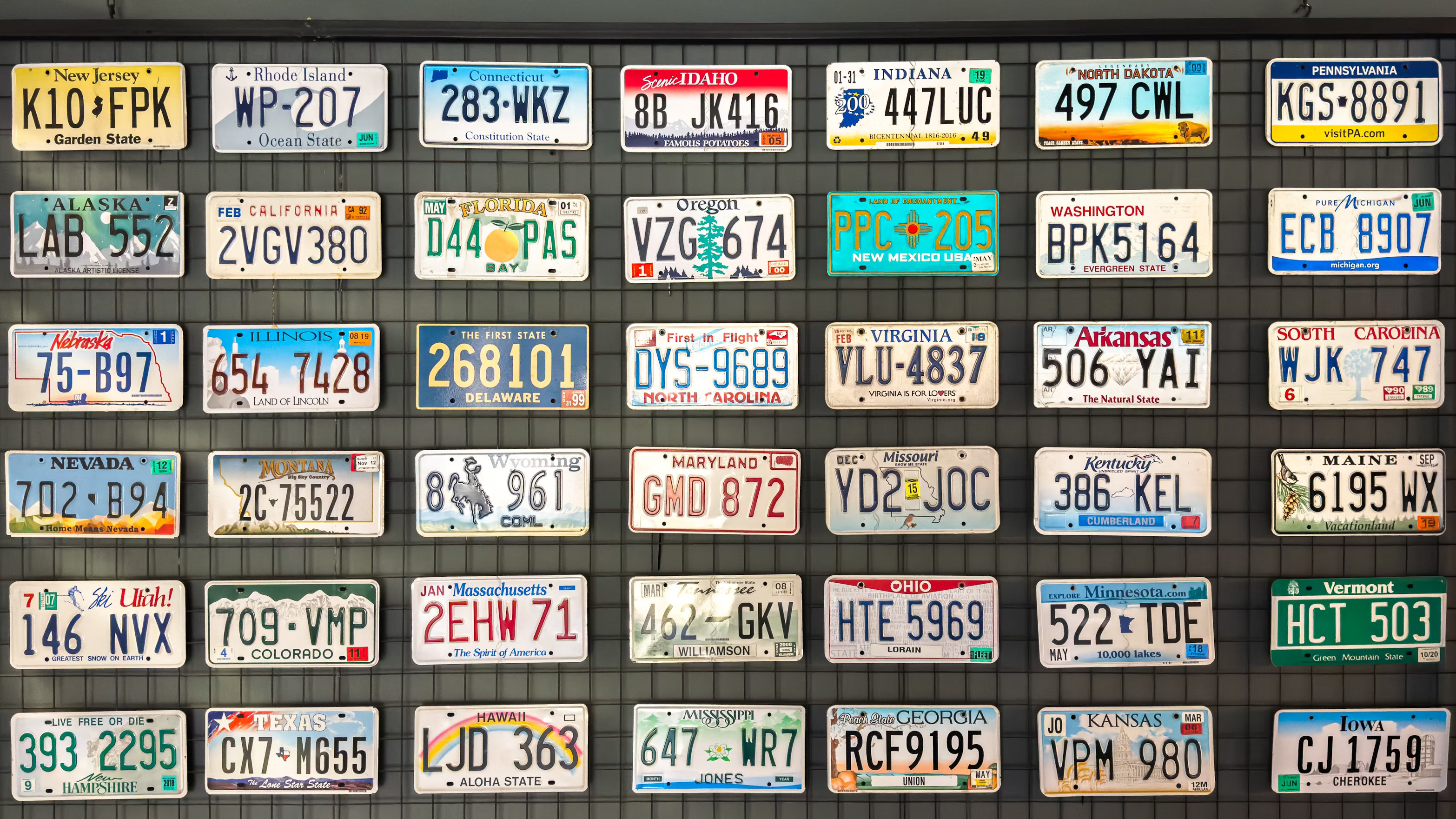
Understanding License Plate Ownership and Transferability
The fundamental principle governing license plates is that they are issued by a state’s Department of Motor Vehicles (DMV) or equivalent agency and are generally tied to the registered vehicle, not the owner. However, many states have recognized the sentimental and personal value plates can hold and have implemented provisions for owners to retain them under specific circumstances. Understanding the nuances of this process is crucial to avoid disappointment and ensure compliance with state laws.
The Concept of “Plate Retention”
“Plate retention,” or “keeping your license plate,” refers to the legal ability of a vehicle owner to detach a current license plate from a sold or retired vehicle and attach it to a newly acquired vehicle or a different vehicle they own. This is distinct from simply transferring a plate to a new owner of the same vehicle. The ability to retain a plate typically hinges on whether the plate itself is considered “personal” or “special issue” and whether the state’s regulations permit this transfer.
Why States Allow Plate Retention (From a Financial and User Perspective)
The primary motivation for states to allow license plate retention is to enhance customer satisfaction and loyalty. For car owners who have invested in personalized plates (often incurring additional fees), the ability to keep them provides a sense of continuity and personalization that would otherwise be lost. This can translate into fewer administrative hurdles for the DMV, as fewer new plates need to be manufactured and issued for retained plates.
From a financial standpoint for the owner, retaining a plate can save them the initial application fees associated with a new personalized or specialty plate. While there might be transfer fees or annual renewal fees that remain, avoiding the upfront cost of a completely new set of plates can be a tangible saving, particularly for individuals who frequently change vehicles. Furthermore, special-issue plates, such as those supporting charities or commemorating historical events, often come with higher initial costs, making their retention even more financially appealing.
Distinguishing Between Standard and Personalized Plates
It’s important to differentiate between standard, state-issued license plates and personalized or specialty plates. Standard plates are typically assigned sequentially and are generally not retainable by the owner. When a vehicle is sold, the standard plates usually remain with the vehicle unless the state explicitly allows for their transfer in specific scenarios (which is rare).
Personalized plates, often referred to as “vanity plates,” allow owners to select their own combination of letters and numbers, subject to certain restrictions and often at an additional cost. These are the plates most commonly eligible for retention. Similarly, specialty plates, which might feature unique designs, support specific causes (like environmental initiatives or university alumni groups), or signify a vehicle’s historical status, are also often candidates for retention. The financial investment and personal attachment to these plates are the driving forces behind state policies allowing their retention.
States That Allow License Plate Retention: A Comprehensive Overview
The landscape of license plate retention varies significantly from state to state. Some states have very lenient policies, while others are quite restrictive. Understanding the specific regulations of your state of residence is paramount.
States with Generally Permissive Plate Retention Policies
Several states have established robust systems that make it relatively straightforward for vehicle owners to retain their personalized or specialty license plates. These states often view plates as the property of the owner once purchased, especially if they have paid extra for personalization or specific designs.
- California: California allows owners to transfer personalized and special interest plates to a new vehicle, provided the plate configuration is available. There are transfer fees involved, and the owner must maintain continuous registration of the plate.
- Texas: Texas also permits the transfer of personalized plates. Owners can retain their plates for a period, and there are fees associated with transferring them to a new vehicle. The key is to ensure the plate is properly retired from the old vehicle and then applied to the new one.
- Florida: Florida’s DMV allows owners to retain their personalized license plates. This typically involves notifying the state and paying applicable fees. The owner must ensure the plate is not assigned to a vehicle that is being permanently removed from registration.
- New York: New York offers plate retention for personalized plates. Owners need to follow specific procedures, which usually involve surrendering the old plates and then applying to have the personalized plate transferred to a new vehicle. There are associated fees.
- Pennsylvania: Pennsylvania permits the retention of personalized and special fund plates. The owner must notify the Department of Transportation and follow the prescribed process, which often includes fees.
States with Conditional or More Restrictive Policies
While many states are accommodating, some have stricter rules or conditions that must be met to retain a license plate. These conditions might include limitations on how long a plate can be held in reserve, specific requirements for the type of plate, or stricter documentation processes.
- Ohio: Ohio allows the transfer of personalized plates to a new vehicle. However, there are fees for the transfer, and the owner needs to follow the proper procedures to ensure the plate is not permanently retired.
- Georgia: Georgia permits the transfer of personalized tags. Owners can transfer them to a replacement vehicle. The process involves surrendering the old tag and applying for the transfer.
- Illinois: Illinois allows for the retention of personalized plates. Owners can transfer their plates to a new vehicle, but there are fees associated with this process.
- Michigan: Michigan permits the transfer of personalized plates. Owners can retain them when purchasing a new vehicle, but they must follow the state’s transfer procedures and pay applicable fees.
- Virginia: Virginia allows for the transfer of special plates and personalized plates. Owners can keep their plates when transferring to a new vehicle, but there are fees and specific steps to follow.
States Where Plate Retention is Generally Not Permitted (or Highly Limited)
In some states, the concept of license plate ownership is more strictly tied to the vehicle. Once a vehicle is sold or its registration is terminated, the plates are typically returned to the state and are not retainable by the individual.
- Alabama: In Alabama, license plates are generally considered state property and are assigned to a specific vehicle. When a vehicle is sold, the plates typically stay with the vehicle. Retaining a plate is highly unusual and generally not permitted for standard plates.
- Arkansas: Arkansas generally does not allow individuals to keep their license plates when selling a vehicle. The plates are usually returned to the Department of Finance and Administration.
- Kentucky: Similar to Alabama, Kentucky’s license plates are typically state property and are transferred with the vehicle. Special provisions for retention are rare.
- Mississippi: Mississippi generally requires license plates to be returned to the Department of Revenue when a vehicle is sold or when registration is cancelled.
The Financial and Practical Considerations of Keeping Your License Plate
Beyond the legal ability to retain a plate, there are several financial and practical aspects to consider. These include the costs involved, the administrative steps, and potential limitations.
Costs Associated with Plate Retention
While retaining a plate might save you the initial cost of a new personalized plate, it’s not always entirely free. Most states that allow plate retention will charge a transfer fee. This fee covers the administrative costs of processing the plate transfer and updating records. Additionally, if the new vehicle requires different registration classes or has different emissions testing requirements, there might be associated registration fees that are separate from the plate transfer fee.
- Transfer Fees: These vary by state but are typically a one-time fee to move the plate from one vehicle to another.
- Re-registration Fees: While you are keeping the plate, the new vehicle still needs to be registered. This may involve new license plate validation stickers and potential increases in registration fees based on the vehicle’s value, weight, or emissions.
- Personalization Renewal Fees: If your plate is personalized, you will likely continue to pay annual renewal fees for that personalization, in addition to standard registration fees.
Administrative Steps and Documentation
The process of retaining a license plate usually involves several administrative steps. It’s crucial to understand and follow these precisely to avoid any issues.
- Notify the DMV: Before or immediately after selling your old vehicle, you must inform your state’s DMV that you intend to retain your license plate. This usually involves filling out a specific form.
- Surrender Old Plates (if applicable): In some states, you may be required to physically surrender the old plates to the DMV, even if you intend to transfer them. This is often done when you register the new vehicle.
- Application for New Registration: When you purchase a new vehicle, you will need to register it. During this process, you will indicate your intention to use your retained license plate.
- Payment of Fees: You will need to pay all applicable transfer and registration fees at the time of registering the new vehicle.
- Obtain New Decals: You will receive new validation decals for your retained license plate to affix to the new vehicle.
It’s also important to note that many states have a grace period during which you can legally drive a new vehicle with temporary tags while the plate transfer is being processed. However, this period is usually limited, so prompt action is recommended.
Potential Limitations and Considerations
- Plate Availability: In some states, if the plate configuration you wish to retain is no longer considered “available” (perhaps it has been discontinued or is being used on another vehicle under a different owner), you may not be able to keep it.
- Vehicle Type: There might be restrictions on the type of vehicle to which a plate can be transferred. For instance, a plate registered for a passenger car might not be transferable to a commercial truck.
- Registration Status: To retain a plate, you generally must maintain continuous registration. Allowing your registration to lapse can result in the forfeiture of your right to keep the plate.
- Out-of-State Transfers: If you move to a new state, you will almost certainly need to obtain new license plates from your new state of residence. Most states do not allow the direct transfer of plates from another state.
Conclusion: Navigating the Path to Plate Retention
The ability to keep your old license plate is a valuable option for many car owners who cherish the personalization and identity their plates represent. While a significant number of states allow for this, the specific regulations and associated costs can vary widely. It is essential for any car owner considering this to thoroughly research their state’s Department of Motor Vehicles website or contact them directly. Understanding the rules, preparing the necessary documentation, and budgeting for any associated fees will ensure a smooth and successful transition, allowing you to keep your familiar plates on your new ride. This practice, while seemingly minor, plays a role in the personal connection owners have with their vehicles and the administrative flexibility offered by state motor vehicle agencies.
aViewFromTheCave is a participant in the Amazon Services LLC Associates Program, an affiliate advertising program designed to provide a means for sites to earn advertising fees by advertising and linking to Amazon.com. Amazon, the Amazon logo, AmazonSupply, and the AmazonSupply logo are trademarks of Amazon.com, Inc. or its affiliates. As an Amazon Associate we earn affiliate commissions from qualifying purchases.