
Navigating the complexities of “tax payable” is a fundamental skill in the world of personal and business finance. Whether you are an individual taxpayer, a freelancer navigating the gig economy, or a small business owner, the term “tax payable” represents a critical line item on your balance sheet: it is the total amount of tax debt you owe to government authorities based on your earnings and financial activities within a specific period.
Managing this liability effectively is not just about writing a check; it is about strategic cash flow management, understanding the tools at your disposal, and maintaining the financial health of your enterprise or household. This guide explores the multifaceted process of identifying, calculating, and settling your tax payable while optimizing your overall financial strategy.
Understanding Tax Payable and Your Financial Obligations
In the realm of personal finance and accounting, “tax payable” is categorized as a current liability. It signifies the gap between what you have already paid (through withholdings or estimates) and what you actually owe based on your final tax calculations. Understanding the nuances of this obligation is the first step toward proactive financial management.
Defining Tax Payable in Personal and Business Finance
Tax payable occurs when your tax liability for a given period exceeds the taxes you have already paid. For a salaried employee, this often happens if investment income, side hustles, or capital gains haven’t been fully accounted for via employer withholding. For a business, tax payable represents the calculated tax on net income that has yet to be remitted to the revenue service. Recognizing this as a debt is crucial; failing to account for it can lead to a “liquidity crunch” where you have the profit on paper but lack the cash to settle the debt.
Identifying Different Types of Tax Liabilities
Not all taxes are created equal. Depending on your financial profile, your tax payable may consist of several layers:
- Income Tax: The most common form, calculated on wages, interest, and dividends.
- Self-Employment Tax: A combination of Social Security and Medicare taxes for those who work for themselves.
- Capital Gains Tax: Owed when you sell an asset (like stocks or real estate) for more than its purchase price.
- Corporate Tax: Specific to incorporated businesses based on their annual profits.
The Importance of Accurate Record-Keeping
The precision of your tax payable calculation is entirely dependent on the quality of your financial records. Financial discipline requires tracking every source of income and every eligible deduction. By maintaining rigorous records—using digital ledgers or professional accounting software—you ensure that you aren’t overpaying or, conversely, under-reporting, which could lead to expensive audits and penalties.
Strategic Methods for Calculating and Paying Your Taxes
Once you have identified that you have a tax payable balance, the next step is the actual settlement. Modern financial systems offer a variety of ways to handle these payments, ranging from immediate digital transfers to structured long-term plans.
Electronic Filing and Digital Payment Portals
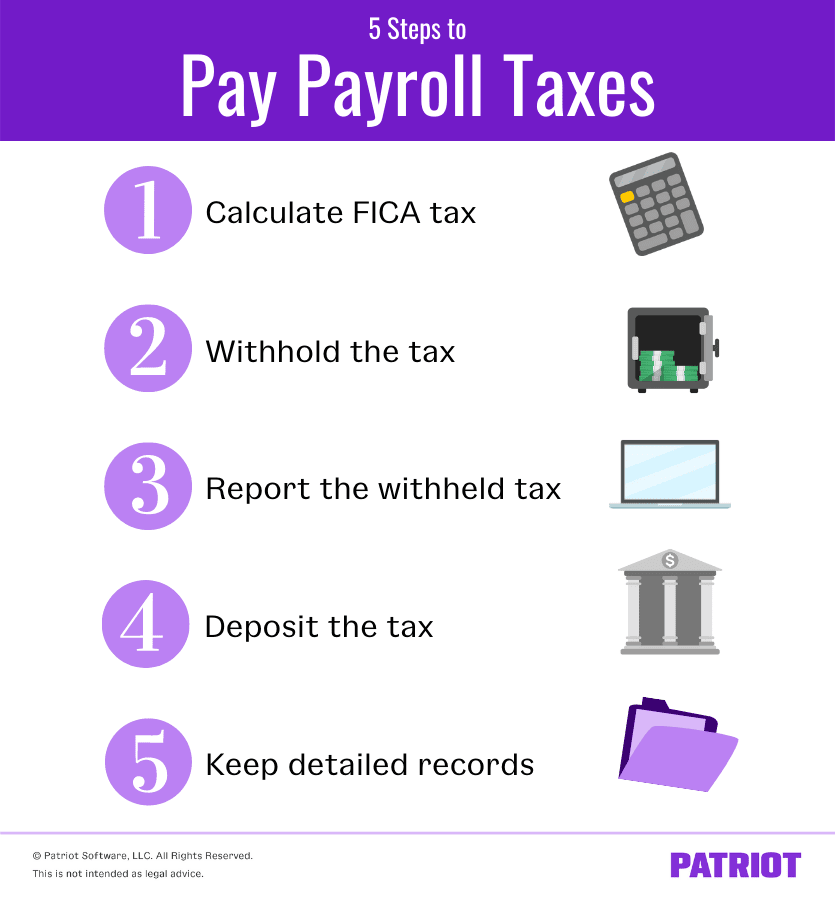
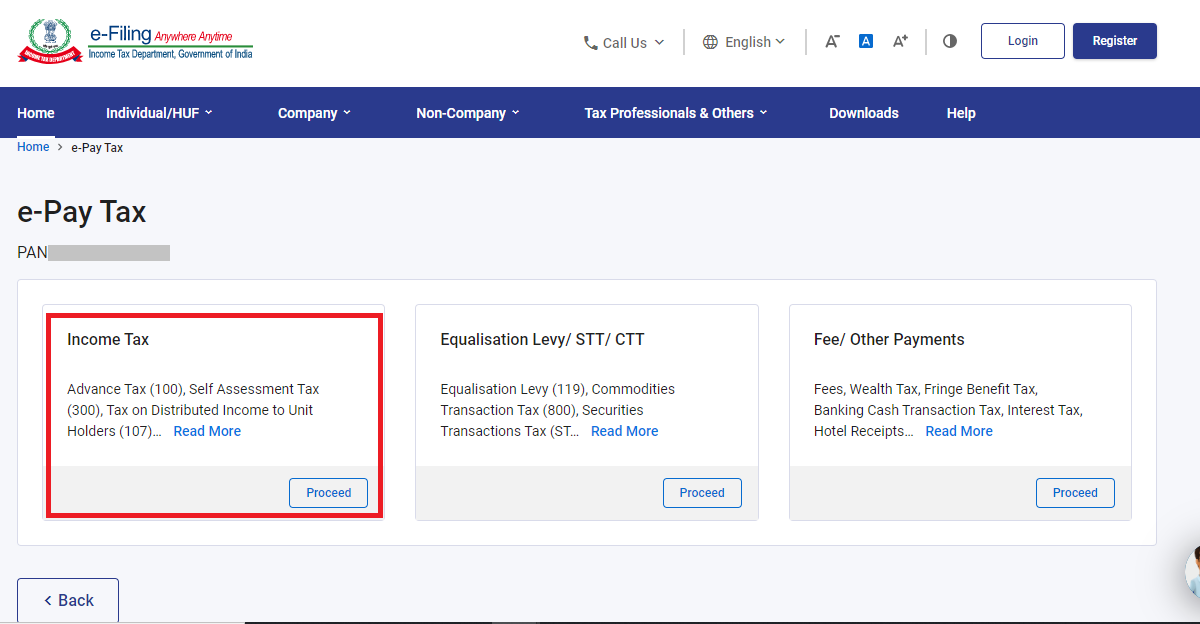
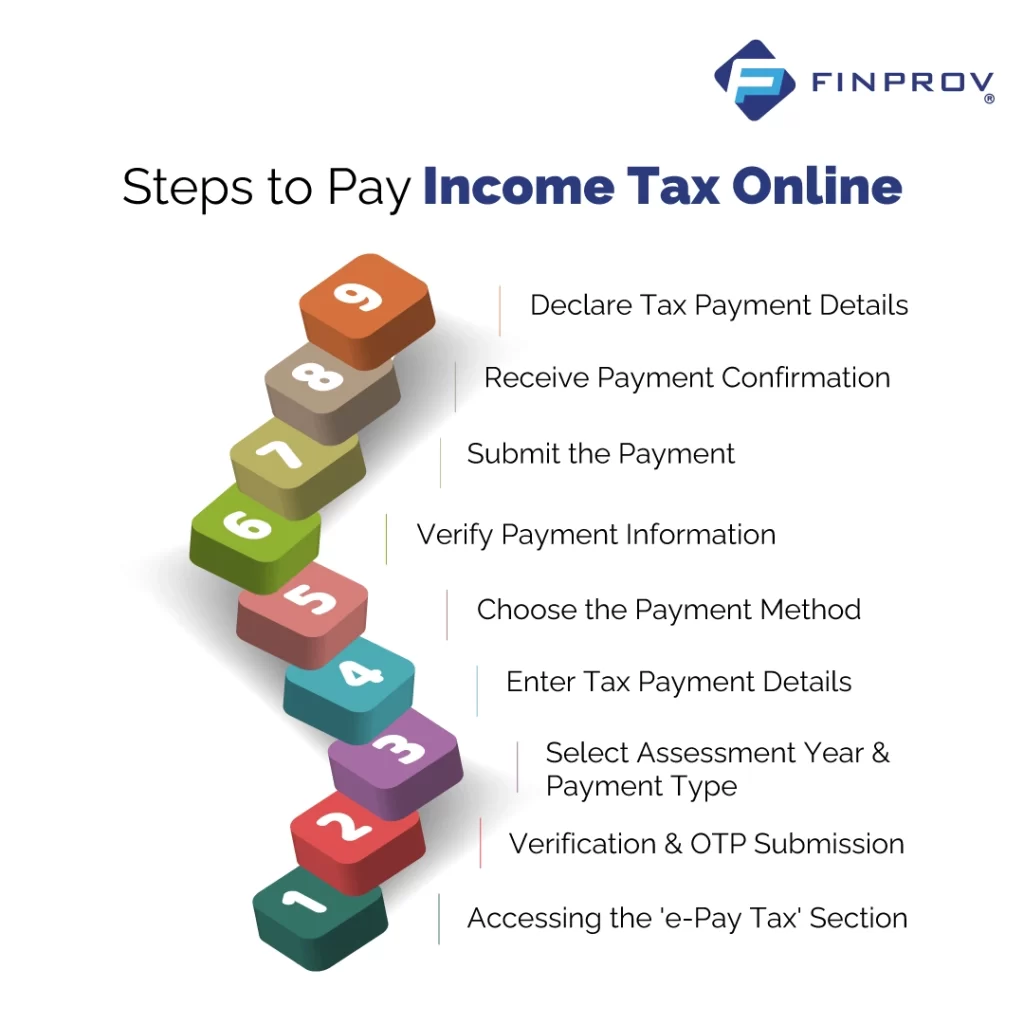
The most efficient way to pay tax payable is through authorized digital portals. Most modern tax authorities offer direct pay systems that link to your bank account via ACH transfer. Utilizing these platforms is a hallmark of good financial management because it provides an immediate electronic trail and ensures that payments are timestamped, protecting you from late-filing penalties. Furthermore, many systems allow you to schedule payments in advance, helping you time your outflows with your expected cash inflows.
Installment Agreements and Payment Plans
Sometimes, a sudden tax liability can exceed your immediate liquid cash. In the world of finance, this is handled through “structured debt.” Many tax agencies allow individuals and businesses to enter into installment agreements. While these often come with interest and a setup fee, they are a vital financial tool for maintaining solvency. By spreading the tax payable over several months or years, you can protect your working capital and avoid the catastrophic impact of a bank levy or a lien on your assets.
Utilizing Financial Tools for Tax Estimates
Professional finance involves looking forward, not just backward. High-income earners and business owners often use tax projection software to estimate their tax payable long before the filing deadline. By running mid-year “pro-forma” tax returns, you can adjust your savings or increase your estimated payments to ensure that when the final tax bill arrives, it is already largely covered. This proactive approach eliminates the “tax season shock” that derails many financial plans.
Optimizing Cash Flow to Meet Tax Deadlines
The biggest challenge with tax payable isn’t the calculation; it is the liquidity. Many profitable businesses have failed because they reinvested all their cash back into growth, leaving nothing to pay the “silent partner”—the government.
Building a Tax Reserve Fund
A cornerstone of personal and business finance is the “Tax Reserve.” This is a dedicated, high-yield savings account where a percentage of every dollar earned is immediately set aside. For freelancers, a common rule of thumb is to move 25–30% of every check into this account. By treating tax as an immediate expense rather than an end-of-year surprise, you ensure that the money is always available, and you can even earn a small amount of interest on that capital before it is due.
Balancing Business Expenses with Tax Liabilities
In business finance, there is often a tension between spending to grow and saving to pay taxes. Smart financial strategy involves timing your business expenses to lower your taxable income. For instance, if you anticipate a high tax payable balance, purchasing necessary equipment or investing in professional development before the end of the fiscal year can reduce your net profit, thereby reducing the amount of tax you owe. However, this must be balanced against your need for cash reserves.
The Role of Quarterly Estimated Payments
For those whose income is not subject to withholding, quarterly estimated payments are the primary tool for managing tax payable. Instead of one giant payment in April, the liability is broken into four manageable chunks. This keeps your “tax debt” low throughout the year and helps maintain a more accurate picture of your actual disposable income. It also prevents the underpayment penalties that tax authorities leverage against those who wait until the end of the year to settle their accounts.
Leveraging Professional Support and Financial Software
As your financial life becomes more complex, the “DIY” approach to tax payable can become a liability itself. Knowing when to bring in professional expertise is a sign of financial maturity.
When to Hire a CPA or Tax Professional
A Certified Public Accountant (CPA) or a tax strategist does more than just fill out forms. They analyze your financial situation to find legal ways to minimize your tax payable through credits, deductions, and structural changes (like changing a business entity type). In the long run, the fee paid to a professional is often eclipsed by the tax savings and the avoidance of costly errors.
Integrating Accounting Software for Seamless Compliance
In the modern era, managing tax payable is heavily reliant on financial technology. Tools like QuickBooks, Xero, or specialized tax software integrate directly with your bank accounts to categorize income and expenses in real-time. These tools can generate a “Tax Liability Report” at any moment, giving you a real-time view of your tax payable. This visibility is essential for making informed decisions about investments, hiring, and personal spending.
Navigating Late Payments and Penalties
Financial setbacks happen. If you find yourself with a tax payable balance you cannot pay, the worst financial move is to ignore it. Engaging with the tax authority early can lead to a “Notice of Tax Due” with waived penalties for first-time offenders. Understanding the hierarchy of penalties—from late filing (usually the most expensive) to late payment—allows you to prioritize your actions. Always file on time, even if you cannot pay, to minimize the financial damage.
Conclusion
Managing “how to pay tax payable” is a journey through the core principles of financial literacy. It requires a blend of disciplined record-keeping, strategic cash flow management, and the intelligent use of technology and professional advice. By viewing tax payable not as a burden but as a predictable financial obligation, you can build a robust framework that protects your assets and ensures your long-term financial stability. Whether through a dedicated tax reserve or automated quarterly payments, the goal remains the same: staying ahead of the curve and keeping your financial house in order.
aViewFromTheCave is a participant in the Amazon Services LLC Associates Program, an affiliate advertising program designed to provide a means for sites to earn advertising fees by advertising and linking to Amazon.com. Amazon, the Amazon logo, AmazonSupply, and the AmazonSupply logo are trademarks of Amazon.com, Inc. or its affiliates. As an Amazon Associate we earn affiliate commissions from qualifying purchases.