
For decades, the phrase “banker’s hours” was synonymous with a relaxed, limited schedule—typically 10:00 AM to 3:00 PM. However, in today’s hyper-connected, globalized economy, the question of “what time does the bank open” has become significantly more complex. While the physical doors of a local branch still follow specific schedules, the “bank” as a financial entity is now a 24/7 operation.
Understanding these schedules is not merely a matter of convenience; it is a critical component of effective personal and business finance management. Whether you are looking to secure a cashier’s check for a home closing, deposit large amounts of cash from a weekend business venture, or navigate the intricacies of international wire transfers, knowing when and how you can access your funds is paramount.

Understanding Standard Banking Hours in the Modern Era
Despite the digital revolution, physical bank branches remain essential for complex transactions, notary services, and safe deposit box access. Most traditional retail banks in the United States and Europe have moved away from the restrictive schedules of the past, but they still operate within relatively predictable windows.
The Typical Weekday Schedule
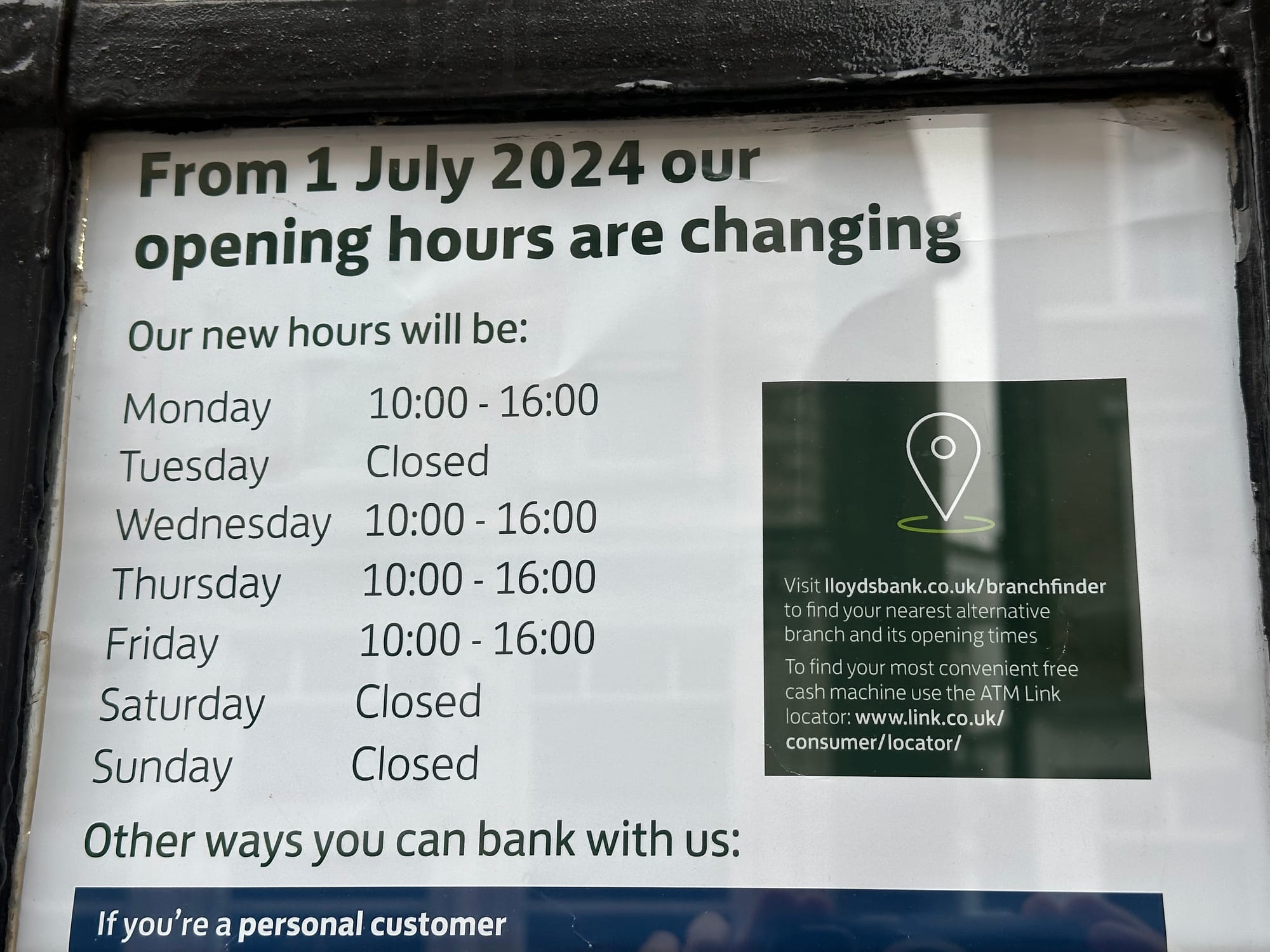
Most major retail banks, such as Chase, Bank of America, and Wells Fargo, typically open their doors between 8:00 AM and 9:00 AM and close between 4:00 PM and 6:00 PM, Monday through Friday. These hours are designed to accommodate the standard working professional, though they can vary significantly based on the branch’s location. Urban branches in high-traffic business districts may open earlier to serve commuters, while suburban branches might stay open later on Thursdays or Fridays to assist families.
Weekend and Holiday Exceptions
The “Saturday morning bank run” remains a staple for many. Many banks offer limited Saturday hours, often from 9:00 AM until 12:00 PM or 1:00 PM. Sunday remains the universal day of closure for the vast majority of physical banking institutions.
Furthermore, it is vital to keep a “Bank Holiday” calendar. In the U.S., financial institutions follow the Federal Reserve schedule. On days like Veterans Day, Columbus Day (Indigenous Peoples’ Day), or Presidents’ Day, physical branches will be closed, and more importantly, the “interbank” systems that move money between different institutions will also be paused.
Why Branch Hours Vary by Location
You may notice that a branch inside a grocery store has different hours than a standalone “brick-and-mortar” building. In-store branches often mirror the retail hours of the host store, sometimes staying open until 7:00 PM or 8:00 PM and even offering Sunday service. Conversely, branches located within corporate office towers may close strictly at 4:00 PM. Before making a trip, it is always advisable to use the bank’s mobile app or website “locator” tool, as these provide real-time updates on specific branch operations.
Beyond the Physical Branch: 24/7 Financial Access
While the question “what time does the bank open” usually refers to the lobby doors, the reality of modern personal finance is that the bank is always open in your pocket. The shift toward digital-first banking has redefined our relationship with financial schedules.
The Rise of Digital and Mobile Banking
Mobile banking apps have effectively rendered the physical opening time irrelevant for 90% of daily banking needs. Features like Mobile Check Deposit allow users to scan a check at 2:00 AM on a Sunday, initiating the process immediately. Transfers between accounts, bill payments, and credit card management can be handled instantaneously at any hour. For the modern consumer, the “opening time” is whenever they unlock their smartphone.
Leveraging ATMs and Interactive Teller Machines (ITMs)
The evolution of the ATM has been a game-changer for those who need more than just a cash withdrawal. Modern Interactive Teller Machines (ITMs) often offer extended hours—sometimes from 7:00 AM to 10:00 PM—allowing customers to speak with a live teller via video link. These machines can handle complex tasks like dispensing specific denominations of bills, accepting bulk cash deposits without envelopes, and processing loan payments, all outside of standard lobby hours.
Telephone Banking and AI Assistants
For those who prefer verbal interaction but cannot make it to a branch, telephone banking remains a robust tool. While live customer service agents may follow a set schedule (often 12 to 16 hours a day), automated voice response systems and AI-driven chatbots are available 24/7. These tools can provide balance updates, freeze lost debit cards, and authorize travel notices instantly, ensuring that your financial security is never dependent on a clock.
Strategic Financial Management: Timing Your Transactions
In the world of money management, “opening time” isn’t just about the doors—it’s about the “cut-off time.” To manage cash flow effectively, one must understand the difference between when a bank is open and when a transaction is actually processed.
Clearing Times and Processing Windows
Just because a bank opens at 9:00 AM doesn’t mean a deposit made at 9:05 AM will be available immediately. Most banks have a “daily cut-off time” (often 2:00 PM or 5:00 PM). Transactions made after this window are treated as if they occurred the following business day.
For personal finance enthusiasts, this is crucial for avoiding overdraft fees. If you have an automated mortgage payment due on a Tuesday, and you deposit funds on Monday evening after the cut-off, those funds might not “clear” in time to cover the Tuesday withdrawal. Understanding these internal cycles is the hallmark of a savvy financial manager.
Managing Business Deposits and Payroll
For business owners, the bank’s opening time dictates the start of the daily liquidity cycle. Large cash deposits should ideally be made during mid-morning lulls (between 10:00 AM and 11:30 AM) to avoid the lunch-hour rush and ensure the funds are logged into the day’s ledger. Furthermore, for those managing payroll via ACH (Automated Clearing House), the timing of your submission relative to the bank’s processing window determines whether your employees get paid on Friday morning or are left waiting until Monday.
Avoiding the “Friday Rush”
Statistically, Friday afternoons are the busiest times for physical bank branches. This is when individuals cash paychecks and businesses prepare for the weekend. If you require a service that takes time—such as opening a new investment account, discussing a small business loan, or accessing a safe deposit box—aim for Tuesday or Wednesday mornings. By timing your visit to the bank’s “off-peak” hours, you ensure better service and more focused attention from financial advisors.
Navigating Banking in the Global Economy
If you are involved in investing, forex trading, or international business, the question of “what time the bank opens” expands across time zones. The global financial system is a relay race, where one market opens as another closes.
Time Zones and International Transfers
When sending an international wire transfer (SWIFT), the opening times of the intermediary banks in different countries come into play. A wire sent from New York at 4:00 PM on a Friday will arrive in London long after the banks there have closed for the weekend. Because European banks will not be open again until Monday morning, that capital is essentially “in flight” and inaccessible for over 60 hours. High-net-worth individuals and corporate treasurers must plan their liquidity needs around these global opening and closing bells.
The Impact of Federal Holidays on Financial Markets
It is important to distinguish between “Retail Banking” and “The Fed.” Even if your local small-town bank chooses to stay open on a minor holiday, the Federal Reserve Bank may be closed. This means that while you can walk in and talk to a teller, your money won’t actually move to another institution until the Fed’s “opening time” the following day. This delay affects stock market settlements (T+2) and the availability of funds from liquidated assets.
The Future of the Bank Branch
As we look toward the future of personal and business finance, the traditional concept of “opening times” is being reimagined. The bank branch is evolving from a place where you perform transactions to a place where you seek expertise.
From Transaction Centers to Advisory Hubs
Many forward-thinking banks are redesigning their branches to look more like cafes or co-working spaces. These locations may have flexible hours that differ significantly from the 9-to-5 model. Some “flagship” branches are now staying open later into the evening specifically to host financial literacy workshops or one-on-one wealth management consultations. In this context, the bank “opens” not to take your deposit, but to help you plan your financial future.
Conclusion: Balancing Digital Convenience with Human Expertise
In summary, while the answer to “what time does the bank open” is usually “between 8:00 AM and 9:00 AM,” the true answer depends on your specific financial needs. For routine tasks, the bank is open 24/7 through your smartphone and ATM network. However, for the moments that require human judgment and complex processing, the physical branch remains a vital pillar.
By understanding the nuances of branch schedules, transaction cut-off times, and the digital tools at your disposal, you can ensure that your money is always working for you, regardless of what the sign on the front door says. Effective money management is about more than just earning and saving; it’s about mastering the systems that govern your access to those funds.
aViewFromTheCave is a participant in the Amazon Services LLC Associates Program, an affiliate advertising program designed to provide a means for sites to earn advertising fees by advertising and linking to Amazon.com. Amazon, the Amazon logo, AmazonSupply, and the AmazonSupply logo are trademarks of Amazon.com, Inc. or its affiliates. As an Amazon Associate we earn affiliate commissions from qualifying purchases.