
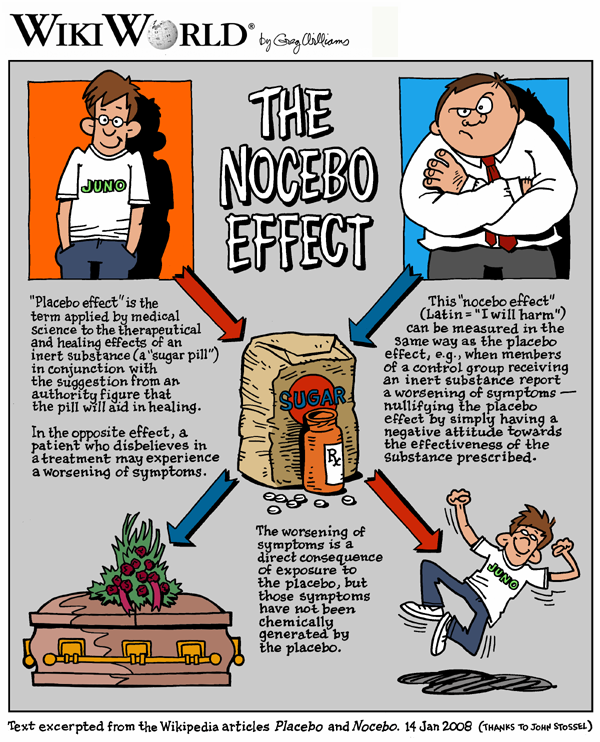
In the intricate world of finance, where market movements, investment decisions, and personal wealth accumulation are often viewed through a lens of rational analysis, there exists a powerful, yet often overlooked, psychological phenomenon: the nocebo effect. While its origins are typically discussed in medical contexts as the counterpoint to the placebo effect – where negative expectations lead to negative health outcomes – its influence profoundly impacts financial markets, individual investing habits, and entrepreneurial success. Fundamentally, the nocebo effect in finance describes how an individual’s or a collective’s negative beliefs, expectations, or anxieties about a financial situation can actually contribute to or cause adverse financial outcomes, even in the absence of objective, underlying negative conditions. It’s the power of negative suggestion manifesting as financial reality.
The Psychology of Financial Expectations
Understanding the nocebo effect in a financial context requires acknowledging the deep psychological undercurrents that drive economic behavior. Human decision-making is rarely purely rational; emotions, biases, and ingrained beliefs play a significant role, particularly when money is involved.
Understanding the Nocebo Phenomenon in Finance
At its core, the nocebo effect in finance is about anticipation of harm or failure. If an investor strongly believes a particular stock will fall, they might panic sell, even if the company’s fundamentals are sound, thus contributing to a downward trend. If an entrepreneur believes their new venture is doomed, they might unconsciously make decisions or adopt a demeanor that undermines its success. These are not just pessimistic thoughts; they are negative expectations that can alter behavior in ways that align with the anticipated negative outcome, effectively bringing that outcome to fruition. This self-fulfilling prophecy mechanism is central to the nocebo effect. It’s the conviction that a financial strategy will fail, an investment will tank, or a market will crash, translating into actions that facilitate those very outcomes.
The Brain’s Role in Financial Outcomes
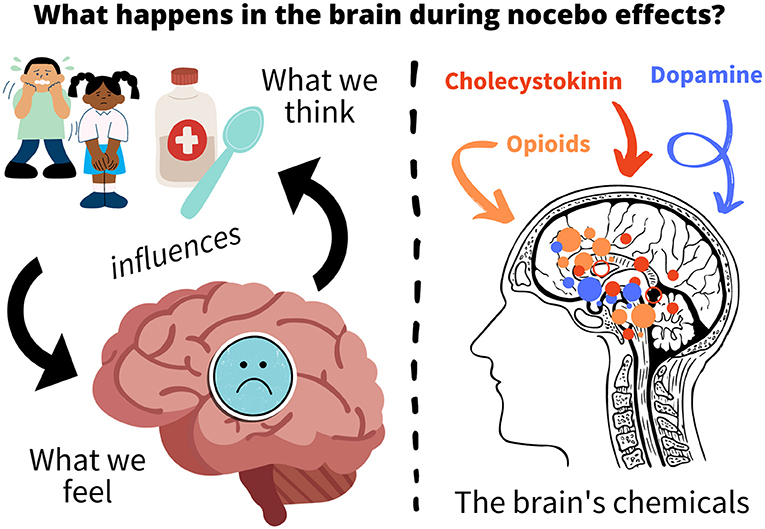
Neuroscience reveals that our brains are wired to prioritize survival and avoid perceived threats. In a financial context, this translates into a heightened sensitivity to potential losses, a phenomenon known as loss aversion. When combined with negative financial narratives or personal anxieties, this can trigger a nocebo-like response. The anticipation of financial pain activates similar brain regions as actual pain, leading to stress, irrational decision-making, and a predisposition to see risks rather than opportunities. For instance, constant exposure to gloomy economic forecasts, even if exaggerated, can prime individuals to interpret neutral market signals as catastrophic, leading to premature withdrawals, missed investment opportunities, or avoidance of necessary financial risks for growth. The mental framework built on fear and negative anticipation can become a significant barrier to achieving financial prosperity.
Market Dynamics and the Collective Nocebo Effect
The nocebo effect isn’t confined to individual psychology; it scales up to influence entire markets and economies. Collective negative sentiment, fear, and widespread pessimism can create powerful downward spirals, independent of underlying economic strength.
Fear, Panics, and Economic Cycles
History is replete with examples of market panics and financial crises exacerbated, if not initiated, by a collective nocebo effect. When a critical mass of investors believes that a market crash is imminent, or a specific asset class is doomed, their collective actions — mass selling, withdrawing capital, hoarding — can trigger the very crash they feared. This is not to deny genuine economic problems, but rather to highlight how pervasive negative sentiment can amplify and accelerate a downturn, turning a mild correction into a severe recession. The “animal spirits” of the market, as described by Keynes, are heavily influenced by these waves of optimism and pessimism, with the nocebo effect representing the potent downside.
Investor Sentiment: A Self-Fulfilling Prophecy
Investor sentiment, often measured through various indices, is a powerful driver of market behavior. When sentiment turns overwhelmingly negative, driven by fear, media narratives, or contagion effects, it can create a nocebo environment. For example, if many prominent analysts or news outlets widely predict an impending bear market, even if the data doesn’t fully support such a dire forecast, investors might begin to sell off assets to “get ahead” of the anticipated decline. This selling pressure then pushes prices down, validating the initial negative prediction and reinforcing the collective nocebo. This cycle can lead to significant market dislocations, where asset prices detach from their intrinsic value, purely on the back of pervasive negative expectations.
Personal Finance: Avoiding the Self-Imposed Financial Trap
On a personal level, the nocebo effect can be a silent saboteur of wealth accumulation and financial well-being. It manifests in various ways, from investment paralysis to self-defeating financial behaviors.
Negative Self-Talk and Investment Paralysis
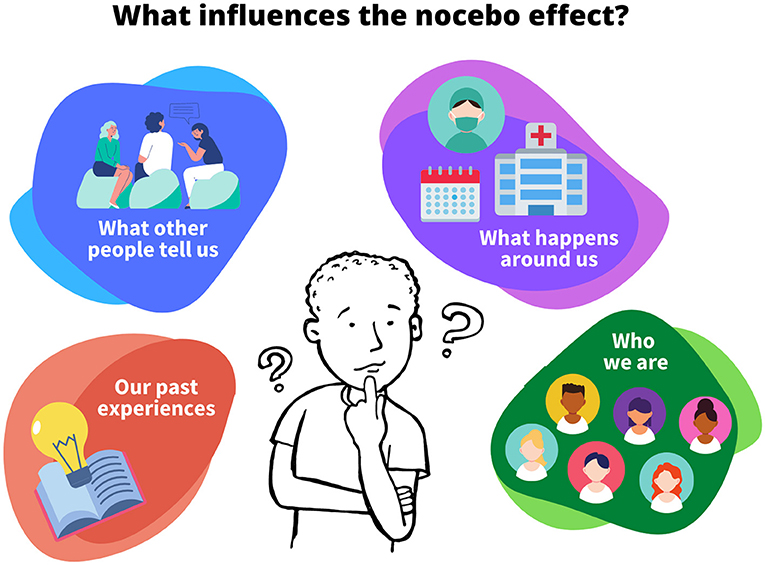
Many individuals harbor deeply ingrained negative beliefs about money, often stemming from childhood experiences or societal narratives. Beliefs like “I’m not good with money,” “I’ll never be rich,” or “investing is too risky for me” are potent financial nocebos. These negative internal monologues can lead to investment paralysis, where individuals are too scared to take necessary steps like opening a brokerage account, investing in a retirement plan, or diversifying their portfolio. They may fear making the “wrong” decision so intensely that they make no decision at all, thereby guaranteeing suboptimal financial outcomes, such as missing out on compound interest or falling behind inflation. The anticipated failure prevents any attempt at success.
The Cost of Pessimism in Wealth Building
Pervasive financial pessimism can carry a significant opportunity cost. An individual convinced that the stock market is always about to crash might keep all their savings in low-interest accounts, missing out on decades of market growth. Someone who believes they can never earn more might avoid pursuing higher education or negotiating for a better salary, capping their earning potential. These nocebo-driven attitudes create a mental barrier that prevents individuals from exploring growth opportunities, taking calculated risks, or developing the financial literacy necessary for long-term wealth building. The belief in inevitable failure leads to actions that guarantee a less prosperous future than what might have been achievable.
Business and Entrepreneurship: Counteracting the Nocebo
For businesses and entrepreneurs, the nocebo effect can impact everything from startup viability to market perception and employee morale, ultimately affecting the bottom line.
Building Trust in a Skeptical Market
In an era of rapid change and economic uncertainty, consumers and clients can develop a nocebo-like skepticism towards new products, services, or even established brands. If a market segment collectively believes a new technology is unreliable, or a company’s promises are hollow, this negative expectation can become a self-fulfilling prophecy for the business. Negative word-of-mouth, poor reviews driven by preconceived notions, and an unwillingness to engage with a brand can cripple a business, regardless of the actual quality of its offerings. Therefore, effective brand strategy and transparent communication are crucial for businesses to counteract potential market nocebos and build trust, fostering a positive perception that allows their offerings to be judged on their merits.
Internal Beliefs and Business Success
Within an organization, a collective nocebo effect can manifest as low employee morale, resistance to change, or a belief that a new project is destined to fail. If a sales team is convinced they won’t meet targets, their efforts might wane, leading to underperformance. If management doubts the success of a new product launch, they might allocate fewer resources or communicate their skepticism, inadvertently sabotaging the initiative. Entrepreneurs, too, can fall prey to personal nocebos about their own capabilities or the viability of their business idea, leading to hesitation, under-investment, or premature surrender. Cultivating a culture of optimism, resilience, and belief in potential — a collective “placebo” effect — is vital for sustained business success.
Cultivating a Resilient Financial Mindset
Overcoming the nocebo effect in finance requires conscious effort to reframe negative thinking, challenge limiting beliefs, and adopt a more resilient and data-driven approach to financial decisions.
Strategies for Positive Financial Framing
The first step is recognizing the power of your own financial narratives. Actively challenge negative self-talk and pervasive market anxieties. Instead of dwelling on potential losses, focus on the long-term historical trends of market growth and the power of compound interest. Educate yourself thoroughly about financial principles to replace fear-driven speculation with informed confidence. Seek out diverse perspectives, rather than solely consuming media that amplifies fear. Surround yourself with financially positive influences and engage in conversations that focus on opportunity and growth rather than perpetual doom. Frame challenges as learning experiences rather than inevitable failures.
Data-Driven Decisions Over Emotional Biases
While acknowledging the psychological aspects of finance, it’s crucial to anchor decisions in objective data and sound financial principles. Develop a robust financial plan, set clear goals, and stick to a disciplined investment strategy. Rather than reacting emotionally to market fluctuations, review your portfolio periodically based on your long-term objectives and risk tolerance. Utilize financial tools and advisory services to gain objective insights, helping to counterbalance personal biases and external nocebo influences. By prioritizing facts and logical analysis over fear and speculation, individuals and businesses can build a stronger defense against the nocebo effect, navigating the financial landscape with greater clarity, resilience, and ultimately, success.
aViewFromTheCave is a participant in the Amazon Services LLC Associates Program, an affiliate advertising program designed to provide a means for sites to earn advertising fees by advertising and linking to Amazon.com. Amazon, the Amazon logo, AmazonSupply, and the AmazonSupply logo are trademarks of Amazon.com, Inc. or its affiliates. As an Amazon Associate we earn affiliate commissions from qualifying purchases.