
For many homeowners, the term “escrow” is a familiar but often vaguely understood component of their monthly mortgage payment. It represents a critical financial mechanism designed to simplify the management of property-related expenses, ensuring the timely payment of significant costs that could otherwise pose a risk to both the homeowner and the lender. Understanding escrow is fundamental to grasping the full scope of your financial responsibilities as a property owner and can significantly impact your budgeting and financial planning.
Understanding the Escrow Account
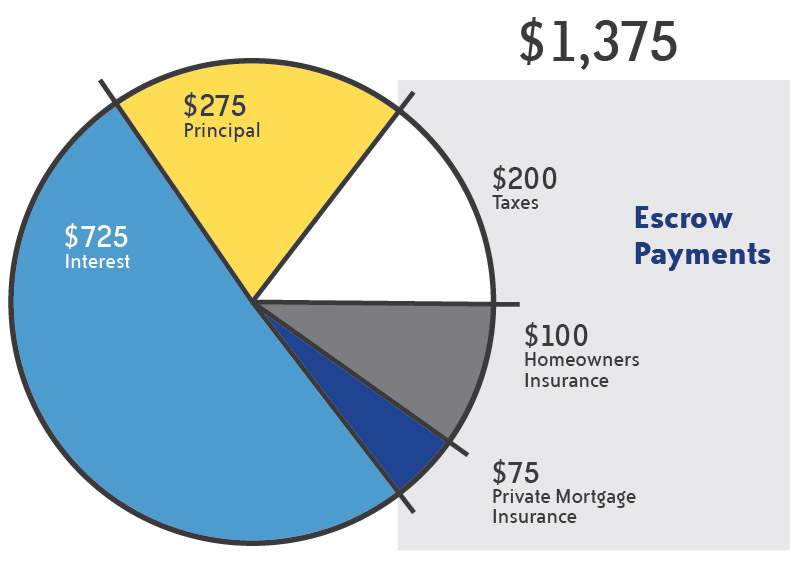
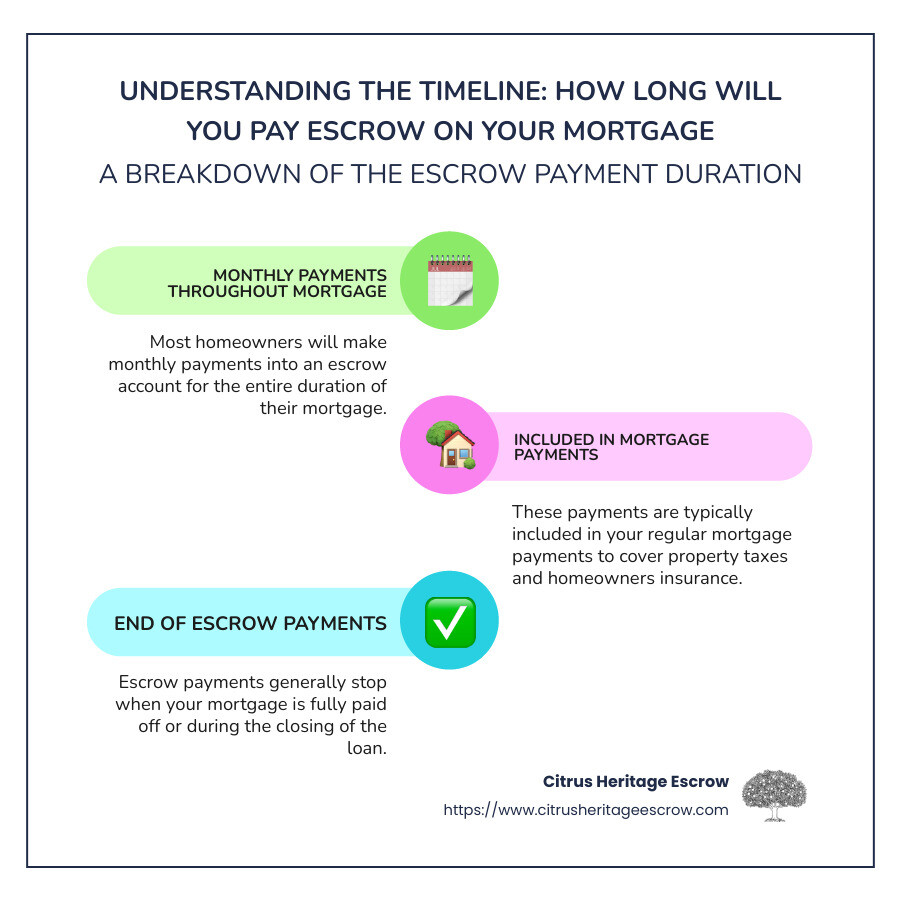
An escrow account, in the context of a mortgage, is a special fund managed by your mortgage lender. Its primary purpose is to collect and hold money for expenses related to your homeownership beyond the principal and interest of your loan. Rather than paying these large, often annual or semi-annual bills directly, you contribute a portion to your escrow account each month as part of your total mortgage payment.
The Core Function of Escrow
At its heart, escrow serves as a financial safeguard. For the homeowner, it provides a convenient way to budget for substantial, recurring expenses by breaking them down into smaller, manageable monthly installments. Instead of facing a hefty property tax bill once or twice a year, or an annual homeowner’s insurance premium, these costs are amortized across 12 monthly payments. This proactive approach helps prevent financial strain and ensures that these vital obligations are always met.
For the mortgage lender, escrow offers a layer of protection. Unpaid property taxes can lead to tax liens against the property, which take precedence over the mortgage lien. Similarly, lapsed homeowner’s insurance leaves the property uninsured against damage, posing a significant risk to the collateral backing the loan. By managing the escrow account, the lender ensures that these critical payments are made on time, protecting their investment and mitigating potential financial risks.
Key Components Held in Escrow
While an escrow account can theoretically hold funds for various property-related expenses, two categories are almost universally included:
-
Property Taxes: These are taxes levied by local government entities (cities, counties, school districts) based on the assessed value of your home. Property tax rates and assessment schedules vary widely by location, and these bills can be substantial, often representing thousands of dollars annually. Without escrow, homeowners would need to save independently to meet these large, infrequent payments.
-
Homeowner’s Insurance Premiums: This insurance protects your home and personal belongings against damage from perils like fire, theft, and natural disasters, as well as providing liability coverage. Lenders require homeowners to maintain adequate insurance coverage throughout the life of the loan to protect the property (their collateral) from unforeseen events. The annual premium for homeowner’s insurance is another significant expense that is typically rolled into the escrow account.
In some cases, particularly for properties located in areas prone to specific risks, other insurance types might also be included:
- Private Mortgage Insurance (PMI): If your down payment on a conventional loan is less than 20% of the home’s purchase price, lenders typically require PMI. While not always directly part of the escrow portion for taxes and insurance, it’s often collected as part of the overall monthly mortgage statement.
- Flood Insurance: For properties in designated flood zones, federal regulations mandate flood insurance, which can also be collected through escrow.
- Hazard Insurance: This is a broader term for homeowner’s insurance, specifically covering structural damage.
- Homeowners Association (HOA) Dues: While less common, in some specific planned communities or condominiums, HOA dues might occasionally be managed through escrow, though this is usually handled directly by the homeowner.
Who Manages the Escrow Account?
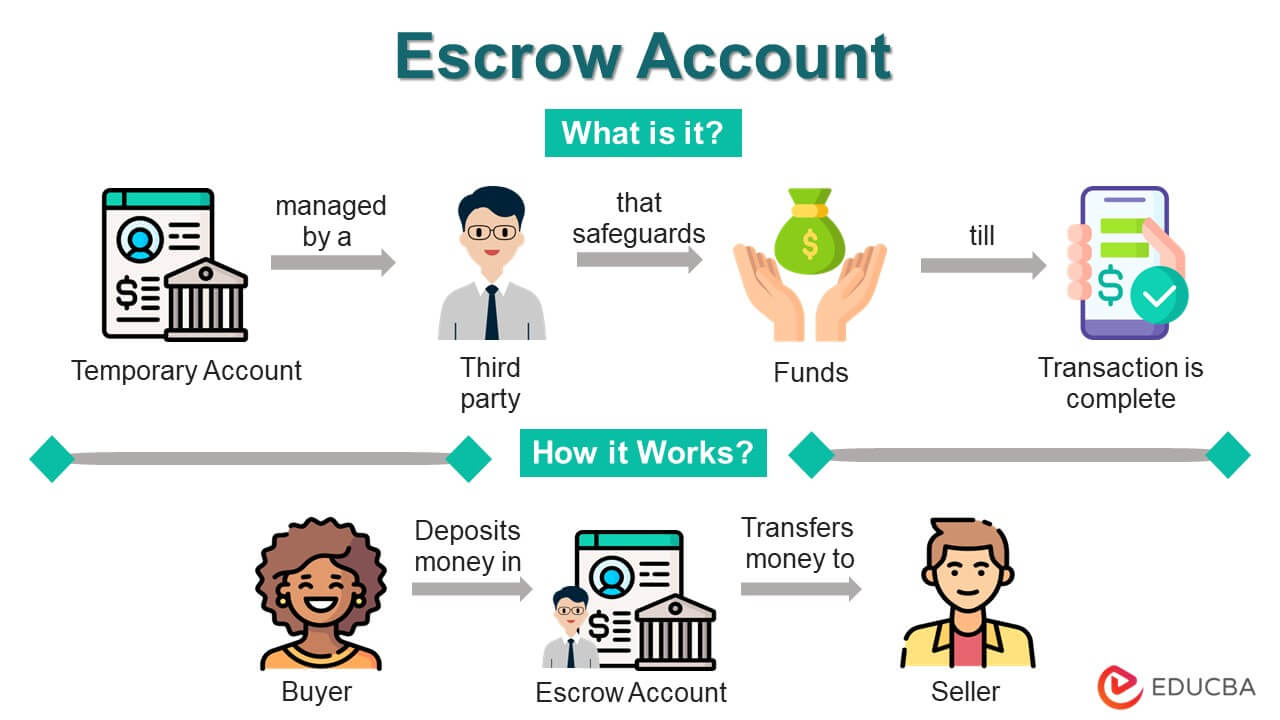
The mortgage servicer—the company that collects your monthly mortgage payments—is responsible for managing your escrow account. This servicer might be the original lender or another company that purchased the servicing rights to your loan. They calculate the required monthly escrow contribution, collect it along with your principal and interest, hold the funds in a non-interest-bearing account (in most cases), and then disburse the funds directly to the relevant taxing authorities and insurance companies when bills are due.
How Escrow Works in Practice
The process of escrow management is cyclical and involves calculations, collections, disbursements, and annual reviews to ensure accuracy.
Calculation of Escrow Payments
When you close on your mortgage, the lender estimates your annual property tax and homeowner’s insurance expenses. These estimates are based on the current tax rates and insurance quotes for your property. To determine your monthly escrow payment, the total estimated annual expenses are divided by 12.
Furthermore, lenders typically require a “cushion” or reserve in the escrow account, usually equivalent to two months’ worth of escrow payments. This cushion is mandated by federal law (Real Estate Settlement Procedures Act, or RESPA) to guard against unexpected increases in taxes or insurance premiums. This initial reserve is collected at closing and ensures there are always sufficient funds even if there are slight increases in the bills before the next escrow analysis.
The Monthly Contribution Cycle
Each month, your total mortgage payment will consist of four main components, often referred to as PITI:
- Principal: The amount that reduces your loan balance.
- Interest: The cost of borrowing money.
- Taxes: Your monthly contribution to the escrow account for property taxes.
- Insurance: Your monthly contribution to the escrow account for homeowner’s insurance.
You send one consolidated payment to your mortgage servicer. The servicer then separates the principal and interest portions for the loan itself and deposits the tax and insurance portions into your dedicated escrow account.
Disbursement of Funds by the Lender
As property tax bills and homeowner’s insurance premiums become due (which might be annually, semi-annually, or quarterly depending on the jurisdiction and policy), the mortgage servicer draws the necessary funds from your escrow account. They then pay the taxing authority or insurance company directly on your behalf. You will typically receive statements from your servicer confirming these payments.
Escrow Analysis and Adjustments
At least once a year, your mortgage servicer conducts an “escrow analysis.” During this review, they compare the actual amounts paid out for property taxes and insurance over the past year with the amounts you contributed. They also project these expenses for the upcoming year, taking into account any known changes in tax assessments or insurance premiums.
This analysis can result in one of three scenarios:
- Escrow Surplus: If you contributed more to your escrow account than was actually needed to cover the expenses, you have a surplus. If the surplus exceeds a certain threshold (typically $50), the servicer must refund the excess amount to you.
- Escrow Shortage: If you contributed less than was needed, resulting in a negative balance, you have an escrow shortage. The servicer will typically offer you two options: either pay the shortage in a lump sum, or spread the shortage repayment over the next 12 months, which will increase your monthly escrow payment.
- No Change or Minor Adjustment: If the actual expenses closely match your contributions, your monthly escrow payment may remain the same or adjust only slightly to reflect minor changes in projected costs.
Changes in your property taxes (due to reassessments, millage rate changes, or improvements to your home) or homeowner’s insurance premiums (due to policy changes, claims, or market adjustments) are the most common reasons for adjustments to your monthly escrow payment.
The Benefits and Drawbacks of an Escrow Account
While widely used, escrow accounts have distinct advantages and potential disadvantages that homeowners should weigh.
Advantages for Homeowners
- Budgeting Convenience: The most significant benefit is the simplification of budgeting. Large, infrequent bills are broken into small, predictable monthly payments, preventing financial shocks and making it easier to manage household cash flow.
- Avoidance of Late Penalties: By having the lender manage payments, homeowners are less likely to miss due dates for taxes or insurance, thereby avoiding late fees, penalties, or even the risk of tax liens or insurance policy cancellations.
- Financial Discipline: For those who struggle to save independently for large expenses, escrow acts as a forced savings mechanism, ensuring funds are available when needed.
- Lender Oversight: The lender’s professional management provides peace of mind, as they are typically vigilant about ensuring timely payments to protect their interest in the property.
Potential Downsides
- Loss of Interest: Funds held in escrow accounts typically do not earn interest for the homeowner. While the amounts might not be substantial, over time, this can represent a lost opportunity for growth compared to keeping the funds in an interest-bearing savings account.
- Lender Errors: Although rare, errors in escrow calculations or disbursements can occur, leading to shortages, incorrect payments, or even late payments if not caught. Homeowners must remain vigilant and review their escrow statements.
- Lack of Direct Control: You relinquish direct control over when and how your tax and insurance payments are made. While this is a convenience for many, some prefer to manage these significant financial outflows themselves.
- Surplus/Shortage Management: While surpluses are refunded, shortages can lead to an unexpected increase in your monthly payment or a demand for a lump sum payment, which can strain budgets if not anticipated.
When is Escrow Required or Optional?
The necessity of an escrow account is not universal and can depend on the type of loan, the down payment size, and state-specific regulations.
Lender Requirements and Loan Types
For certain government-backed loans, escrow is typically mandatory:
- FHA Loans: Mortgages insured by the Federal Housing Administration almost always require an escrow account, regardless of the down payment amount.
- VA Loans: Loans guaranteed by the Department of Veterans Affairs also usually mandate escrow.
- USDA Loans: Loans guaranteed by the U.S. Department of Agriculture also require escrow.
For conventional loans (those not backed by the government), the requirement often hinges on the loan-to-value (LTV) ratio:
- High LTV: If your down payment is less than 20% (meaning your LTV is greater than 80%), most conventional lenders will require an escrow account. This is due to the increased risk associated with a lower equity stake, prompting lenders to ensure all property-related expenses are handled.
Opting Out of Escrow
If you have a conventional loan with a significant down payment (typically 20% or more, resulting in an LTV of 80% or less), you may have the option to waive escrow. This decision is at the discretion of the lender, and some lenders may still require escrow even with a larger down payment, or they might charge a fee for waiving it.
Opting out means you assume full responsibility for directly paying your property taxes and homeowner’s insurance premiums. This requires diligent financial planning, disciplined saving, and careful tracking of due dates to avoid penalties. It allows you to retain interest on your savings (if you keep the funds in an interest-bearing account) and gives you direct control over these payments. However, it also places the full burden and risk of managing these payments squarely on your shoulders.
The Role of Down Payment Size
The down payment serves as a key indicator of the homeowner’s equity and financial stability. A larger down payment (20% or more) signifies lower risk for the lender, making them more willing to allow the homeowner to manage their own property tax and insurance payments. Conversely, a smaller down payment increases the lender’s exposure, making them more likely to insist on the financial protection offered by an escrow account.
Managing Your Escrow Account Effectively
Even with an escrow account, proactive management is crucial for financial well-being.
Reviewing Your Escrow Analysis Statement
Every year, your servicer will send an escrow analysis statement. It is imperative to review this document carefully. Check the prior year’s actual tax and insurance payments against what was projected. Verify the upcoming year’s estimated expenses. Look for any discrepancies and ensure that your property’s tax assessments and insurance policy details are correctly reflected. If you suspect an error, contact your servicer immediately.
Handling Escrow Shortages and Surpluses
When an escrow analysis reveals a shortage, understand your options. A lump-sum payment can prevent your monthly mortgage payment from increasing, which might be preferable if you have the cash reserves. If you opt to spread the shortage over 12 months, be prepared for the temporary increase in your overall payment. For surpluses, be sure to deposit the refund check promptly or apply it strategically (e.g., towards principal reduction if your lender allows it).
Communicating with Your Lender
If you have questions about your escrow account, changes in your tax bill, or new insurance policies, communicate proactively with your mortgage servicer. Keep records of all correspondence and payment confirmations. If you receive a property tax assessment notice or an insurance renewal policy, share it with your servicer to help them update their estimates for the next escrow analysis.
Financial Planning Beyond Escrow
Regardless of whether you have an escrow account, maintaining a robust emergency fund and a clear understanding of your overall financial picture is vital. Escrow simplifies some expenses, but it doesn’t remove the need for sound personal finance practices. For those managing their own taxes and insurance, setting up a dedicated savings account and automating transfers to it can replicate the convenience of escrow while allowing you to retain control and earn potential interest.
In conclusion, an escrow account on your mortgage payment is a valuable tool designed to streamline the payment of property taxes and homeowner’s insurance. While it offers undeniable convenience and financial security, understanding its mechanics, reviewing annual statements, and managing it effectively are crucial steps for any homeowner.
aViewFromTheCave is a participant in the Amazon Services LLC Associates Program, an affiliate advertising program designed to provide a means for sites to earn advertising fees by advertising and linking to Amazon.com. Amazon, the Amazon logo, AmazonSupply, and the AmazonSupply logo are trademarks of Amazon.com, Inc. or its affiliates. As an Amazon Associate we earn affiliate commissions from qualifying purchases.