
In an age dominated by touchscreens, interactive apps, and AI-driven learning platforms, it’s easy to forget the foundational technologies that once shaped education. Long before the silicon chip or the printing press became ubiquitous, a humble device known as the hornbook served as a cornerstone of literacy instruction for centuries. Far from a mere historical curiosity, the hornbook can be understood as one of the earliest examples of purpose-built educational technology – a remarkably durable, efficient, and user-friendly gadget designed to deliver essential learning content to young minds. Examining its design, functionality, and pedagogical impact offers intriguing parallels to the challenges and innovations in educational tech today.
The Progenitor of Learning Tech: Unpacking the Hornbook’s Design
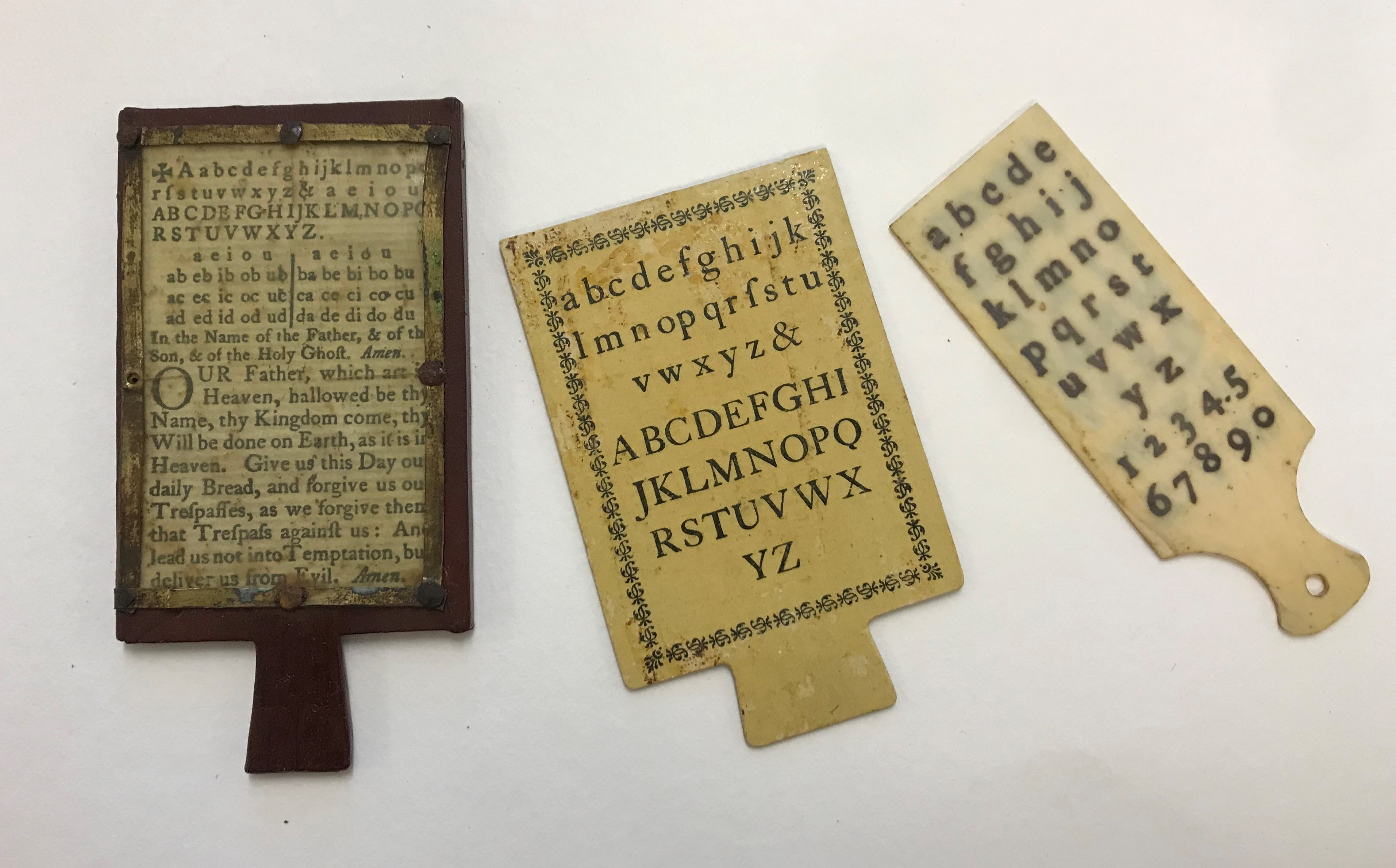
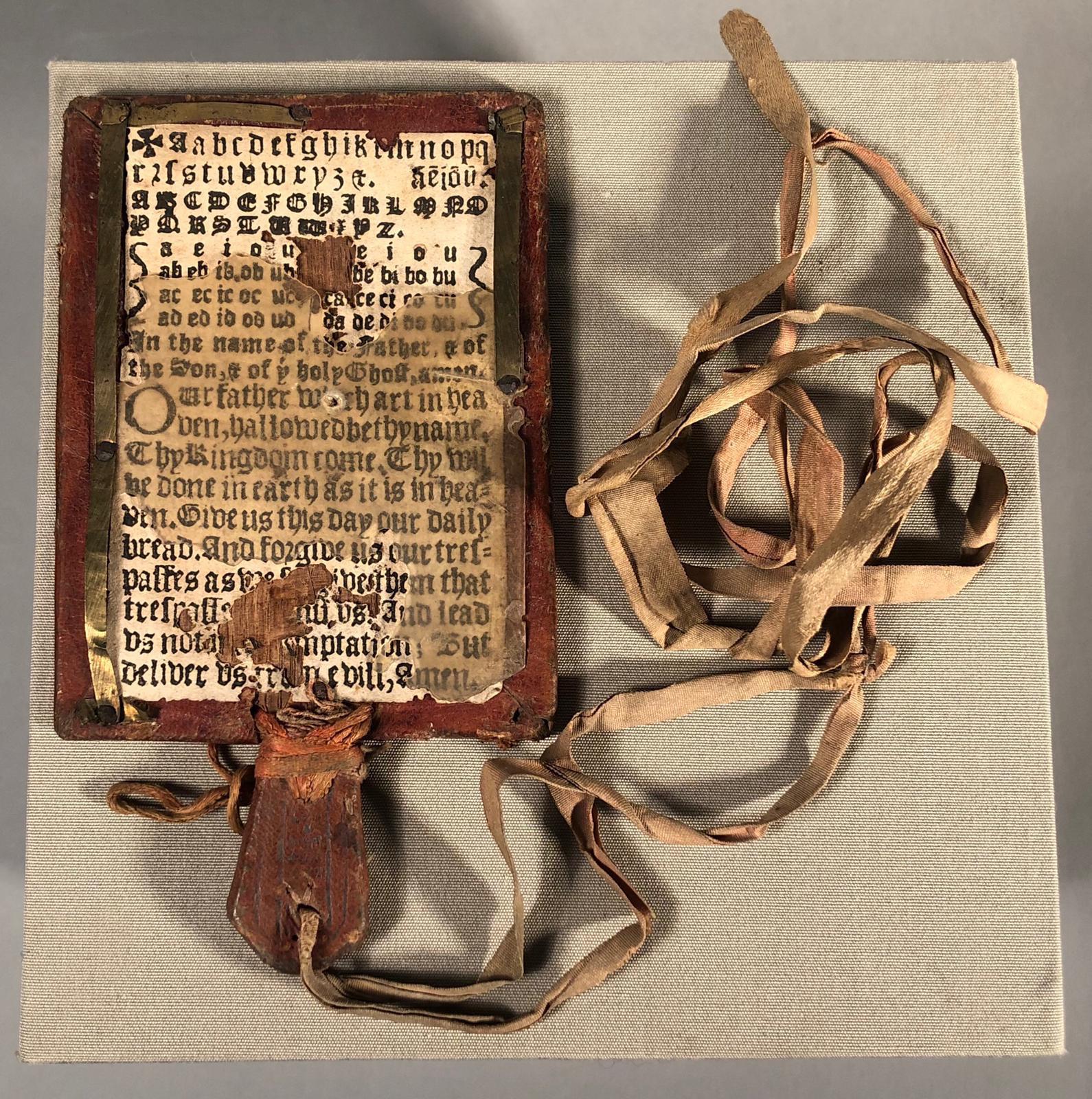
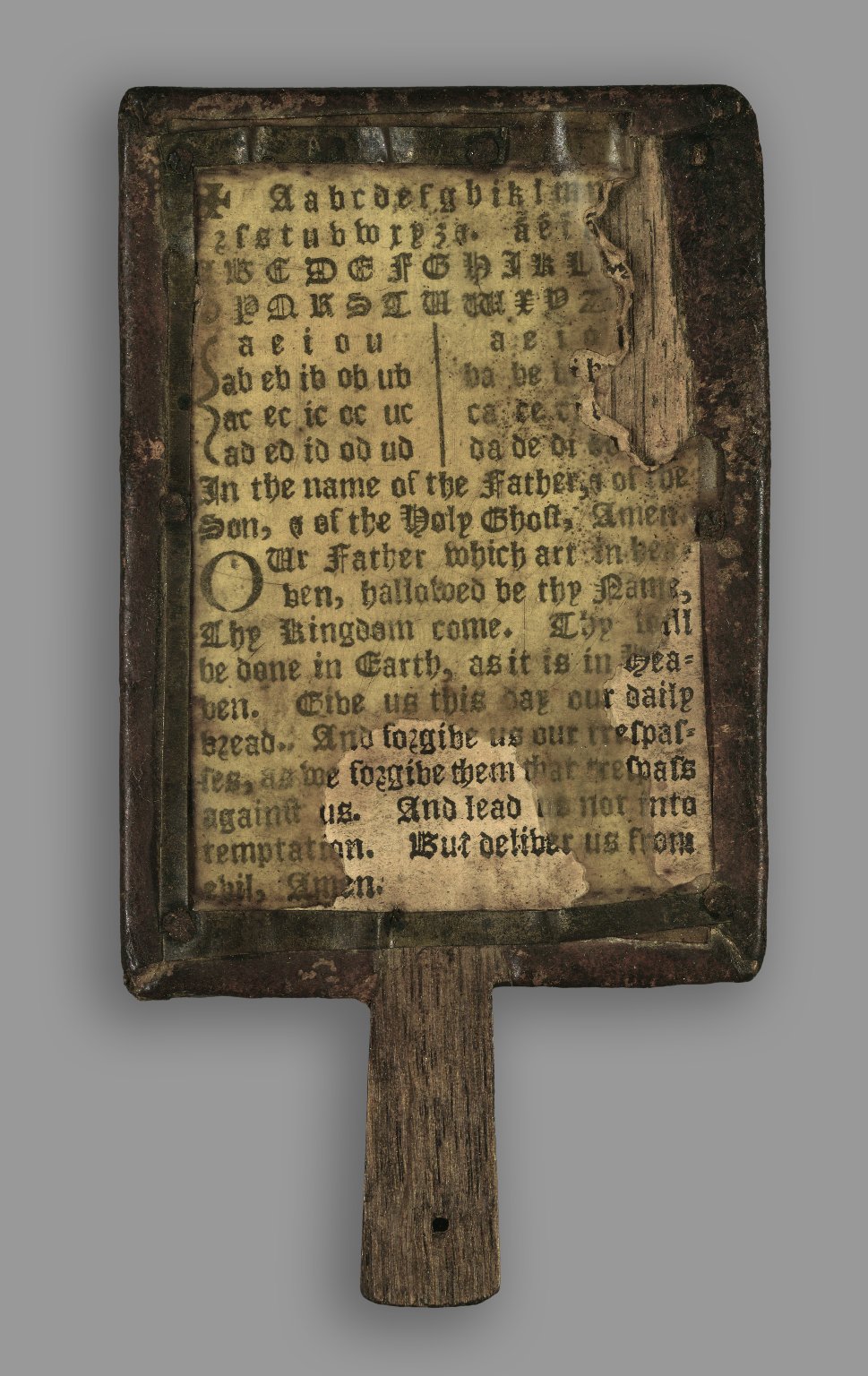
At its core, a hornbook was a paddle-shaped device, typically made of wood, bone, or leather, measuring about 3-5 inches long. Affixed to its surface was a single sheet of printed paper, containing essential learning material. What made it a revolutionary piece of “tech” for its time was the ingenious protective cover: a thin, transparent sheet of animal horn, often cow horn, held in place by a metal strip (latten) or bound with leather. This protective layer gave the device its name and ensured its longevity, making it a robust, reusable learning tool.
Form Meets Function: Materiality and Durability
The choice of materials for the hornbook was a masterclass in functional design for the pre-industrial era. Wood, bone, and leather were readily available, relatively inexpensive, and sturdy enough to withstand the rigors of childhood handling. The most critical innovation was the horn transparency. Paper, prior to robust bindings and lamination techniques, was fragile and easily soiled or torn by grubby fingers. The horn cover provided a durable, clear shield, protecting the printed content from wear, tear, and sticky smudges. This early form of “screen protection” ensured that a single hornbook could serve multiple children over an extended period, making it an economically viable and sustainable educational resource. From a modern tech perspective, this reflects the perennial quest for durable devices and protective interfaces that can withstand heavy use in diverse environments, from ruggedized tablets for field work to child-proof cases for educational gadgets.
The Original User Interface: Content and Layout
The content displayed on a hornbook was standardized and minimalist, representing an early form of a streamlined user interface for learning. Typically, it featured:
- The Christ-cross (or alphabet cross): A small cross at the top, signifying the religious context of education and acting as a starting point.
- The Alphabet: Both uppercase and lowercase letters were presented, often in a clear, legible font.
- Vowels: Separately listed, sometimes with simple phonetic guides.
- Syllables: Basic combinations like “ab,” “eb,” “ib,” “ob,” “ub” for initial phonetic practice.
- The Lord’s Prayer: A fundamental text for memorization and moral instruction.
This structured layout was incredibly effective. It provided a clear, progressive path for learning basic literacy and religious tenets. The visual presentation was uncluttered, minimizing distractions and focusing the learner’s attention on fundamental building blocks. In essence, the hornbook offered a fixed curriculum and an intuitive “scroll-less” interface, optimized for repetitive learning and memorization – a direct ancestor to structured learning apps and digital flashcards designed for foundational skill acquisition.
Portability and Personalization: Early Educational Gadgetry
Many hornbooks included a small hole at the bottom of the paddle, allowing it to be hung from a child’s belt or wrist. This feature highlights its nature as a portable, personal learning gadget. Children could carry their hornbooks with them, making learning accessible beyond the formal classroom setting. It represented an individualized learning tool, much like a personal tablet or smartphone today, enabling self-paced practice and review. While group instruction was common, the hornbook empowered individual learners to engage with the material independently, fostering a sense of personal ownership over their educational journey. This portability also suggests an early form of “mobile learning,” allowing children to learn wherever they went, reinforcing concepts through constant exposure.
A Pedagogy of Simplicity: How Hornbooks Fostered Foundational Learning
The hornbook’s design was deeply intertwined with the prevailing pedagogical philosophies of its time, emphasizing repetition, memorization, and foundational skill-building. It wasn’t about complex analytics or adaptive learning paths, but rather providing a consistent, reliable tool for mastering the basics.
Iterative Learning and Repetition
The durable nature of the hornbook made it ideal for repeated use. Children would trace letters with their fingers, recite the alphabet and prayers aloud, and practice syllable sounds over and over. This iterative approach to learning, while perhaps less engaging by modern standards, was highly effective for solidifying foundational knowledge. The fixed content ensured consistency, and the physical interaction (touching the horn, pointing to letters) provided a multisensory learning experience. This mirrors how modern educational apps utilize gamification and repeated drills to reinforce vocabulary, math facts, or coding syntax.
Accessibility and Widespread Adoption
For centuries, hornbooks were a widespread and relatively affordable educational tool. Their simple construction and durability made them accessible across various social strata, enabling a broad segment of the population to acquire basic literacy. They democratized access to the written word to a degree previously unseen, serving as the primary gateway to reading for generations. In the context of modern EdTech, this speaks to the ongoing efforts to bridge the digital divide and ensure equitable access to learning resources, whether through low-cost devices, open-source software, or public access initiatives. The hornbook’s legacy underscores the profound impact that accessible technology can have on societal literacy rates.
The Teacher-Student Interaction Paradigm
While the hornbook was an individual tool, it profoundly shaped the teacher-student interaction. It provided a common reference point, allowing teachers to guide students through the alphabet and prayers systematically. The teacher could easily point to specific letters or words on a student’s hornbook, provide immediate feedback, and assess progress. This direct, tangible interaction facilitated personalized instruction within a group setting. It prefigured the use of shared screens, interactive whiteboards, and collaborative digital documents that allow instructors and learners to engage with content together in contemporary classrooms.
From Horn to Screen: Hornbooks as a Precursor to Modern EdTech
While separated by centuries and vast technological leaps, the principles embodied by the hornbook continue to resonate in modern educational technology. The core challenge remains the same: how to effectively deliver learning content, engage learners, and facilitate skill acquisition through robust, user-friendly tools.
The Enduring Principles of Educational Tool Design
The hornbook’s success lay in its simplicity, durability, and clear instructional design. These principles are echoed in successful EdTech today. Apps with intuitive interfaces, robust software that doesn’t crash, and learning platforms with clear, progressive curricula are often the most effective. Just as the hornbook shielded its content, modern software developers invest heavily in secure, stable platforms that protect data and ensure uninterrupted learning experiences. The focus on foundational skills, presented clearly and repeatedly, also remains a cornerstone of early childhood educational software and digital literacy programs.
Interactive Learning Reimagined: From Finger-Pointing to Touchscreens
The physical act of pointing a finger or stylus at letters on a hornbook was an early form of interaction. It engaged motor skills and provided a tactile connection to the abstract symbols of language. Today’s touchscreens and interactive whiteboards extend this concept dramatically. Children swipe, tap, drag, and draw, directly manipulating digital content. While the medium has changed from horn and wood to glass and silicon, the underlying principle of direct physical engagement with learning material for enhanced understanding and retention remains a powerful design choice in educational tech.
Digital Literacy and the Quest for Foundational Skills
The hornbook was foundational for print literacy. In the 21st century, the equivalent is digital literacy. Mastering the alphabet and basic religious texts has evolved into understanding code, navigating digital interfaces, discerning reliable information online, and communicating effectively in digital spaces. Modern EdTech tools, whether teaching coding through block-based interfaces or fostering critical thinking with interactive simulations, are the contemporary “hornbooks,” providing the basic building blocks for success in a technologically driven world. The goal is still to equip learners with essential skills, albeit for a vastly different and more complex information landscape.
The Legacy of Low-Tech Learning in a High-Tech World
The hornbook stands as a powerful reminder that effective educational technology isn’t solely defined by its complexity or cutting-edge features. Sometimes, the most impactful innovations are those that are simple, durable, accessible, and perfectly suited to their pedagogical purpose.
Bridging Analog Foundations with Digital Futures
Understanding the hornbook’s role can help EdTech developers appreciate the enduring human elements of learning. While AI and virtual reality offer incredible possibilities, the core needs of a learner—clear instruction, consistent practice, and engaging interaction—have remained constant. Modern tools can learn from the hornbook’s example: how to distill complex information into manageable chunks, protect valuable content, and facilitate repetitive, foundational learning in an intuitive manner. It’s about leveraging advanced tech to meet age-old learning needs effectively.
The Cyclical Nature of Innovation in Learning Tools
From clay tablets to hornbooks, blackboards to projectors, and now to interactive digital ecosystems, the evolution of educational tools shows a cyclical pattern of innovation. Each era seeks to enhance accessibility, durability, and efficacy in transmitting knowledge. The hornbook represents a critical juncture in this history, a landmark “gadget” that bridged oral traditions with widespread print literacy. Its legacy challenges us to consider not just the flash of new technology, but its fundamental functionality and its lasting impact on how we learn. By reflecting on such early technologies, we gain perspective on the enduring mission of educational innovation: to unlock the potential of every learner through thoughtfully designed tools.
aViewFromTheCave is a participant in the Amazon Services LLC Associates Program, an affiliate advertising program designed to provide a means for sites to earn advertising fees by advertising and linking to Amazon.com. Amazon, the Amazon logo, AmazonSupply, and the AmazonSupply logo are trademarks of Amazon.com, Inc. or its affiliates. As an Amazon Associate we earn affiliate commissions from qualifying purchases.