
For entrepreneurs, freelancers, and small business owners, determining an appropriate salary is one of the most persistent and often perplexing financial decisions. It’s a delicate balancing act between sustaining personal lifestyle, ensuring the health and growth of the business, and complying with various financial and tax regulations. Unlike traditional employees who receive a predetermined salary, those who own their businesses often face a murky landscape where their personal income is directly tied to the fluctuating fortunes of their enterprise.
The question “how much should I pay myself?” isn’t just about a number; it’s about defining the value of your labor, managing cash flow, planning for future growth, and securing your personal financial well-being. This article delves into the complexities of owner compensation, exploring the critical factors, strategic approaches, and the invaluable role a dedicated “pay yourself” calculator can play in bringing clarity and structure to this vital decision. By approaching this topic with insight and a systematic framework, business owners can move beyond guesswork, establishing a sustainable and fair compensation strategy that benefits both themselves and their businesses in the long run.

The Core Challenge: Balancing Personal Needs with Business Health
At the heart of the “how much should I pay myself” dilemma lies the fundamental tension between immediate personal financial needs and the long-term sustainability and growth of the business. Striking the right balance is crucial; underpaying yourself can lead to personal financial stress and burnout, while overpaying can starve your business of essential capital, hindering its ability to grow, weather downturns, or even survive.
Understanding Your Personal Financial Needs
Before you can even begin to consider what your business can afford to pay you, you must first understand what you need to live. This isn’t just a vague idea; it requires a detailed accounting of your personal financial situation.
- Monthly Expenses (Fixed and Variable): Start by itemizing all your fixed costs (rent/mortgage, loan payments, insurance premiums, subscriptions) and variable expenses (groceries, utilities, transportation, entertainment, dining out). Be honest and thorough. This gives you your absolute minimum personal living wage.
- Savings Goals (Emergency Fund, Retirement): Beyond basic living, a responsible financial strategy includes saving. How much do you need to set aside for an emergency fund (typically 3-6 months of expenses)? Are you contributing to a retirement account? Factor these critical long-term goals into your personal financial needs.
- Debt Repayment: If you have personal debts (credit cards, student loans, personal loans), include their monthly payments. Reducing debt can significantly improve your personal financial health and reduce stress.
- Lifestyle Aspirations: While the goal isn’t to draw an extravagant salary from a fledgling business, it’s fair to consider reasonable lifestyle aspirations. Do you budget for vacations, hobbies, or personal development? A sustainable personal budget accounts for these aspects, preventing burnout and fostering a sense of reward.
Assessing Your Business’s Financial Capacity
Once you have a clear picture of your personal financial needs, the next step is to realistically assess your business’s ability to meet them while remaining healthy and poised for growth. This requires a deep dive into your business’s financial statements.
- Revenue Streams and Consistency: Understand where your money comes from and how predictable it is. Is your revenue seasonal? Are there consistent clients or are you always chasing new ones? Reliable revenue is key to reliable owner compensation.
- Operating Expenses (Fixed and Variable): Just like your personal budget, your business has fixed costs (rent, salaries for employees, software subscriptions) and variable costs (cost of goods sold, marketing spend, freelance contractors). A clear understanding of these is essential for calculating net profit.
- Profitability and Cash Flow: This is arguably the most critical metric. Your ability to pay yourself comes directly from your business’s net profit (revenue minus all business expenses, before owner’s pay). Beyond profit, scrutinize your cash flow – is there actual cash in the bank to cover payments, or is it tied up in accounts receivable or inventory? Positive cash flow is paramount for consistent self-payment.
- Growth Reinvestment Needs: For any business to thrive, a portion of profits often needs to be reinvested. This could be for new equipment, marketing campaigns, hiring staff, product development, or expanding services. Depriving your business of growth capital for your salary is a short-sighted strategy.
- Buffer for Lean Months: Businesses inevitably face lean periods. Maintaining a healthy cash reserve in the business bank account acts as a buffer, ensuring you can still cover operating expenses and potentially a reduced owner’s draw even when revenue dips.
Key Factors Influencing Your “Self-Pay” Calculation
The ideal amount you should pay yourself is not a static number but a dynamic figure influenced by a confluence of internal and external factors. A comprehensive approach considers your business’s legal structure, its stage of development, market benchmarks, and your personal risk tolerance.
Business Structure and Legal Implications
The legal structure of your business significantly impacts how you pay yourself and the associated tax implications.
- Sole Proprietor/Single-Member LLC: As an owner of a sole proprietorship or a single-member LLC (taxed as a disregarded entity), you typically pay yourself through “owner’s draws.” This is not a salary but a withdrawal of profits from the business. The profits of the business are passed through to your personal income tax return, and you pay self-employment taxes (Social Security and Medicare) on the net earnings. There’s no separate “payroll” in the traditional sense, but you must set aside money for estimated taxes.
- S-Corp: If your business is an S-Corporation, the IRS requires you to pay yourself a “reasonable salary” as an employee of the corporation. This salary is subject to payroll taxes (both employer and employee portions). Any remaining profits can then be distributed to you as dividends, which are not subject to self-employment taxes, offering a potential tax advantage. Determining a “reasonable salary” is critical and often requires consulting with a tax professional.
- Partnership/Multi-Member LLC: In these structures, partners or members receive guaranteed payments or owner’s draws. Similar to sole proprietors, they typically pay self-employment taxes on their share of the business’s profits.
Understanding these distinctions is vital for both compliance and optimizing your tax strategy.
Business Stage and Growth Trajectory
Where your business is in its lifecycle heavily dictates how much you can responsibly pay yourself.
- Startup Phase: During the initial stages, businesses often operate on tight budgets. Owners may draw a minimal salary (or none at all), prioritizing reinvestment of profits back into the business to fuel early growth, build essential infrastructure, and achieve market traction. This phase often demands personal sacrifice for future gain.
- Growth Phase: As the business gains momentum, revenue increases, and profitability improves. Owners can typically increase their compensation, but the emphasis often remains on strategic reinvestment to scale operations, expand offerings, or capture a larger market share. Striking a balance between owner compensation and growth capital is key.
- Established Phase: Mature businesses with stable revenue, predictable cash flow, and a strong market position can generally afford more consistent and potentially higher owner compensation. At this stage, the focus shifts to maintaining market position, incremental growth, and potentially generating significant owner wealth.
Industry Standards and Market Rates
It can be helpful to benchmark your compensation against what similar roles or business owners in your industry are earning.
- Researching Typical Salaries: Investigate salary ranges for roles equivalent to yours (e.g., CEO, marketing director, head of operations) within your industry and geographic region. While you are the owner, understanding market rates helps validate if your compensation is reasonable, especially if you ever need to hire for similar positions.
- Avoiding Underpaying or Overpaying: If you pay yourself significantly less than market rate, it might indicate you’re undervaluing your contribution or that your business isn’t as profitable as it should be. Conversely, paying yourself substantially more than market rate while your business struggles could be unsustainable.
Risk Tolerance and Personal Financial Security
Your personal attitude towards risk and your existing financial safety net will also influence your self-payment decisions.
- How Much Personal Risk Are You Willing to Take? Some entrepreneurs are comfortable with very little personal income in the early days, fully believing in the future potential of their business. Others require more financial stability to feel secure. Your comfort level with financial uncertainty is a significant factor.
- Importance of an Emergency Fund Outside the Business: Before drawing a substantial salary, ensure you have a robust personal emergency fund independent of your business. This buffer provides peace of mind and prevents you from needing to pull vital funds from your business in times of personal crisis.
Designing Your “Pay Yourself” Strategy and Using a Calculator

With a clear understanding of your personal needs, business capacity, and influencing factors, you can now construct a deliberate “pay yourself” strategy. This is where a structured approach, often aided by a calculator, becomes invaluable.
Step-by-Step Approach to Calculation
A systematic method helps ensure all critical aspects are considered:
- Determine Your Minimum Personal Living Wage: Based on your detailed personal budget, establish the absolute minimum amount you need each month to cover essential expenses, savings goals, and debt repayment. This is your baseline.
- Analyze Business Net Profit After Operating Expenses: Calculate your business’s total revenue minus all operational costs (excluding owner compensation/draws). This figure represents the money available before you pay yourself.
- Allocate for Business Reinvestment/Buffer: From your net profit, consciously set aside a percentage for business growth, future investments, and to build up your business’s cash reserves. This might be 10%, 20%, or even more, depending on your business stage and goals.
- Calculate Available Owner Compensation: The remaining amount after business reinvestment and taxes (if applicable, for S-Corps) is what’s truly available for owner compensation. Compare this to your minimum personal living wage.
- Consider Profit-Sharing Models (e.g., Profit First): For many, allocating a fixed percentage of revenue (or profit) to owner’s pay after every deposit can be a powerful method. The “Profit First” methodology, for instance, advocates for allocating a small percentage to profit and owner’s pay first, then managing expenses with what’s left.
The Role of a Digital Calculator Tool
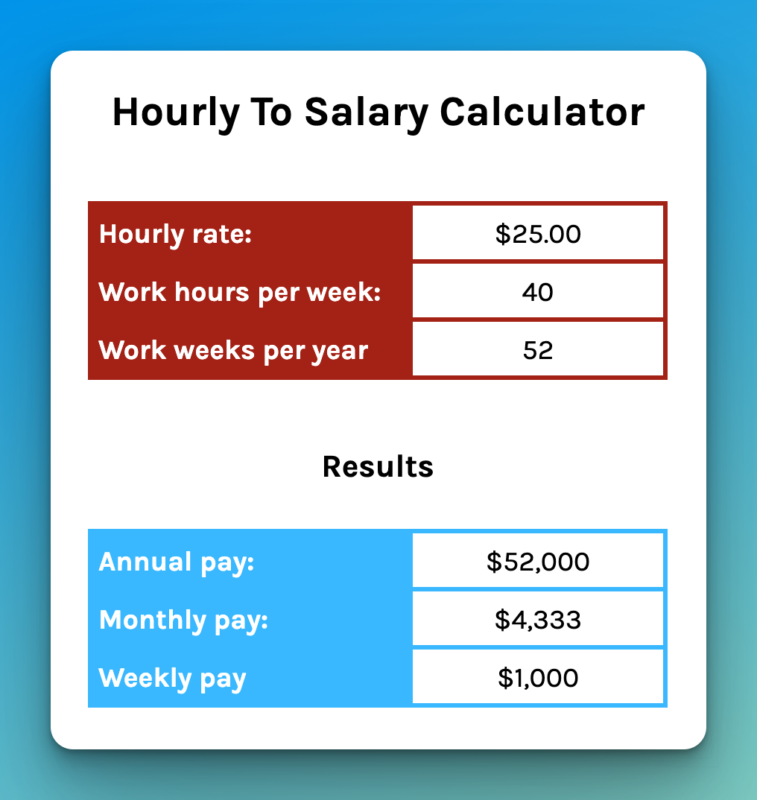
A “how much should I pay myself calculator” isn’t a magic bullet, but it’s an indispensable tool for simplifying this complex process and providing data-driven insights.
- What It Does: A well-designed calculator prompts you to input key financial data: your monthly personal expenses, desired savings, business gross revenue, fixed and variable business expenses, desired business reinvestment percentage, and your business structure.
- How It Helps: It aggregates your inputs and provides an estimated range or specific figure for your owner’s compensation. It allows for scenario planning (“What if my revenue increases by 10%?” or “What if I reduce business expenses?”), highlights potential shortfalls, and gives you a concrete baseline for discussion with financial advisors. It brings quantitative objectivity to an often subjective decision.
- Limitations: While powerful, a calculator relies on the accuracy of your inputs. It doesn’t account for unforeseen market changes, sudden personal emergencies, or complex tax nuances that require a human expert. It’s a guide, not a definitive dictate.
Regular Review and Adjustment
The “right” amount to pay yourself is not fixed forever. Your personal needs change, and your business evolves.
- Quarterly/Annual Financial Review: Schedule regular financial check-ins (at least quarterly, ideally monthly) to review your personal and business budgets. Track actual income and expenses against your projections.
- Adapting to Business Changes: If your business experiences a significant growth spurt or a downturn, be prepared to adjust your compensation. During growth, you might increase your draw; during downturns, you might need to temporarily reduce it to preserve business cash flow.
- Adjusting Personal Needs: Life happens. A new child, a home purchase, or a significant life event can alter your personal financial requirements, necessitating an adjustment to your self-payment strategy.
Beyond the Number: Strategic Considerations for Sustainable Self-Payment
While the numerical calculation is crucial, sustainable owner compensation also requires strategic thinking beyond just the immediate payout. These considerations foster long-term financial health for both you and your business.
Building a Buffer and Emergency Fund
Having adequate reserves is paramount for both personal and business stability.
- Personal vs. Business Emergency Funds: Maintain separate emergency funds. Your personal fund protects you from personal unforeseen events, while your business fund shields the company from operational disruptions or revenue shortfalls. This separation is critical for clear financial management and reduces the temptation to raid one for the other.
- Importance for Stability: These funds provide a safety net, allowing you to avoid making rash decisions during tough times and ensuring that a temporary dip in business profitability doesn’t immediately lead to personal financial crisis.
The Power of Profit First and Other Allocation Systems
Proactive financial management systems can transform how you approach owner compensation and business profitability.
- Proactive Allocation: Methodologies like “Profit First” advocate for setting aside specific percentages of every deposit into different accounts: Profit, Owner’s Pay, Taxes, and Operating Expenses. This approach shifts the mindset from “revenue – expenses = profit” to “revenue – profit = expenses,” forcing you to operate within actual available funds and prioritize profit and owner compensation from the outset.
- Shifting Mindset: By allocating funds for your pay and profit before expenses, you build a sustainable rhythm where your compensation is a planned output rather than an afterthought, ensuring consistency and discipline.
Tax Planning and Optimization
Owner compensation has direct tax implications that require careful planning.
- Understanding Tax Liability: Be aware of how your chosen business structure and payment method (owner’s draw vs. salary) impact your self-employment taxes, income taxes, and potential state/local taxes. For sole proprietors and partners, setting aside estimated quarterly taxes is crucial to avoid penalties.
- Consulting with a Tax Professional: Tax laws are complex and frequently change. Regularly consult with a qualified accountant or tax advisor to ensure you are complying with all regulations and optimizing your tax strategy in relation to your owner compensation. They can advise on “reasonable salary” for S-Corps, deductible expenses, and other tax-saving opportunities.
Separating Personal and Business Finances
This cannot be stressed enough: maintain distinct financial accounts for your personal and business finances.
- Crucial for Clarity: Separate accounts provide a clear picture of your business’s true profitability and your personal financial standing. Blurring the lines makes it impossible to accurately track expenses, revenue, and what’s genuinely available for owner compensation.
- Legal Protection: For entities like LLCs and Corporations, maintaining separate finances is crucial for upholding the liability protection they offer. Mixing funds (piercing the corporate veil) can expose your personal assets to business liabilities.
- Accurate Calculation: With separate accounts, owner’s draws or salaries are clear transactions, making it easier to use a calculator and track your compensation against your business’s financial performance.
Conclusion
The question “how much should I pay myself?” is a journey of continuous assessment and strategic adaptation rather than a one-time calculation. It embodies the entrepreneur’s fundamental challenge: balancing personal well-being with the financial vitality of their venture. By systematically understanding your personal needs, rigorously assessing your business’s capacity, considering various influencing factors, and leveraging the structured insights a “pay yourself” calculator provides, you can move from uncertainty to clarity.
Remember, the calculator is a powerful tool to guide your decisions, but it’s your commitment to financial discipline, ongoing review, and strategic planning that truly builds a sustainable and rewarding compensation structure. By consciously and proactively managing how you pay yourself, you ensure not only your personal financial freedom but also the robust health and enduring success of the business you’ve worked so hard to create. This thoughtful approach transforms a perplexing question into a foundational pillar of smart financial management.
aViewFromTheCave is a participant in the Amazon Services LLC Associates Program, an affiliate advertising program designed to provide a means for sites to earn advertising fees by advertising and linking to Amazon.com. Amazon, the Amazon logo, AmazonSupply, and the AmazonSupply logo are trademarks of Amazon.com, Inc. or its affiliates. As an Amazon Associate we earn affiliate commissions from qualifying purchases.