
Selecting the optimal baseball bat is akin to choosing the right specialized tool or gadget; it’s a critical decision that profoundly impacts performance metrics and user experience. Much like a gamer fine-tunes their peripheral settings or a professional selects specific software for peak efficiency, a baseball player must identify the bat specifications that best align with their physical attributes and swing mechanics. This isn’t merely about aesthetics or brand loyalty; it’s about leveraging the scientific and technological advancements in bat design to maximize power, control, and consistency at the plate.
The Science of Bat Sizing: Optimizing Your Performance Gadget
Understanding bat sizing involves delving into a specific set of technical specifications, each playing a crucial role in how the “tool” performs in the user’s hands. This is not arbitrary; it’s based on physics, biomechanics, and material science, all converging to create an extension of the hitter’s body.
Understanding Key Bat Specifications
The primary technical metrics for a baseball bat are its length and weight. These two variables are interconnected and form the foundation of proper bat selection. Length influences reach and plate coverage, while weight dictates swing speed and the potential for kinetic energy transfer upon impact. The precise combination is crucial for optimizing the hitter’s “hardware.”
The Dynamic Relationship Between Length and Weight
Longer bats offer a larger hitting zone and can increase reach across the plate, potentially allowing players to hit pitches they might otherwise miss. However, a longer bat, especially if also heavy, can reduce swing speed and make the bat harder to control. Conversely, a shorter, lighter bat allows for faster swing speeds and greater bat control, but may limit plate coverage and reduce potential power output. The ideal selection finds a harmonious balance, enabling maximum velocity through the strike zone while maintaining control and coverage. This balance is key to unlocking a player’s full hitting potential, much like optimizing CPU clock speed for maximum processing power without overheating.
Player Profile Analysis: Matching Tech to User
Just as a custom-built computer rig is tailored to a user’s specific demands, the ideal baseball bat must be tailored to the individual player. This involves a comprehensive analysis of various player-specific parameters, which serve as the essential input data for the bat selection algorithm.
Age and League Regulations: Baseline Parameters
Before diving into personal metrics, it’s crucial to acknowledge the foundational constraints imposed by age and league regulations. Different leagues (e.g., Little League, high school, NCAA) have strict rules regarding bat length, weight, barrel diameter, and material (e.g., wood, BBCOR, USABat standards). These regulations are the “operating system” requirements that dictate the range of permissible “hardware.” For instance, BBCOR certification for high school and collegiate play mandates that bats mimic wood bat performance to maintain a level playing field, effectively placing a technological cap on bat performance. Understanding these rules is the first step in narrowing down the selection of compliant “devices.”
Height and Weight: Personalizing Your Tool
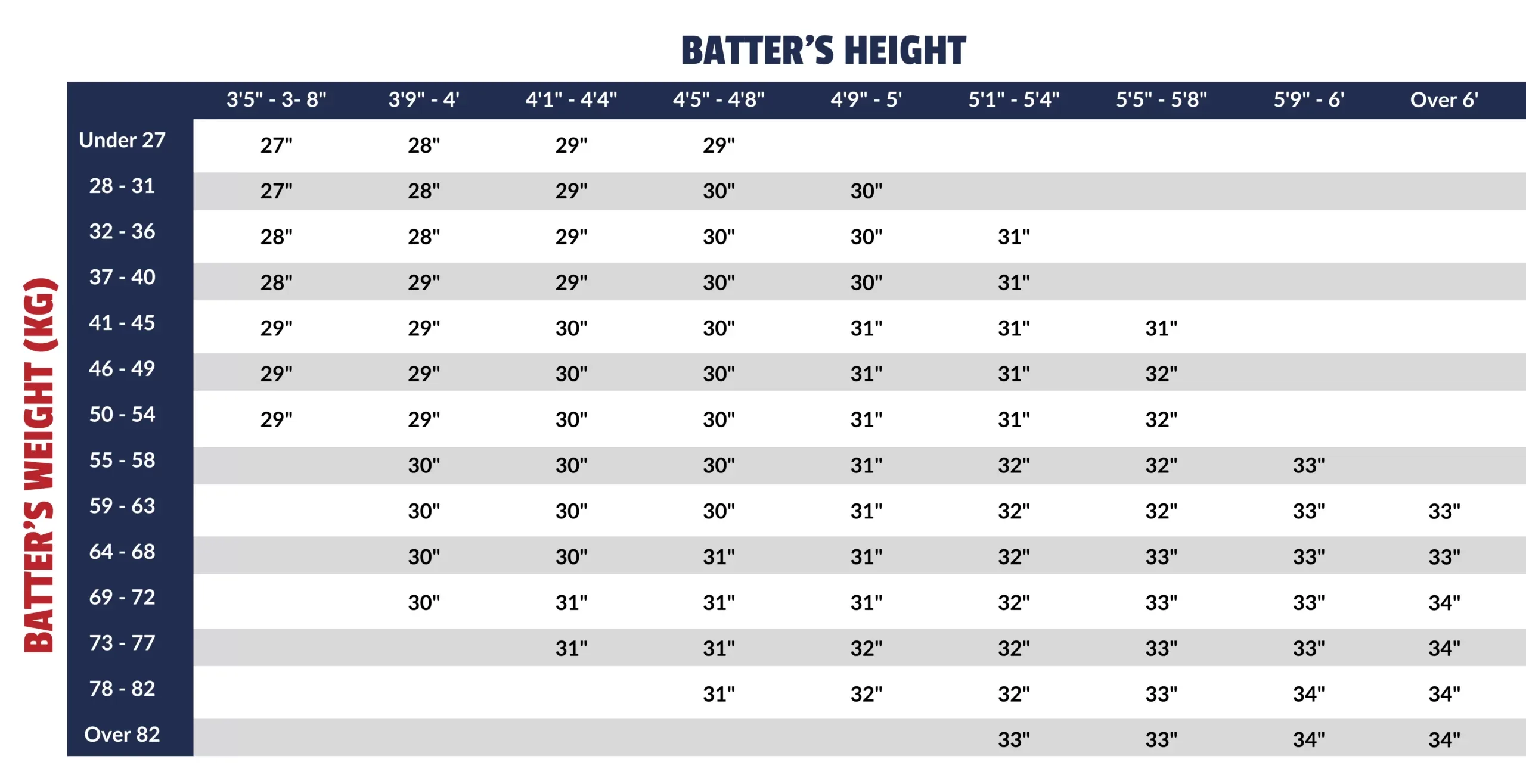
These are fundamental biometric data points for initial bat sizing recommendations. Generally, taller and heavier players can manage longer and heavier bats more effectively. A common guideline suggests that for every inch in height or every 10 pounds in weight, a player might increase bat length by half an inch or bat weight by an ounce. However, these are merely starting points, crude initial estimations. A player’s build influences their physical leverage and strength, which are direct determinants of the bat dimensions they can effectively wield. Think of it as adjusting the ergonomic settings on a high-performance tool based on the user’s physical stature.
Strength and Swing Speed: Advanced Performance Metrics
Beyond static measurements, a player’s dynamic attributes — their inherent strength and natural swing speed — are paramount. A strong player with high bat speed can generate more power with a heavier bat, as the increased mass translates to greater momentum upon impact. Conversely, a player with less strength or a naturally slower swing will benefit from a lighter bat, which allows for quicker bat speed through the zone, compensating for less inherent power. This is where the nuanced “tuning” comes in. Some players prioritize bat speed for contact hitting, while others might sacrifice a fraction of speed for the potential of greater power from a heavier bat. Evaluating these metrics often requires real-time feedback and careful observation, similar to performance benchmarking different hardware configurations.
Testing and Refinement: The Iterative Process of Gadget Selection
Choosing the correct bat is rarely a one-shot process. It’s an iterative cycle of testing, evaluation, and refinement, much like optimizing software or debugging a system. Several practical tests can help validate initial selections and fine-tune the decision.
The “Arm’s Length” Test: A Quick Tech Check

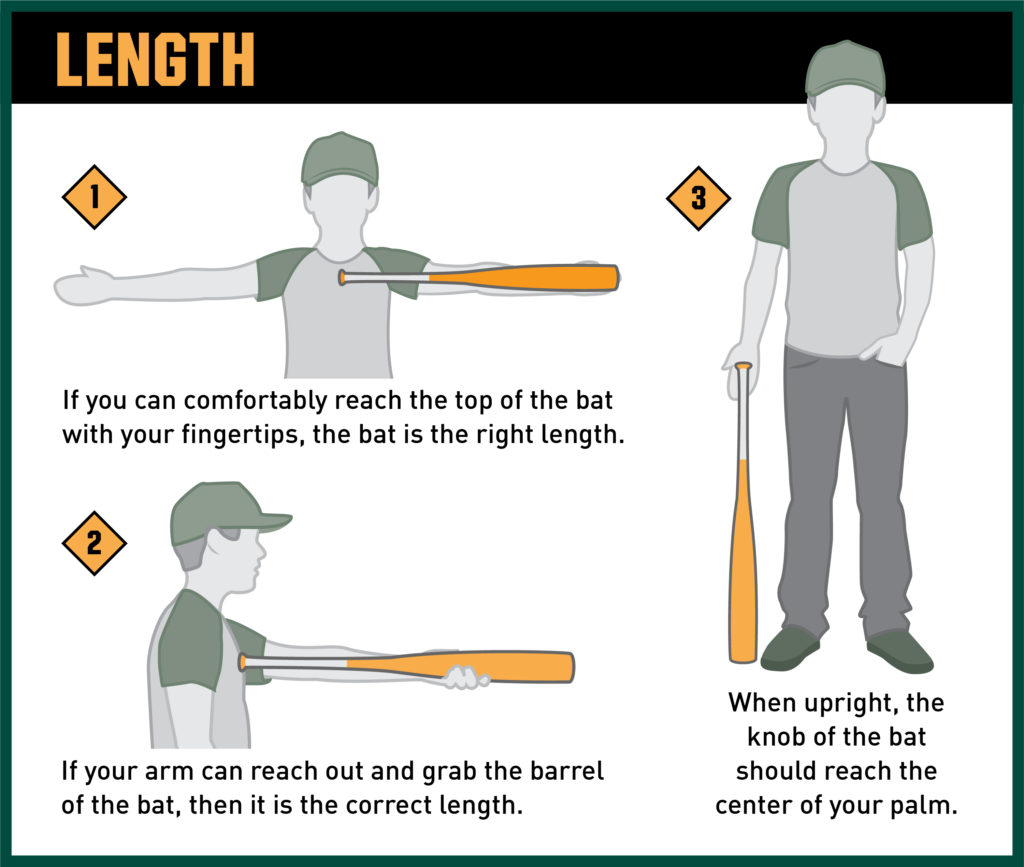
This is a simple, preliminary diagnostic. A player stands straight and places the knob of the bat in the center of their chest, extending their arm straight out to the side. If they can comfortably reach the end of the bat with their fingertips, the length is generally considered appropriate. If they cannot reach, the bat might be too long, potentially hindering control. If they can easily overlap their fingers past the end, it might be too short, limiting plate coverage. While not definitive, it provides an immediate physical feedback loop.
The “Balance” Test: Gauging Feel and Control
The feel of the bat in the hands is a subjective but critical performance indicator. Players should grip the bat normally and attempt to hold it straight out to the side with one hand for 20-30 seconds. If the bat feels too heavy or causes significant strain, it’s likely too heavy for optimal swing mechanics. This test helps assess the bat’s “ergonomics” and whether the player can comfortably manipulate the “device” without undue fatigue or loss of control, which directly impacts swing consistency and energy transfer.
Live Swings and Feedback: Real-World Performance Data
The most definitive test is actual hitting. Taking practice swings, soft-toss, and ultimately live batting practice provides invaluable performance data. Does the bat feel balanced through the swing? Is the player consistently making solid contact? Is bat speed optimal? Pay attention to how the bat feels on contact and how the ball comes off the bat. A bat that feels “right” will allow the player to maintain their natural swing path and generate maximum energy transfer. It’s the ultimate “user acceptance testing” for the bat as a performance tool. Multiple swings with different bats will yield comparative performance data, allowing for an informed decision based on empirical evidence.
Advanced Bat Technologies and Their Impact on Sizing
Modern baseball bats incorporate sophisticated engineering and material science, offering a range of “features” that influence how players should approach sizing. Understanding these technological distinctions is crucial for making an informed choice.
Composite vs. Alloy: Material Science and Swing Dynamics
The primary material distinction in non-wood bats is between aluminum alloy and composite materials.
- Alloy bats (single-piece or multi-piece) are typically ready to perform out of the wrapper. They offer a stiffer feel and often a characteristic “ping” sound. They tend to be more durable in cold weather. From a sizing perspective, alloy bats often have a more concentrated weight distribution, which can make them feel slightly heavier than composite bats of the same stated weight, requiring a player to potentially adjust their chosen weight downwards for equivalent swing feel.
- Composite bats consist of layered carbon fiber materials. They often require a “break-in” period to reach their full performance potential. Composite bats are known for having a larger sweet spot and a “trampoline effect” that can launch balls further. Technologically, their weight can be more evenly distributed throughout the bat, making them feel lighter to swing than an alloy bat of the same overall weight. This “balanced” feel allows some players to swing a slightly heavier composite bat than they would an alloy bat, potentially increasing power. Understanding these material science differences helps in fine-tuning weight selection.
Balanced vs. End-Loaded: Weight Distribution as a Performance Feature
Beyond overall weight, the distribution of that weight significantly impacts swing dynamics.
- Balanced bats have their weight distributed evenly throughout the barrel. This design promotes faster bat speed and greater control, making them suitable for contact hitters or players prioritizing precision and quickness through the strike zone. They are the equivalent of an agile, quick-response tool.
- End-loaded bats have more weight concentrated towards the end of the barrel. This creates a “hammering” effect, generating more momentum and power, ideal for power hitters who can maintain bat speed with the added weight. However, they require more strength and may reduce swing speed and control for some players. Choosing between balanced and end-loaded is a strategic decision based on a player’s hitting philosophy and physical capabilities, much like opting for a high-torque engine over a high-RPM one.
Drop Weight Explained: The Power-to-Control Ratio
“Drop weight” (or “drop”) is a critical specification for non-wood bats, calculated by subtracting the bat’s weight in ounces from its length in inches (e.g., a 30-inch bat weighing 20 ounces has a -10 drop). A larger negative drop number indicates a lighter bat for its length, promoting faster swing speeds. A smaller negative drop number means a heavier bat for its length, often associated with more power. League regulations often set minimum drop weights (e.g., -3 for BBCOR bats). The drop weight essentially quantifies the power-to-control ratio inherent in a bat’s design, guiding players to select a “device” that matches their desired performance output characteristics.
Beyond the Basics: Fine-Tuning Your Equipment Setup
Optimizing bat selection goes beyond just length and weight; it also encompasses ergonomic considerations and strategic planning for future performance.
Grip and Feel: Ergonomics and User Interface
The bat’s grip is its primary user interface. A comfortable, secure grip is essential for maintaining control and transferring power. Players may customize their grip with specialized tape or sleeves to enhance feel, reduce vibration, and improve traction. This ergonomic adjustment ensures that the bat feels like a natural extension of the hands, minimizing slippage and maximizing confidence at the plate.
Future-Proofing Your Bat Selection
For developing players, especially in youth leagues, it’s important to consider growth. While a bat should fit the player now, it’s also wise to anticipate gradual growth in strength and height. Some players opt for a bat that is slightly heavier than their immediate comfort zone, intending to grow into it over a season. However, this must be balanced against the risk of hindering current performance with a bat that is too unwieldy. The goal is to select a bat that maximizes current potential while allowing for a smooth transition as the player’s physical capabilities evolve. This forward-thinking approach ensures that the investment in equipment continues to yield optimal performance over its lifecycle, much like investing in scalable technology.
aViewFromTheCave is a participant in the Amazon Services LLC Associates Program, an affiliate advertising program designed to provide a means for sites to earn advertising fees by advertising and linking to Amazon.com. Amazon, the Amazon logo, AmazonSupply, and the AmazonSupply logo are trademarks of Amazon.com, Inc. or its affiliates. As an Amazon Associate we earn affiliate commissions from qualifying purchases.