
The Core of Rider Safety: Advanced Materials and Design
Modern motorcycle apparel has transcended basic leather and denim, evolving into a sophisticated ecosystem of protective gear engineered with cutting-edge technology. The primary function of any riding garment is to shield the rider from impact, abrasion, and the elements, and today’s innovations achieve this with unprecedented efficacy. The science behind these materials focuses on maximizing protection while minimizing bulk and discomfort, integrating findings from material science, biomechanics, and aerodynamics.
High-Tech Textiles and Armor
The foundation of protective riding gear lies in its material composition. Traditional leather, while robust, has been augmented and often surpassed by synthetic fabrics like Cordura, Kevlar, and SuperFabric. Cordura, a high-tenacity nylon fabric, offers excellent abrasion resistance, often found in textile jackets and pants. Kevlar, renowned for its use in bulletproof vests, provides exceptional cut and abrasion resistance, frequently woven into critical impact zones or used as a lining. SuperFabric, a material embedded with tiny, hard guard plates, delivers superior abrasion, cut, and puncture resistance, often applied to areas most vulnerable in a slide, such as elbows, shoulders, and knees.

Beyond the outer shell, impact protection is paramount. CE (Conformité Européenne) certified armor, strategically placed at shoulders, elbows, hips, and knees, is standard. The technology in these armor inserts has seen significant advancements, moving from rigid plastic to flexible, energy-absorbing polymers. D3O, for instance, is a non-Newtonian material that remains soft and pliable under normal conditions, allowing for comfort and freedom of movement. However, upon impact, its molecules lock together, absorbing and dissipating energy before instantly returning to its flexible state. Similar technologies include Sas-Tec and KNOX Micro-Lock, which utilize visco-elastic materials designed to deform and absorb kinetic energy, minimizing trauma to the rider’s body. These advancements ensure that protection doesn’t come at the cost of rider mobility or comfort, facilitating better control and reducing fatigue.
Aerodynamic and Ergonomic Innovations
Beyond material strength, the design of riding gear plays a crucial role in rider performance and safety. Aerodynamics, once primarily a concern for race suits, is now integrated into everyday riding apparel. Features like pre-curved sleeves and legs, stretch panels, and ventilation systems are not merely comfort features; they are engineered to reduce drag, prevent material bunching, and maintain an optimal riding posture. Textile jackets and pants often feature multiple adjustment points (straps, zippers) to ensure a snug, aerodynamic fit that prevents flapping at speed, which can be distracting and fatiguing.
Ergonomic considerations also extend to ventilation technology. Modern jackets and pants incorporate sophisticated airflow management systems, including zippered vents, mesh panels, and moisture-wicking liners. These systems leverage material science (e.g., Gore-Tex, Drystar) to allow perspiration to escape while preventing water ingress, maintaining rider comfort and focus in varying weather conditions. For cold weather, thermal liners often use advanced insulation materials that are lightweight yet highly effective at trapping heat. The integration of ergonomic design principles ensures that gear moves with the rider, not against them, enhancing both safety and the overall riding experience.
Integrated Electronics: Smart Gear for the Modern Rider
The digital revolution has seamlessly merged with motorcycle apparel, introducing an array of smart features that enhance safety, communication, and comfort. From sophisticated communication devices to augmented reality displays, integrated electronics are transforming the rider’s experience. This convergence of hardware and software within protective gear underscores a significant trend towards active safety and convenience.
Communication Systems and GPS Integration
Bluetooth communication systems are perhaps the most common electronic integration in modern riding gear. Units from brands like Sena, Cardo, and Uclear can be seamlessly integrated into helmets, allowing riders to communicate with passengers or other riders in their group, take calls, listen to music, and receive GPS directions without removing their hands from the handlebars. These systems often feature advanced noise-canceling technology to ensure clear audio even at highway speeds. Some even offer mesh networking capabilities, allowing large groups of riders to stay connected dynamically, automatically re-routing signals if a rider drops out of range. The ability to receive turn-by-turn navigation directly into the helmet’s speakers greatly enhances safety by allowing riders to keep their eyes on the road, minimizing distractions from handheld devices. Furthermore, dedicated apps often accompany these systems, enabling firmware updates, equalizer adjustments, and easy pairing management directly from a smartphone.
Smart Helmets and Augmented Reality Displays
The next frontier in helmet technology is the smart helmet, which integrates sophisticated electronics directly into the head protection. These helmets often feature heads-up displays (HUDs) that project vital information, such as speed, GPS directions, and caller ID, directly into the rider’s field of vision. Companies like Skully (though defunct, paved the way) and more recent entrants like Forcite or CrossHelmet have pushed the boundaries of what a helmet can do. Some smart helmets include integrated rear-view cameras that display real-time video on a small screen within the helmet, eliminating blind spots. Voice command integration allows riders to control various functions without physical interaction, further enhancing safety. The underlying software platforms for these smart helmets are often proprietary, requiring regular updates to improve functionality, add features, and patch security vulnerabilities, much like smartphone operating systems.
Heated Gear and Climate Control
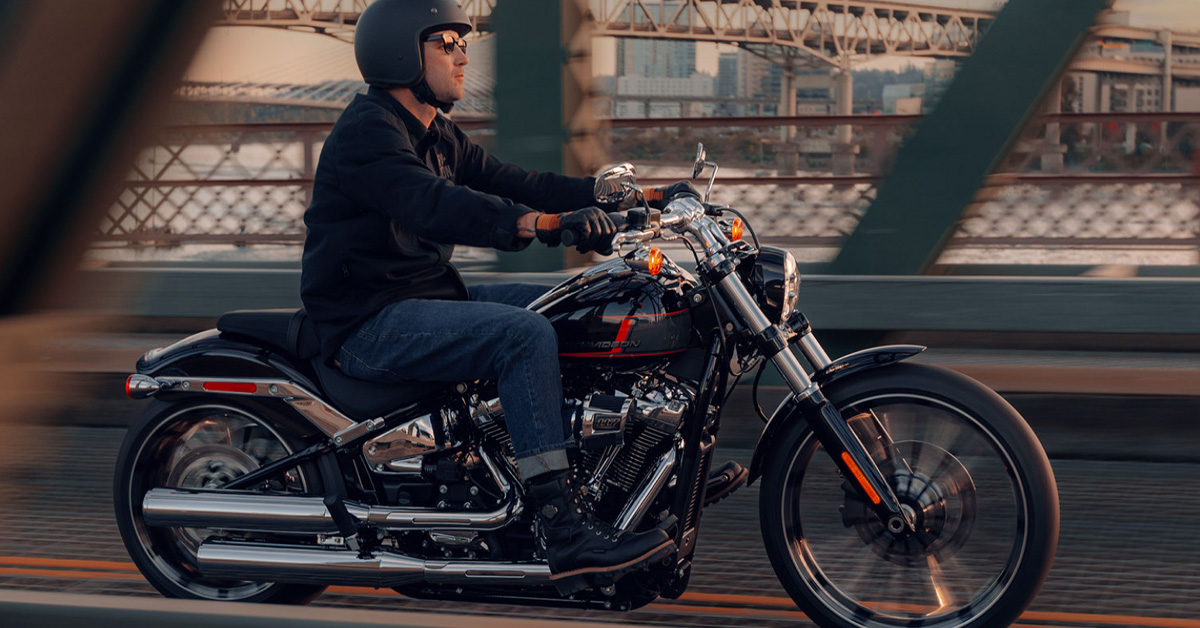
Riding in cold weather presents unique challenges, which technology has addressed through electronically heated gear. Jackets, gloves, pants, and insoles are now available with integrated heating elements powered by the motorcycle’s electrical system or rechargeable battery packs. These systems typically feature multiple heat settings, allowing riders to precisely control their comfort level through dedicated controllers or even smartphone apps. The technology employs thin, durable heating wires or carbon fiber elements strategically placed to distribute warmth evenly. Some advanced systems include thermostatic controls that automatically adjust heat output based on ambient temperature, optimizing energy consumption and rider comfort. The integration of such intelligent climate control ensures that riders can maintain dexterity and focus, crucial for safe operation in cold environments, without the bulk of excessive layers.
The Future of Protection: Wearable Airbags and Impact Sensors
Perhaps the most significant leap in motorcycle safety technology is the advent of wearable airbag systems. Drawing inspiration from automotive airbag technology, these systems offer a critical layer of active protection, deploying instantly upon detecting an imminent crash. This represents a paradigm shift from passive protective gear to active, responsive safety systems.
Standalone vs. Integrated Airbag Systems
Motorcycle airbag systems generally fall into two categories: standalone and integrated. Standalone systems, such as those from Dainese (D-air) or Alpinestars (Tech-Air), are typically vests worn over or under a compatible jacket. They contain their own sensors, processing units, and gas inflators. These systems use complex algorithms, accelerometer data, and gyroscopes to detect various crash scenarios, including high-siding, low-siding, and direct impacts, triggering inflation in milliseconds. Integrated systems, on the other hand, are built directly into specific riding jackets or suits, often designed as a complete safety package. The primary advantage of standalone systems is their versatility, being compatible with a wider range of outer garments. Both types offer significant protection to critical areas like the back, chest, shoulders, and collarbones, drastically reducing the risk of severe injuries. The technology continuously evolves, with ongoing improvements in sensor accuracy, inflation speed, and multi-impact capabilities. Maintenance often involves checking battery levels and, after deployment, professional re-packing and cartridge replacement, sometimes managed through connected apps.
Data-Driven Safety: Sensors and Analytics
The intelligence behind wearable airbags and other active safety systems is powered by sophisticated sensor technology and advanced data analytics. Inertial Measurement Units (IMUs) containing accelerometers and gyroscopes constantly monitor the rider’s movement and orientation. These sensors feed data into powerful microprocessors that run predictive algorithms. These algorithms differentiate between normal riding maneuvers and a crash event, preventing accidental deployments while ensuring rapid response in a genuine emergency. Some systems even connect wirelessly to the motorcycle itself, leveraging the bike’s own sensor data (e.g., GPS, lean angle, speed) to enhance collision detection accuracy.
The collection of this data not only serves immediate safety functions but also holds potential for future innovations. Aggregated, anonymized data on crash types, impact forces, and injury outcomes can inform the design of even safer gear and motorcycles. Furthermore, the ability to log ride data can provide insights into rider performance, allowing for self-improvement or even insurance premium adjustments based on demonstrated safe riding habits, managed through companion apps and cloud-based platforms.
Digital Tools for Gear Selection and Maintenance
The journey of selecting and maintaining motorcycle gear is increasingly supported by digital tools, transforming what was once a tactile, in-store experience into a data-rich, informed process. From virtual try-ons to community-driven reviews and maintenance reminders, technology simplifies the entire lifecycle of riding apparel.
Virtual Fitting and Online Reviews
The proliferation of e-commerce for motorcycle gear has necessitated digital solutions for sizing and fit. Many online retailers now offer sophisticated sizing guides, often based on extensive databases of body measurements and product dimensions. Some are even experimenting with augmented reality (AR) apps that allow riders to “virtually try on” jackets and helmets using their smartphone cameras, providing a rudimentary visual assessment of fit before purchase. While not a replacement for physical try-ons, these tools help narrow down choices and reduce return rates.
Crucially, online reviews and community forums serve as invaluable resources for prospective buyers. Platforms dedicated to motorcycle gear, alongside general e-commerce sites, host thousands of user reviews, offering real-world insights into fit, durability, comfort, and technological performance. These reviews often cover specific integration aspects, such as how well a particular helmet accommodates a Bluetooth communicator or how a jacket interfaces with a specific airbag vest. Utilizing advanced search filters and AI-driven sentiment analysis on these platforms can help riders quickly identify gear that meets their specific needs and technical requirements.

Maintenance Apps and Longevity Tips
Extending the life and maintaining the performance of high-tech motorcycle gear is crucial, and digital tools are beginning to assist in this area. Many premium gear manufacturers provide detailed care instructions accessible via QR codes or dedicated sections on their websites. Some even offer companion apps that provide personalized maintenance schedules, reminding riders when to clean waterproof membranes, re-treat leather, or check the battery status of electronic components.
These apps can also offer tutorials on proper washing techniques for technical fabrics, troubleshooting guides for integrated electronics, and reminders for periodic professional inspections, especially for airbag systems. The ability to log purchase dates, warranty information, and service records within an app ensures that riders can maximize the lifespan and safety efficacy of their investment. As gear becomes more complex and technologically advanced, digital support systems become essential for ensuring riders get the most out of their sophisticated protective apparel.
aViewFromTheCave is a participant in the Amazon Services LLC Associates Program, an affiliate advertising program designed to provide a means for sites to earn advertising fees by advertising and linking to Amazon.com. Amazon, the Amazon logo, AmazonSupply, and the AmazonSupply logo are trademarks of Amazon.com, Inc. or its affiliates. As an Amazon Associate we earn affiliate commissions from qualifying purchases.