
The names we assign to places, especially those of significant public infrastructure, carry immense weight. They encapsulate identity, history, and aspiration. For one of the world’s most recognizable international gateways, New York’s John F. Kennedy International Airport (JFK), its current moniker is globally synonymous with travel, commerce, and a bustling metropolitan hub. Yet, before it bore the name of a revered president, this monumental facility operated under a different, more descriptive brand. Understanding this evolution offers a compelling case study in brand strategy, the power of naming, and the profound impact of identity shifts for public entities.
The Genesis of a Global Gateway: New York International Airport
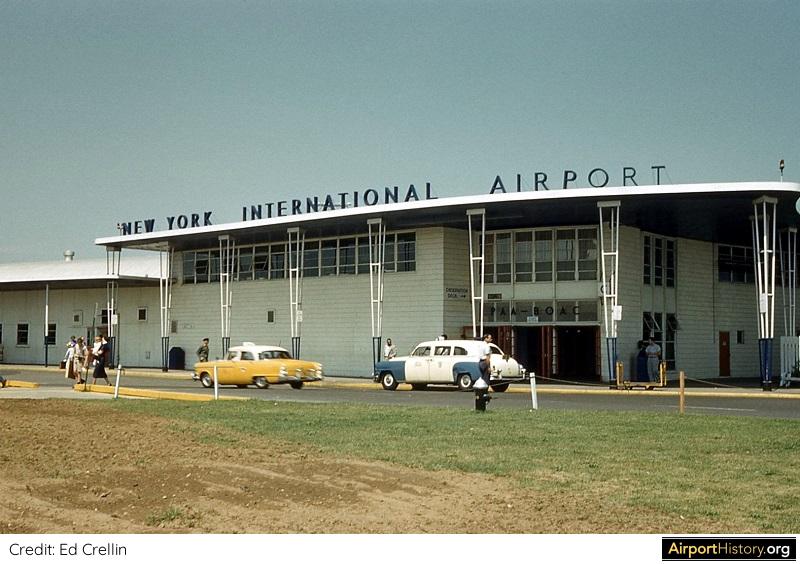
Long before it became known as JFK, the airport opened its sprawling runways and terminals under the brand name New York International Airport. Inaugurated on July 1, 1948, it was strategically conceived as the primary international aviation hub for New York City, designed to relieve the mounting pressure on the city’s existing LaGuardia Airport, which had become overwhelmed by post-World War II air traffic.
Establishing a Post-War Identity
The immediate post-war era witnessed an unprecedented boom in commercial aviation. Air travel was rapidly transitioning from a novelty to a critical mode of transport for business and leisure. New York, as a global financial and cultural capital, required an airport commensurate with its international stature. The name “New York International Airport” was a clear, unambiguous brand statement. It immediately communicated its geographic location, its primary function, and its ambitious scope. This initial branding reflected a practical, functional approach, prioritizing clarity and directness in an era where the concept of “branding” was less sophisticated than today, particularly for public utilities.
The Functional Naming Strategy
The choice of “New York International Airport” epitomized a functional naming strategy. It was descriptive, telling stakeholders exactly what the entity was and where it was located. This approach minimized ambiguity and facilitated easy identification for passengers, airlines, and logistical operators worldwide. In an age before complex global brand matrices, a straightforward name was a powerful tool for establishing credibility and operational identity. Its brand promise was simple: a large-scale, modern airport catering to international air travel, serving the city of New York. This directness built a foundational recognition that would eventually serve as the springboard for a more emotionally resonant rebranding. While lacking the personal gravitas of its future name, “New York International Airport” successfully established its functional brand equity and laid the groundwork for its eventual iconic status.
From Functional to Iconic: The John F. Kennedy Rebranding
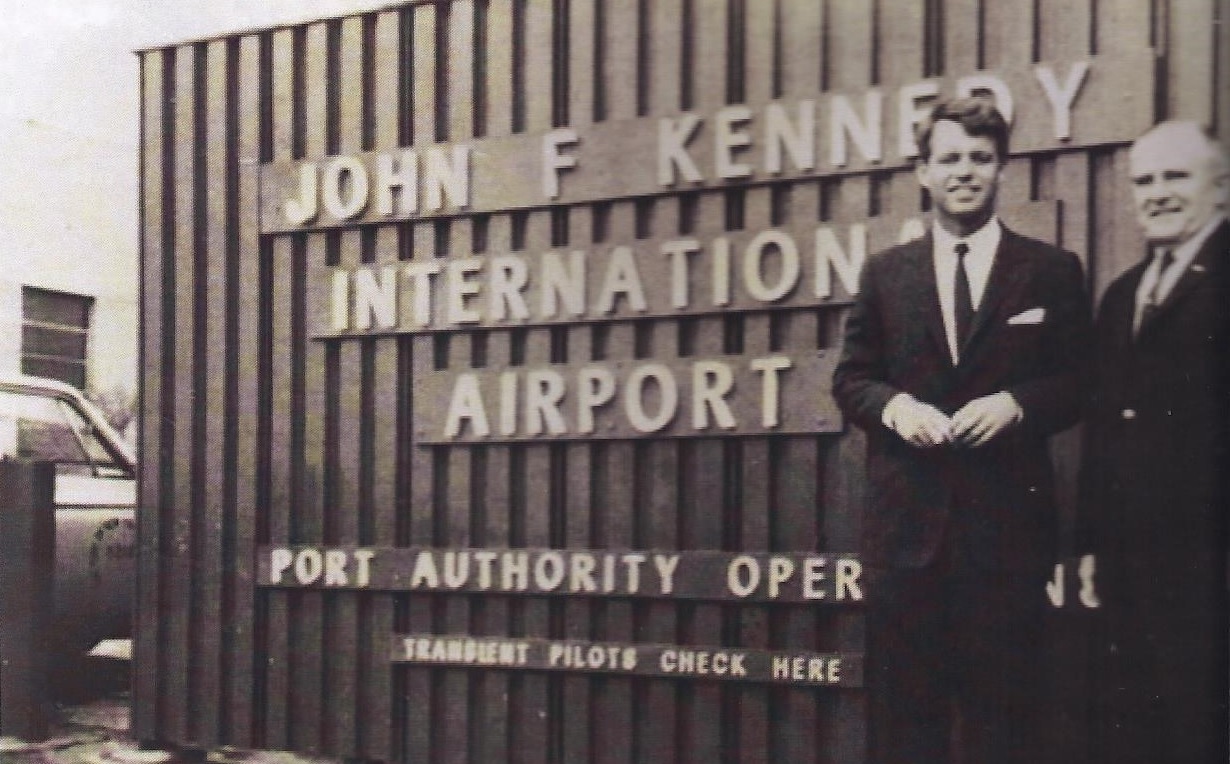
The transformation of New York International Airport into John F. Kennedy International Airport was not merely a cosmetic change; it was a profound rebranding driven by national tragedy and an enduring desire to immortalize a leader. This shift elevated the airport’s brand from a purely functional identifier to a symbol imbued with deep emotional and historical significance.
The Impetus for Change: A Nation’s Mourning
The assassination of President John F. Kennedy on November 22, 1963, sent shockwaves across the United States and the world. In the immediate aftermath, there was a widespread desire to honor the fallen president and preserve his legacy. Renaming significant public landmarks became a poignant and visible way to achieve this. New York International Airport, a gateway to the nation and a symbol of progress and global connection—values often associated with Kennedy himself—was a fitting choice. Less than a month after his death, on December 24, 1963, the airport was officially renamed John F. Kennedy International Airport. This rapid rebranding underscored the emotional urgency and collective will behind the decision.
Strategic Implications of a Memorial Name
The renaming held significant strategic implications for the airport’s brand. Firstly, it injected immense emotional capital into the airport’s identity. No longer just a functional transportation hub, it became a living memorial, a testament to a leader whose vision for America and its place in the world resonated deeply. This emotional connection transcended the purely transactional nature of air travel, fostering a sense of national pride and historical awareness among its users.
Secondly, the name change aligned the airport with a universally recognized global figure. John F. Kennedy, even in death, possessed unparalleled brand recognition. Associating the airport with his name instantly elevated its profile on the international stage, imbuing it with a layer of prestige and historical significance that a purely descriptive name could never achieve. It became not just an international airport in New York, but the John F. Kennedy International Airport—a distinct, globally identifiable entity.
The Power of Association: Legacy and Prestige
The power of association is a cornerstone of effective branding. By adopting President Kennedy’s name, the airport inherited a brand legacy steeped in ideals of public service, innovation, and global engagement. This association lent the airport an aura of gravitas and importance. It ceased to be merely an operational facility and evolved into a monument, a symbol that resonated far beyond its physical confines. This rebranding was a masterclass in leveraging an existing powerful personal brand to elevate an institutional identity, creating a synergistic relationship where the airport honored Kennedy, and in turn, Kennedy’s name elevated the airport’s global standing and recognition. The new name was not just a label; it was a narrative, a historical marker, and a promise of connection to a significant past.
Branding Beyond the Name: Visual Identity and User Experience
While the name “John F. Kennedy International Airport” provided an undeniably powerful core brand identity, the airport’s brand strategy extended far beyond its appellation. For a major international hub, the holistic brand experience—encompassing visual identity, architecture, and the flow of user experience—is crucial in shaping perceptions and loyalty among a diverse, global audience.
Designing for a Global Audience
An international airport serves as a critical first and last impression for visitors to a city or country. As such, its visual identity—from signage and wayfinding to marketing materials and digital presence—must be meticulously crafted to be universally understood and aesthetically appealing. JFK’s various terminals, operated by different airlines, each contribute to the overall brand tapestry. While there isn’t a single, monolithic corporate identity manual for the entire airport in the same way a single company might have, the Port Authority of New York and New Jersey, which operates JFK, strives for a coherent user experience. This involves ensuring consistent standards for clarity, multilingual support, and a sense of welcome that reflects New York’s diverse and dynamic character. The visual cues, color palettes, and typographic choices across shared spaces aim to project efficiency, modernity, and a distinctly New York flair, all contributing to the overarching JFK brand.
Architecture as a Brand Statement
Perhaps one of the most compelling aspects of JFK’s branding beyond its name lies in its architectural legacy. Early terminal designs at JFK were pioneering, with some becoming iconic symbols of mid-century modernism and the jet age. The most famous example is Eero Saarinen’s TWA Flight Center (now the TWA Hotel), a masterpiece of organic architecture. This building, with its soaring, wing-like concrete shells and futuristic interior, was a powerful brand statement for TWA and, by extension, for JFK itself. It communicated innovation, sophistication, and a vision for the future of travel. Even today, the preservation and adaptive reuse of such structures contribute significantly to JFK’s unique brand story, distinguishing it from other airports. These architectural marvels serve as tangible representations of the airport’s history, its ambition, and its role as a cultural landmark, enriching its overall brand narrative beyond mere functionality.
Navigating a Complex Brand Ecosystem
JFK operates as a complex brand ecosystem, a microcosm of many brands coexisting under one umbrella. Airlines, concessionaires, ground transport services, and various operational entities each have their own brand identities. The challenge for JFK’s overarching brand management is to provide a cohesive framework that allows these individual brands to thrive while contributing positively to the airport’s reputation. This involves setting standards for service, maintaining infrastructure, and fostering an environment that reflects the dynamism and expectations associated with New York and the Kennedy legacy. The seamless, or striving for seamless, integration of diverse brand experiences under the unified JFK banner is a continuous strategic endeavor, aiming to deliver a consistent quality promise that reinforces its status as a premier global gateway.
Lessons from JFK: Naming and Rebranding in Practice
The journey of JFK Airport, from a functionally named international airport to a globally recognized memorial brand, offers invaluable lessons for brand strategists and businesses alike. It highlights the multifaceted nature of brand identity and the power of strategic nomenclature.
The Enduring Value of Legacy Naming
The renaming of the airport in honor of President Kennedy transformed its brand equity overnight. This demonstrates the profound impact of legacy naming, where an institution adopts the name of a person or event with significant historical or cultural resonance. Such a strategy can imbue a brand with instant credibility, emotional depth, and a narrative that extends beyond its primary function. It leverages pre-existing positive associations and often ensures a longer-lasting, more memorable identity than purely descriptive names. For brands considering a similar approach, understanding the target audience’s connection to the legacy figure or event is paramount for authentic and impactful adoption.
Adapting Identity for Relevance and Resonance
The shift from “New York International Airport” to “John F. Kennedy International Airport” was not just a name change; it was an adaptation of identity to achieve greater relevance and resonance. The initial name served its purpose in establishing a new entity. However, the subsequent rebranding injected an emotional and symbolic layer that greatly enhanced its appeal and recognition. This illustrates the importance of regularly assessing a brand’s identity to ensure it remains pertinent and impactful in a changing world. Brands must sometimes evolve their core identifiers to connect more deeply with their stakeholders, whether driven by cultural shifts, market demands, or significant historical events. Stagnation in identity can lead to obsolescence, whereas strategic evolution can revitalize perception and purpose.
Public Entities and Brand Stewardship
The case of JFK underscores that branding principles apply equally, if not more intensely, to public entities as they do to commercial enterprises. Governments, public services, and infrastructure projects are not immune to the need for a strong, clear, and resonant brand. Effective brand stewardship for public entities involves not only choosing appropriate names and visual identities but also maintaining consistent service quality, communicating clear values, and adapting to public sentiment. For an airport, this means ensuring operational efficiency, passenger safety, and a welcoming environment, all of which contribute to the overall brand experience. The name “John F. Kennedy” imposes a certain expectation of quality, gravitas, and national pride, demanding continuous vigilance in brand delivery.
The Lasting Impact: A Brand Synonymous with New York
Today, John F. Kennedy International Airport is more than just a transportation hub; it is a global landmark. Its name carries weight, conjuring images of international travel, the bustling energy of New York City, and a historical connection to a transformative era in American history. The rebranding was successful not just in bestowing a new name, but in fundamentally altering the perception and identity of a critical piece of national infrastructure.
Global Recognition and Cultural Significance
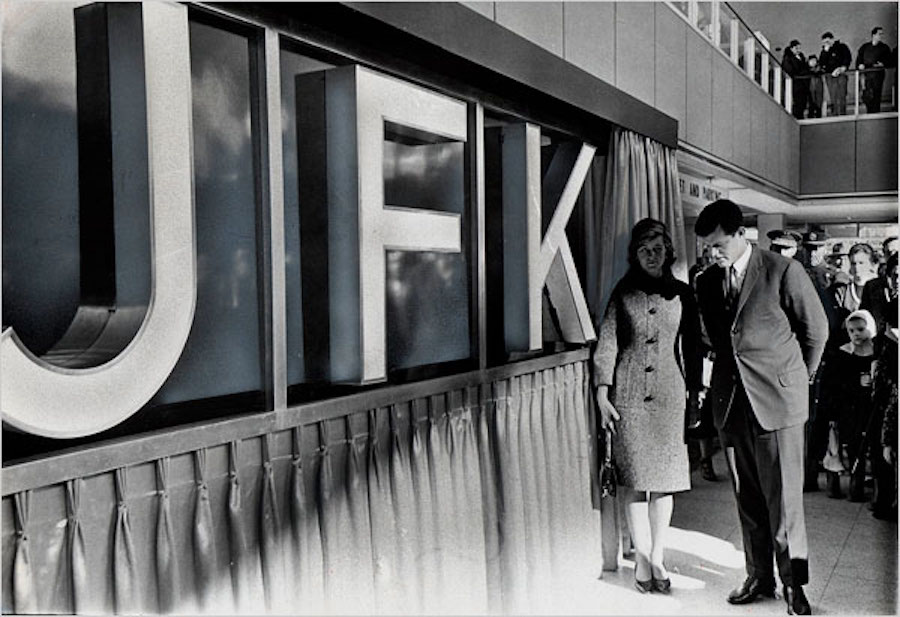
The name “JFK” has achieved remarkable global recognition, often standing in for New York itself in popular culture, media, and travel discourse. This level of brand penetration is a testament to the strategic renaming and the enduring power of the figure it honors. It signifies a profound cultural embedding, where the airport is not merely a place of transit but a destination with its own story and significance. The constant flow of millions through its gates reinforces this brand daily, creating countless individual experiences that collectively contribute to its global reputation. The brand “JFK” has become shorthand for both sophisticated travel and an iconic city, proving that a well-conceived and executed rebranding can elevate an entity to international renown, forging an unbreakable link between a physical location, a historical figure, and a powerful cultural narrative.
aViewFromTheCave is a participant in the Amazon Services LLC Associates Program, an affiliate advertising program designed to provide a means for sites to earn advertising fees by advertising and linking to Amazon.com. Amazon, the Amazon logo, AmazonSupply, and the AmazonSupply logo are trademarks of Amazon.com, Inc. or its affiliates. As an Amazon Associate we earn affiliate commissions from qualifying purchases.