
The Brand of Westeros: Crafting Narrative Identity
The narrative universe of Game of Thrones was, at its core, a meticulously constructed brand. HBO invested heavily in creating a rich, immersive world with complex characters, intricate political maneuvering, and a sprawling epic fantasy aesthetic. Each character, house, and major plotline served as an integral component of this overarching brand identity, contributing to its appeal, its differentiation, and its engagement with a global audience. The promise of the Game of Thrones brand was grand: a brutal, realistic fantasy where destiny was forged not by prophecy alone, but by wit, power, and relentless ambition. This foundational brand promise set high expectations for character development, plot resolution, and overall narrative satisfaction. Within this complex brand ecosystem, individual characters like Bran Stark were not merely players; they were branded entities, each with a distinct arc intended to contribute to the series’ thematic depth and audience investment.
The Promise of a Royal Lineage
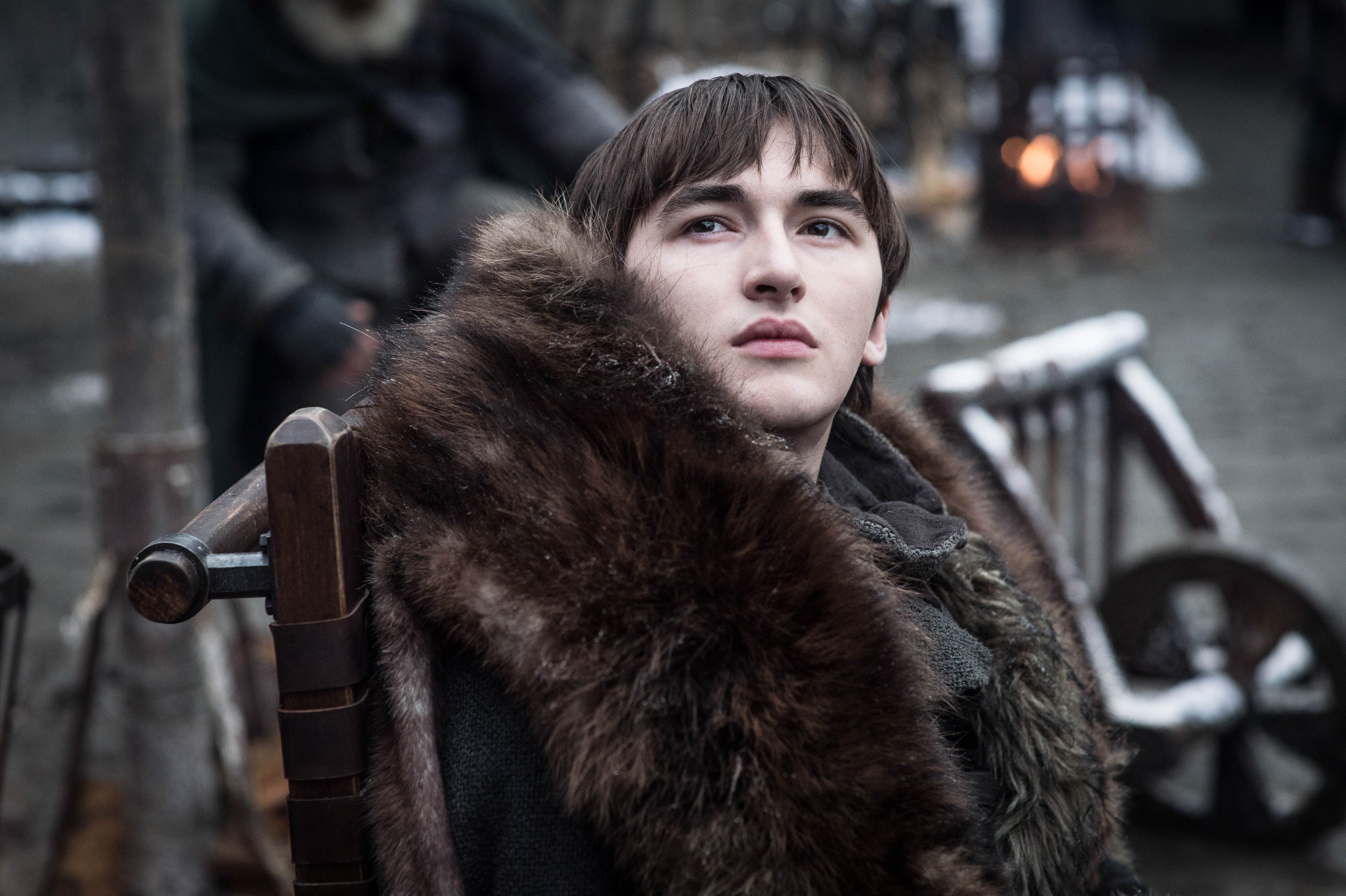
From the outset, the Stark family, represented by characters like Bran, symbolized integrity, resilience, and a tragic nobility. Their branding within the narrative was built on a foundation of honor and survival against overwhelming odds. Bran, initially portrayed as a curious, adventurous boy, carried the implicit promise of growth and significance. His early paralysis, seemingly a debilitating blow, instead hinted at a deeper, non-physical journey. This trajectory created a sub-brand within the larger Game of Thrones narrative: the “disabled hero” who would find power in unexpected places. For the audience, this generated a unique form of engagement, fostering empathy and anticipation for how his distinct path would intersect with the broader struggle for power in Westeros. His eventual survival and mystical evolution were therefore not just plot points, but brand statements about the nature of power, sacrifice, and leadership within the Game of Thrones universe.
Bran’s Transformation: From Protagonist to Paradox
Bran Stark’s evolution throughout Game of Thrones presents a fascinating case study in narrative branding, particularly concerning how a character’s identity is reshaped and perceived over time. His journey from an aspiring knight to a paraplegic mystic, the Three-Eyed Raven, marked a dramatic pivot in his personal brand. Initially, his brand was one of youthful innocence and potential, tragically cut short but imbued with resilience. As he delved deeper into magic and ancient knowledge, his character’s brand shifted towards one of enigmatic wisdom, detachment, and an almost omniscient presence. This transformation was strategically significant, intended to elevate him beyond conventional hero archetypes and position him as a unique, powerful force in the series’ endgame.
The Three-Eyed Raven: A Strategic Rebranding?
The rebranding of Bran as the Three-Eyed Raven was a deliberate narrative choice, aimed at distinguishing him from the more martial or politically driven characters. This new identity emphasized insight, memory, and a connection to the fundamental truths of the world, rather than physical prowess or direct leadership. From a branding perspective, the Three-Eyed Raven persona was designed to be mysterious, powerful, and ultimately, a critical piece of the overarching Game of Thrones puzzle. It offered a mystical counterpoint to the more grounded power struggles, hinting at a higher purpose and a broader understanding of existence. This strategic rebranding sought to position Bran as an embodiment of the show’s deeper lore and magical elements, enriching the overall brand experience. However, the execution of this rebranding had significant implications for audience engagement and interpretation. The increasing detachment and perceived lack of emotionality in Bran’s character created a gap between the audience’s expectation of a relatable protagonist and the enigmatic figure he became.
Audience Perception and Narrative Disconnect
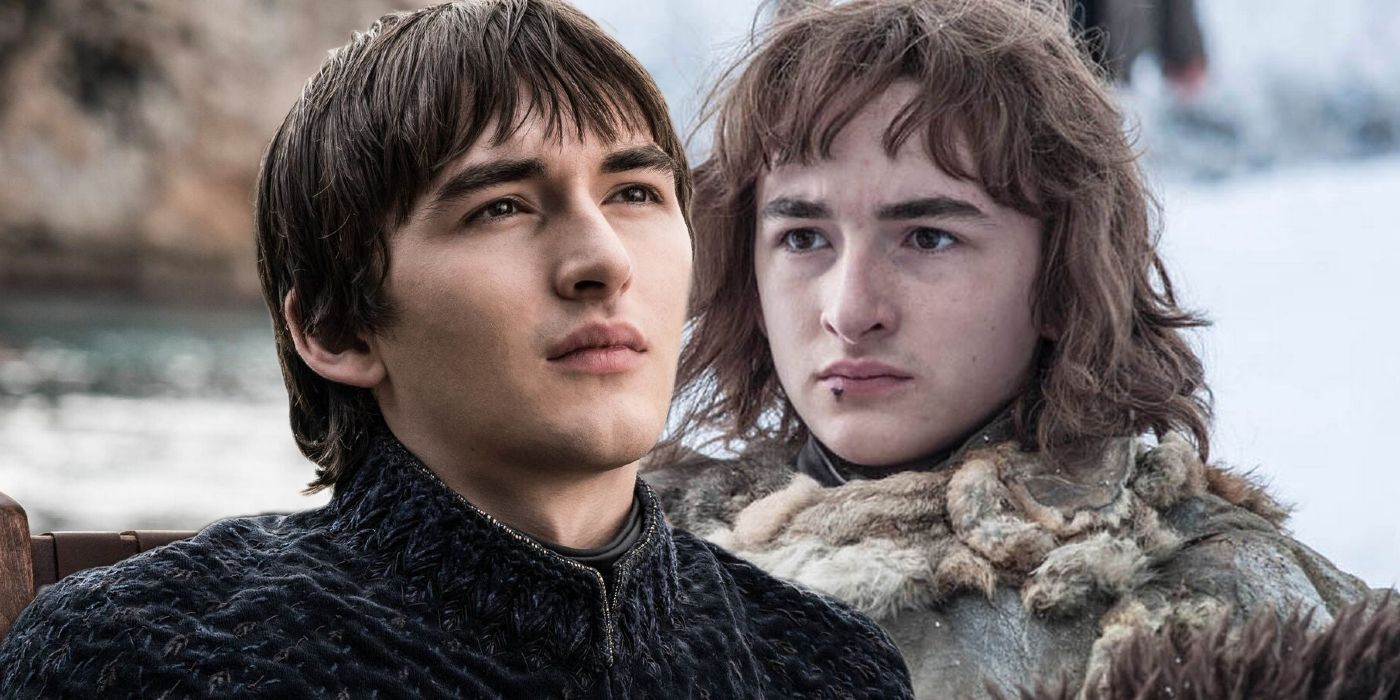
The efficacy of Bran’s rebranding as the Three-Eyed Raven encountered challenges in audience perception. While the concept of an all-knowing, dispassionate entity held intrigue, its execution often left viewers feeling disconnected from his character. The narrative frequently emphasized his loss of self and human emotion, which, while consistent with the Three-Eyed Raven’s lore, made him difficult to invest in as a traditional character. His sparse dialogue and often cryptic pronouncements, coupled with a perceived lack of agency in critical moments, began to erode the emotional resonance that earlier seasons had cultivated. This led to a brand perception where Bran was seen less as an active participant or a compelling hero, and more as a plot device or a passive observer. This disconnect became particularly pronounced in the final seasons, as his transformation reached its apex and his role in the ultimate resolution became paramount, creating a tension between the character’s narrative significance and the audience’s emotional detachment.
The King of the Six Kingdoms: A Brand Disruption
The climactic revelation of Bran Stark as King of the Six Kingdoms was arguably the most significant brand disruption in the entire Game of Thrones narrative. After eight seasons of intense political intrigue, brutal warfare, and complex character development, the decision to elevate the seemingly passive, emotionally distant Three-Eyed Raven to the ultimate seat of power was a bold, and for many, controversial, brand statement. It challenged core fan expectations of heroism, justice, and the traditional path to sovereignty within the Westerosi brand universe. This choice recalibrated the very essence of what constituted a “ruler” in this world, moving away from charisma, military might, or direct lineage towards a more cerebral, observational form of leadership.
Impact on Franchise Loyalty and Legacy
The coronation of Bran as King had a profound and multifaceted impact on the Game of Thrones franchise’s brand loyalty and its legacy. For a segment of the audience, it represented an unexpected, albeit intellectually intriguing, subversion of traditional fantasy tropes, reinforcing the brand’s reputation for unpredictable storytelling. They might have viewed it as a statement on the importance of wisdom and knowledge over brute force or inherited right, aligning with a more philosophical interpretation of the brand. However, for a significant majority, this resolution was perceived as a betrayal of the brand’s established narrative promises. Fans had invested years in characters with clearer motivations and more active roles in the struggle for power. To see a character who had seemingly transcended human ambition and emotional attachment ascend to the Iron Throne (or its equivalent) felt anticlimactic and, for some, illogical.
This perceived disconnect contributed significantly to the widespread dissatisfaction with the final season, affecting the overall brand sentiment. The Game of Thrones brand, once celebrated for its masterful storytelling and character arcs, found its legacy tarnished in the eyes of many. The decision regarding Bran’s ultimate fate became emblematic of a broader perceived decline in narrative quality, impacting rewatchability, merchandise appeal, and the show’s enduring cultural footprint. The “King Bran” outcome inadvertently created a negative feedback loop, where past accomplishments of the brand were viewed through the lens of a disappointing conclusion.
Lessons from Bran’s Arc: Branding Beyond Expectations
Bran Stark’s journey and ultimate ascension offer critical lessons in managing narrative brand identity, particularly for long-form content. His arc demonstrates the delicate balance between subverting expectations and satisfying an audience’s emotional investment. While originality and unpredictability are valuable brand attributes, they must be carefully woven into the existing fabric of the brand’s established identity and character expectations. The “Bran the Broken” outcome, while perhaps conceptually profound from a writer’s perspective, struggled to translate into a satisfying brand experience for a mass audience who had come to expect certain forms of narrative payoff.

Navigating Fan Engagement and Narrative Choices
The Game of Thrones phenomenon highlighted the immense power of fan engagement and how closely intertwined it is with brand loyalty. Audiences become deeply invested in characters, speculating on their futures and forming strong emotional attachments. When narrative choices diverge too sharply from these deeply ingrained expectations without sufficient justification or build-up, it risks alienating the very audience that has fueled the brand’s success. Bran’s path, moving from a relatable boy to an emotionally detached, all-seeing oracle, made it increasingly difficult for fans to connect with him on a personal level. His ultimate coronation, lacking clear ambition or active pursuit of the throne, appeared to contradict the very essence of the “game” that defined the brand.
This case study underscores the importance of a consistent and compelling brand narrative, even when characters undergo radical transformations. While evolution is essential, it must be earned and logically congruent with the established brand personality and thematic pillars. For Game of Thrones, the brand promise was about power, intrigue, and the human condition. Bran’s ending, while offering a unique philosophical commentary, inadvertently diluted the strong, active protagonists that had defined the brand, leading to a complex and often polarizing legacy. Understanding how character arcs impact the broader brand narrative and managing audience expectations remain paramount for any franchise hoping to maintain long-term loyalty and cultural relevance.
aViewFromTheCave is a participant in the Amazon Services LLC Associates Program, an affiliate advertising program designed to provide a means for sites to earn advertising fees by advertising and linking to Amazon.com. Amazon, the Amazon logo, AmazonSupply, and the AmazonSupply logo are trademarks of Amazon.com, Inc. or its affiliates. As an Amazon Associate we earn affiliate commissions from qualifying purchases.