
In the realm of design, whether for a corporate entity or a personal living space, the strategic selection of a color palette is paramount to establishing a clear visual identity. A charcoal grey couch, serving as a robust and elegant anchor, offers an exceptional starting point for defining the “brand” of a room. Much like a brand’s foundational logo color, charcoal grey is versatile, sophisticated, and neutral, providing a canvas upon which to articulate a distinct personality and desired atmosphere. Understanding how to strategically pair colors with this strong neutral can transform a mere collection of furniture into a cohesive, impactful statement, resonating with a specific ethos and psychological impact.

The Foundational Statement: Understanding Charcoal Grey’s Brand Persona
Charcoal grey, deeper and more grounded than lighter greys, exudes a particular set of characteristics that, when applied to a brand’s visual language or a room’s aesthetic, communicate professionalism, stability, and understated luxury. Its inherent neutrality makes it a powerful base, allowing other colors to truly shine and direct the narrative.
The Psychology of Grey: Stability, Sophistication, and Versatility
Psychologically, grey is often associated with balance, neutrality, and timelessness. Charcoal grey, specifically, adds a layer of depth and seriousness. It can convey gravitas and sophistication, a sense of quiet authority, or a foundation of reliability. In a brand context, a predominant use of charcoal grey might suggest a company that is established, trustworthy, and precise. For a living space, a charcoal grey couch embodies these same qualities: it is a piece that feels substantial, enduring, and forms a reliable backbone for the room’s evolving style. It’s not overtly trendy but always chic, providing a stable visual anchor that can withstand shifting design currents. This stability is key for a foundational element, ensuring longevity and adaptability in the overall design strategy.
Grey as a Canvas: Setting the Stage for Brand Expression
The true power of charcoal grey lies in its capacity to act as an impeccable canvas. Unlike bolder colors that might dictate a room’s mood, charcoal grey recedes gracefully, allowing accent colors and textures to come to the forefront and define the space’s “brand message.” It provides a sophisticated backdrop that prevents other colors from clashing, instead encouraging harmony and intentional contrast. This makes it an ideal choice for those who desire flexibility in their design identity, allowing them to subtly shift the room’s character with accessories, art, and secondary furniture pieces. Think of it as a meticulously designed brand guideline document: the core elements are strong, but there’s ample room for creative interpretation and application across various touchpoints.
Strategic Color Pairings: Building a Cohesive Visual Narrative
Selecting complementary colors for a charcoal grey couch is not merely about aesthetic preference; it’s about building a coherent visual narrative that strengthens the room’s intended identity. Each pairing strategy – monochromatic, complementary, or analogous – tells a different story and evokes a distinct emotional response, akin to how a brand chooses its primary and secondary color palettes to target specific market segments.
Monochromatic Mastery: Subtle Sophistication
A monochromatic scheme, utilizing various shades of grey, black, and white, emphasizes elegance, minimalism, and a sleek, contemporary brand identity. When pairing with a charcoal grey couch, this approach involves integrating lighter greys, crisp whites, and deep blacks through walls, rugs, throws, and decorative objects. The absence of vibrant color forces an appreciation for texture, form, and light, making these elements critical in preventing the space from feeling sterile. This strategy communicates a refined, uncluttered aesthetic, ideal for spaces aiming for a high-end, gallery-like feel or a highly professional, understated brand presence. It’s a design choice that speaks volumes through its subtlety, much like a luxury brand that relies on quality and understated design rather than overt flash.
Complementary Contrasts: Dynamic and Engaging Brand Statements
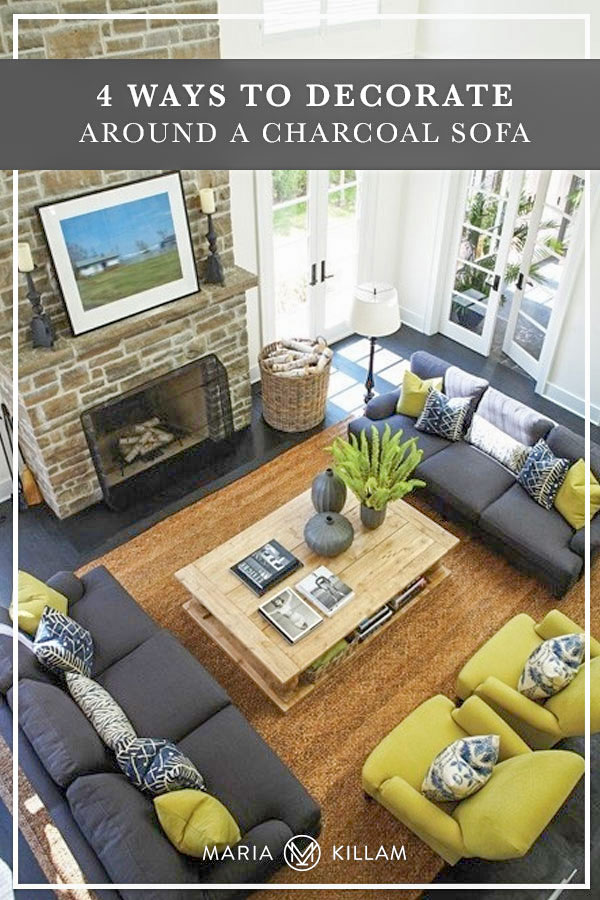
Introducing complementary colors creates visual excitement and defines a more dynamic brand personality. True complementary colors sit opposite each other on the color wheel, creating the strongest contrast. For charcoal grey, which is a desaturated color, its “complementary” tends to be more about warmth and coolness, or the vividness it brings out in other hues. For instance, pairing charcoal grey with warm tones like mustard yellow, burnt orange, or rich terracotta injects energy and a welcoming warmth. These vibrant accents, even in small doses, create a compelling interplay, preventing the grey from feeling too stark. This strategy is ideal for spaces that aim to be engaging, lively, and approachable, much like a brand that uses bold accents to stand out while maintaining a sophisticated core. It’s about creating tension and interest, ensuring the eye is drawn around the room.
Analogous Harmony: Serene and Unified Palettes
Analogous color schemes involve using colors that are next to each other on the color wheel, creating a sense of harmony and tranquility. While charcoal grey isn’t on a traditional color wheel, the principle can be applied by selecting hues that share an underlying coolness or warmth with grey. For example, pairing charcoal grey with cool blues, teals, and greens creates a serene, nature-inspired palette. This combination evokes calmness, freshness, and a sense of peaceful retreat. This approach is akin to a brand that aims for a consistent, soothing, and unified message, fostering trust and relaxation. It’s perfect for spaces intended for unwinding, promoting focus, or establishing a quietly sophisticated environment without harsh visual interruptions.

Accent Colors: Defining Your Space’s Brand Personality
Accent colors are the strategic “marketing messages” of a room, providing the opportunity to imbue a space with specific personality traits and emotional undertones. With a charcoal grey couch as the stable base, these carefully chosen hues can dramatically alter the room’s perceived identity.
Bold and Energetic: Injecting Vibrancy
For a brand that wants to communicate innovation, dynamism, or youthful energy, bold accent colors are indispensable. Think vivid fuchsia, electric blue, or lime green. When paired with charcoal grey, these colors pop with undeniable impact, creating a modern, spirited atmosphere. The grey anchors the intensity, preventing the space from feeling chaotic, while the bold accents inject a strong dose of personality. This strategy is ideal for creative offices, contemporary living rooms, or spaces where stimulating conversation and forward-thinking design are desired. It’s a clear statement that the space, much like a bold brand, is confident and unafraid to stand out.
Warm and Inviting: Cultivating Comfort
To project warmth, comfort, and an inviting brand identity, consider accents in rich reds, deep oranges, or earthy browns. These hues resonate with natural elements, fire, and human connection. When combined with charcoal grey, they transform the space into a cozy sanctuary, offering a feeling of security and welcome. Rust-colored throw pillows, amber-toned lighting, or mahogany wood accents can soften the grey’s industrial edge, creating a balanced and hospitable environment. This approach is perfect for family rooms, lounges, or brands that prioritize community and comfort in their messaging.
Cool and Calming: Promoting Serenity
If the desired brand persona is one of tranquility, clarity, and sophistication, cool accent colors are the answer. Soft blues, muted greens, and lavenders paired with charcoal grey create an oasis of calm. These colors are often associated with water and sky, promoting relaxation and mental clarity. Imagine a charcoal couch adorned with pale blue cushions and surrounded by walls painted in a subtle sage green; the effect is instantly soothing and contemplative. This palette is ideal for bedrooms, reading nooks, or spaces where concentration and peace are paramount, mirroring a brand that values serenity and mindfulness.
Luxe and Opulent: Elevating the Brand Experience
To imbue a space with a sense of luxury, prestige, and opulence, metallic accents and deep jewel tones are crucial. Gold, silver, bronze, emerald green, sapphire blue, or ruby red can instantly elevate the charcoal grey’s inherent sophistication. A charcoal grey couch with shimmering metallic throw pillows, a statement gold coffee table, or velvet accents in deep jewel tones transforms the room into a lavish retreat. The grey acts as a perfect foil, allowing these rich, shimmering elements to truly sparkle without overwhelming the senses. This strategy is akin to a high-end brand leveraging exquisite materials and finishes to communicate exclusivity and premium quality, creating an experience of refined indulgence.
Beyond Color: Texture and Materiality as Brand Elements
While color is a primary driver of visual identity, the interplay of textures and materials provides a secondary, yet equally vital, layer of brand communication. With a charcoal grey couch as the anchor, strategically integrating varied textures can enrich the narrative and add depth that pure color alone cannot achieve.
Weaving a Rich Tapestry: The Role of Texture
Texture in design functions much like the ‘tone of voice’ in brand messaging – it adds nuance, interest, and a sensory experience. A charcoal grey couch, often upholstered in smooth fabrics like linen or microfiber, benefits immensely from contrasting textures. Think of chunky knit throws, plush velvet cushions, or intricately woven rugs. These elements introduce tactile variety, preventing the space from feeling flat and monotone. A space that combines sleek, modern finishes with soft, natural textures communicates a balanced brand persona: one that appreciates both contemporary design and human comfort. The contrast in textures also creates visual interest, inviting the eye to explore different surfaces and reinforcing the overall design’s depth.
Material Choices: Reinforcing Your Design Ethos
The materials chosen for accompanying furniture and decor also play a significant role in defining the room’s “brand.” Natural wood tones (light oaks for a Scandinavian feel, dark walnuts for classic luxury), polished metals (chrome for modern, brass for vintage chic), or raw concrete elements all tell a story. If the aim is an industrial-chic brand identity, pair the charcoal grey couch with exposed brick, metal accents, and reclaimed wood. For a softer, bohemian vibe, introduce rattan, wicker, and lush plants. Each material choice reinforces the overarching design ethos, working in concert with the chosen color palette to present a cohesive and authentic visual statement. Just as a brand carefully selects the materials for its products to reflect its values, the materials within a room contribute significantly to its perceived character and quality. The charcoal grey couch serves as a versatile anchor that harmonizes with a vast spectrum of material narratives, allowing for truly customized brand expression within a living space.
aViewFromTheCave is a participant in the Amazon Services LLC Associates Program, an affiliate advertising program designed to provide a means for sites to earn advertising fees by advertising and linking to Amazon.com. Amazon, the Amazon logo, AmazonSupply, and the AmazonSupply logo are trademarks of Amazon.com, Inc. or its affiliates. As an Amazon Associate we earn affiliate commissions from qualifying purchases.