
Rhodium sits at the pinnacle of the precious metals market, often commanding prices that dwarf those of gold, platinum, and palladium. While it is rarely discussed in the context of retail jewelry or everyday consumer goods, it remains a cornerstone of industrial efficiency and a high-stakes asset for institutional investors. Understanding rhodium requires peeling back the layers of its chemical properties, its volatile supply chain, and its unique role in the global economy.
The Chemistry and Rarity of Rhodium
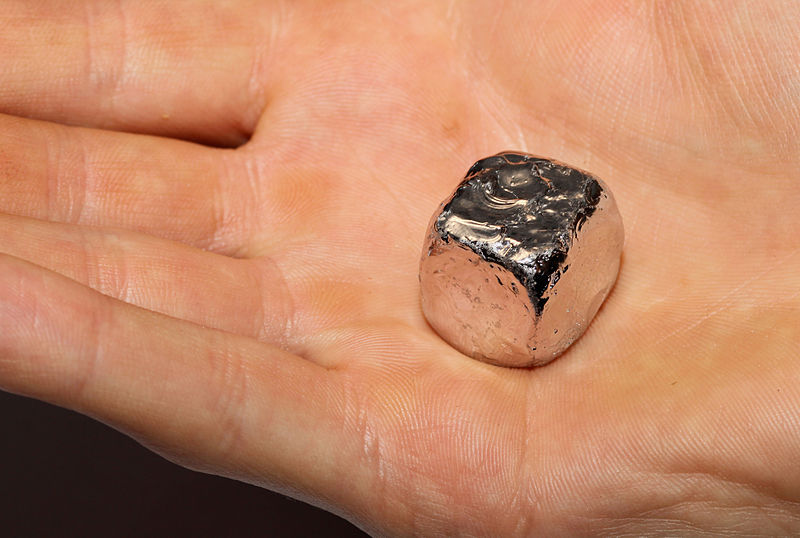
To understand why rhodium is so valuable, one must first understand its scarcity. Rhodium is a member of the platinum group metals (PGMs), which are notoriously difficult to extract and process. It is an ultra-rare, silvery-white, hard, and chemically inert transition metal. Its most defining characteristic is its extreme resistance to corrosion and high temperatures, making it a critical component in demanding industrial environments.

The Scarcity Factor
Unlike gold, which is found in varying concentrations across many continents, rhodium is primarily a byproduct. It is almost never mined on its own. Instead, it is extracted as a secondary element during the mining of platinum or nickel. Because the production of rhodium is entirely dependent on the production levels of these other metals, the supply of rhodium is notoriously inelastic. If the demand for platinum drops, the mining industry slows down, and the supply of rhodium constricts, regardless of what the rhodium price is doing.
Physical Characteristics and Utility
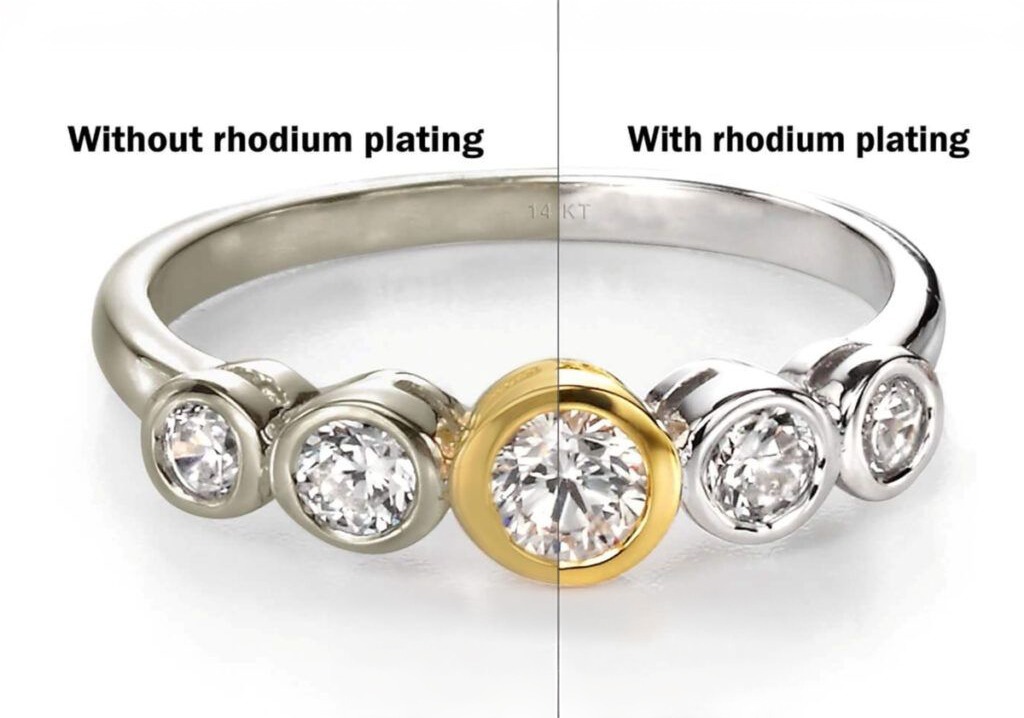
Beyond its scarcity, rhodium is prized for its high melting point and its ability to reflect light with exceptional clarity. This makes it an ideal plating material for high-end optical instruments and jewelry—where it provides a brilliant, tarnish-resistant finish. However, these decorative uses are dwarfed by its functional role in the automotive industry, where its ability to withstand extreme chemical conditions serves as the bedrock of its valuation.
The Automotive Catalyst Market and Global Demand
The primary driver of the rhodium market is the automotive industry. Specifically, rhodium is the most effective catalyst for the reduction of nitrogen oxides (NOx) in internal combustion engine vehicles. As global environmental regulations have tightened, the mandate for cleaner vehicle emissions has become the single most significant factor influencing the price of the metal.
Emission Standards and Technological Necessity
Modern catalytic converters are marvels of chemical engineering. Inside these units, rhodium works in tandem with platinum and palladium to convert harmful pollutants into less toxic gases. As governments in Europe, China, and North America have implemented stricter emission targets, the “loading” of rhodium per vehicle has increased. Manufacturers cannot simply swap rhodium for a cheaper alternative; the chemical properties required to scrub emissions effectively are unique to this specific element.
Price Volatility and Industrial Disruption
Because rhodium is essentially a captive supply—produced only as a byproduct—the market is prone to extreme price spikes. When demand from the automotive sector surges, there is no “easy” way to ramp up rhodium mining to meet that demand. This leads to massive price volatility. In the last decade, rhodium has experienced historic bull runs where its price increased tenfold, fueled by the realization that vehicle manufacturers were collectively competing for a shrinking stockpile of refined metal. Investors often watch the automotive production forecasts as a leading indicator of where the rhodium spot price is headed.
Investing in Rhodium: A High-Risk, High-Reward Asset
For the individual investor, rhodium represents a niche but potentially lucrative component of a diversified portfolio. However, it is not for the faint of heart. Unlike gold, which is widely traded as an ETF or a government-backed coin, rhodium is difficult to purchase in physical form and often comes with significant liquidity challenges.
Physical Ownership vs. Derivatives
Purchasing physical rhodium usually takes the form of investment bars or rounds. Because rhodium is hard to work with and brittle, minting it into coins is technically difficult, which adds to the fabrication premiums. Investors must be aware that the spread—the difference between the buy and sell price—is significantly higher for rhodium than for gold or silver. This makes it a poor choice for short-term trading.
For those looking to gain exposure without the hassle of storing physical metal, some brokerage firms offer accounts that track the price of PGMs. However, these are often thinly traded compared to other commodity markets. Investors should also consider the “physical delivery” aspect; if an investor chooses to hold physical metal, they must account for the specialized security and insurance required to protect such a high-value, compact asset.
The Risks of Speculation
The most significant risk in rhodium investing is the “substitution risk.” Because rhodium is so expensive, automotive engineers are constantly under pressure to develop catalysts that use less rhodium or replace it with cheaper metals like palladium. If a breakthrough in catalyst technology were to occur—one that significantly lowers the rhodium requirement—the market could collapse overnight. Furthermore, the push toward electric vehicles (EVs) presents a long-term structural threat. While EVs still require various minerals, they do not require catalytic converters, meaning the long-term demand curve for rhodium is tethered to the lifespan of the internal combustion engine.
The Future of Rhodium in a Greener Economy
As the world transitions toward greener energy, the role of rhodium is evolving. While the long-term decline of the internal combustion engine seems inevitable, the short-to-medium term remains robust. The global vehicle fleet in emerging markets continues to expand, and existing emission standards remain a legal requirement that keeps demand locked in.
Hydrogen and Future Applications
Beyond the tailpipe, some researchers are investigating the use of rhodium in emerging hydrogen fuel cell technologies. If rhodium proves to be an efficient catalyst for hydrogen production or usage, it could find a second life in the green economy, effectively decoupling its demand from the fate of the gasoline engine. This prospect is why many institutional investors maintain a long-term position in the metal, viewing it as a potential “wildcard” in the shift to a hydrogen-based infrastructure.
Strategic Portfolio Allocation
In the context of personal finance, rhodium should be viewed as an ultra-high-risk speculative asset rather than a core “safe haven” store of value like gold. A prudent approach involves limiting exposure to a small percentage of a portfolio’s precious metals allocation. Investors must monitor the mining output from South Africa—where the vast majority of the world’s rhodium is produced—as any labor strikes, energy crises, or mining disruptions in that region can cause the price to swing violently.
Rhodium is a testament to the power of industrial necessity. Its value is not derived from tradition, sentiment, or beauty, but from the raw, cold reality of chemical efficiency. As long as the world relies on internal combustion engines and requires rigorous air quality management, rhodium will continue to be a vital, if volatile, player in the global financial and industrial landscape. For the investor who understands the complexities of the supply chain and the risks of technological substitution, it offers a window into the most exclusive and concentrated corners of the commodities market.
aViewFromTheCave is a participant in the Amazon Services LLC Associates Program, an affiliate advertising program designed to provide a means for sites to earn advertising fees by advertising and linking to Amazon.com. Amazon, the Amazon logo, AmazonSupply, and the AmazonSupply logo are trademarks of Amazon.com, Inc. or its affiliates. As an Amazon Associate we earn affiliate commissions from qualifying purchases.