
Understanding the fundamental principles of color mixing, specifically how orange is created, is far more than a basic art lesson; it is a critical insight for brand strategists, designers, and marketers aiming to craft compelling corporate identities and effective communication. At its core, orange is a secondary color, born from the fusion of two primary colors: red and yellow. This simple truth holds profound implications for how brands leverage orange to evoke specific emotions, drive perceptions, and distinguish themselves in a competitive marketplace. Delving into the constituent colors and their combined psychological impact reveals why orange is a potent choice for a diverse range of brand expressions.

The Foundational Role of Orange in Brand Identity
Orange occupies a unique position in the color spectrum, bridging the intense energy of red with the cheerful optimism of yellow. This inherent duality makes it a versatile and often underutilized tool in brand strategy. For a brand, the choice of orange is rarely arbitrary; it’s a deliberate statement about its values, personality, and desired interaction with its audience. From technology disruptors to comforting food brands, orange delivers a distinctive message that influences consumer perception and recall.
Psychological Impact of Orange
The psychological impact of orange is multifaceted, largely owing to its primary components. It is commonly associated with warmth, enthusiasm, creativity, and adventure. Unlike the aggressive urgency sometimes attributed to pure red, orange softens this intensity with yellow’s approachability, resulting in a color that communicates energy without overwhelming. It often evokes feelings of excitement, sociability, and friendliness, making it an excellent choice for brands aiming to appear innovative, youthful, or accessible. Furthermore, orange can stimulate appetite and conversation, making it popular in the food and hospitality sectors. Its vibrancy is also linked to affordability and value, attracting a broad demographic in certain contexts. However, its intensity requires careful handling, as overuse or an inappropriate hue can be perceived as childish or cheap. Understanding these nuances is crucial for strategic brand deployment.
Orange in Corporate Identity and Logos
In corporate identity, orange serves as a powerful visual anchor. A brand’s logo, the cornerstone of its identity, often utilizes color to convey its essence instantaneously. When orange is chosen for a logo, it immediately signals attributes like innovation, optimism, and dynamic movement. Consider brands that have successfully integrated orange: often, they are disruptors, engaging with an active audience, or those emphasizing creativity and warmth. The color can help a new brand stand out amidst a sea of blue or grey competitors, injecting personality and memorability. For established brands, a rebrand incorporating orange can signal a shift towards a more modern, energetic, or approachable identity. The specific shade of orange—whether a deep, burnt orange suggesting warmth and tradition, or a bright, neon orange indicating cutting-edge technology—further refines the message, demonstrating the depth of strategic thinking required in color selection.
Deconstructing Orange: The Primary Mix for Branding
To truly master the use of orange in branding, one must first appreciate the individual contributions of its primary constituents: red and yellow. Each color brings its own set of psychological associations and branding implications, which then combine and modulate when mixed to form various shades of orange.
Red: The Energy and Urgency
Red is arguably the most commanding color in the spectrum. In branding, it signifies passion, energy, urgency, power, and danger. It’s a color that grabs attention and stimulates action, often used by brands to evoke excitement, love, or even aggression (in specific contexts). Brands that utilize red often aim to create a sense of immediacy, to stand out boldly, or to symbolize strength and dominance. Think of warning signs, sales promotions, or high-energy sports brands; red is the go-to for capturing attention swiftly and powerfully. Its physiological effect of increasing heart rate and metabolism underpins its use in marketing calls to action. However, without tempering, pure red can be perceived as aggressive or overwhelming, which might not align with every brand’s desired persona.
Yellow: The Optimism and Clarity
Yellow, in contrast to red’s intensity, radiates optimism, cheerfulness, and clarity. It’s the color of sunshine, happiness, and often, intellectual stimulation. Brands use yellow to appear friendly, accessible, joyful, and often, innovative. It communicates warmth, light, and sometimes, affordability or value. Yellow is known for its ability to uplift spirits and signify new beginnings or fresh ideas. It’s also highly visible, which is why it’s often used for safety signage or for elements that need to stand out. While invigorating, excessive or pure yellow can sometimes be associated with caution or anxiety, and lighter shades can appear washed out if not balanced carefully. Its bright, attention-grabbing nature makes it a strong choice for brands wanting to convey positivity and approachability.
The Synergy of Red and Yellow in Brand Messaging
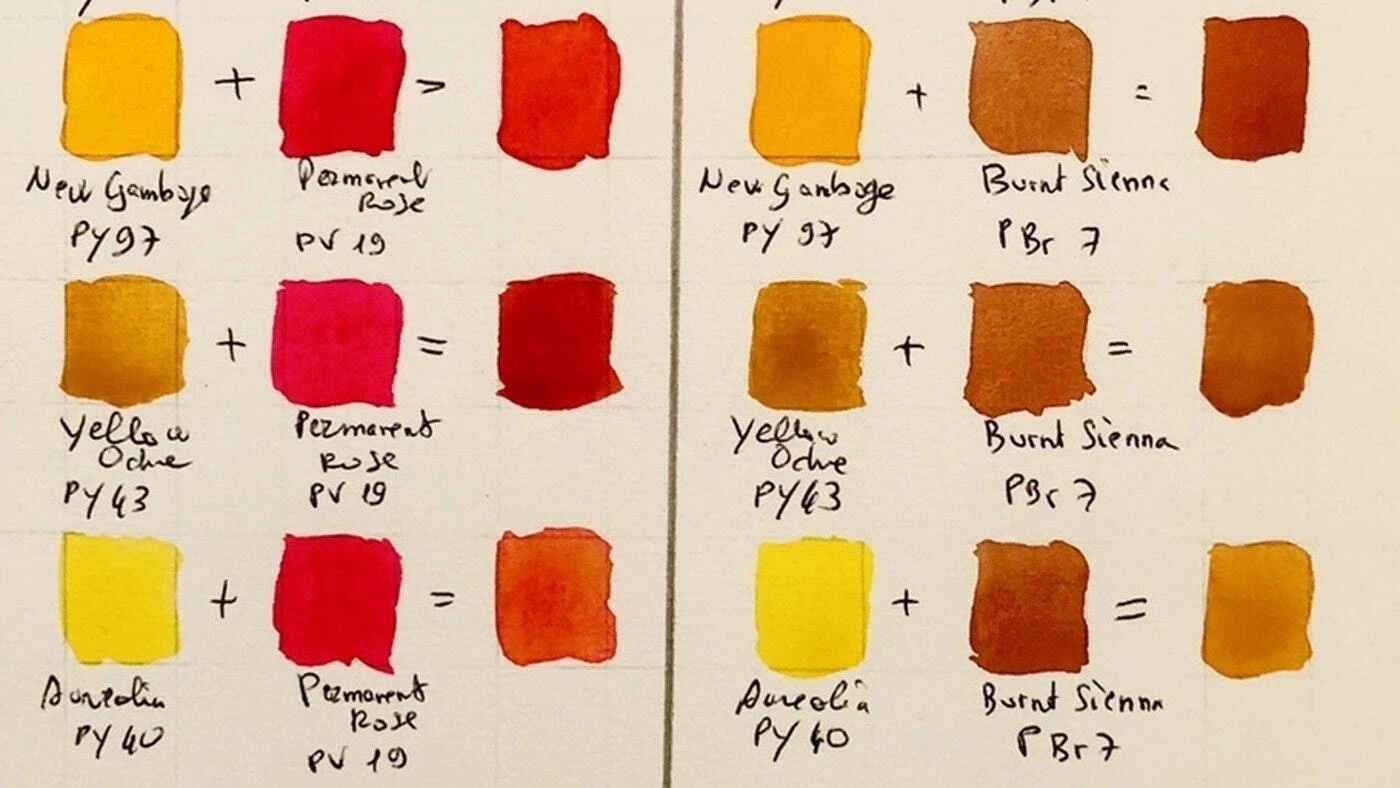
When red and yellow combine to form orange, their individual attributes merge and soften into a new, distinct set of associations. The passion and energy of red are tempered by the cheerfulness and warmth of yellow, creating a vibrant, stimulating, yet approachable hue. This synergy is critical for brand messaging. Orange can convey the innovation and energy of a tech startup (red’s dynamism), coupled with the user-friendliness and optimism of its interface (yellow’s approachability). It can communicate the invigorating zest of a health drink (red’s energy) alongside the natural, wholesome goodness of its ingredients (yellow’s natural association). For brands, this means orange can effectively bridge the gap between high-energy engagement and friendly accessibility, creating a brand personality that is both dynamic and inviting. The specific ratio of red to yellow dictates the resulting nuance of orange, allowing for precise control over the brand’s intended message and emotional resonance. A more reddish orange leans into passion and energy, while a more yellowish orange emphasizes cheerfulness and approachability.

Nuances of Orange: Tints, Shades, and Hues in Brand Design
Beyond the foundational mix of red and yellow, the true artistry in brand design lies in manipulating the nuances of orange. Adjusting the ratio of its primary components, incorporating other colors, and altering its lightness or saturation allows for an almost infinite spectrum of orange, each with its own subtle yet powerful branding implications. This granular control is essential for crafting a distinct visual identity that precisely aligns with a brand’s strategic objectives.
Adjusting the Ratio: Warm vs. Bright Oranges
The most direct way to influence orange’s character is by altering the proportions of red and yellow. A higher proportion of red yields a deeper, warmer orange, often referred to as vermillion or persimmon. These reddish-orange hues carry more of red’s intensity and passion, suggesting richness, tradition, and a sophisticated vibrancy. Brands might choose these shades to convey a sense of heritage, warmth, or luxurious comfort. Conversely, increasing the proportion of yellow results in a brighter, more luminous orange, akin to tangerine or marigold. These yellowish-orange hues emphasize yellow’s optimism, freshness, and approachability, often used by brands targeting a younger demographic or those wanting to project an image of innovation, playfulness, or unadulterated energy. Understanding this fundamental ratio allows designers to fine-tune the emotional temperature of a brand’s visual identity.
Incorporating Neutrals: Muted and Sophisticated Oranges
The addition of black, white, or grey to the red and yellow mix introduces a further layer of sophistication and versatility.
- Adding Black (Shades): Introducing black to orange creates darker shades like burnt orange, terracotta, or rust. These hues retain warmth but gain a sense of groundedness, maturity, and earthiness. They can evoke feelings of comfort, stability, and natural elegance. Brands in the home décor, artisanal products, or natural foods sectors might gravitate towards these muted, sophisticated oranges to communicate authenticity and timelessness. These shades also mitigate the high energy of pure orange, making them suitable for more serious or enduring brand identities.
- Adding White (Tints): Mixing white with orange produces lighter tints such as peach, salmon, or coral. These pastels offer a softer, more delicate, and often more feminine interpretation of orange. They convey gentleness, creativity, and lightheartedness. Brands in beauty, fashion, or wellness often use these softer oranges to suggest nurturing, fresh perspectives, or approachable luxury. The softness of these tints can make a brand feel more inviting and less imposing.
- Adding Grey (Tones): Incorporating grey to orange mutes its intensity, resulting in more subdued, desaturated tones. These can range from a soft, almost beige-orange to a more understated, earthy hue. Such tones convey sophistication, neutrality, and understated elegance. They are excellent for brands seeking to be perceived as refined, modern, or environmentally conscious, where the vibrancy of pure orange might be too overwhelming. Muted oranges often blend well with other natural tones, creating harmonious and balanced brand palettes.
Strategic Use of Orange Variations
The strategic application of these various orange hues is paramount for effective brand design. A brand’s chosen orange variation communicates nuanced messages about its personality and offerings. For instance, a fintech startup might opt for a bright, almost neon orange to signal disruption and forward-thinking, while an organic food company might use a burnt orange to highlight natural ingredients and rustic appeal. An airline might use a softer, peachy orange to evoke warmth and welcoming travel experiences. Each choice is a deliberate act of brand storytelling, utilizing color theory to convey specific attributes without uttering a single word. This deep understanding of orange’s constituent parts and its potential variations empowers designers to craft truly distinctive and impactful brand identities.
The Brand Application: Leveraging Orange Effectively
Beyond understanding how orange is created and its individual shades, the true challenge and opportunity lie in its strategic application within a comprehensive brand system. An effective brand leverages orange not in isolation, but as part of a cohesive visual language that reinforces its overall messaging and resonates with its target audience.
Complementary Colors and Palettes for Orange
No color works alone in branding; its impact is amplified or tempered by the surrounding palette. For orange, understanding complementary and analogous color schemes is vital.
- Complementary: The direct complementary color to orange on the color wheel is blue. Pairing orange with blue creates a high-contrast, dynamic, and visually stimulating combination. Brands often use this duo to symbolize technology (blue’s innovation with orange’s energy), sports (blue’s stability with orange’s dynamism), or a sense of balanced adventure. A blue background can make orange elements pop, ensuring critical brand messages are seen. However, care must be taken to balance the intensity to avoid visual clash.
- Analogous: Analogous colors for orange include red-orange, red, yellow-orange, and yellow. These colors are harmonious and create a sense of unity and natural flow. A brand palette built on analogous colors around orange can evoke warmth, creativity, and an inviting, energetic atmosphere. This approach creates a rich and cohesive look, often used in hospitality, creative industries, or brands focused on comfort and community.
- Triadic and Split-Complementary: More complex palettes like triadic (orange, green, violet) or split-complementary (orange with blue-green and blue-violet) can offer vibrant and balanced options for brands seeking a more diverse or sophisticated visual identity, allowing orange to be the hero color while supported by other harmonizing hues. The key is balance and ensuring the chosen palette enhances, rather than detracts from, the orange’s core message.
Industry-Specific Resonance of Orange
Orange holds different connotations and utility across various industries:
- Food and Beverage: Its association with warmth, energy, and appetite stimulation makes it a popular choice for fast food, snack brands, and juice companies. It can convey freshness, natural flavor, and invigoration.
- Technology and Innovation: Bright, vibrant oranges are often adopted by tech startups or innovative companies to signal modernity, dynamism, and a forward-thinking approach. It can differentiate them from more traditional, often blue-dominated tech giants.
- Education and Creativity: Orange’s links to enthusiasm and creativity make it suitable for educational institutions, art supplies, or creative agencies. It suggests inspiration, joy of learning, and imaginative thinking.
- Health and Wellness: Depending on the shade, orange can convey vitality (bright orange) or natural, earthy goodness (burnt orange) for health and wellness brands, often alongside greens and browns.
- Retail and E-commerce: Its ability to grab attention and suggest value makes it effective for promotional materials, call-to-action buttons, and e-commerce platforms.
Consistency and Evolution in Orange Branding
Maintaining consistency in the application of orange across all brand touchpoints—from logos and websites to packaging and advertising—is paramount for building recognition and trust. However, effective branding is not static; it evolves. A brand might start with a vibrant, playful orange to launch, then subtly shift to a more sophisticated, muted shade as it matures or expands its demographic. This evolution should be strategic, reflecting changes in brand values, market positioning, or target audience without losing the core identity. Understanding how red and yellow combine to make orange, and how various proportions and additives create its many forms, provides brand managers and designers with the essential framework to wield this powerful color effectively, ensuring it consistently communicates the desired brand story and resonates deeply with consumers.
aViewFromTheCave is a participant in the Amazon Services LLC Associates Program, an affiliate advertising program designed to provide a means for sites to earn advertising fees by advertising and linking to Amazon.com. Amazon, the Amazon logo, AmazonSupply, and the AmazonSupply logo are trademarks of Amazon.com, Inc. or its affiliates. As an Amazon Associate we earn affiliate commissions from qualifying purchases.