
Janus Kinase (JAK) inhibitors represent a critical and rapidly evolving class of targeted therapies within the pharmaceutical industry. For investors, financial analysts, and business strategists tracking the biotech and healthcare sectors, understanding JAK inhibitors extends far beyond their biochemical mechanism; it encompasses their immense market potential, the substantial capital investments in their research and development, their impact on corporate valuations, and the complex economic landscape of their market access and pricing. As precision medicine gains traction, drugs like JAK inhibitors are not just medical breakthroughs but significant financial instruments shaping the future of pharmaceutical profitability and healthcare spending.
The Science Behind JAK Inhibitors: A Foundation for Pharmaceutical Investment
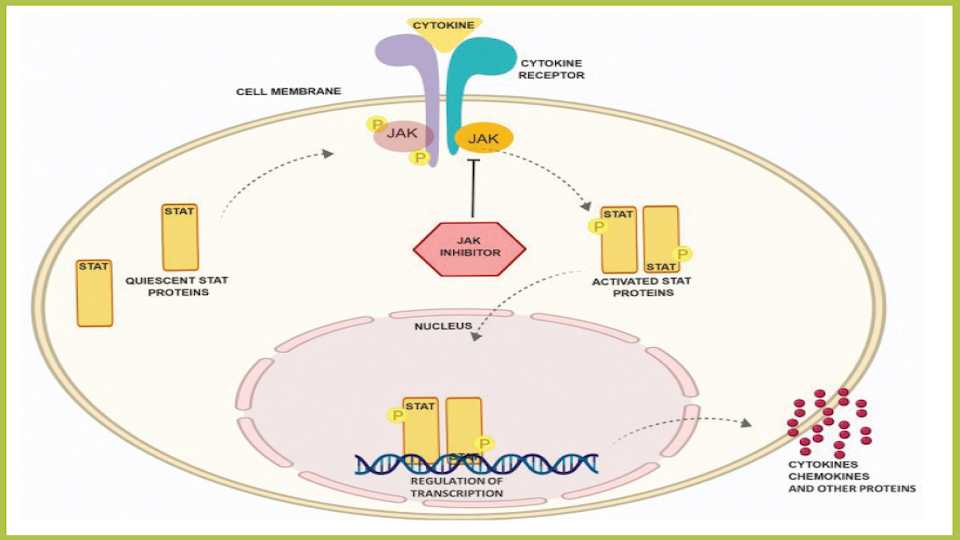
At its core, a JAK inhibitor is a pharmaceutical agent that interferes with the JAK-STAT signaling pathway, a crucial intracellular mechanism involved in immune responses and inflammation. This pathway plays a pivotal role in the pathogenesis of various autoimmune and inflammatory diseases. For the financial community, the efficacy and specificity of these drugs directly translate into their potential market share, patent strength, and ultimately, their revenue generation capacity.
Understanding the JAK-STAT Pathway and its Financial Relevance
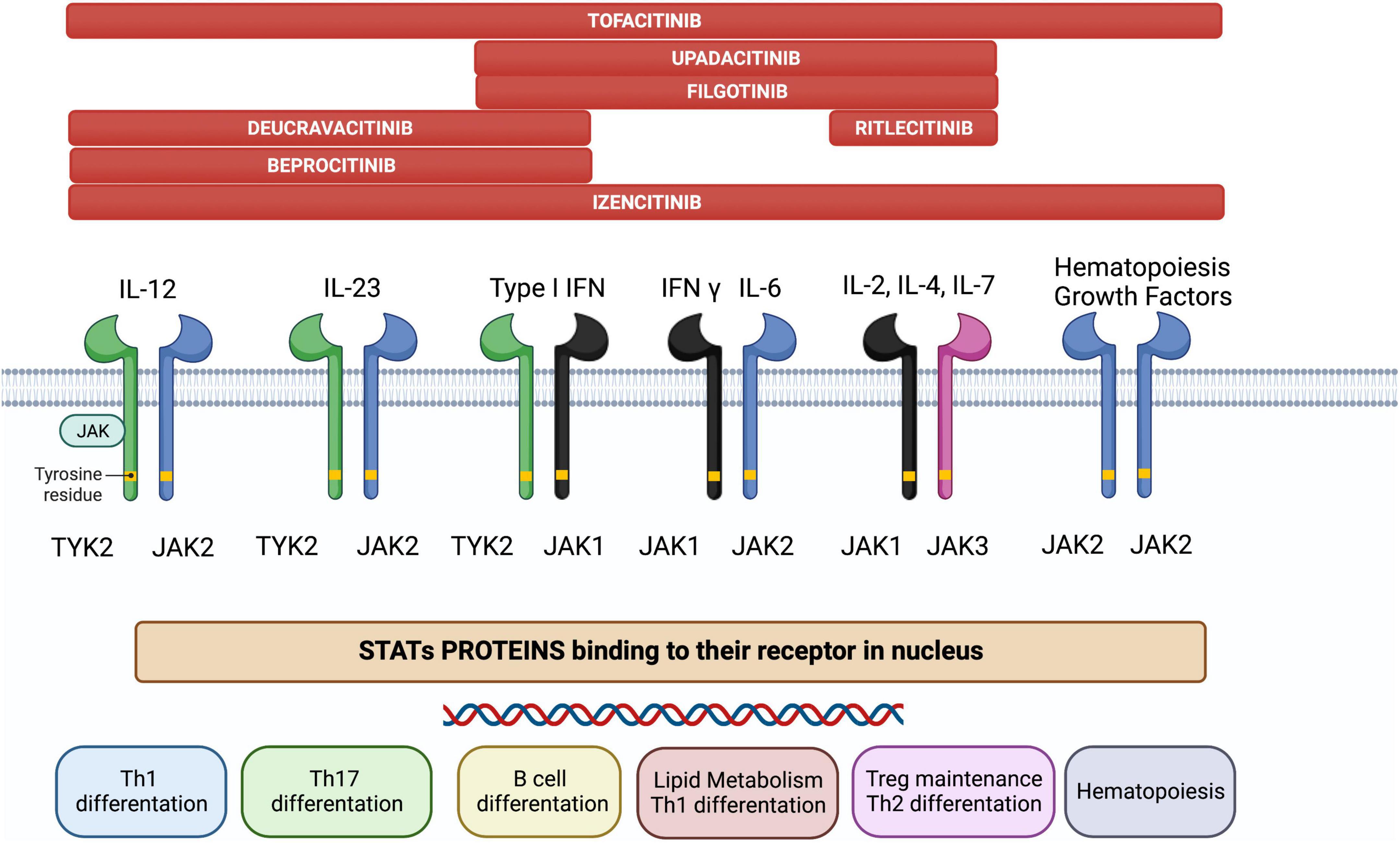
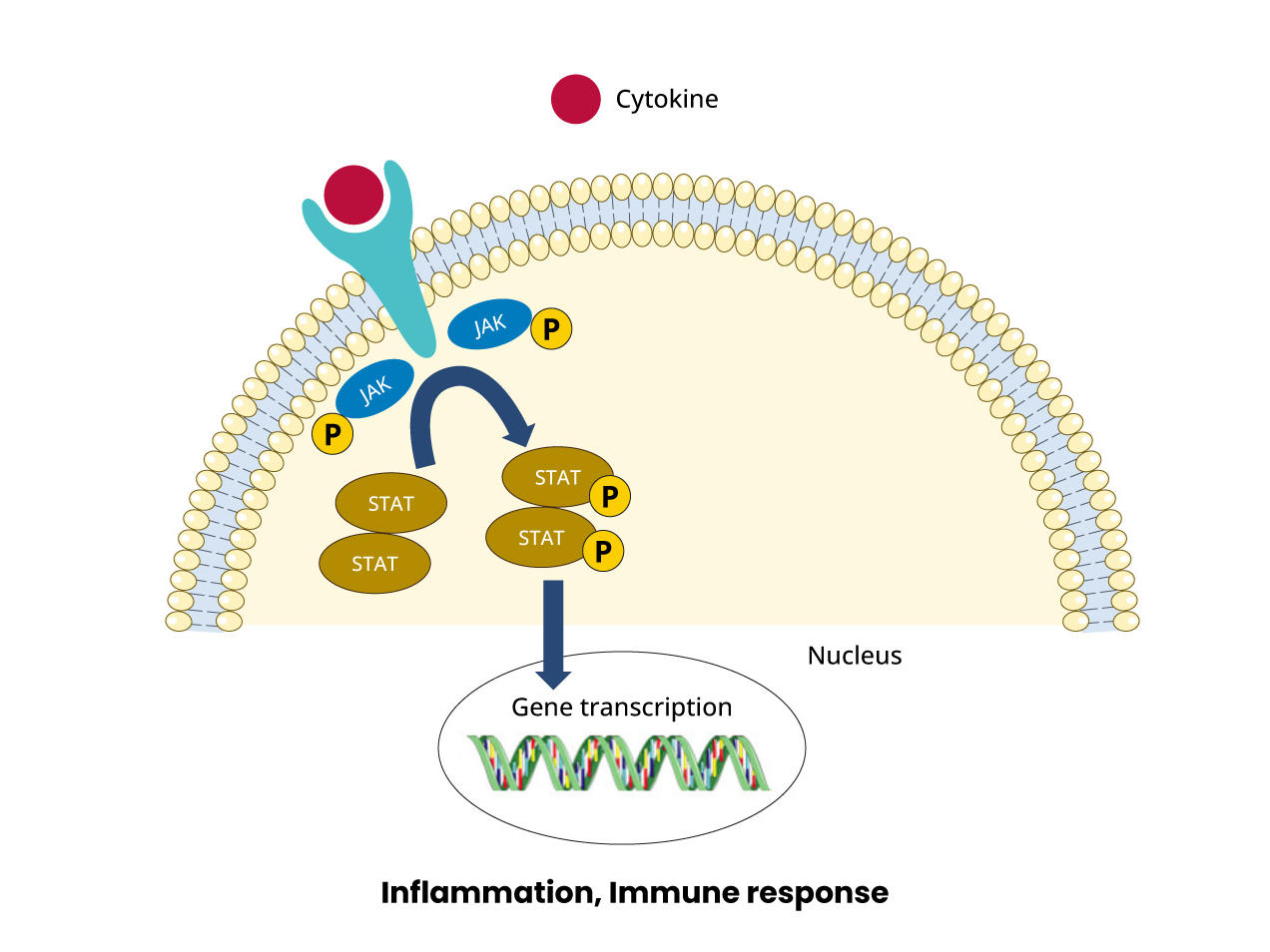
The JAK-STAT pathway is a series of protein interactions that transmit signals from chemical messengers (cytokines) outside the cell into the cell’s nucleus, influencing gene expression and cellular function. In many chronic inflammatory conditions, this pathway becomes overactive, leading to uncontrolled inflammation and tissue damage. JAK inhibitors work by blocking the activity of one or more of the four JAK enzymes (JAK1, JAK2, JAK3, TYK2), thereby disrupting the signaling cascade and reducing inflammation.
From a financial perspective, the ability to selectively modulate such a fundamental pathway is invaluable. Diseases driven by dysregulated JAK-STAT signaling often lack adequate treatment options, presenting a significant unmet medical need. This “white space” in treatment landscapes translates into substantial market opportunities for pharmaceutical companies that can successfully develop and commercialize effective JAK inhibitors. The breadth of conditions treatable by these inhibitors, from rheumatoid arthritis to ulcerative colitis and certain myeloproliferative neoplasms, expands their addressable market, justifying the massive R&D outlays. The scientific precision allows for targeted drug development, which can reduce clinical trial failures and optimize R&D spending compared to broader, less specific therapies.
Therapeutic Applications and Market Potential
The clinical applications of JAK inhibitors are diverse and expanding, making them a lucrative area for investment. Early successes were seen in rheumatoid arthritis, with drugs like tofacitinib (Xeljanz), baricitinib (Olumiant), and upadacitinib (Rinvoq) establishing strong market positions. Their efficacy often surpasses traditional therapies, leading to rapid adoption by prescribers and patients, which directly impacts sales forecasts and corporate earnings.
Beyond rheumatology, the market potential extends to:
- Dermatology: Atopic dermatitis, alopecia areata.
- Gastroenterology: Ulcerative colitis, Crohn’s disease.
- Hematology/Oncology: Myelofibrosis, polycythemia vera.
- Other autoimmune conditions: Psoriatic arthritis, ankylosing spondylitis.
Each new indication approval represents an expansion of the drug’s total addressable market (TAM), bolstering sales projections and investor confidence. The pursuit of new indications is a key driver of pharmaceutical companies’ growth strategies, influencing their stock valuations and their ability to attract further capital. The exclusivity period granted by regulatory bodies for new indications can further extend a drug’s patent life, delaying generic competition and safeguarding revenue streams.
The Pharmaceutical Business Landscape: R&D, Market Entry, and Valuation
Developing a JAK inhibitor from discovery to market approval is an incredibly capital-intensive and time-consuming endeavor. For astute investors, understanding this journey is crucial for evaluating a company’s financial health, its pipeline strength, and its long-term viability.
High Stakes in Drug Development: R&D Costs and Clinical Trials
The average cost to bring a new drug to market can range from hundreds of millions to over a billion dollars, with a significant portion allocated to preclinical research and extensive multi-phase clinical trials. JAK inhibitors, as novel molecular entities, require rigorous testing for both efficacy and safety, often involving large patient populations across multiple geographies.
Pharmaceutical companies must make substantial upfront investments in:
- Drug Discovery & Preclinical Development: Identifying potential compounds, optimizing their properties, and conducting initial safety tests. This phase, while often less expensive than clinical trials, is critical for de-risking later stages.
- Clinical Trials (Phases 1, 2, 3): These are the most expensive stages, involving human testing to assess safety, dosage, and efficacy. Each phase requires significant funding for patient recruitment, site management, data collection, and analysis. Failures at late stages can result in massive financial write-offs, directly impacting a company’s bottom line and investor sentiment.
The substantial capital expenditure, coupled with the high failure rate inherent in drug development, means that only well-capitalized companies or those with robust funding mechanisms can effectively compete in this space. Investors closely scrutinize R&D pipelines, looking for promising candidates with strong scientific rationales and efficient trial designs that demonstrate a clear path to market.
Regulatory Hurdles and Market Exclusivity
Navigating the complex regulatory landscape, primarily the FDA in the U.S. and EMA in Europe, is a critical step for market entry. Obtaining marketing authorization is not guaranteed and requires demonstrating a favorable risk-benefit profile. Regulatory approvals or rejections have immediate and dramatic impacts on a company’s stock price and market valuation. For example, a “complete response letter” from the FDA indicating deficiencies can cause share prices to plummet, while a swift approval can lead to significant gains.
Once approved, market exclusivity is paramount for recouping R&D investments. This exclusivity is typically granted through a combination of patent protection and regulatory data protection. For JAK inhibitors, the duration of exclusivity directly dictates the period during which a company can charge premium prices without generic competition. Understanding the patent landscape, including any potential challenges or upcoming expirations, is vital for predicting future revenue streams and evaluating long-term investment prospects.
Intellectual Property and Competitive Advantages
Strong intellectual property (IP) is the bedrock of profitability in the pharmaceutical sector. For JAK inhibitors, patents protect the chemical compound, its formulations, methods of use, and manufacturing processes. Companies invest heavily in building robust patent portfolios to prevent competitors from launching biosimilars or generic versions prematurely. The ability to defend these patents in court is a significant operational cost but also a crucial safeguard for future revenues.
Furthermore, companies develop competitive advantages through:
- Differentiation: Demonstrating superior efficacy, safety profiles, or administration routes (e.g., oral vs. injectable) compared to existing therapies.
- Market Penetration Strategies: Effective sales forces, strategic partnerships, and patient support programs.
- Pipeline Diversification: Companies with multiple JAK inhibitor candidates or other innovative drugs can mitigate risks associated with a single drug’s failure or market challenges.
These factors contribute to a company’s perceived value and its ability to sustain growth in a competitive environment.
Investment Opportunities and Risks in the JAK Inhibitor Sector
The JAK inhibitor market offers compelling investment opportunities for those who can navigate its inherent complexities and risks. From identifying promising early-stage biotech firms to analyzing the diversified portfolios of established pharmaceutical giants, a nuanced approach is required.
Identifying Key Players and Pipeline Assets
Investors interested in the JAK inhibitor space typically focus on a few key areas:
- Large Pharmaceutical Companies: Established players like Pfizer, Eli Lilly, AbbVie, and Bristol Myers Squibb have already launched successful JAK inhibitors and continue to invest in new indications or next-generation compounds. Their diversified portfolios and financial strength offer relative stability.
- Specialized Biotechnology Firms: Smaller, often publicly traded biotechs, may have innovative JAK inhibitor candidates in early- to mid-stage clinical development. These companies carry higher risk but offer potentially exponential returns if their drugs achieve regulatory approval and market success. Due diligence involves deep dives into scientific data, management teams, and financial burn rates.
- Contract Research Organizations (CROs): Companies providing clinical trial services also benefit from the robust R&D spending in the JAK inhibitor sector. Investing in CROs can be a lower-risk way to gain exposure to the overall drug development boom.
Analyzing pipeline assets involves assessing the phase of development, the target indications, the market size of those indications, and the competitive landscape for each.
Market Dynamics and Growth Projections
The global market for JAK inhibitors is projected to continue its substantial growth trajectory, driven by increasing prevalence of autoimmune diseases, growing awareness, and the introduction of new drugs and indications. Analysts produce detailed market growth projections, often segmented by geography and disease area, which are essential for investors forecasting potential returns. Factors influencing these projections include:
- Epidemiological Trends: Rising incidence of inflammatory conditions.
- Treatment Paradigm Shifts: Movement towards targeted therapies.
- Healthcare Spending Trends: Overall growth in pharmaceutical expenditures.
- Emerging Market Adoption: Increased access and affordability in developing nations.
Investors evaluate these projections against a company’s current and forecasted sales to determine if the stock is undervalued or overvalued.
Financial Performance and Risk Assessment
Evaluating the financial performance of companies in the JAK inhibitor space requires a deep dive into revenue growth, profit margins, R&D expenditure as a percentage of sales, and cash flow. Key financial risks include:
- Clinical Trial Failures: The highest risk in drug development, leading to complete loss of investment in a particular drug candidate.
- Regulatory Delays or Rejections: Can significantly postpone or prevent market entry.
- Safety Concerns: Post-market surveillance can reveal new safety issues, leading to label changes, restricted use, or even market withdrawal (e.g., specific cardiovascular risks with certain JAK inhibitors have impacted their market access).
- Patent Challenges: Successful challenges can open the door to generic competition earlier than anticipated, eroding revenue.
- Market Competition: Entry of new, more effective, or cheaper drugs can impact market share.
- Pricing Pressures: Healthcare systems globally are increasingly scrutinizing drug prices, leading to reimbursement challenges.
A thorough risk assessment is paramount, often involving scenario planning and sensitivity analyses to understand potential impacts on financial models.
Financial Implications for Healthcare Systems and Patients
Beyond corporate profitability, JAK inhibitors have significant financial implications for healthcare systems and the patients they serve. Their premium pricing, driven by innovation and R&D costs, necessitates complex strategies for market access and reimbursement.
Pricing Strategies and Market Access
Pharmaceutical companies typically set high prices for novel drugs like JAK inhibitors, reflecting the substantial investment in R&D and the perceived value of significant clinical benefits. These pricing strategies must balance profitability with market access and patient affordability. Companies often engage in:
- Value-Based Pricing: Attempting to price drugs based on the clinical and economic value they deliver (e.g., reduced hospitalizations, improved quality of life).
- Discounting and Rebates: Negotiating with payers (insurance companies, government health programs) to offer discounts in exchange for preferred formulary placement.
- Patient Assistance Programs: Offering financial aid to patients to help cover co-pays and deductibles, thereby improving adherence and market uptake.
The success of these strategies directly influences a drug’s commercial viability and its contribution to a company’s top line.
Reimbursement Challenges and Patient Affordability
For healthcare systems, the high cost of JAK inhibitors can strain budgets. Payers often implement strict criteria for reimbursement, requiring patients to fail on less expensive traditional therapies before approving a JAK inhibitor. This “step therapy” or “fail first” approach impacts physician prescribing patterns and patient access.
From a patient perspective, even with insurance, high out-of-pocket costs can be a barrier to treatment. The financial burden on individuals and families, particularly those with chronic conditions requiring long-term treatment, is a critical social and economic issue. Solutions often involve a combination of patient assistance programs, advocating for broader insurance coverage, and exploring alternative payment models that link payment to patient outcomes.
In conclusion, JAK inhibitors are more than just a class of drugs; they are a major economic force within the pharmaceutical and healthcare industries. Their scientific promise underpins vast financial investments, intricate market dynamics, and significant implications for corporate valuations, investor strategies, and global healthcare economics. A comprehensive understanding of their medical science, commercialization pathways, and financial implications is essential for any stakeholder navigating the complex world of modern medicine and finance.
aViewFromTheCave is a participant in the Amazon Services LLC Associates Program, an affiliate advertising program designed to provide a means for sites to earn advertising fees by advertising and linking to Amazon.com. Amazon, the Amazon logo, AmazonSupply, and the AmazonSupply logo are trademarks of Amazon.com, Inc. or its affiliates. As an Amazon Associate we earn affiliate commissions from qualifying purchases.