
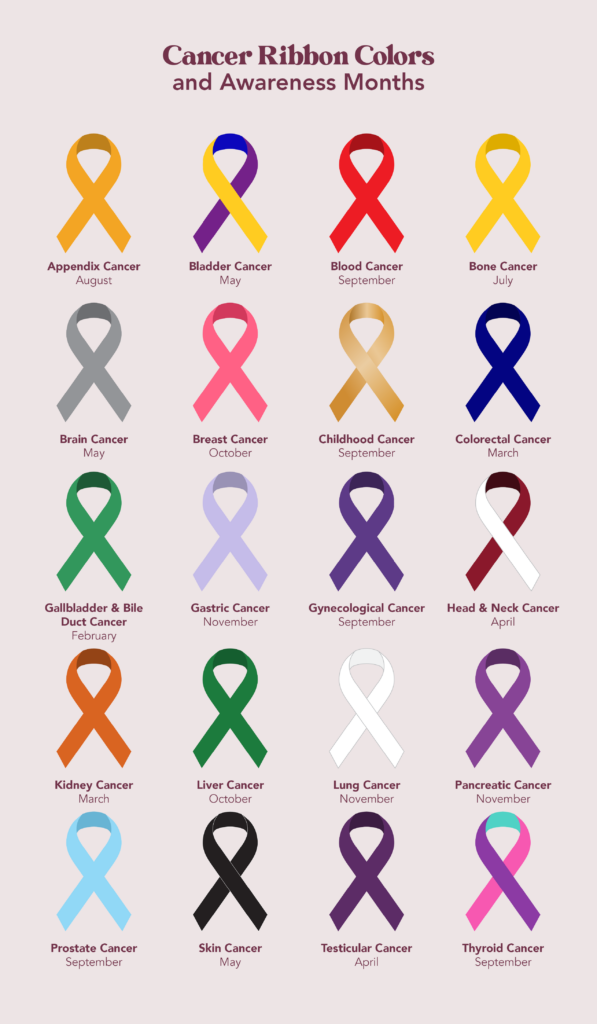
In the landscape of social causes and advocacy, a simple ribbon can carry the weight of a powerful brand. These seemingly modest accessories transcend mere decoration, evolving into potent symbols of solidarity, awareness, and identity. For pancreatic cancer, a disease often shrouded in misunderstanding and a pressing need for greater public attention, the chosen emblem is the purple ribbon. This specific hue is not an arbitrary selection but a carefully established brand element that plays a crucial role in the broader strategy of advocacy, recognition, and community building for the cause.
The Power of Color in Cause Branding
Color is an intrinsic component of any effective brand strategy, and its impact is magnified in the realm of cause marketing. For non-profit organizations and advocacy groups, where brand recognition can directly translate into increased awareness, support, and funding, the selection of a signature color is paramount. It’s a foundational element that underpins all communication and outreach efforts, acting as a silent but powerful spokesperson.

Immediate Recognition and Emotional Resonance
A distinct color, like the purple associated with pancreatic cancer, serves as an instant visual cue. In a world saturated with information, the ability to convey a complex message at a glance is invaluable. When individuals see purple ribbons, merchandise, or campaign materials, their minds quickly connect it to pancreatic cancer awareness, research, and support. This immediate recognition bypasses language barriers and information overload, embedding the cause directly into the public consciousness.
Beyond mere identification, color profoundly influences emotion and perception. Purple, for instance, often evokes feelings of royalty, dignity, ambition, wisdom, and mystery. For a disease as serious and challenging as pancreatic cancer, these connotations can imbue the cause with a sense of gravity, importance, and a call for profound action. The emotional resonance of a brand color helps forge a deeper connection with potential supporters, moving them from passive observers to active participants. It fosters empathy and a shared sense of purpose, critical elements for any successful advocacy brand.
Building Community and Shared Identity
A common brand color also acts as a unifying force, creating a sense of community among patients, survivors, caregivers, researchers, and advocates. When individuals wear a purple ribbon or display the color prominently, they are not just showing support for a cause; they are signaling their membership in a collective movement. This shared visual identity strengthens bonds, reduces feelings of isolation, and encourages mutual support within the community.
For organizations like the Pancreatic Cancer Action Network (PanCAN), the consistent use of purple across all their branding – from their logo and website to their event materials and social media campaigns – reinforces this sense of collective identity. It provides a visible anchor around which the community can rally, fostering a powerful sense of belonging and solidarity. This communal aspect is a cornerstone of effective cause branding, transforming an abstract fight against a disease into a tangible, united human endeavor.
Pancreatic Cancer’s Signature Hue: Purple
The decision to brand pancreatic cancer awareness with the color purple was a strategic one, aiming to distinguish the cause while leveraging the symbolic power of the hue. This choice has profoundly influenced how the disease is perceived and championed globally, establishing a strong and recognizable brand identity.
The Origin and Significance of the Purple Ribbon
While specific origins can be diffuse across various advocacy groups, the purple ribbon has been firmly established as the universal symbol for pancreatic cancer awareness for decades. Its adoption was a deliberate effort to create a unique and memorable identifier in a field where many diseases vie for public attention with their own designated colors. Purple offers a distinct visual signature, setting it apart from other common ribbon colors like pink for breast cancer or red for AIDS/HIV.
The symbolic associations of purple are particularly apt for pancreatic cancer. As mentioned, purple is often linked with royalty, conveying a sense of importance and dignity that underscores the seriousness of the disease. It also represents ambition and wisdom, qualities vital for the relentless pursuit of research breakthroughs and improved patient outcomes. Furthermore, purple can be associated with courage and resilience, characteristics frequently exhibited by those battling pancreatic cancer and their support networks. This rich tapestry of meaning behind the color strengthens the overall brand message, communicating depth and gravitas to the public.
Beyond the Ribbon: Expanding the Brand Identity
The purple ribbon, while iconic, is just one facet of the broader brand identity for pancreatic cancer awareness. Effective cause branding extends this signature color across all elements of an organization’s visual and verbal communication. This includes logos, websites, social media profiles, print materials, event signage, and even merchandise.
For example, leading advocacy groups consistently integrate purple into their primary branding. Their websites typically feature purple prominently in their color schemes, headers, and call-to-action buttons. Campaigns often use purple imagery and graphics, ensuring that every touchpoint reinforces the brand. This consistent application of the signature hue builds strong brand recognition and recall. It ensures that whether someone encounters a physical ribbon, sees a digital advertisement, or attends a fundraising event, the connection to pancreatic cancer is immediate and unambiguous. This holistic approach to brand identity ensures maximum impact and cohesion in the complex world of public health advocacy.
Strategic Implementation of Cause Branding
The mere selection of a brand color is only the first step; its true power lies in its strategic and consistent implementation. For pancreatic cancer awareness, this means deploying the purple brand across a multitude of platforms and initiatives, ensuring its message resonates deeply and widely.

Consistency Across All Touchpoints
Consistency is the bedrock of strong brand identity. For pancreatic cancer advocacy, this translates to uniform application of the purple color, associated imagery, and messaging across every single point of public interaction. This includes:
- Digital Presence: Websites, social media profiles, email newsletters, and online advertising should prominently feature purple. Logos and branding elements should adhere to specific color codes (e.g., HEX, RGB) to maintain precise shade consistency.
- Print Materials: Brochures, flyers, annual reports, patient guides, and stationery must all incorporate the purple brand. This ensures a cohesive visual identity whether the material is viewed online or in hand.
- Events and Merchandise: From “Purple Stride” walks to educational seminars, the color should dominate event branding, including banners, t-shirts, wristbands, and promotional items. Merchandise like scarves, pins, and mugs serve as tangible reminders and conversation starters, extending the brand’s reach into daily life.
Such meticulous consistency builds trust and familiarity. When the public repeatedly encounters the same visual cues, the brand becomes ingrained in their memory, making it easier to identify, remember, and support the cause.
Leveraging Partnerships and Ambassadors
Expanding the reach of the pancreatic cancer brand often involves strategic partnerships and the enlistment of brand ambassadors. Collaborations with corporate entities, other non-profits, healthcare providers, and research institutions can significantly amplify the purple message. When partners integrate purple into their co-branded initiatives, it lends credibility and extends exposure to new audiences.
Brand ambassadors, including celebrities, prominent medical professionals, or inspiring patient advocates, play a vital role. When these individuals visibly wear purple ribbons, share personal stories, or actively participate in campaigns, they add a human face and emotional weight to the brand. Their endorsements not only raise awareness but also inspire action, converting their personal influence into tangible support for the cause. Their authentic connection to the cause helps translate the abstract idea of a “purple ribbon” into a powerful, relatable narrative.
Digital Branding and Social Advocacy
In the digital age, social media platforms have become indispensable tools for cause branding. Pancreatic cancer advocacy groups leverage digital channels to propagate the purple brand through:
- Hashtag Campaigns: Initiatives like #PancreaticCancerAwarenessMonth or #WageHope consistently pair with purple imagery, encouraging users to share and engage.
- Profile Picture Overlays: Tools that allow users to add a purple ribbon or filter to their profile pictures create a widespread, user-generated display of solidarity.
- Shareable Content: Infographics, videos, and testimonials featuring the purple brand are designed for easy sharing, enabling supporters to become micro-advocates for the cause within their own networks.
Digital branding allows for dynamic interaction, rapid dissemination of information, and the cultivation of a global community of advocates. It provides immediate feedback on campaign effectiveness and offers new avenues for engaging a younger, digitally native audience, ensuring the purple brand remains relevant and impactful.
Measuring Impact and Sustaining Awareness
For any brand, understanding its effectiveness is critical. In cause branding, measuring impact goes beyond sales figures to encompass awareness levels, engagement, and the tangible progress made against the disease itself. Sustaining this awareness is an ongoing challenge, requiring adaptable strategies that keep the brand fresh and relevant.
Tracking Engagement and Recognition
To gauge the success of the purple ribbon brand, organizations employ various metrics focused on public engagement and recognition:
- Brand Recall Surveys: Periodic surveys measure how many people correctly associate purple with pancreatic cancer, indicating the brand’s penetration into public consciousness.
- Website and Social Media Analytics: Tracking website traffic to specific awareness pages, social media mentions, hashtag usage, and engagement rates on purple-themed content provides quantitative data on reach and audience interaction.
- Media Mentions: Monitoring news articles, television segments, and podcasts that feature the purple ribbon or discuss pancreatic cancer awareness helps assess earned media value and public discourse surrounding the cause.
- Event Participation: The number of participants in “Purple Stride” walks or other purple-themed events directly reflects community engagement and the brand’s ability to mobilize support.
These metrics offer valuable insights into what resonates with the public and where efforts need to be strengthened, allowing organizations to refine their branding strategies for maximum impact.
Evolving the Brand Narrative for Longevity
Maintaining relevance in the crowded space of cause advocacy requires a dynamic approach to brand narrative. While the purple ribbon remains a constant identifier, the stories and messages it represents must evolve to keep the public engaged and informed.
- Highlighting Progress: Regularly updating the narrative with breakthroughs in research, improved treatment options, and inspiring survivor stories demonstrates tangible hope and progress, preventing donor fatigue and maintaining optimism.
- Addressing New Challenges: As scientific understanding advances or societal landscapes shift, the brand narrative may need to address emerging challenges, ensuring the cause remains at the forefront of relevant health discussions.
- Personalization: Encouraging individuals to share their personal connections to pancreatic cancer—whether as patients, caregivers, or advocates—adds authenticity and emotional depth, reinforcing the human impact behind the purple symbol.
By consistently measuring impact and skillfully evolving its narrative, the purple ribbon brand for pancreatic cancer can ensure its enduring relevance, continuing to serve as a powerful beacon of hope and a catalyst for change in the fight against this formidable disease. It transforms a simple color into a potent instrument of awareness, unity, and unwavering determination.
aViewFromTheCave is a participant in the Amazon Services LLC Associates Program, an affiliate advertising program designed to provide a means for sites to earn advertising fees by advertising and linking to Amazon.com. Amazon, the Amazon logo, AmazonSupply, and the AmazonSupply logo are trademarks of Amazon.com, Inc. or its affiliates. As an Amazon Associate we earn affiliate commissions from qualifying purchases.