
The corporate world is replete with acronyms, some generic, others highly specific, but few encapsulate a brand’s foundational philosophy and target audience as neatly as MYOB. For those navigating the landscape of business management software, especially in Australia and New Zealand, MYOB is a household name. Yet, the literal meaning behind these four letters—often overlooked in common parlance—offers a profound insight into its brand identity, strategic positioning, and enduring legacy.
Decoding the MYOB Acronym: A Foundation of Brand Identity
MYOB stands for “Mind Your Own Business.” This seemingly simple phrase, steeped in colloquial wisdom, carries significant weight when understood as the bedrock of a corporate identity. Far from being a mere jingle, this acronym succinctly articulates the company’s core mission and directly addresses the primary challenge faced by its target demographic: small and medium-sized business owners.

Mind Your Own Business: The Genesis
In the late 1980s, when MYOB first emerged, the technological landscape for small business accounting was rudimentary at best. Business owners often grappled with manual ledgers, complex spreadsheets, or expensive, enterprise-level software ill-suited to their scale. The concept of “mind your own business” became an empowering mantra. It wasn’t about being dismissive but rather about enabling business owners to take direct control of their financial affairs.
The name suggested a promise: with MYOB’s software, you could independently manage your finances, understand your cash flow, track expenses, and ensure compliance without needing an army of accountants or an intricate, costly system. It was a declaration of independence for the entrepreneur, a tool designed to simplify the often-intimidating world of business finance and bring it squarely within the purview of the owner. This initial positioning was crucial for establishing trust and resonance with a market segment desperately seeking autonomy and clarity.
Beyond the Acronym: Evolution of a Brand
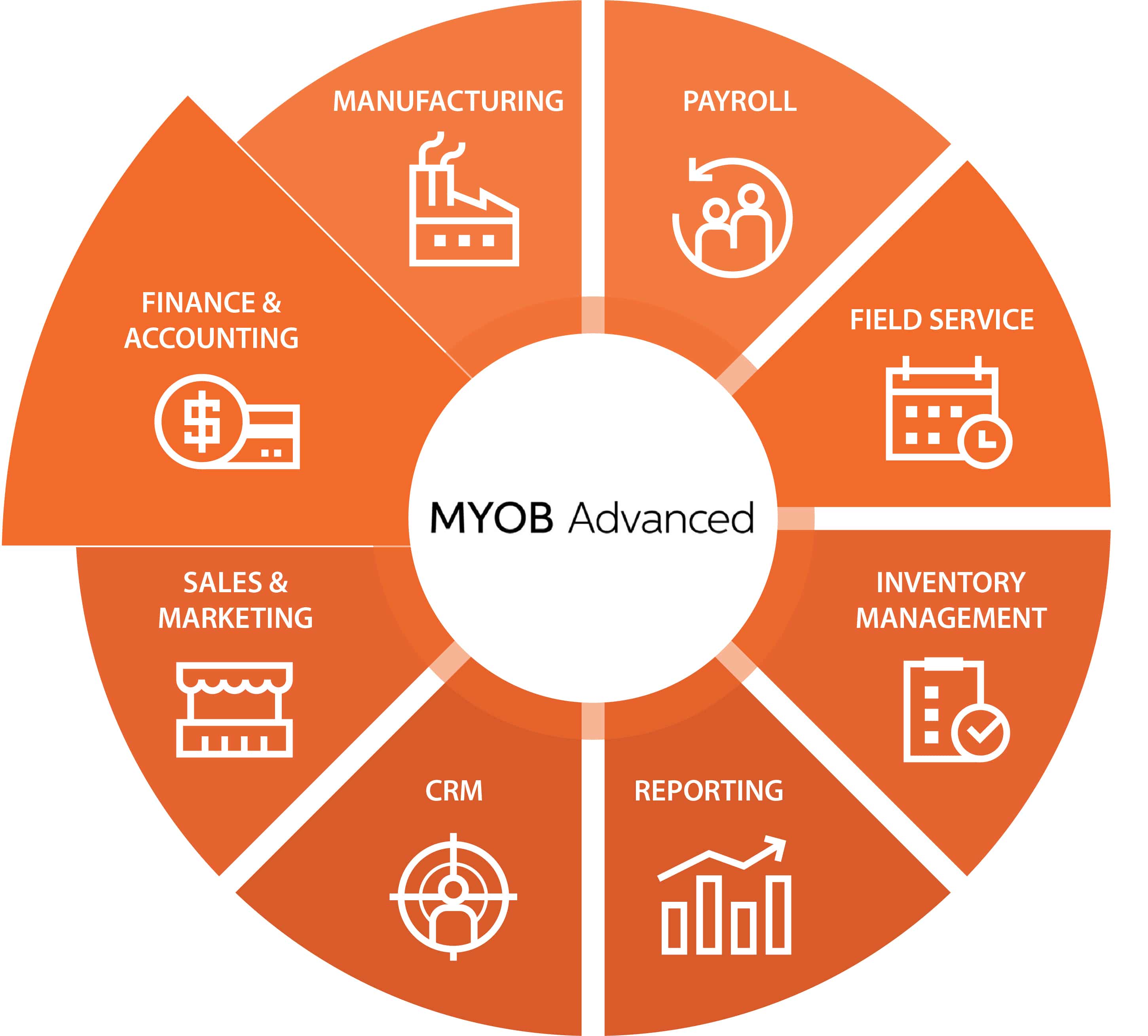
While the literal meaning of MYOB remains constant, the brand itself has evolved significantly. From its origins as desktop accounting software, MYOB has transitioned into a comprehensive suite of cloud-based business management solutions, encompassing everything from payroll and invoicing to inventory management and CRM integrations. However, at its heart, the brand continues to champion the spirit of “Mind Your Own Business.”
This evolution demonstrates a successful brand strategy: retaining core identity while adapting to technological and market shifts. The brand’s message isn’t just about financial independence anymore; it’s about providing the tools and insights that allow businesses to thrive autonomously in an increasingly complex digital economy. The acronym, therefore, acts as an anchor, grounding the brand’s expansive offerings in a singular, relatable philosophy that has resonated with generations of business owners.
MYOB’s Brand Legacy: Empowering Small Businesses
The choice of “Mind Your Own Business” as the company’s identifier was more than a clever play on words; it was a strategic declaration of purpose that profoundly shaped MYOB’s brand legacy. This phrase inherently suggests self-sufficiency, control, and a focused approach to one’s affairs – qualities that deeply appeal to entrepreneurs and small business operators.
From Concept to Corporate Identity
The acronym became a powerful element of MYOB’s corporate identity by clearly defining who they were for and what they stood for. It wasn’t about serving large corporations with bespoke, expensive solutions, but rather about democratizing financial management for the backbone of the economy: small businesses. This focus allowed MYOB to cultivate a brand image synonymous with accessibility, user-friendliness, and practical utility.
The brand’s visual identity, marketing materials, and product design consistently reinforced this message. User interfaces were designed to be intuitive, support resources tailored to non-financial professionals, and pricing models structured for small business budgets. This cohesive approach ensured that every touchpoint with the brand reiterated the core promise embedded in its name: empowering you to manage your business, your way. This alignment between name, mission, and execution created a strong, identifiable brand persona that resonated deeply within its target market.
The Message in the Name
The inherent message of “Mind Your Own Business” communicates several key brand attributes:

- Empowerment: It suggests that business owners can and should understand and control their finances.
- Simplicity: The implication is that the tools provided by MYOB make this “minding” straightforward and achievable.
- Independence: It speaks to the desire of entrepreneurs to be self-reliant and make informed decisions without constant external intervention.
- Trust: By focusing on the owner’s perspective, the brand positions itself as an ally, providing the necessary infrastructure for self-management.
These attributes, stemming directly from the acronym, formed a psychological contract with customers. MYOB wasn’t just selling software; it was selling the promise of clarity, control, and competence in managing one’s own enterprise. This deep connection forged through a well-articulated identity has been a significant factor in MYOB’s sustained market leadership.
Sustaining Brand Relevance in a Digital Age
Maintaining brand relevance for over three decades, especially in the fast-paced technology sector, is a testament to a robust brand strategy. For MYOB, the enduring power of its initial brand promise, encapsulated in “Mind Your Own Business,” has been a key factor in navigating technological shifts and evolving market demands.
Adapting to Modern Business Needs
While the core principle of empowering business owners remains, the how has changed dramatically. The digital age brought cloud computing, mobile applications, and increased demand for integration with other business tools. MYOB’s brand strategy involved adapting its offerings to these modern needs without abandoning its foundational identity.
This meant reinterpreting “Mind Your Own Business” for the cloud era. Now, it means having access to your financial data anytime, anywhere, collaborating seamlessly with advisors, and leveraging automation to free up time for strategic thinking. The brand extended its promise to include not just financial management but also a more holistic approach to business operations, all still centered on giving the owner greater control and insight. This adaptation was crucial for preventing the brand from becoming obsolete, demonstrating that a strong initial brand identity can serve as a flexible framework for growth and innovation.
The Enduring Power of a Clear Mission
The clarity of MYOB’s initial mission, embedded in its acronym, has provided a stable anchor for its brand in turbulent times. When a brand’s purpose is clear, strategic decisions regarding product development, marketing campaigns, and customer service can be consistently aligned. This coherence helps maintain brand recognition and customer loyalty even as the competitive landscape shifts.
The phrase “Mind Your Own Business” continues to resonate because the fundamental desire of an entrepreneur to understand and control their enterprise has not changed. Technology merely provides more sophisticated means to achieve this end. MYOB’s success lies in continually updating the tools while keeping the underlying promise—empowerment through accessible financial management—firmly at the forefront of its brand messaging. This enduring clarity of mission ensures the brand remains relevant and trusted.
The Acronym’s Impact on Marketing and Perception
The deliberate choice of “Mind Your Own Business” as an acronym has had a profound and lasting impact on MYOB’s marketing strategies and public perception. It provided an immediate, relatable hook that resonated with its target audience and differentiated it in a burgeoning software market.
Building Trust and Recognition
In the early days of personal computing, software names could be technical and intimidating. “Mind Your Own Business” cut through this complexity with a direct, conversational tone. This approachable name immediately signaled that the software was designed for practical, everyday use by business owners, not just tech experts or accountants. This helped build immediate trust and recognition, making the brand feel accessible and supportive rather than daunting.
Marketing campaigns could leverage the acronym’s inherent meaning to create compelling narratives about independence, efficiency, and growth. Testimonials from business owners often echoed the sentiment of gaining control over their finances, directly reflecting the brand’s core message. This consistent reinforcement helped establish MYOB as a reliable partner for small businesses, solidifying its position in the market.
Communicating Value Through Identity
A well-chosen brand name, particularly one with a clear and relevant acronym, is a powerful tool for communicating value. MYOB’s name instantly conveys its value proposition: a solution that enables business owners to competently manage their own affairs. This reduces the need for lengthy explanations and complex feature lists in initial marketing outreach, allowing the brand to connect emotionally with its audience right from the start.
The perception created by “Mind Your Own Business” is one of practicality, common sense, and empowerment. It appeals to the entrepreneur’s desire for self-reliance and efficiency. Even as MYOB has expanded its offerings to include sophisticated features like automation and data analytics, the underlying message remains that these tools are designed to help you, the business owner, better “mind your own business.” This powerful and enduring connection between the brand’s name, its mission, and its perceived value is a testament to the strategic genius behind MYOB’s original brand identity.
aViewFromTheCave is a participant in the Amazon Services LLC Associates Program, an affiliate advertising program designed to provide a means for sites to earn advertising fees by advertising and linking to Amazon.com. Amazon, the Amazon logo, AmazonSupply, and the AmazonSupply logo are trademarks of Amazon.com, Inc. or its affiliates. As an Amazon Associate we earn affiliate commissions from qualifying purchases.