
Tesla (TSLA) stock has long been a lightning rod for investors, analysts, and market observers alike. Its journey from a niche electric vehicle (EV) pioneer to a global automotive and energy giant has been anything but linear, characterized by periods of unprecedented growth, sharp corrections, and intense debate over its valuation and future prospects. Understanding “what is happening” with TSLA stock requires a deep dive into its unique blend of technological innovation, disruptive business model, charismatic leadership, and susceptibility to broader economic and market forces. This article unpacks the intricate web of factors influencing TSLA’s performance, offering insights into its recent movements, underlying drivers, and the complex outlook for investors.
Navigating the Volatility: A Rollercoaster Ride for TSLA Investors
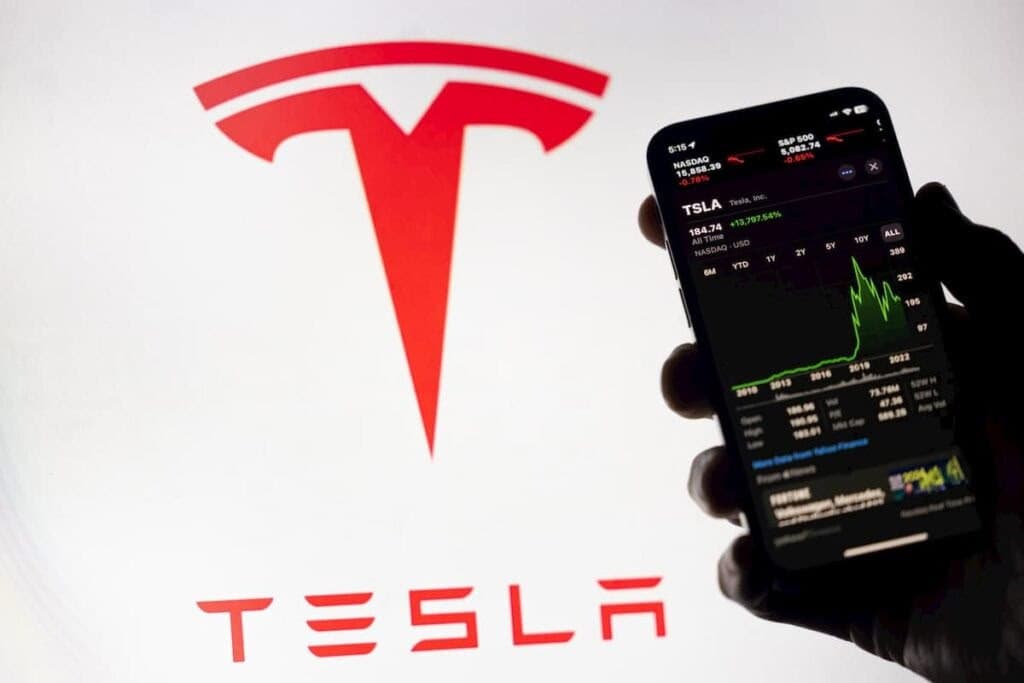
Tesla’s stock is synonymous with volatility. For years, it defied traditional automotive industry metrics, trading at multiples far exceeding its legacy competitors. This premium was often attributed to its rapid growth, technological lead, and the perception that it was more a tech company than a car manufacturer. However, recent periods have seen this narrative challenged, leading to significant fluctuations that have tested the resolve of both long-term holders and short-term traders.
Recent Performance Snapshot: Upswings, Downswings, and Key Milestones
In recent quarters, TSLA has experienced a confluence of headwinds and tailwinds. After reaching stratospheric highs, the stock underwent a notable correction, driven by a combination of macroeconomic concerns, increased competition, and questions surrounding demand for its vehicles. Interest rate hikes, in particular, proved challenging for high-growth stocks like Tesla, as they made future earnings less valuable and increased the cost of capital.
Despite these pressures, Tesla has also demonstrated periods of resilience. Positive earnings reports, advancements in its Full Self-Driving (FSD) technology, and continued expansion into new markets have often provided upward momentum. However, these gains have frequently been met with skepticism regarding sustainability, particularly concerning profit margins in an increasingly price-sensitive EV market. Key milestones, such as production ramp-ups for new models or significant battery technology breakthroughs, have traditionally been catalysts, but their impact has become more nuanced as the company matures.
Understanding Tesla’s Unique Market Dynamics
Tesla’s market dynamics are unlike those of any other major corporation. It operates at the intersection of several high-growth, high-capital-intensity industries: automotive, energy storage, and artificial intelligence. This diversification theoretically offers multiple avenues for growth but also introduces diverse sets of risks and regulatory challenges. Furthermore, TSLA’s valuation often reflects future growth potential rather than current fundamentals, making it highly sensitive to changes in investor sentiment and macroeconomic forecasts. The company’s stock is not merely an investment in an automotive manufacturer but a bet on the future of sustainable energy, autonomous driving, and AI, which inherently carries a higher degree of speculative risk and reward.
Fundamental Drivers: Beyond the Headlines
While market sentiment and macroeconomic shifts play a significant role, the core of Tesla’s stock performance ultimately rests on its fundamental business operations. A closer look at these drivers reveals the underlying health and potential trajectory of the company.
Production and Delivery Metrics: The Core Business Engine
At its heart, Tesla is a manufacturing company. Its ability to produce and deliver vehicles efficiently and at scale remains the primary determinant of revenue and profitability. Quarterly production and delivery figures are meticulously scrutinized by analysts, serving as crucial indicators of demand, operational efficiency, and supply chain health. Any deviation from expectations—whether positive or negative—can trigger significant stock movements. The ramp-up of new gigafactories, production challenges with new models, or unexpected supply chain bottlenecks (e.g., chip shortages) directly impact these figures and, consequently, investor confidence.
Financial Health and Profitability: Margins Under Scrutiny
Tesla’s financial health, particularly its gross and operating profit margins, has been a key focus. For years, Tesla commanded premium pricing for its EVs, leading to enviable margins for an automaker. However, increasing competition from legacy automakers and new EV entrants, coupled with Tesla’s own strategic price cuts, has placed pressure on these margins. Investors are keenly watching whether Tesla can maintain healthy profitability while pursuing aggressive growth and market share expansion. The performance of its energy generation and storage division, as well as its services and Supercharging network, also contributes to the overall financial picture, offering diversified revenue streams that are becoming increasingly important for the company’s long-term financial stability.
Competitive Landscape and Market Share: A Growing Challenge
The EV market is no longer Tesla’s sole domain. Every major automaker, from established giants like Volkswagen and General Motors to emerging players like BYD, is investing billions in electric vehicles. This intensifying competition means Tesla must constantly innovate and execute flawlessly to maintain its market share. The rise of compelling alternatives in various price segments presents a challenge to Tesla’s pricing power and its ability to capture new customers. Investors are evaluating Tesla’s strategy for navigating this competitive landscape, including its product roadmap, pricing adjustments, and geographical expansion efforts.
Innovation and Future Growth Pillars: FSD, AI, and Energy
Beyond vehicle sales, Tesla’s valuation often hinges on its perceived technological lead in areas like Full Self-Driving (FSD), artificial intelligence, and battery technology. The monetization of FSD remains a significant speculative element for investors, with progress (or lack thereof) in its development influencing sentiment. Similarly, Tesla’s advancements in AI, particularly for autonomous driving and robotics (e.g., Optimus bot), are seen as potential long-term value drivers. The energy division, encompassing solar panels, Powerwall, and Megapack solutions, is also an increasingly important growth pillar, offering diversification from the cyclical nature of automotive sales and tapping into the broader transition to renewable energy.
Macroeconomic Currents and Market Sentiment
No stock operates in a vacuum, and TSLA is particularly sensitive to broader economic trends and shifts in market sentiment. These external forces often amplify or dampen the impact of the company’s own operational performance.
Interest Rates, Inflation, and Consumer Spending
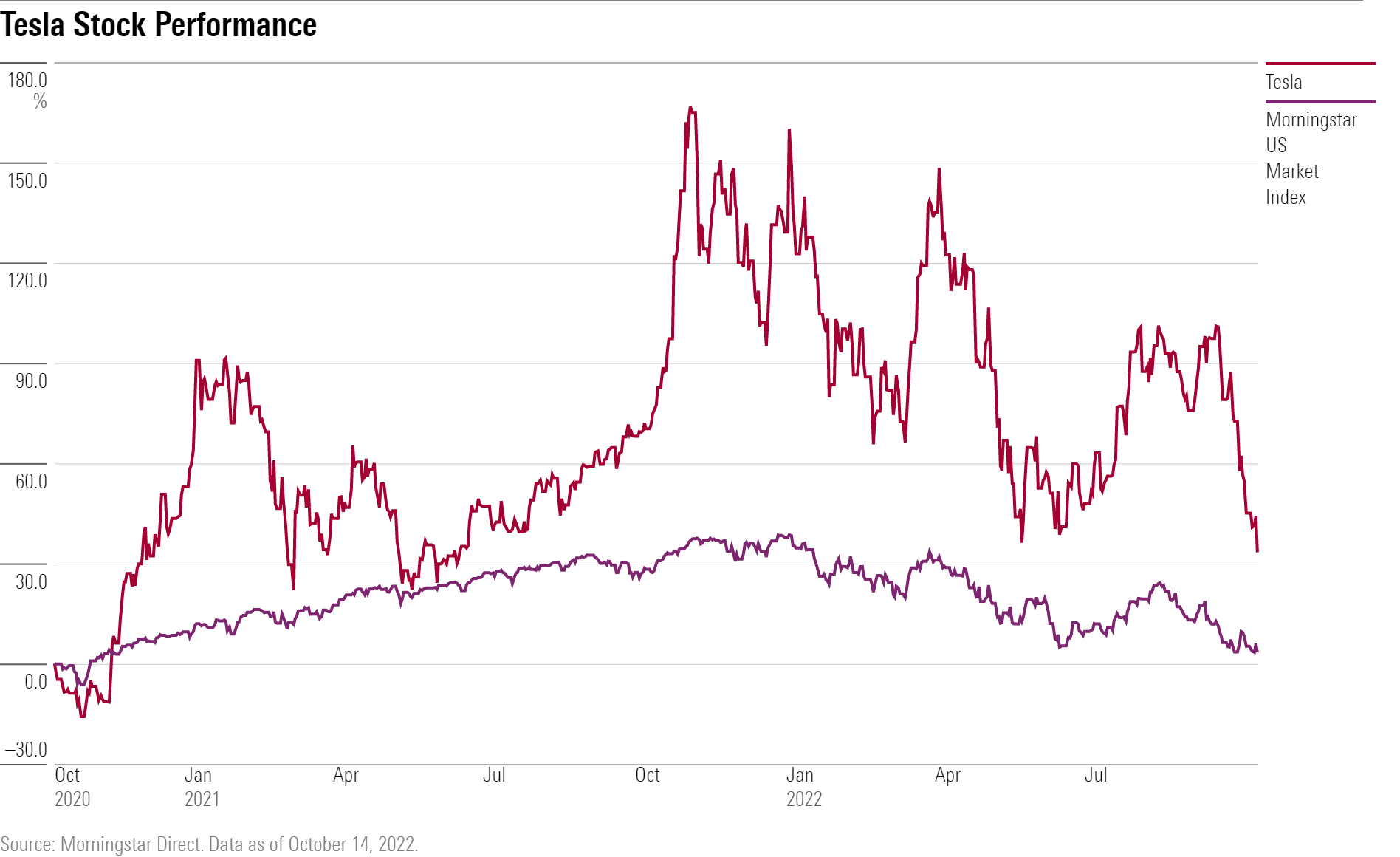
The macroeconomic environment plays a critical role in TSLA’s performance. Higher interest rates, a common response to inflation, directly impact the valuation of growth stocks by increasing the discount rate applied to future earnings. They also make car loans more expensive, potentially dampening consumer demand for new vehicles, especially premium-priced EVs. Inflation can also drive up the cost of raw materials and manufacturing for Tesla, squeezing profit margins. Consumer spending patterns, influenced by economic confidence and disposable income, are therefore a major determinant of Tesla’s sales volume and pricing flexibility.
Geopolitical Factors and Supply Chain Resilience
Geopolitical tensions, trade disputes, and regional conflicts can have far-reaching implications for global supply chains. Tesla, with its vast international manufacturing footprint and complex sourcing network, is susceptible to these disruptions. Any impact on the availability or cost of critical components (e.g., batteries, semiconductors) or restrictions on international trade can directly affect production volumes and profitability. Investors continuously monitor these external risks, assessing Tesla’s resilience and its strategies for mitigating supply chain vulnerabilities.
The “Elon Musk Factor”: Impact of Leadership and Public Discourse
Elon Musk, Tesla’s CEO, is an undeniable force in the company’s narrative and, by extension, its stock performance. His visionary leadership, ambitious pronouncements, and ability to rally public enthusiasm have been pivotal to Tesla’s success. However, his controversial public statements, involvement with other ventures (like X, formerly Twitter), and occasional stock sales have also introduced an idiosyncratic element of risk and unpredictability. The “Elon Musk factor” means that TSLA’s stock often reacts not just to corporate news but also to the CEO’s personal brand, public image, and various extracurricular activities, adding a layer of complexity not typically seen in other S&P 500 companies.
Analyst Perspectives and Investor Considerations
The diverse and often conflicting opinions of financial analysts highlight the challenge of valuing Tesla. Investors must weigh various perspectives and conduct thorough due diligence.
Diverse Price Targets: Bullish vs. Bearish Outlooks
Analyst coverage of TSLA is extensive, yet price targets and recommendations vary wildly. Bullish analysts often emphasize Tesla’s long-term growth potential in EVs, energy, and AI, projecting significant market share expansion and technological breakthroughs. They might overlook current valuation metrics, focusing instead on future earnings multiples. Bearish analysts, conversely, tend to focus on current valuation being stretched, increasing competition, slowing growth rates, and the risks associated with production challenges or regulatory hurdles. They might compare Tesla more directly to traditional automakers, finding its valuation unjustifiable based on current earnings. This wide divergence underscores the speculative nature of the stock.
Valuation Challenges: Growth Stock vs. Mature Auto Manufacturer
One of the central debates surrounding Tesla is whether it should be valued as a high-growth technology company or a more mature automotive manufacturer. As the company scales, its growth rates are naturally decelerating from their earlier explosive pace. This maturation process challenges the growth stock narrative, yet its continued innovation in FSD, AI, and battery technology argues against a purely automotive valuation. Resolving this valuation dilemma is key for investors, as it dictates the appropriate financial models and benchmarks to apply.
Risk Assessment: Regulatory Hurdles and Execution Risks
Investing in TSLA involves navigating several significant risks. Regulatory hurdles, particularly concerning autonomous driving and environmental standards, can impact product timelines and costs. Execution risk—the company’s ability to successfully launch new products, scale production, and manage its global operations effectively—remains paramount. Recalls, quality control issues, or unexpected production delays can severely impact consumer trust and financial performance. Furthermore, the inherent capital intensity of its various ventures means Tesla always needs access to significant capital, making it sensitive to market conditions for fundraising.
The Road Ahead: What to Watch For
Looking forward, several key areas will dictate the trajectory of Tesla stock and its ability to continue generating value for shareholders.
Next-Generation Products and Market Expansion
Tesla’s ability to introduce compelling new products, such as the Cybertruck, the anticipated Robo-taxi, or new mass-market vehicles, will be crucial for reigniting demand and expanding its addressable market. Successful expansion into new geographical regions, particularly those with nascent EV markets, also represents a significant growth opportunity. Investors will be closely watching product launches, production ramp-ups, and market penetration rates for these new offerings.
Sustainable Profitability and Cash Flow Generation
As the EV market matures and competition intensifies, Tesla’s ability to achieve sustainable profitability and generate robust free cash flow will become increasingly important. This includes optimizing manufacturing costs, improving operational efficiency, and effectively monetizing its software and services. Consistent, strong financial performance, rather than just impressive growth figures, will be critical for justifying its valuation and appealing to a broader base of institutional investors.
Long-Term Vision and Competitive Moats
Ultimately, the long-term outlook for Tesla stock hinges on the company’s ability to execute its ambitious vision and build enduring competitive moats. This includes maintaining its technological leadership in EVs, battery technology, and AI, as well as leveraging its Supercharger network and brand strength. The success of its AI ventures, particularly in autonomous driving and robotics, could unlock entirely new revenue streams and potentially redefine the company’s business model, securing its position as a disruptive force for decades to come.
In conclusion, “what is happening with Tesla stock” is a complex narrative driven by a multitude of interconnected factors. It’s a story of innovation, market disruption, charismatic leadership, and significant financial volatility. For investors, understanding TSLA requires a nuanced perspective, balancing the excitement of its groundbreaking technologies and ambitious vision with the realities of intensifying competition, macroeconomic headwinds, and inherent execution risks. Investing in Tesla remains a high-stakes proposition, offering both significant potential rewards and considerable challenges, demanding continuous scrutiny and a clear understanding of its unique position in the global financial landscape.
aViewFromTheCave is a participant in the Amazon Services LLC Associates Program, an affiliate advertising program designed to provide a means for sites to earn advertising fees by advertising and linking to Amazon.com. Amazon, the Amazon logo, AmazonSupply, and the AmazonSupply logo are trademarks of Amazon.com, Inc. or its affiliates. As an Amazon Associate we earn affiliate commissions from qualifying purchases.