
The vast and diverse world of beer offers a kaleidoscope of flavors, aromas, and textures, each contributing to a distinct consumption experience. For brand strategists, marketers, and brewers alike, understanding these fundamental types of beer is not merely an exercise in taxonomy; it is a critical foundation for developing compelling brand identities, crafting effective market positioning, and forging deep connections with target audiences. Every beer style carries inherent perceptions, histories, and brewing methodologies that can be leveraged or challenged in brand narratives, packaging design, and marketing campaigns.

Foundational Beer Styles and Their Inherent Brand Profiles
At its core, beer is categorized by the type of yeast used in fermentation and the resulting fermentation temperature. This fundamental distinction gives rise to the two primary families: ales and lagers, with a third category encompassing hybrid and specialty styles that blend characteristics or defy simple classification. Each family, and its myriad sub-styles, presents unique opportunities and challenges for brand development.
Ales: Crafting Narratives of Heritage, Innovation, and Boldness
Ales are fermented using top-fermenting yeast strains at warmer temperatures (typically 60-75°F / 15-24°C). This process often results in beers with more complex flavor profiles, including fruity esters, spicy phenols, and a broader range of hop characteristics. From a branding perspective, ales frequently lend themselves to narratives centered around craft, tradition, experimentation, and a more adventurous palate.
- India Pale Ales (IPAs): Perhaps the most recognizable ale sub-style in modern craft brewing, IPAs brand themselves on hop intensity—bitterness, aroma, and flavor. Brands leverage this by highlighting specific hop varieties, emphasizing “extreme” or “hazy” characteristics, and targeting consumers seeking bold, evolving taste experiences. Marketing often features vibrant, often abstract or illustrative packaging that conveys energy and innovation.
- Stouts and Porters: These dark, rich ales derive their character from roasted malts, offering flavors of chocolate, coffee, caramel, and sometimes smoke. Branding for stouts and porters often evokes warmth, comfort, indulgence, and sophistication. Brands frequently lean into imagery of quality, depth, and the artisanal process, with packaging that uses darker color palettes and sometimes more traditional typography to communicate richness and heritage. Seasonal releases, particularly barrel-aged variants, allow brands to position these beers as premium, limited-edition offerings.
- Belgian Ales (e.g., Saisons, Dubbels, Tripels): Known for their complex yeast-driven flavors—spicy, fruity, phenolic—and often higher alcohol content, Belgian ales present a distinct branding challenge and opportunity. Brands leveraging these styles often emphasize European tradition, monastic brewing origins, and a certain mystique or sophistication. Packaging frequently incorporates classic Belgian design elements, crests, or evocative names to communicate authenticity and Old World craftsmanship, appealing to a discerning consumer base.
- Sour Ales (e.g., Gose, Berliner Weisse, Lambic): Representing a significant modern trend, sour ales are branded on their intentional tartness, often achieved through lactic acid bacteria. This style attracts adventurous drinkers and allows brands to position themselves as innovative, playful, and boundary-pushing. Marketing often uses bright, contemporary designs, sometimes featuring fruit imagery if fruits are incorporated, to convey freshness and a departure from conventional beer profiles.
Lagers: Building Brands of Refreshment, Consistency, and Broad Appeal
Lagers are fermented using bottom-fermenting yeast strains at colder temperatures (typically 45-55°F / 7-13°C), followed by a period of cold conditioning (lagering). This process results in cleaner, crisper, and generally smoother beers with fewer yeast-derived flavors, allowing malt and hop characteristics to shine in a more subtle way. Brands built around lagers often focus on themes of refreshment, consistency, sociability, and broad accessibility.
- Pilsners: The archetypal pale lager, Pilsners are known for their crispness, floral hop aroma, and balanced bitterness. Branding for Pilsners typically emphasizes purity, clarity, refreshment, and tradition. Many global beer giants have built their empires on the consistent quality of their Pilsner-style lagers, marketing them as the ideal companion for social gatherings, outdoor activities, and everyday enjoyment. Packaging often features clean lines, classic fonts, and bright imagery that suggests coolness and invigoration.
- Pale Lagers/American Light Lagers: Designed for maximum drinkability and often lower in calories, these lagers prioritize a light body, minimal bitterness, and a very clean finish. Branding is intensely focused on refreshment, an active lifestyle, and broad appeal. These brands are often associated with major sporting events, concerts, and youth culture, leveraging celebrity endorsements and aspirational advertising. Their corporate identities are typically highly polished, featuring iconic logos and minimalist, recognizable packaging.
- Dark Lagers (e.g., Dunkel, Bock): While less common than their pale counterparts, dark lagers offer rich malt flavors without the heavier yeast characteristics of dark ales. Branding for these styles often taps into heritage, the changing seasons (especially autumn and winter), and a more robust, comforting drinking experience. They can appeal to consumers looking for something more substantial than a pale lager but still appreciate a clean finish.
Hybrid and Specialty Beers: Forging Niche Identities and Unique Value Propositions
This category encompasses beers that utilize brewing techniques from both ale and lager traditions, incorporate unusual ingredients, or defy conventional style definitions. They offer brands immense flexibility in carving out unique market niches.
- Kölsch and Altbier: These German styles are technically ales fermented at cooler temperatures, then conditioned like lagers. Brands employing these styles often emphasize their regional authenticity, balanced flavor profiles, and easy-drinking nature. They offer a “best of both worlds” narrative, appealing to consumers who appreciate both ale complexity and lager crispness.
- Fruit Beers and Vegetable Beers: Brands leverage these styles to offer innovative, often seasonal, and highly aromatic options. The branding immediately communicates the added flavor dimension, often with vivid imagery of the fruits or vegetables themselves. These beers can attract new demographics, including those who may not typically drink beer, and can be positioned as refreshing, experimental, or even dessert-like.
- Smoked Beers (e.g., Rauchbier): A very distinctive style, smoked beers are a niche product. Brands that produce them lean into the unique flavor profile, often linking it to historical brewing methods or a specific regional identity (like Bamberg, Germany). The branding is inherently bold and appeals to an adventurous, often connoisseur-level consumer.
Leveraging Style Diversity for Competitive Brand Differentiation
In a saturated market, a brewery’s portfolio of beer types is a powerful tool for brand differentiation. A successful brand strategy often involves carefully selecting a range of styles that collectively tell a cohesive story about the brewery’s identity, values, and brewing philosophy.
Some brands may choose to specialize in a single family (e.g., an all-lager brewery known for precision and cleanliness), while others might embrace a broad spectrum to showcase versatility and cater to diverse palates. Craft breweries, in particular, often use a rotating lineup of experimental and seasonal styles to maintain consumer interest and demonstrate innovation, reinforcing a dynamic and creative brand image. The strategic decision of which beer types to emphasize directly shapes the brewery’s perceived expertise, its target demographic, and its competitive edge in the market. Understanding the established and emerging trends within each beer type allows brands to either solidify their position within a traditional category or disrupt the market with novel interpretations.
Visual and Verbal Branding: Communicating Beer Types Through Design and Messaging
The visual and verbal elements of branding are crucial for translating the characteristics of different beer types into a tangible consumer experience. Packaging design, naming conventions, and marketing copy all play a vital role in communicating what a beer is, what it tastes like, and what kind of experience it offers.
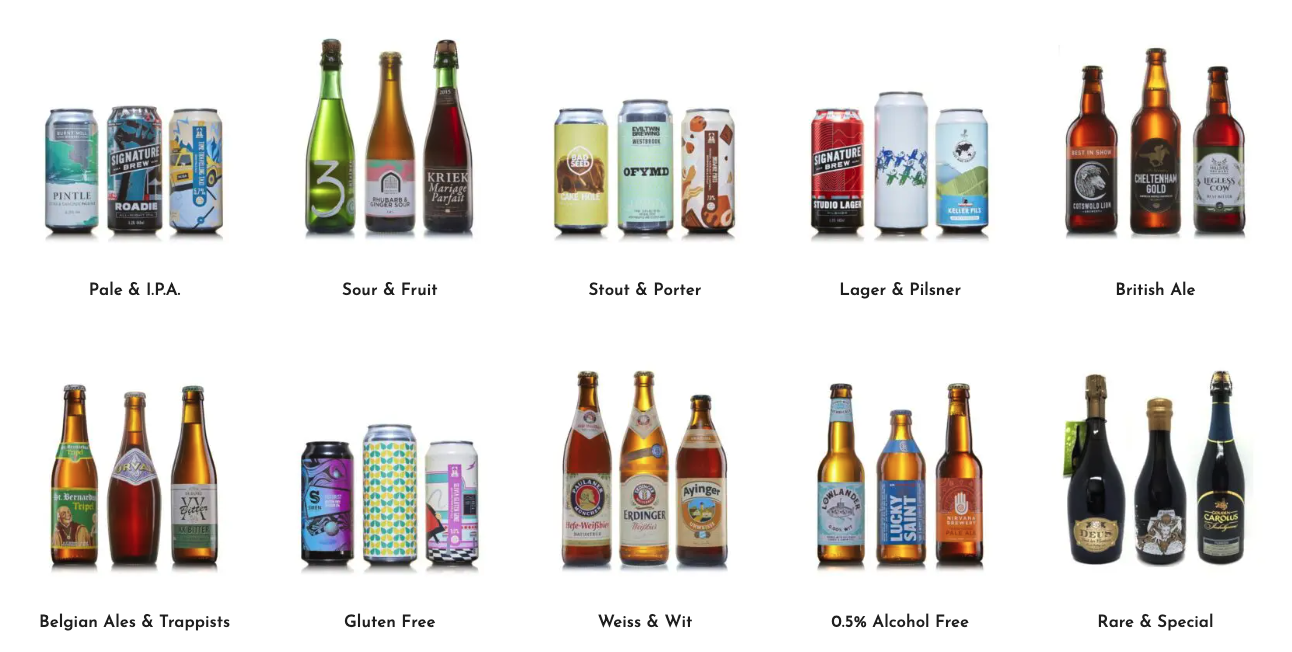
- Packaging Design: The aesthetic choices on a can or bottle are often the first point of contact for a consumer. Dark, matte finishes and intricate illustrations might suggest the depth and richness of a stout, while bright, glossy labels with clean typography could signal the crispness of a Pilsner. Hazy IPAs often feature bold, colorful, and sometimes abstract designs to convey their modern, juice-like character. The color palette, font choices, and imagery all contribute to building an immediate visual identity that aligns with the beer style’s inherent characteristics.
- Naming Conventions: The name of a beer can be a powerful brand asset, hinting at its style, ingredients, or the narrative the brand wishes to convey. Names like “Midnight Stout” immediately suggest a dark, rich beer, while “Citrus Burst IPA” clearly communicates a hop-forward, fruity profile. Breweries often use playful, evocative, or regionally inspired names to create memorable brand associations that resonate with the essence of the beer type.
- Marketing Campaigns and Copy: Different beer types necessitate tailored messaging. A light lager might be marketed with slogans emphasizing refreshment, social connection, and an active lifestyle, utilizing imagery of friends enjoying time together. A barrel-aged imperial stout, by contrast, might be marketed with language that highlights its complexity, limited availability, and suitability for special occasions, appealing to connoisseurs. Effective branding ensures that the marketing message consistently reinforces the unique attributes and emotional connections associated with each beer style.
Consumer Engagement and Brand Evolution in a Dynamic Beer Landscape
Consumer understanding and preferences for various beer types significantly impact purchasing decisions and brand loyalty. Brands must not only produce quality beers but also effectively educate consumers about the nuances of each style to foster appreciation and deeper engagement. Through taproom experiences, online content, and tasting notes, brands can build a narrative around their beer types, inviting consumers into their world.
The beer landscape is constantly evolving, with new trends emerging and traditional styles being rediscovered. The rise of hazy IPAs, the resurgence of lagers, the increasing popularity of sours, and the growth of non-alcoholic options all present challenges and opportunities for established brands and newcomers alike. Successful brands are those that can adapt and innovate within existing beer categories, introduce new styles that capture consumer imagination, and consistently communicate their brand values while staying true to the essence of the beer types they produce. This dynamic interplay between beer types, brand strategy, and consumer behavior ensures that the art of brewing and branding remains an exciting and ever-changing endeavor.
aViewFromTheCave is a participant in the Amazon Services LLC Associates Program, an affiliate advertising program designed to provide a means for sites to earn advertising fees by advertising and linking to Amazon.com. Amazon, the Amazon logo, AmazonSupply, and the AmazonSupply logo are trademarks of Amazon.com, Inc. or its affiliates. As an Amazon Associate we earn affiliate commissions from qualifying purchases.