
The seemingly simple “DS” indicator found on the gear selector or dashboard of a Nissan Altima, particularly models equipped with an automatic transmission or, more commonly, Nissan’s signature Xtronic Continuously Variable Transmission (CVT), refers to Drive Sport Mode. This designation is a technological feature engineered to transform the vehicle’s driving dynamics, offering a more engaging and responsive experience than its standard “D” (Drive) mode. Far from being a mere cosmetic button, DS mode represents a sophisticated interplay of software and hardware adjustments within the powertrain, meticulously designed to cater to drivers seeking a heightened sense of control and performance from their Altima. Understanding “DS” is to delve into the intelligent engineering that defines modern automotive transmission and engine management systems.
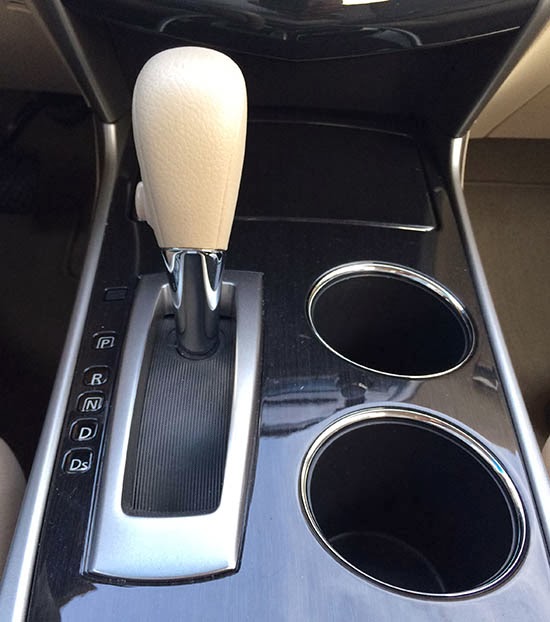
Decoding “DS”: Understanding Drive Sport Mode in Nissan Altimas
Drive Sport (DS) mode is a fundamental aspect of the Nissan Altima’s driving technology, designed to provide a distinct alternative to the regular “D” mode. While “D” prioritizes smooth operation and fuel efficiency under typical driving conditions, “DS” reconfigures the vehicle’s operational parameters to deliver a more spirited and immediate response. This shift in character is not achieved through physical gear changes, as in a conventional automatic transmission, but rather through the intelligent manipulation of the CVT’s ratio spread and the engine’s power delivery.
Beyond the Basics: How DS Differs from Standard Drive
In standard “D” mode, the Altima’s Xtronic CVT is programmed to maintain lower engine RPMs for as long as possible, optimizing fuel economy and ensuring a quiet, comfortable ride. The transmission seeks the most efficient “gear” ratio, constantly adjusting to avoid high engine speeds unless significant power is explicitly demanded by the driver. This often results in a feeling of smooth, linear acceleration that prioritizes efficiency over raw responsiveness.
Conversely, engaging DS mode activates a different set of algorithms within the powertrain control module (PCM). The primary objective shifts from efficiency to performance. In DS mode, the CVT is programmed to simulate traditional gear shifts more aggressively, holding “ratios” for longer periods and allowing the engine to rev higher before “shifting” to a higher virtual gear. This keeps the engine operating within its power band more consistently, making maximum torque and horsepower more readily available. The result is a noticeable increase in acceleration responsiveness and a more direct connection between the accelerator pedal and engine output. Furthermore, DS mode often modifies throttle mapping, making the engine react more sharply to pedal inputs, even subtle ones.
The Role of Nissan’s Xtronic CVT in DS Mode
Nissan’s Xtronic CVT is central to the effectiveness of DS mode in the Altima. Unlike traditional automatic transmissions that use fixed gear sets, a CVT employs a pair of variable-diameter pulleys and a steel belt or chain. This allows for an infinite range of “gear” ratios, theoretically enabling the engine to operate at its most efficient RPM at any speed. However, this smoothness can sometimes feel disconnected to drivers accustomed to the distinct feel of gear changes.
DS mode leverages the CVT’s inherent flexibility to mimic a more conventional, sportier automatic transmission. Instead of continuously varying ratios for efficiency, the CVT in DS mode is commanded to:
- Simulate Gear Steps: While still infinitely variable, the CVT’s control logic will create distinct “steps” in acceleration, feeling much like a multi-speed automatic transmission shifting through gears. This provides a more familiar and engaging auditory and tactile experience for the driver.
- Hold Higher RPMs: The system will intentionally keep engine RPMs elevated, particularly during acceleration or when anticipating power demands (e.g., when the driver lifts off the throttle briefly and then reapplies it). This ensures that the engine’s peak power and torque are instantly accessible without the delay of the CVT needing to “downshift.”
- Enhanced Engine Braking: Some implementations of DS mode also incorporate more aggressive engine braking. When the driver lifts off the accelerator, especially downhill, the CVT might “downshift” virtually to a lower ratio, using the engine’s resistance to help slow the vehicle, similar to how a lower gear would in a manual or traditional automatic transmission. This adds to the feeling of control and responsiveness.
The sophistication of the Xtronic CVT’s control software allows for these nuanced changes in behavior, turning a transmission known for its efficiency into one capable of delivering a genuinely sportier driving feel with the press of a button.
The Engineering Behind Enhanced Performance
The activation of DS mode in a Nissan Altima is not merely a software flag; it’s an intricate dance of engineering adjustments across multiple vehicle systems. This coordinated effort aims to deliver a tangible improvement in dynamic performance, making the Altima feel more agile and powerful without altering its core mechanical components. The changes are primarily executed through the powertrain control module (PCM) and its sophisticated algorithms, which govern the engine, transmission, and sometimes other ancillary systems.
Optimizing Gear Ratios and RPM for Dynamic Driving
At the heart of DS mode’s performance enhancement is the strategic manipulation of the Xtronic CVT’s “gear” ratios and the engine’s operational RPM range. In standard “D” mode, the CVT strives for the highest possible ratio (lowest engine RPM) for any given road speed, minimizing fuel consumption and noise. This often means that when the driver demands quick acceleration, the engine first has to spool up from a relatively low RPM before reaching its peak power band, introducing a slight delay.
DS mode directly addresses this by programming the CVT to operate at lower, more aggressive ratios. This keeps the engine’s RPMs consistently higher, even under light throttle, ensuring it remains “on boil.” When the driver presses the accelerator, the engine is already operating closer to its peak horsepower and torque curves, allowing for immediate and robust power delivery. The simulated gear steps in DS mode are also engineered to be more pronounced, creating a sensation akin to rapid downshifts and upshifts in a conventional gearbox, further enhancing the perception of sportiness and control. This virtual gearing strategy ensures that the power available from the engine is utilized more effectively for acceleration.
Throttle Response and Engine Mapping Adjustments
Beyond transmission behavior, DS mode also involves recalibrating the engine’s electronic throttle control. In “D” mode, the throttle response is often linear and measured, designed for smooth, everyday driving. When DS mode is engaged, the throttle mapping becomes more aggressive. This means that a smaller input on the accelerator pedal results in a proportionally larger opening of the throttle body, allowing more air into the engine and increasing fuel delivery. The effect is a feeling of heightened sensitivity and immediacy from the engine, making the Altima feel quicker off the line and more eager to accelerate through the rev range.
In some Altima models, DS mode might also subtly alter engine mapping parameters, such as ignition timing and fuel injection schedules, to further optimize power output for spirited driving. While these changes are typically minor to maintain reliability and emissions compliance, they contribute to the overall sharper feel of the powertrain. The combination of quickened throttle response and optimized engine parameters ensures that every input from the driver translates into a more direct and forceful reaction from the vehicle.
Impact on Fuel Economy and Driving Experience
The primary trade-off for the enhanced performance offered by DS mode is generally a reduction in fuel economy. By keeping the engine at higher RPMs and utilizing more aggressive throttle mapping, the engine consumes more fuel per unit of distance traveled compared to “D” mode. The continuous focus on power delivery over efficiency inherently means that the advanced fuel-saving strategies of the Xtronic CVT are temporarily superseded. While the exact impact varies depending on driving style and conditions, drivers should expect to see a higher average fuel consumption when regularly using DS mode.
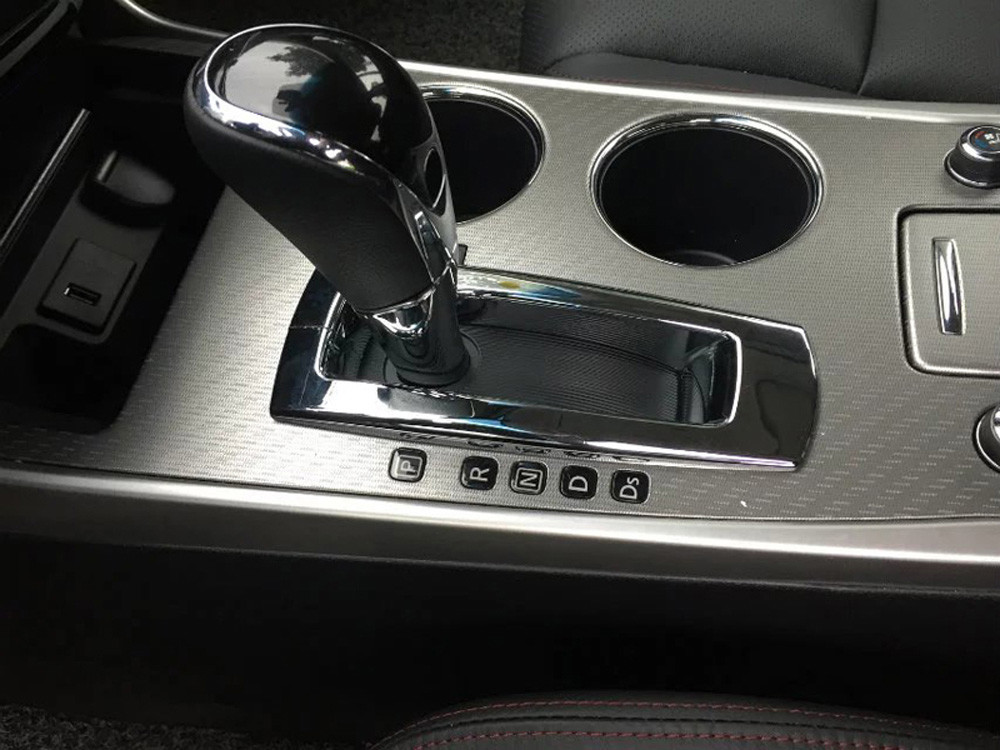
However, the benefit lies squarely in the enhanced driving experience. Drivers will find the Altima to be:
- More Responsive: Quicker acceleration from a standstill and during highway passing maneuvers.
- More Engaging: The simulated gear shifts and higher engine notes provide a more visceral connection to the driving process.
- More Controlled: Especially beneficial when merging into fast-moving traffic, navigating winding roads, or needing instant power for evasive maneuvers.
For those who prioritize dynamic driving and a more direct feel from their vehicle, the trade-off in fuel economy for the engaging experience offered by DS mode is often considered worthwhile.
When and How to Utilize DS Mode Effectively
While DS mode offers a more exhilarating driving experience, it’s not intended for constant use in every driving scenario. Understanding its optimal applications and best practices can maximize its benefits while minimizing unnecessary fuel consumption. Engaging DS mode strategically allows drivers to leverage the Altima’s full dynamic capabilities when most needed.
Scenarios for Engaging Drive Sport Mode
DS mode shines in situations where immediate power and heightened responsiveness are desired. Key scenarios include:
- Highway Merging and Overtaking: When accelerating to match highway speeds or passing slower vehicles, DS mode provides the necessary surge of power and quick throttle response to execute these maneuvers safely and efficiently. The higher RPMs keep the engine in its power band, ensuring minimal delay in acceleration.
- Mountainous or Winding Roads: For navigating uphill climbs or tackling twisty roads, DS mode can significantly improve the driving experience. The enhanced engine braking helps manage descents, reducing reliance on the friction brakes, while the ready power allows for quicker acceleration out of turns and up inclines. The more engaged feel also contributes to better control and driver confidence.
- Urgent Maneuvers: In situations requiring rapid acceleration to avoid a hazard or quickly change lanes, DS mode ensures the Altima responds with maximum immediacy. This can be a critical safety feature, providing the necessary agility for evasive actions.
- Personal Preference for a Sportier Feel: For drivers who simply prefer a more dynamic and engaging driving experience, even in urban settings, DS mode can provide a continuous sense of alertness and responsiveness, albeit at the expense of some fuel efficiency.
Best Practices for Drivers
Utilizing DS mode effectively involves more than just pressing a button. A few best practices can enhance the experience:
- Engage When Needed, Disengage When Not: To conserve fuel, it’s advisable to switch back to “D” mode during prolonged periods of cruising, heavy traffic, or when comfort and efficiency are prioritized. Many drivers will engage DS mode only for specific portions of their journey.
- Understand the Sound and Feel: The engine will operate at higher RPMs, resulting in a more pronounced engine note. The acceleration will feel more direct, and the simulated shifts will be more noticeable. Familiarizing oneself with these characteristics allows for better anticipation of the vehicle’s behavior.
- Smooth Throttle Inputs Still Matter: While DS mode makes the throttle more sensitive, smooth and progressive accelerator inputs will still result in the most controlled and refined performance. Abrupt inputs might lead to jerky acceleration, especially at lower speeds.
- Consider the Conditions: On slippery surfaces (rain, snow, ice), the aggressive throttle response of DS mode might lead to wheel spin. In such conditions, “D” mode, or even a specific snow/economy mode if available, is generally safer.
Common Misconceptions and Troubleshooting
One common misconception is that DS mode somehow damages the engine or transmission due to higher RPMs. This is unfounded. The vehicle’s engineers design DS mode to operate within safe limits, and the engine and transmission are robust enough to handle the increased operational demands. The higher RPMs are an intended characteristic, not a detrimental one.
Another misconception is that DS mode is a “power boost” in the sense of adding horsepower. While it feels like more power is available, DS mode does not increase the engine’s peak output. Instead, it optimizes the transmission and engine management to make the existing power more accessible and responsive, effectively changing how the power is delivered rather than how much power the engine produces.
If DS mode doesn’t seem to engage or function as expected, a quick check of the dashboard indicator is crucial. If the “DS” light doesn’t illuminate, it could indicate a minor electrical issue or a fault in the transmission control module. In such rare cases, consulting a certified Nissan technician for diagnostics is recommended. However, for the vast majority of Altima owners, DS mode operates seamlessly as designed, enhancing the driving experience with intelligent technology.
The Future of Drive Modes and Automotive Technology
The integration of drive modes like “DS” in vehicles such as the Nissan Altima represents a significant step in the evolution of automotive technology, offering drivers unprecedented control over their vehicle’s dynamic character. As technology continues to advance, the sophistication and personalization of these features are set to grow, fundamentally changing how we interact with our cars.
Evolution of Performance Modes in Sedans
The concept of selectable drive modes, once exclusive to high-performance sports cars, has thoroughly permeated the mainstream sedan market. Nissan’s “DS” mode is a prime example of this democratization of performance technology. Future iterations will likely see even more finely tuned distinctions between modes, possibly introducing eco-pro modes, individual driver preference modes, or even predictive modes that adapt to road conditions and driver behavior in real-time. Expect a move towards greater integration, where various vehicle systems—engine, transmission, steering, suspension (if applicable), and even braking—are all harmonized under a single drive mode selection. This will allow for a more holistic transformation of the vehicle’s character, providing a truly bespoke driving experience at the touch of a button.
Integration with Advanced Driver-Assistance Systems (ADAS)
The convergence of drive modes with Advanced Driver-Assistance Systems (ADAS) is an exciting frontier. Imagine a DS mode that, when activated, not only sharpens throttle response but also adjusts the sensitivity of the adaptive cruise control, lane-keeping assist, and automatic emergency braking systems to match a more dynamic driving style. For instance, in a sportier mode, the ADAS might allow for more aggressive acceleration profiles or later braking interventions, while in an economy mode, it would prioritize smooth, gradual inputs. This integration would lead to a more cohesive and intuitive driving experience, where the vehicle’s assistance systems complement rather than conflict with the chosen drive mode. Furthermore, as vehicles become more connected, contextual information like traffic flow, weather, and road conditions could automatically suggest or even activate optimal drive modes, providing an intelligent layer of assistance.
User Customization and Personalization
The ultimate evolution of drive modes will likely be found in extensive user customization. Current systems offer predefined modes (Normal, Sport, Eco), but future vehicles will empower drivers to craft their own personalized drive profiles. This could involve sliders or graphical interfaces on infotainment screens, allowing drivers to independently adjust parameters such as throttle aggression, simulated shift points, steering weight, and even exhaust note characteristics (if active sound enhancement is present). A driver might prefer a sharp throttle with a relaxed steering feel for urban commuting, or a heavy steering with aggressive shifting for weekend spirited drives. This level of personalization moves beyond simply selecting a pre-set character to actively designing the vehicle’s response to individual preferences and specific driving scenarios, transforming the vehicle into a truly adaptable companion. The “DS” mode in today’s Altima is a foundational element in this ongoing technological journey toward increasingly intelligent and driver-centric automotive experiences.
aViewFromTheCave is a participant in the Amazon Services LLC Associates Program, an affiliate advertising program designed to provide a means for sites to earn advertising fees by advertising and linking to Amazon.com. Amazon, the Amazon logo, AmazonSupply, and the AmazonSupply logo are trademarks of Amazon.com, Inc. or its affiliates. As an Amazon Associate we earn affiliate commissions from qualifying purchases.