
Pool ownership represents a significant investment, both in the initial outlay and ongoing maintenance. A pristine pool enhances property value, offers recreational pleasure, and can even contribute to a desirable lifestyle. Conversely, a neglected pool can become a financial drain, detracting from property aesthetics and requiring costly remediation. Among the many challenges pool owners face, mustard algae stands out as a particularly stubborn and financially taxing adversary. Understanding its causes is not just about keeping the water clean; it’s about safeguarding your investment and preventing unnecessary expenditure.
The Financial Drain of Neglected Pool Maintenance
Ignoring the early signs of pool problems, such as the initial appearance of algae, is a classic example of being penny-wise and pound-foolish. What might seem like a minor cosmetic issue can quickly escalate into a full-blown crisis, leading to substantial and avoidable financial burdens.
Understanding the Costly Nature of Mustard Algae
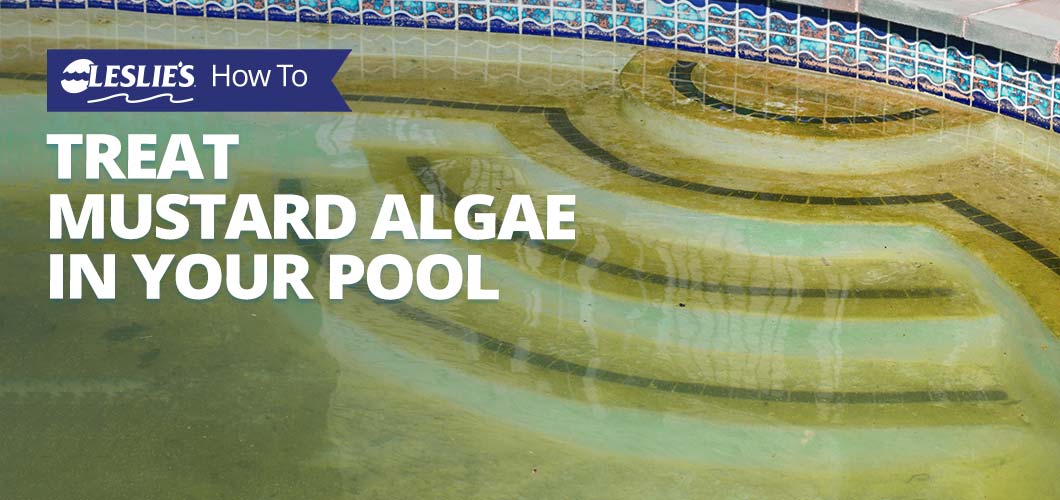
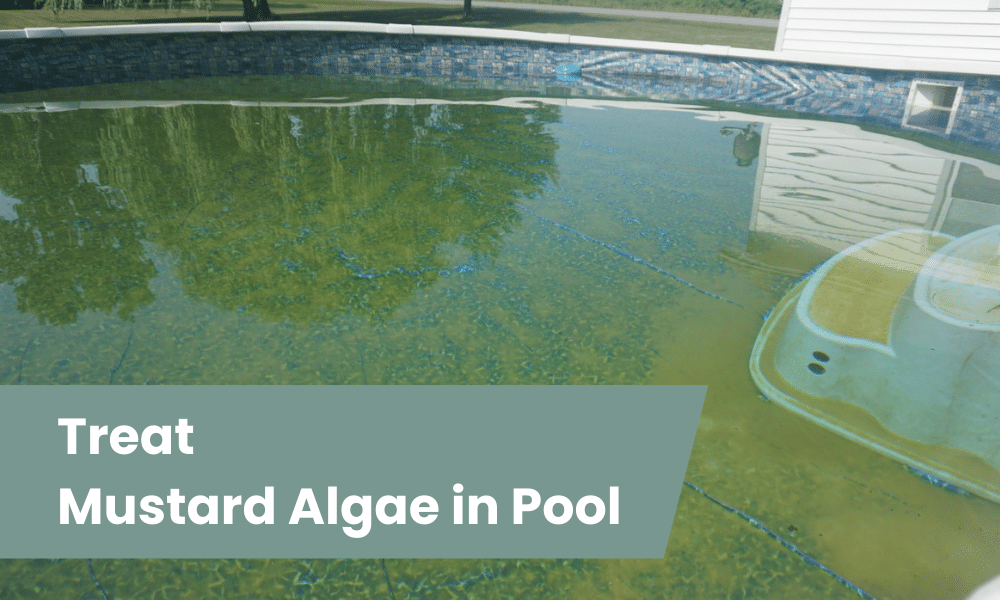
Mustard algae, also known as yellow algae, is a resilient form of algae that clings tenaciously to pool surfaces, equipment, and even pool accessories. Unlike green algae, which can often be shocked away with a strong dose of chlorine, mustard algae is highly resistant to standard chemical treatments. This resistance means that eradicating it requires specialized, often more expensive, algaecides and a more intensive cleaning regimen. The cost implications are multifaceted: increased chemical consumption, higher utility bills from extended filtration, the potential need for professional pool services, and the cost of replacing affected accessories like brushes, nets, and even swimsuits that can harbor its spores. Failing to address it means perpetual spending on chemicals that aren’t fully effective, leading to an endless cycle of treatment and recurrence.
Hidden Expenses of Poor Water Chemistry
The presence of mustard algae is often a symptom of underlying issues in a pool’s water chemistry. Imbalanced pH, low sanitizer levels, or insufficient alkalinity create an environment where algae thrives. The hidden expenses here extend beyond just algae treatment. Poor water chemistry can corrode pool equipment, leading to premature wear and tear on pumps, filters, and heaters, necessitating costly repairs or replacements. It can also damage pool surfaces, staining liners or etching plaster, which can be very expensive to rectify. Over time, these cumulative damages significantly diminish the lifespan of your pool infrastructure, leading to a much higher total cost of ownership than anticipated. A pool that is consistently battling algae and chemical imbalances is an asset losing value, both in terms of its physical condition and its operational efficiency.
Root Causes of Mustard Algae and Their Financial Impact
Identifying the specific factors that contribute to mustard algae growth is crucial for any pool owner looking to minimize maintenance costs and protect their financial asset. Each cause represents a potential leak in your financial planning for pool upkeep.
Inadequate Sanitation: A Penny-Wise, Pound-Foolish Approach
The most common culprit behind any algae outbreak, including the more resilient mustard variety, is insufficient sanitization. This usually translates to consistently low chlorine levels. While it might seem like saving on chlorine can cut costs, under-sanitizing your pool creates a breeding ground for algae and bacteria.
- Reduced Chemical Efficacy: When chlorine levels are too low, the sanitizer struggles to effectively break down organic contaminants. This allows mustard algae spores to establish themselves. Once established, they require significantly higher, more expensive chemical doses to eliminate, negating any initial savings.
- Increased Water Consumption: Eradicating algae often requires backwashing filters more frequently or even draining and refilling the pool in severe cases, leading to higher water utility bills.
- Specialized Algaecides: Standard chlorine might not be enough. Owners will resort to purchasing specialized, more expensive algaecides designed for yellow algae, adding to chemical expenses.
Poor Circulation and Filtration: Equipment Wear and Tear
A pool’s circulation and filtration system acts as its cardiovascular system, ensuring water is properly sanitized and debris is removed. When this system is compromised, either by inadequate run times, clogged filters, or faulty equipment, it creates stagnant areas where algae can flourish.
- Inefficient Chemical Distribution: Poor circulation prevents sanitizers from reaching all areas of the pool, leaving pockets vulnerable to algae growth. This means you might be using adequate chemicals, but they aren’t working efficiently, leading to wasted product and persistent algae.
- Increased Filter Maintenance/Replacement: Clogged or inefficient filters allow microscopic algae spores to pass through, returning them to the pool. Constantly battling algae puts additional strain on the filter, requiring more frequent cleaning, backwashing, or even premature replacement of cartridges or filter media – all of which are direct costs.
- Higher Energy Consumption: Pumps forced to work harder due to clogged filters or attempting to circulate water in an algal-laden pool consume more electricity, increasing operational costs.
Environmental Factors: External Threats to Your Investment
While you can control your pool’s chemistry and mechanics, external environmental factors play a significant role in introducing and promoting mustard algae, often leading to unexpected costs.
- Heat and Sunlight: Warm water provides an ideal breeding ground for algae. In sunny climates, pools are more susceptible, requiring diligent prevention efforts to avoid costly outbreaks.
- Rain and Runoff: Rainwater can introduce algae spores, phosphates (algae food), and alter pool chemistry, demanding immediate corrective chemical adjustments to prevent expensive remediation. Runoff from surrounding landscapes can carry dirt, pollen, and other organic material that feed algae, increasing the chemical demand of the pool.
- Windborne Spores: Algae spores are microscopic and can be carried by wind from nearby ponds, lakes, or even neighboring pools, landing in your pool and establishing colonies.
Cross-Contamination: The Price of Unawareness
Mustard algae is notorious for its ability to cling to and be transferred by objects that come into contact with the pool water. This often overlooked cause can lead to recurrent outbreaks and persistent financial drain.
- Contaminated Equipment: Pool cleaning tools like brushes, nets, and vacuum heads, if not properly cleaned and sanitized after use in an infected pool, can reintroduce spores even after a thorough treatment. Replacing these tools can be an unexpected cost.
- Swimwear and Toys: Bathing suits, pool toys, and even inflatable floats that have been in an infected pool can harbor spores. Reintroducing these items without proper disinfection can trigger a new outbreak, requiring another round of expensive chemical treatment.
- Untreated Water Features: If a decorative water feature or a splash pad connected to the main pool is not properly treated, it can act as a reservoir for mustard algae, continuously re-infecting the main body of water.
Proactive Prevention: Safeguarding Your Pool Investment
The best strategy for managing the financial impact of mustard algae is proactive prevention. By adopting consistent and informed practices, pool owners can significantly reduce the likelihood of an outbreak, thereby protecting their initial investment and minimizing ongoing operational costs.
Consistent Chemical Balancing: Your Budget’s Best Friend
Regular and accurate testing of pool water is the cornerstone of cost-effective pool maintenance. Maintaining optimal levels of sanitizer (chlorine), pH, alkalinity, and calcium hardness prevents issues before they begin.
- Routine Testing: Invest in a reliable test kit or strips and test your water 2-3 times a week, especially during peak swimming season or after heavy use/rain.
- Phosphate Removal: Phosphates are a primary food source for algae. Regularly testing for and treating high phosphate levels with a phosphate remover can starve mustard algae, preventing its growth and reducing the need for expensive algaecides.
- Shock Treatment: Performing regular, preventative shock treatments (weekly or bi-weekly depending on usage) helps maintain a strong sanitizer residual, breaking down organic contaminants and killing nascent algae spores before they become visible. This is far more cost-effective than a reactive, intensive shock treatment for an existing bloom.
Regular Cleaning and Brushing: Manual Labor Saves Capital
While chemicals are essential, physical cleaning is equally important, particularly for preventing tenacious algae like mustard algae.
- Daily Brushing: Mustard algae spores often attach to pool surfaces. Daily brushing, even for just a few minutes, dislodges these spores, allowing the filtration system to capture them and the sanitizer to destroy them before they multiply. This simple, free act can save hundreds in chemical costs.
- Vacuuming: Regularly vacuuming the pool floor helps remove settled spores and debris that could feed algae. Consider robotic pool cleaners as a long-term investment that saves labor and ensures consistent cleaning.
- Cleaning Pool Equipment: Thoroughly clean and sanitize pool brushes, nets, and vacuum hoses after each use, especially if an algae issue was present. This prevents reintroduction of spores and extends the life of your tools.
Effective Filtration Management: Extending Equipment Lifespan
A well-maintained and efficiently operating filtration system is vital for clear, healthy water and for prolonging the life of your expensive pool equipment.
- Adequate Run Times: Ensure your pool pump runs long enough each day to turn over the entire volume of pool water at least once, preferably twice. This ensures proper circulation and filtration, distributing chemicals and removing impurities effectively. While this consumes electricity, it is a preventative measure that avoids far costlier equipment repairs or algae treatments down the line.
- Filter Maintenance: Regularly clean or backwash your filter according to manufacturer recommendations. A clean filter works more efficiently, removes more contaminants, and prolongs the life of the pump by reducing strain.
- Inspect and Repair: Periodically inspect your skimmers, returns, and main drain to ensure they are functioning correctly and not obstructed. Address any leaks or blockages promptly to maintain optimal circulation.
Personal Hygiene and Gear: Preventing Costly Introductions
Simple habits related to personal hygiene and the management of pool accessories can significantly reduce the risk and financial burden of mustard algae.
- Rinse Before Swimming: Encourage swimmers to rinse off before entering the pool. This removes dirt, oils, and potential contaminants that can feed algae or consume chlorine.
- Sanitize Swim Gear: If swimwear, toys, or floats have been in an infected pool or stored in a damp environment, wash them thoroughly or soak them in a diluted bleach solution before allowing them into your pool. This breaks the cycle of cross-contamination.
- Dedicated Pool Tools: Consider having a separate set of cleaning tools for your pool if you also maintain other water features or pools. This minimizes the risk of transferring spores.
The Economic Benefits of a Healthy Pool
Investing time and a modest amount of money in proactive pool maintenance is a sound financial decision. A healthy pool is not just aesthetically pleasing; it’s a testament to responsible asset management and a source of consistent value.
Enhanced Property Value and Appeal
A sparkling, algae-free pool is a major draw for potential homebuyers and significantly enhances the curb appeal and market value of your property. Conversely, a green, neglected pool can be a substantial deterrent, signaling neglect and implying future remediation costs for a buyer, potentially leading to lower offers or a longer selling period. Keeping your pool in top condition is a direct investment in your property’s overall worth.
Reduced Chemical and Repair Bills
By preventing mustard algae outbreaks, you avoid the need for expensive specialty chemicals and intensive, time-consuming treatments. Consistent basic maintenance keeps your water chemistry balanced, protecting your pump, filter, heater, and pool surfaces from corrosion and premature wear. This translates directly into lower annual chemical costs, fewer repair bills, and longer lifespans for your valuable pool equipment. The cumulative savings over years of ownership can be substantial.

Maximizing Enjoyment, Minimizing Financial Stress
Ultimately, a well-maintained pool provides maximum enjoyment with minimal financial stress. Instead of worrying about costly algae outbreaks or equipment failures, you can simply relax and savor your investment. Understanding the causes of mustard algae and implementing preventative measures transforms your pool from a potential money pit into a reliable source of recreation and a valuable asset to your home.
aViewFromTheCave is a participant in the Amazon Services LLC Associates Program, an affiliate advertising program designed to provide a means for sites to earn advertising fees by advertising and linking to Amazon.com. Amazon, the Amazon logo, AmazonSupply, and the AmazonSupply logo are trademarks of Amazon.com, Inc. or its affiliates. As an Amazon Associate we earn affiliate commissions from qualifying purchases.