
Identifying Common Parasitic Infections in Puppies
Parasitic infections are one of the most common health concerns for new puppy owners. Because a puppy’s immune system is still developing, they are particularly susceptible to internal parasites that can be picked up from their environment, their mother, or contaminated soil. Understanding how to identify these intruders is the first step in protecting your pet’s long-term health and preventing the spread of zoonotic diseases—those that can be transmitted to humans.
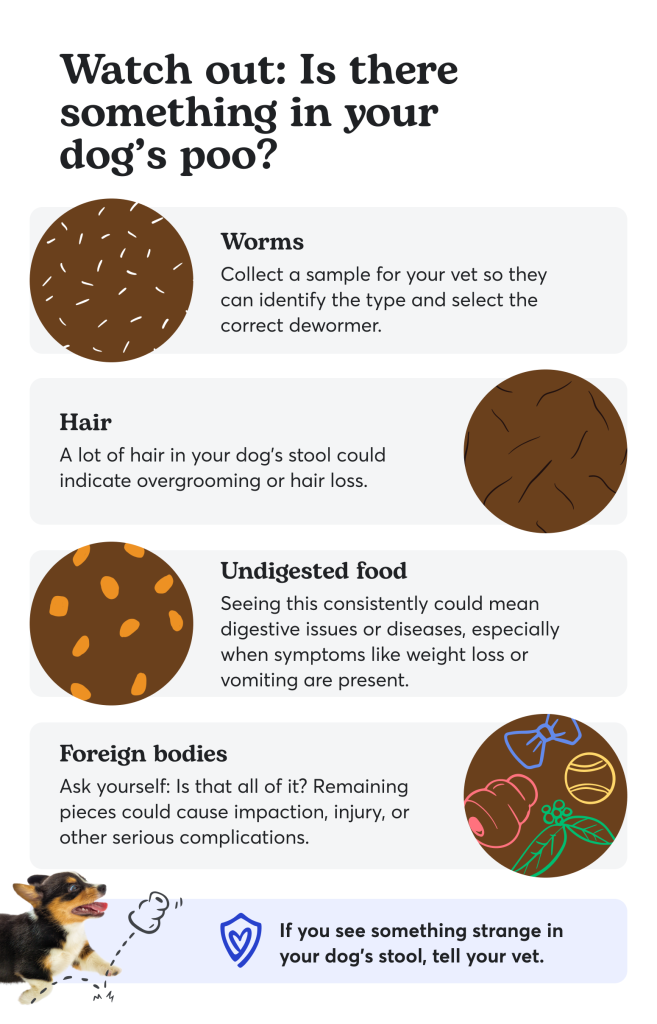
Identifying worms in stool requires a keen eye, as the appearance of the parasite varies significantly based on the species involved. While some worms are clearly visible to the naked eye, others may require microscopic examination by a veterinarian. Being able to distinguish between normal stool composition and signs of an infestation is a vital skill for every responsible dog owner.
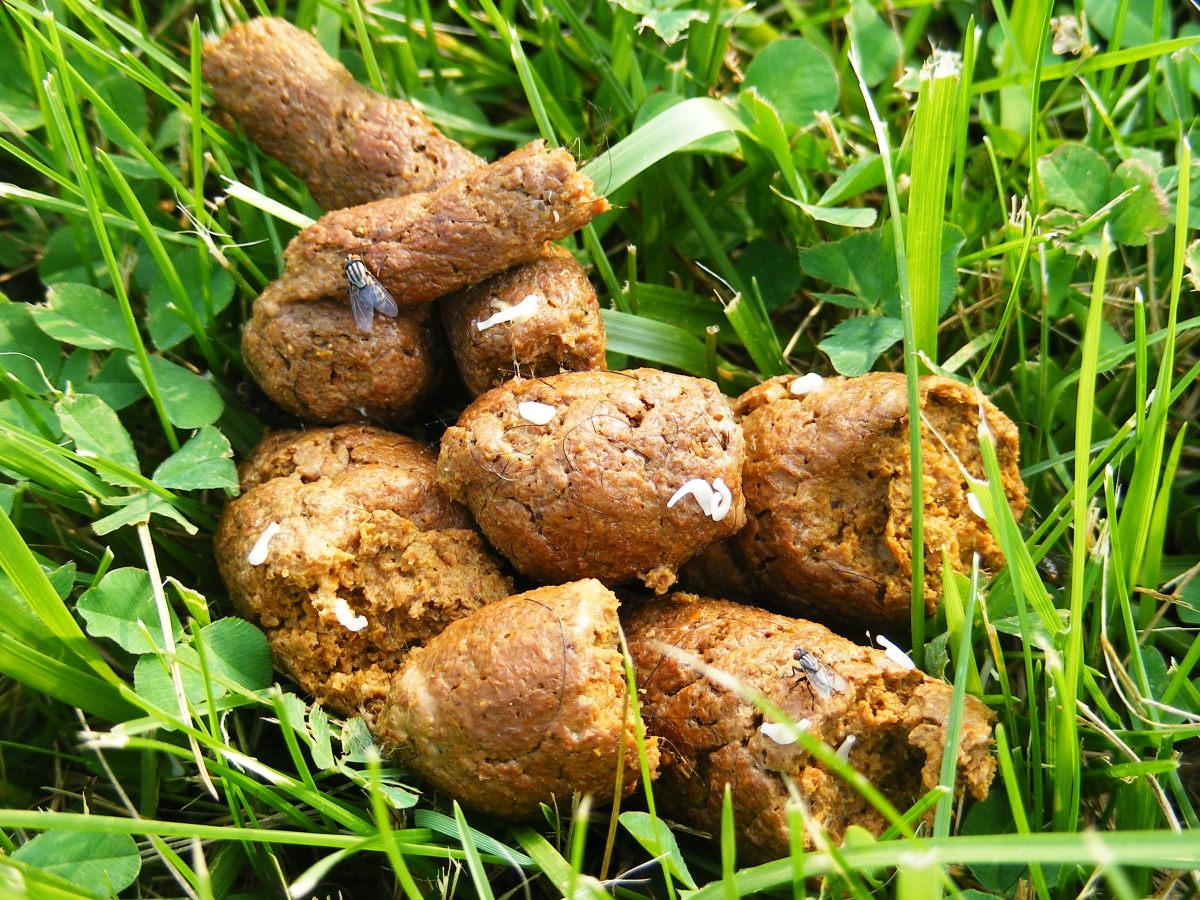
Visual Indicators: Distinguishing Types of Worms
Not all worms look the same, and identifying the specific type can help your veterinarian determine the most effective deworming protocol. While a fecal exam is always the gold standard for diagnosis, visual inspection can provide immediate alerts.
Roundworms: The Spaghetti-Like Culprits
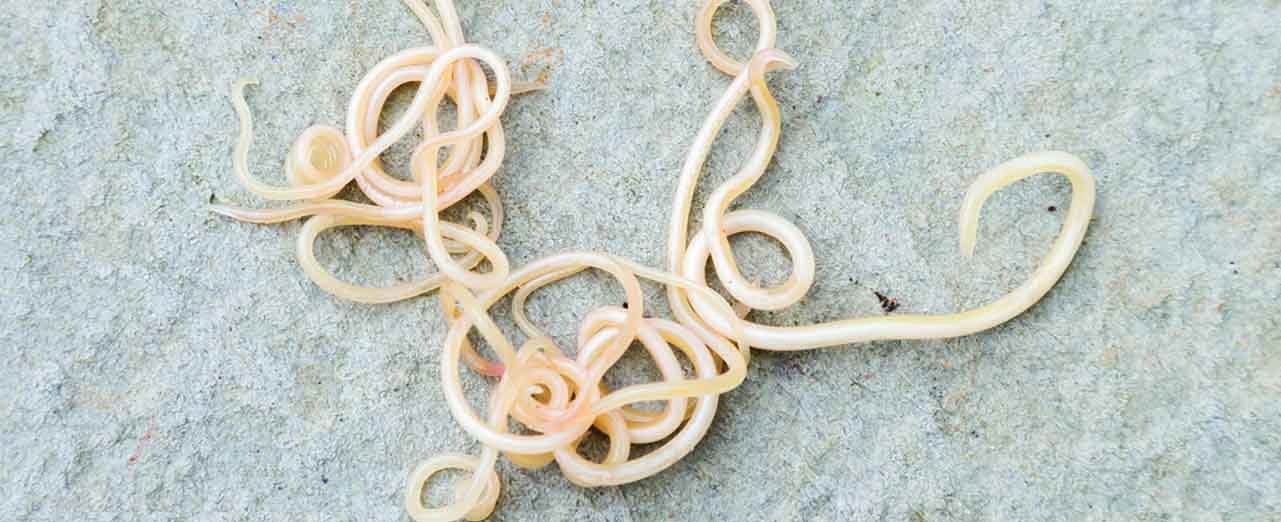
Roundworms (Toxocara canis) are arguably the most common parasitic threat to puppies. When passed in stool, adult roundworms are easily identifiable. They typically look like strands of cooked spaghetti or thin, pale noodles. They are round, smooth, and white or light brown in color. If you see something in your puppy’s poop that looks like a noodle, it is a high-probability indicator of a roundworm infection. These worms can grow several inches long and are often passed in large numbers, particularly after the puppy has been treated with an initial dose of dewormer.
Tapeworms: The Rice Grain Phenomenon
Tapeworms (Dipylidium caninum) present differently than roundworms. You rarely see the entire worm unless the puppy has a severe infestation. Instead, owners usually see segments of the worm, known as proglottids. These segments break off from the main body and pass through the digestive tract. When dry, these segments look like small, flat, white grains of rice or cucumber seeds. They are often found stuck to the fur around the puppy’s tail or moving slightly on the surface of fresh stool. If you notice these rice-like granules, your puppy likely has a tapeworm infection, which is frequently linked to the ingestion of infected fleas.
Hookworms and Whipworms: The Invisible Threats
Unlike roundworms and tapeworms, hookworms and whipworms are rarely visible in stool. They are extremely thin—often hair-like—and microscopic. Because they attach themselves to the intestinal lining, they rarely pass in whole form. If you suspect an infection but see nothing in the stool, do not assume your puppy is parasite-free. Symptoms such as lethargy, pale gums, or blood in the stool are more reliable indicators for these specific parasites than visual inspection of the waste.
When to Consult Your Veterinarian
While spotting worms is a clear sign that intervention is required, the absence of visible worms does not guarantee a clean bill of health. Many parasites complete their life cycles inside the puppy without ever shedding visible segments.
The Importance of Routine Fecal Exams
A fecal flotation test is a diagnostic procedure performed by veterinarians to identify parasite eggs that are invisible to the human eye. Your vet will mix a sample of the stool with a special solution that causes eggs to float to the surface, where they can be identified under a microscope. Even if your puppy seems perfectly healthy, routine screenings are essential. Puppies are often born with or quickly acquire parasites from their environment, making preventative care more effective than reactionary treatment.
Recognizing Clinical Symptoms Beyond Visuals
If you are worried about your puppy’s health, monitor for behavioral and physical changes. Common signs of an internal parasite load include:
- Pot-bellied appearance: A bloated or distended abdomen is a classic sign of a heavy roundworm burden.
- Weight loss or stunted growth: If your puppy is eating well but failing to gain weight, parasites may be stealing the nutrients.
- Diarrhea or vomiting: Chronic digestive upset is a hallmark of intestinal irritation caused by worms.
- Anemia: Hookworms feed on blood, which can lead to pale gums and lethargy in severe cases.
- Scooting: While often associated with anal glands, persistent scooting can sometimes indicate irritation from tapeworm segments around the rectum.
Prevention and Environmental Management
The best way to handle worms is to prevent them from establishing a foothold in the first place. Parasite control is a cornerstone of responsible puppy husbandry, requiring a combination of medical intervention and environmental hygiene.
Medical Deworming Schedules
Puppies are typically dewormed multiple times during their first few months of life. Because certain dewormers only kill adult worms, a series of treatments is necessary to catch larvae as they mature. Always follow the specific schedule provided by your veterinarian. Do not use over-the-counter dewormers without professional guidance, as the dosage must be strictly calibrated to the puppy’s current weight to ensure both efficacy and safety.
Cleaning and Sanitation
Parasite eggs can remain dormant in the soil for years, meaning your puppy can be re-infected simply by playing in the yard. To reduce the risk of re-infection:
- Prompt waste removal: Clean up your puppy’s stool immediately. This prevents the eggs from hatching or sporulating in the environment, which breaks the transmission cycle.
- Foot traffic management: Avoid areas where other dogs congregate until your puppy has completed their full series of vaccinations and deworming treatments.
- Flea and Heartworm Prevention: Many intestinal parasites are transmitted through external vectors like fleas. Consistent, year-round flea prevention is a crucial component of protecting your puppy from tapeworms.
- Hygiene for Humans: Always wash your hands thoroughly after handling puppy waste or cleaning your puppy’s living area. Children, who are more likely to put their hands in their mouths, should be supervised closely when playing with puppies.
Conclusion: Maintaining a Healthy Start
Seeing worms in your puppy’s poop can be a startling experience, but it is a common hurdle in early pet ownership. With proper identification, a consistent relationship with your veterinarian, and a diligent approach to hygiene and prevention, most parasitic infections are easily managed and cured.
The goal is to ensure your puppy receives the nutrients they need to grow, rather than sharing those nutrients with unwanted guests. By staying vigilant and treating the environment with as much care as you treat the puppy, you are setting the stage for a healthy, happy life for your companion. If you ever have a doubt, always prioritize a professional fecal examination; early detection is the surest way to prevent long-term complications and ensure your puppy reaches their full growth potential. Always remember that while visual checks provide a starting point, they are not a substitute for the comprehensive medical care provided by a veterinary professional.
aViewFromTheCave is a participant in the Amazon Services LLC Associates Program, an affiliate advertising program designed to provide a means for sites to earn advertising fees by advertising and linking to Amazon.com. Amazon, the Amazon logo, AmazonSupply, and the AmazonSupply logo are trademarks of Amazon.com, Inc. or its affiliates. As an Amazon Associate we earn affiliate commissions from qualifying purchases.