
Defining Quality Through Brand Attributes
The pursuit of “good” dry white wine is, at its heart, a quest for a product whose attributes align with specific standards of excellence, ultimately shaping and reinforcing a brand’s identity and market perception. For wineries, distinguishing what makes a dry white wine exceptional is not merely about taste; it’s about crafting a consistent profile that embodies their brand’s promise and resonates with their target audience. A good dry white wine, from a brand perspective, is one that successfully communicates its inherent quality and unique character, establishing a memorable identity in a crowded market. This quality is multifaceted, emerging from a delicate interplay of viticulture, winemaking, and strategic market positioning.
The Role of Terroir and Grape Varietal in Brand Identity
At the foundation of any distinguished dry white wine brand lies the profound influence of terroir—the complete natural environment in which a particular wine is produced, including factors such as soil, topography, and climate. Terroir acts as a unique signature, embedding distinct characteristics into the grapes that are inimitable elsewhere. For a brand, leveraging terroir means articulating a compelling story about origin, scarcity, and authenticity. For instance, a Sancerre brand immediately evokes images of Sauvignon Blanc from the Loire Valley, known for its crisp minerality and vibrant acidity—qualities intrinsically linked to its specific limestone-rich soils. Similarly, a Chablis brand communicates Chardonnay with a steely, non-oaked profile, a direct consequence of its Kimmeridgian clay.
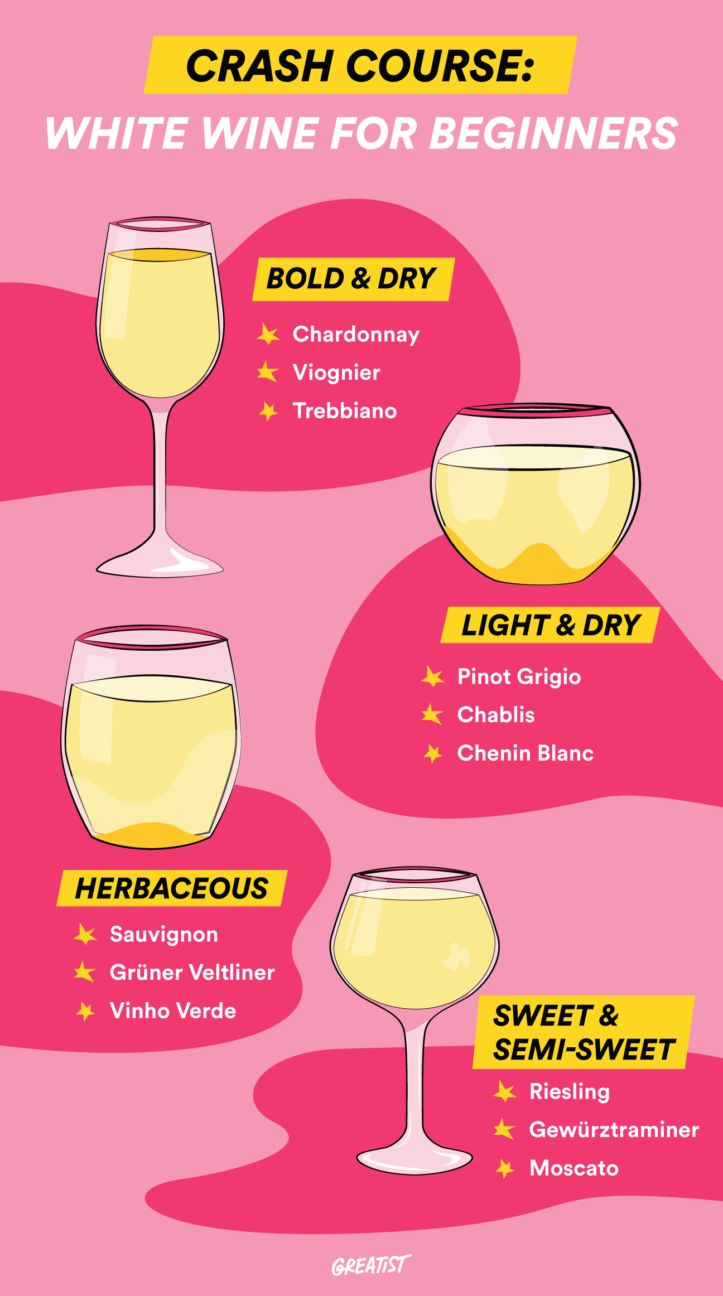
The choice of grape varietal further solidifies a brand’s identity. Different grapes inherently possess distinct aromatic and structural profiles that can be cultivated and emphasized to create a specific brand character. Chardonnay, for example, is a versatile grape that can yield brands ranging from the rich, buttery, oak-influenced styles of California to the lean, mineral-driven expressions of Burgundy. Sauvignon Blanc often forms brands characterized by zesty citrus, green apple, and sometimes herbaceous notes. Pinot Grigio/Gris brands typically lean towards light, crisp, and refreshing profiles with pear and almond undertones. Each varietal offers a palette for winemakers to express their vision, and for brands to establish a clear, recognizable product offering that aligns with consumer expectations for that grape type. A good dry white wine brand effectively translates these inherent varietal characteristics into a consistent and desirable product experience.
Winemaking Philosophy as a Brand Differentiator
Beyond terroir and varietal, a winery’s philosophy and technical approach to winemaking serve as crucial brand differentiators. This encompasses decisions made throughout the entire process, from grape harvesting to fermentation, aging, and bottling. For a brand, these choices are not arbitrary; they reflect core values and aspirations. Does the brand prioritize traditional methods or embrace modern innovation? Is the focus on expressing pure fruit character, or does it incorporate the complexities derived from oak aging or lees stirring?
Consider two brands of Chardonnay: one that emphasizes extensive barrel fermentation and malolactic conversion, resulting in a rich, creamy, and vanilla-scented wine; another that opts for stainless steel fermentation and minimal intervention, producing a bright, unoaked, and crisp expression. Both can be “good” dry white wines, but their distinct winemaking philosophies create vastly different brand propositions. The former might appeal to consumers seeking opulence and texture, while the latter targets those desiring freshness and purity. A successful brand communicates its winemaking philosophy effectively, allowing consumers to align with the style that best suits their palate and values. This deliberate crafting of wine through specific techniques contributes significantly to the sensory profile and, by extension, the perceived quality and distinct identity of a dry white wine brand.
Sensory Characteristics That Build Brand Reputation
The sensory experience of a dry white wine is paramount in shaping its reputation and forming the cornerstone of a brand’s appeal. Aroma, palate, and finish are not merely descriptors; they are the tangible elements through which a brand communicates its quality, craftsmanship, and unique selling proposition. A “good” dry white wine consistently delivers a harmonious and memorable sensory profile, fostering loyalty and positive word-of-mouth for the brand.
Aroma and Bouquet: The Brand’s Signature Scent
The initial impression of a dry white wine begins with its aroma, often referred to as “bouquet” when describing the more complex scents developed during aging. This olfactory signature is a critical component of a brand’s identity. A good dry white wine will exhibit clean, defined, and appealing aromas that are characteristic of its varietal and origin. For example, a quality Sauvignon Blanc brand might present pronounced notes of grapefruit, passionfruit, gooseberry, or even a subtle hint of green bell pepper. A fine Riesling brand could offer delicate floral notes, crisp green apple, or a distinctive petrol aroma in aged examples.
The intensity and complexity of these aromas also speak to quality. A “good” wine offers more than just a single note; it provides layers of scent that evolve as the wine breathes. These nuanced aromas contribute to a rich sensory experience, distinguishing a premium brand from a generic offering. Brands meticulously manage these aromatic profiles through varietal selection, vineyard practices, and fermentation techniques, ensuring that their product’s scent signature is both delightful and consistent, reinforcing their unique brand image.
Palate and Texture: Crafting a Memorable Experience
Moving from nose to palate, the taste and texture of a dry white wine are vital for consumer satisfaction and brand recall. A good dry white wine on the palate will exhibit a clean attack, a well-integrated flavor profile, and a balanced structure. This includes the interplay of acidity, fruitiness, and any residual sugar (though minimal in truly dry wines). The acidity, in particular, is crucial for dry white wines, providing freshness, backbone, and the ability to pair well with food. Brands aim for an acidity that is refreshing and mouth-watering without being harsh or overly tart.
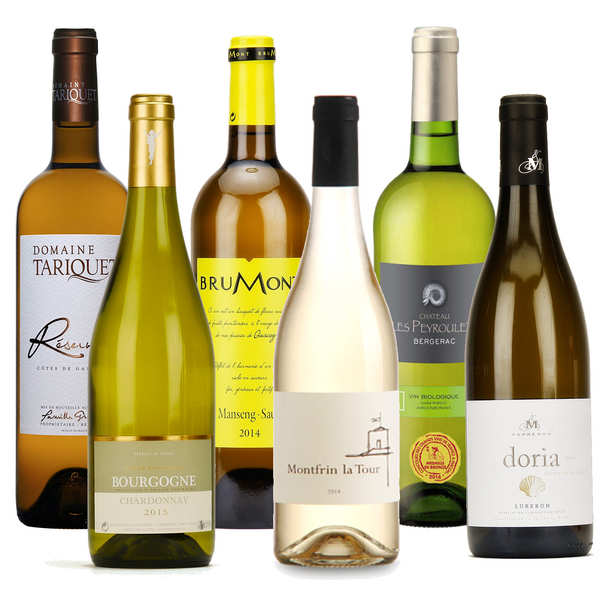
Texture, or mouthfeel, also plays a significant role. A quality dry white wine might feel crisp and light-bodied, like many Pinot Grigios, or possess a richer, more viscous texture, perhaps due to lees stirring or oak aging, as seen in some Chardonnays. This textural dimension contributes significantly to the overall drinking experience and helps define a brand’s stylistic choice. A brand’s consistent delivery of a particular texture and flavor profile creates a predictable and enjoyable experience for the consumer, solidifying their trust and preference for that brand.
Finish and Balance: The Lasting Impression of a Brand
The finish is the lingering taste and sensation left on the palate after the wine is swallowed. A “good” dry white wine will have a clean, pleasant, and reasonably long finish that echoes the flavors experienced on the palate. A short, abrupt, or unpleasant finish can detract significantly from the overall perception of quality, regardless of how promising the initial aroma or taste might have been. The length and evolution of the finish contribute to the wine’s elegance and complexity, leaving a lasting, positive impression that reinforces the brand’s quality.
Furthermore, balance—the harmonious integration of all sensory components (acidity, fruit, alcohol, and any structural elements like minerality or oak)—is perhaps the most critical indicator of a good dry white wine. No single component should dominate or be noticeably lacking. A well-balanced wine feels complete and cohesive, a testament to the winemaker’s skill and a hallmark of a reputable brand. Brands that consistently achieve this balance build a strong reputation for producing sophisticated and enjoyable wines, fostering repeat purchases and strong brand loyalty.
Consistency and Authenticity: Cornerstones of a Strong Wine Brand
For any wine brand, especially in the competitive dry white wine category, consistency and authenticity are not merely desirable traits but essential pillars for long-term success and consumer trust. A “good” dry white wine brand is one that consistently delivers on its promise, vintage after vintage, while staying true to its inherent character and story.
Ensuring Quality Control for Brand Trust
Consistency in quality is paramount for building and maintaining brand trust. Consumers expect a certain taste profile and experience when they choose a familiar brand. Deviations can quickly erode confidence. Therefore, a strong dry white wine brand invests heavily in meticulous quality control at every stage, from grape cultivation in the vineyard to the final bottling process. This involves rigorous monitoring of ripeness levels, careful sorting of grapes, precise fermentation temperature control, and vigilant cellar practices. For multi-vintage brands, the challenge is to maintain a signature style despite the natural variations in each harvest. This might involve blending wines from different parcels or employing specific winemaking techniques to achieve the desired consistency. When a brand consistently delivers a “good” wine that meets consumer expectations, it fosters reliability and loyalty, making it a preferred choice in the market. This unwavering commitment to quality control is a direct reflection of a brand’s integrity and dedication to its consumers.
Storytelling and Provenance: Authentic Brand Narratives
Authenticity in the wine world often revolves around the concept of provenance and the story behind the bottle. A “good” dry white wine brand tells a compelling and truthful narrative about its origins, its land, its people, and its winemaking philosophy. This storytelling connects consumers emotionally to the brand, distinguishing it from mass-produced wines. Whether it’s the multi-generational history of a family estate, the unique geological story of a vineyard site, or a brand’s commitment to sustainable practices, these authentic narratives add depth and meaning to the product.
For example, a brand might highlight its biodynamic farming practices, appealing to environmentally conscious consumers, or emphasize its specific regional heritage, such as an Alsatian brand promoting its unique expression of Pinot Gris. These authentic details transform the wine from a mere beverage into an experience steeped in culture and tradition. A brand that can genuinely communicate its roots and values—how it makes its “good” dry white wine—builds a stronger, more enduring connection with its audience, reinforcing its unique identity in the marketplace.
Consumer Perception and Brand Value
Ultimately, the definition of a “good” dry white wine is co-created by the brand and its consumers. A successful brand understands and actively shapes consumer perception, ensuring that its product is not only intrinsically excellent but also perceived as valuable and desirable within its specific market segment.
Education and Engagement: Shaping Consumer Preferences
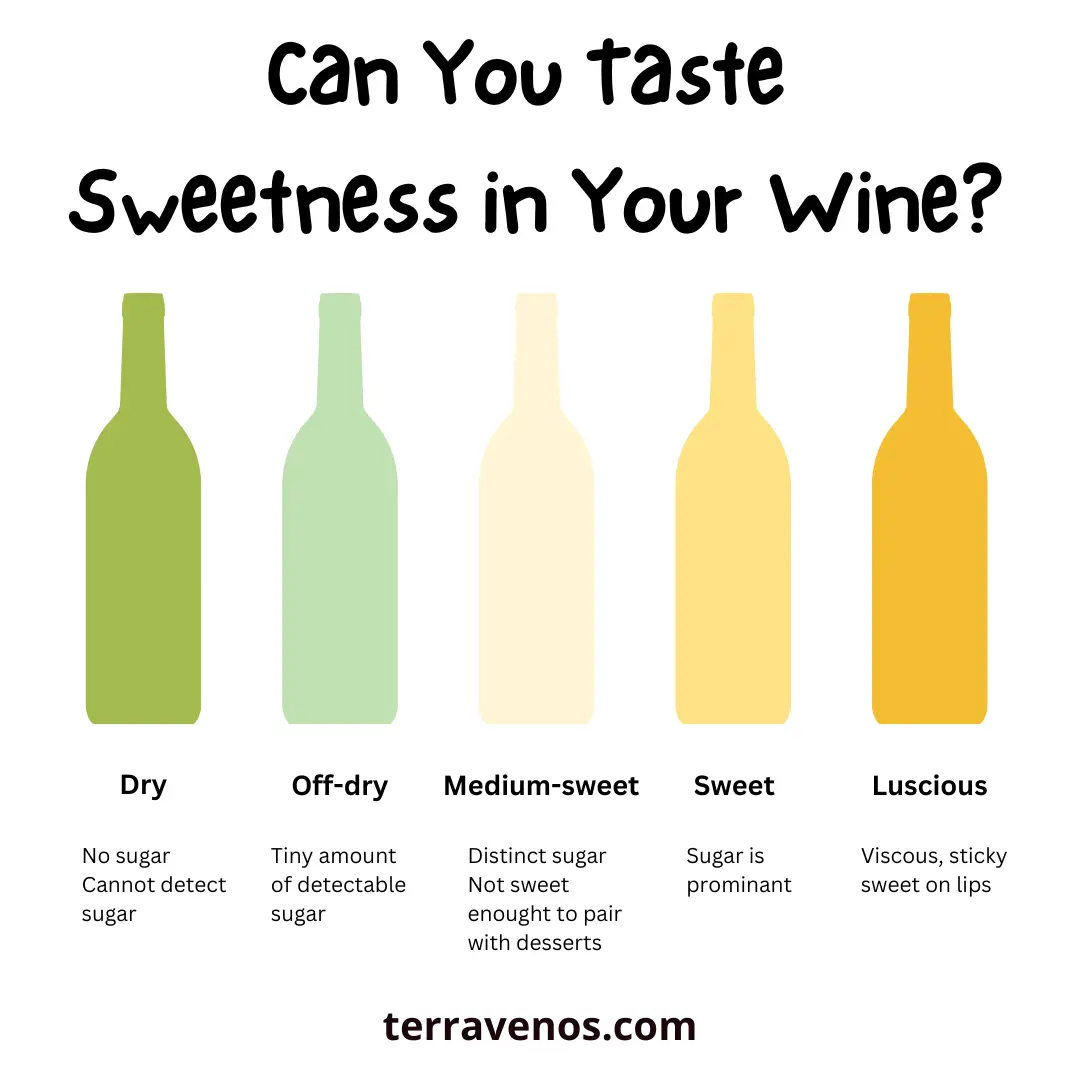
Brands play a crucial role in educating consumers about what constitutes a “good” dry white wine, thereby shaping preferences and expanding market appreciation. Through engaging content, tasting notes, winery visits, and sommelier collaborations, brands can demystify complex wine characteristics and highlight the attributes that make their wines exceptional. For instance, a brand might educate consumers about the nuanced differences between a dry Riesling and an off-dry one, guiding them towards understanding and appreciating the former’s crisp acidity and minerality. By offering context on varietal characteristics, terroir influences, and winemaking techniques, brands empower consumers to make informed choices and develop a more sophisticated palate. This educational effort not only enhances the consumer experience but also elevates the perceived value of the brand, positioning it as an authority in its category.
Market Positioning: Aligning Quality with Brand Strategy
The market positioning of a dry white wine brand is a deliberate strategy to align its perceived quality with its target audience and price point. A “good” dry white wine must not only be objectively well-made but also effectively positioned to resonate with its intended consumers. Is the brand aiming for an approachable, everyday wine or a premium, age-worthy selection? This influences everything from packaging design and distribution channels to marketing messages. A brand aiming for the high-end market might emphasize limited production, unique vineyard sites, and critical acclaim to justify a higher price point and convey exclusivity. Conversely, a brand targeting a broader audience might focus on versatility, value for money, and ease of enjoyment. Regardless of the segment, a brand’s success hinges on its ability to communicate its unique value proposition clearly. A “good” dry white wine, from a brand perspective, is one that successfully navigates these market dynamics, consistently delivering on its quality promise while strategically carving out its distinct place in the hearts and minds of its consumers.
aViewFromTheCave is a participant in the Amazon Services LLC Associates Program, an affiliate advertising program designed to provide a means for sites to earn advertising fees by advertising and linking to Amazon.com. Amazon, the Amazon logo, AmazonSupply, and the AmazonSupply logo are trademarks of Amazon.com, Inc. or its affiliates. As an Amazon Associate we earn affiliate commissions from qualifying purchases.