
In the journey of personal finance, few milestones are as impactful and enduring as student loans. For millions of individuals worldwide, these financial instruments represent the gateway to higher education and future opportunities. However, the sheer volume, varied terms, and dynamic nature of student loan portfolios can often feel overwhelming, transforming what should be a clear path into a dense fog of financial uncertainty. The foundational step in mastering this significant financial obligation is surprisingly simple yet critically overlooked: knowing how to view your student loans.
This isn’t merely about checking a balance; it’s about gaining a comprehensive understanding of your entire loan landscape – who holds your loans, what kind of loans you have, your interest rates, your payment history, and your repayment options. Such clarity empowers you to make informed decisions, optimize your repayment strategy, and ultimately navigate your financial future with confidence. Without this essential knowledge, you risk missing critical deadlines, overlooking beneficial repayment programs, or even defaulting on loans due to a lack of awareness, all of which can have severe, long-term repercussions on your credit and financial well-being. This guide aims to demystify the process, offering a clear, step-by-step approach to viewing and understanding your student loans, equipping you with the tools necessary for proactive financial management.
The Indispensable Value of Proactive Loan Monitoring
Effective management of student loan debt begins long before payments are due and extends far beyond merely submitting monthly installments. It necessitates a proactive, ongoing commitment to understanding every facet of your loans. Ignoring your student loans, even for a short period, can lead to unpleasant surprises and missed opportunities that could otherwise save you thousands of dollars or help avert financial distress. Regular monitoring is not just good practice; it’s a critical component of sound financial health.
Understanding Your Financial Landscape
Your student loans are a significant part of your overall financial picture, impacting your credit score, your ability to secure future loans (like a mortgage or car loan), and your overall financial flexibility. Regularly viewing your loans allows you to track your principal balance, monitor interest accrual, and understand how your payments are affecting your debt over time. This holistic view enables you to integrate your loan repayment strategy into your broader financial plan, whether you’re saving for a down payment, investing for retirement, or building an emergency fund. Without this clarity, your financial planning efforts are akin to navigating a complex terrain without a map, leaving you vulnerable to unforeseen obstacles and detours. Knowing where you stand at all times provides the stability needed to make strategic moves towards financial independence.
Preventing Default and Its Far-Reaching Consequences
One of the most critical reasons to actively monitor your student loans is to prevent default. Defaulting on student loans, particularly federal loans, carries severe consequences. These can include wage garnishment, seizure of tax refunds, damage to your credit score, ineligibility for future federal financial aid, and even the potential for collection agencies to pursue your debt aggressively. Many borrowers fall into default not because they deliberately refuse to pay, but because they lose track of their loans, fail to update contact information, or aren’t aware of available deferment or forbearance options during periods of financial hardship.
By regularly viewing your loan details, you can identify potential problems early. If you anticipate difficulty making payments, accessing your loan information allows you to proactively contact your loan servicer to explore alternatives like income-driven repayment plans, deferment, or forbearance before you miss a payment. This foresight can be the difference between a temporary setback and a long-lasting financial nightmare, safeguarding your credit and preserving your eligibility for vital financial safety nets.
Identifying Optimal Repayment Pathways
The world of student loan repayment is not one-size-fits-all. There are numerous repayment plans available, especially for federal student loans, designed to accommodate various financial situations. These include standard repayment, graduated repayment, extended repayment, and several income-driven repayment (IDR) plans (e.g., REPAYE, PAYE, IBR, ICR). For some, public service loan forgiveness (PSLF) might be an option. Private loans also offer various deferment or modification options, though they are typically less flexible.
However, you can only choose the best plan for you if you know what loans you have, who services them, and what your current terms are. Regularly viewing your loan portfolio enables you to:
- Confirm your loan types (federal vs. private) as this dictates available programs.
- Track your progress towards forgiveness programs if applicable.
- Evaluate if your current repayment plan is still the most advantageous given your current income and financial goals.
- Identify opportunities to consolidate or refinance, which could lower interest rates or simplify payments.
This ongoing assessment ensures you’re always on the most efficient and cost-effective path to debt freedom.
Unearthing Federal Student Loan Information
For most borrowers, the journey to viewing student loans begins with federal loans, which often constitute the largest portion of student debt. The U.S. Department of Education maintains a centralized database that is the definitive source for all federal student loan information. Accessing this resource is the single most important step in understanding your federal loan obligations.
The StudentAid.gov Portal
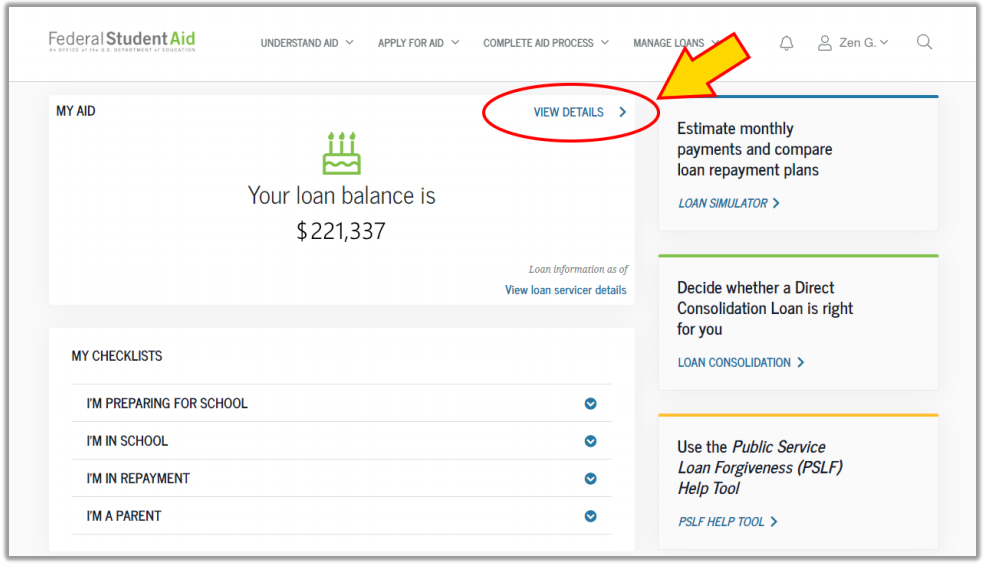
The primary portal for all federal student loan data is StudentAid.gov. This government website, managed by the U.S. Department of Education, is an invaluable tool for current and former students. It superseded the National Student Loan Data System (NSLDS) for borrower-facing functions, consolidating information and tools into one user-friendly platform. It’s designed to provide a comprehensive overview of your federal financial aid history, including grants, scholarships, and, crucially, all your federal student loans.
When you log in, you can expect to find:
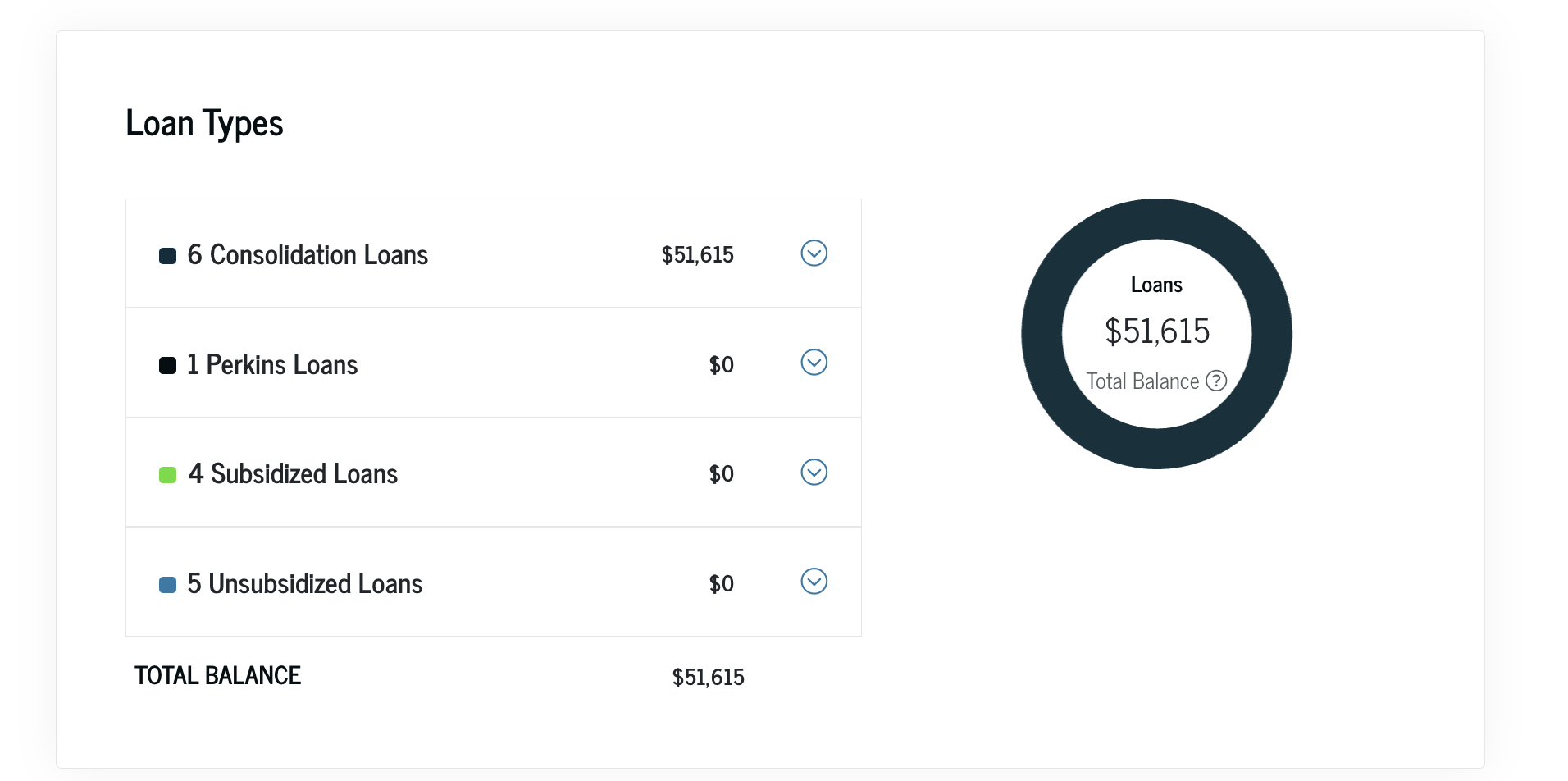
- A complete list of all your federal student loans, including Stafford Loans (subsidized and unsubsidized), PLUS Loans, and Perkins Loans.
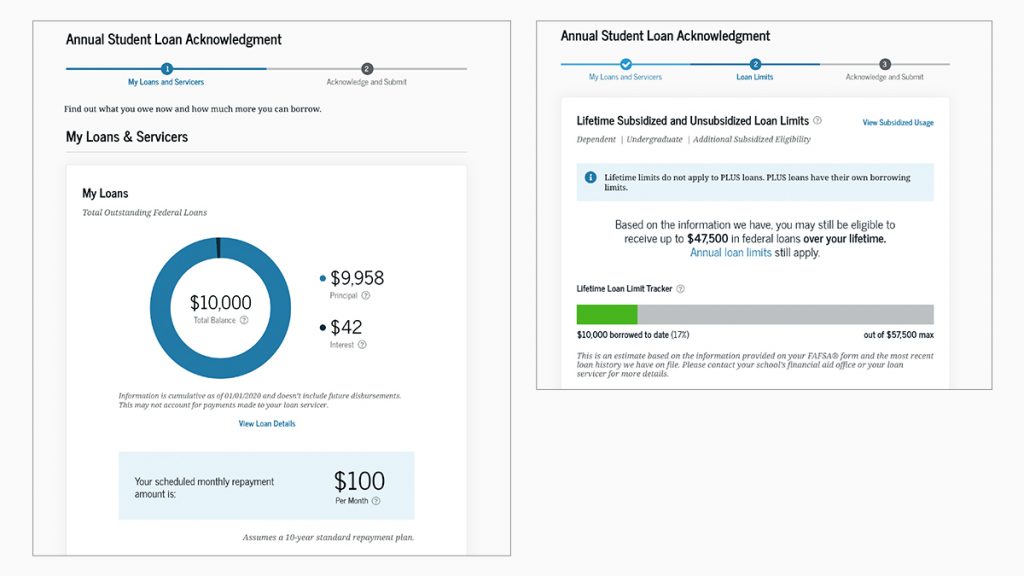
- The original principal balance for each loan.
- Your current outstanding balance.
- The interest rate associated with each loan.
- The name of your loan servicer(s) for each loan.
- Your loan status (e.g., in school, grace period, in repayment, deferment, forbearance, default).
- A detailed history of your loan disbursements and payments made.
- Information on any grants you received.
Accessing Your Account and Ensuring Security
To access your federal student loan information on StudentAid.gov, you will need to create or log in with your FSA ID. An FSA ID is a username and password combination that serves as your legal signature and allows you to access U.S. Department of Education websites. If you’ve ever filled out the Free Application for Federal Student Aid (FAFSA®), applied for an income-driven repayment plan, or signed a Master Promissory Note, you likely already have an FSA ID.
If you don’t remember your FSA ID, the website provides clear steps for retrieval. If you need to create one, it’s a straightforward process that requires your Social Security number, date of birth, and contact information, along with setting up security questions. It’s paramount to keep your FSA ID secure, as it provides access to sensitive personal and financial data. Always use a strong, unique password and avoid sharing your credentials. Regularly review your account for any suspicious activity, ensuring your financial information remains protected.
Discovering Your Private Student Loan Details
While StudentAid.gov is the authoritative source for federal student loans, private student loans operate independently. These loans are typically offered by banks, credit unions, and other private lenders, and their information is not centralized on government platforms. Discovering the details of your private loans requires a different approach, often involving your personal credit history and direct communication with lenders.
Leveraging Your Credit Reports
Your credit report is an invaluable resource for identifying private student loans. Every student loan, whether federal or private, will typically be reported to the three major credit bureaus: Experian, Equifax, and TransUnion. By obtaining a copy of your credit report from each of these agencies, you can find a comprehensive list of all your outstanding debts, including private student loans.
Each entry on your credit report for a student loan will typically include:
- The name of the lender or servicer.
- The account number.
- The original loan amount.
- The current balance.
- The date the account was opened.
- Your payment history (on-time payments, late payments, etc.).
You are entitled to a free copy of your credit report from each of the three major credit bureaus annually through AnnualCreditReport.com. It’s a good practice to review these reports regularly, not only to track your private student loans but also to check for inaccuracies or signs of identity theft. This detailed review can reveal loans you might have forgotten about or those that have been sold to a new servicer.
Direct Contact with Lenders and Documentation Review
If your credit report isn’t entirely clear or if you need more specific details (like specific interest rates, repayment terms, or current deferment options), the next step is to directly contact the lenders identified on your credit report. Many private lenders have online portals where you can create an account using your loan number or Social Security number to view your loan details.
Additionally, reviewing your personal financial records can be highly effective. Dig through old emails, physical mail, and digital documents from when you first took out the loans. Loan agreements, promissory notes, and initial disclosure statements contain all the original terms and conditions, including contact information for the lender. Even old billing statements can jog your memory or provide crucial account numbers. Keeping an organized file, digital or physical, of all loan-related documents is a habit that pays dividends in the long run.
Navigating Your Loan Servicer’s Portal
Once you’ve identified your loan servicers – both federal and private – the next crucial step is to engage directly with their respective online portals. Loan servicers are the companies that manage your student loan accounts, handling billing, processing payments, and providing customer service. They are your primary point of contact for day-to-day loan management and hold the most granular, up-to-date information about your specific loans.
The Critical Role of Your Loan Servicer
A loan servicer acts as the intermediary between you and the actual lender (whether it’s the U.S. Department of Education or a private bank). For federal loans, common servicers include Nelnet, Aidvantage, MOHELA, and Edfinancial Services. For private loans, servicers might be the originating bank itself (e.g., Sallie Mae, Wells Fargo) or a third-party company.
Your servicer is responsible for:
- Sending you monthly statements.
- Processing your payments.
- Keeping track of your loan balance and interest.
- Managing deferment and forbearance requests.
- Helping you enroll in different repayment plans.
- Providing tax documents (like the 1098-E for interest paid).
It is imperative to know who your servicer is and to maintain current contact information with them. If your loan servicer changes (which can happen), you will typically receive notification, but it’s another reason why regular monitoring is key.
Key Information Available Through Your Servicer
Logging into your loan servicer’s online portal provides the most detailed and current view of your individual loans. Beyond the basic balance, you can typically find:
- Exact Payment Due Dates and Amounts: Critical for avoiding late payments.
- Detailed Payment History: A record of all payments made, how they were applied (principal vs. interest), and any fees.
- Interest Accrual Information: How interest is calculated and how much has accrued.
- Repayment Plan Details: Which plan you are currently on and options to change it.
- Eligibility for Deferment/Forbearance: Information on how to apply for temporary payment relief.
- Customer Service Contact Information: Direct access to their support team for specific questions.
- Tax Documents: Essential for filing your income taxes and claiming student loan interest deductions.
Familiarizing yourself with your servicer’s portal, understanding its layout, and knowing where to find key information will significantly streamline your loan management process.
Making the Most of Servicer Resources
Don’t just log in, glance, and log out. Take the time to explore all the resources your servicer offers. Many servicers provide:
- Online Calculators: To estimate payments under different repayment plans or see how extra payments impact your loan.
- FAQs and Knowledge Bases: Answers to common questions about repayment, interest, and loan terms.
- Secure Messaging Systems: A convenient way to communicate with customer service and keep a record of your interactions.
- Mobile Apps: For on-the-go access to your loan information.
Actively engaging with these resources can help you better understand your loans, make informed decisions, and feel more in control of your debt. If you have questions or encounter difficulties, don’t hesitate to call your servicer’s customer service line. While hold times can sometimes be long, speaking directly with a representative can often resolve complex issues more efficiently.
Advanced Tools and Strategies for Comprehensive Loan Tracking
While the government portals and servicer websites are essential, integrating your student loan data into a broader financial management strategy can provide an even clearer, more actionable view of your debt. Advanced tools and consistent habits can help you maintain vigilant oversight of your student loans within your overall financial ecosystem.
Budgeting and Financial Planning Applications
Modern financial technology offers a plethora of applications that can pull data from various financial accounts, including student loans, to provide a consolidated view of your finances. Apps like Mint, YNAB (You Need A Budget), Personal Capital (now Empower Personal Dashboard), and Simplifi allow you to link your bank accounts, credit cards, investments, and student loans.
These apps offer several advantages:
- Consolidated View: See all your financial accounts in one place, including total student loan debt alongside other liabilities and assets.
- Spending and Budgeting Analysis: Understand how your loan payments fit into your monthly budget and identify areas where you can optimize spending to make extra payments.
- Net Worth Tracking: Watch your net worth grow as you pay down debt and build assets.
- Payment Reminders: Many apps can send alerts for upcoming loan payments, helping you avoid late fees.
- Categorization and Trends: Track how much you’re paying towards interest versus principal over time.
While these tools offer convenience, it’s still crucial to verify information directly with your servicer periodically, as API connections can sometimes experience delays or minor discrepancies.
Creating a Centralized Spreadsheet
For those who prefer a more hands-on approach or want complete control over their data, creating a detailed spreadsheet is an excellent strategy. A simple Excel or Google Sheets document can serve as your personal student loan dashboard.
Key information to include for each loan:
- Lender/Servicer Name
- Loan Type (Federal Subsidized, Unsubsidized, PLUS, Private)
- Original Principal Balance
- Current Principal Balance
- Interest Rate
- Loan Start Date
- Current Status (In Repayment, Deferment, Forbearance)
- Payment Due Date
- Minimum Payment Amount
- Last Payment Date and Amount
- Notes (e.g., “Applied for IDR,” “Contacted servicer about deferment”)
This spreadsheet allows you to calculate total interest paid, track progress towards specific goals (like paying off the highest interest loan first), and quickly identify all relevant details without logging into multiple websites. Update it monthly after making payments to keep it current.
Establishing Regular Financial Check-ins and Reviews
The most effective strategy for viewing and managing your student loans is to make it a routine part of your financial life. Set aside dedicated time each month or quarter to conduct a financial check-in. During this time, log into StudentAid.gov, your private loan servicer portals, and your budgeting apps.
During these check-ins, ask yourself:
- Are all my loan details accurate and up-to-date?
- Have there been any changes to my interest rates or servicer?
- Am I on the most optimal repayment plan given my current income and career path?
- Are there any new programs or policies I should be aware of?
- How much progress have I made since my last check-in?
- Do I have any questions for my servicer?
This consistent engagement transforms student loan management from a dreaded chore into a manageable and empowering aspect of your financial well-being. It fosters a sense of control and helps you stay on track toward financial freedom.
Conclusion
Understanding “how to view my student loans” is not merely a technical exercise; it is a fundamental pillar of sound personal finance. From identifying your federal loans on StudentAid.gov to uncovering private loans via credit reports and navigating your servicer’s dedicated portals, each step brings you closer to comprehensive awareness. This knowledge empowers you to actively participate in your financial journey, making informed decisions that impact your credit score, future financial stability, and overall peace of mind.
By embracing proactive loan monitoring, utilizing available financial tools, and establishing regular check-ins, you transform a potentially daunting obligation into a manageable component of your financial strategy. The path to repaying student loans can be long, but with clarity and consistent attention, you can navigate it efficiently, minimize costs, avoid pitfalls, and accelerate your journey towards financial independence. Start today by logging in and taking control of your financial future.
aViewFromTheCave is a participant in the Amazon Services LLC Associates Program, an affiliate advertising program designed to provide a means for sites to earn advertising fees by advertising and linking to Amazon.com. Amazon, the Amazon logo, AmazonSupply, and the AmazonSupply logo are trademarks of Amazon.com, Inc. or its affiliates. As an Amazon Associate we earn affiliate commissions from qualifying purchases.