
The question of where mortgage rates are headed is one that preoccupies homeowners, prospective buyers, and financial analysts alike. In an economic landscape frequently characterized by uncertainty and rapid change, the trajectory of mortgage rates profoundly influences housing affordability, consumer spending, and the broader financial health of households. Whether you’re contemplating a first-time home purchase, looking to refinance an existing loan, or simply monitoring the economy, understanding the forces that drive these rates is paramount. The era of historically low interest rates that defined much of the post-2008 financial crisis period has undeniably given way to a more volatile and often higher-rate environment. This article delves into the intricate mechanisms behind mortgage rate fluctuations, explores the current economic climate, offers insights into potential future trajectories, and outlines strategies for navigating these dynamic conditions.
The Core Drivers of Mortgage Rate Movements
Mortgage rates are not set in a vacuum. They are influenced by a complex interplay of macroeconomic factors, central bank policies, and global financial market dynamics. Unpacking these core drivers is the first step toward understanding their current standing and potential future direction.
Federal Reserve Policy and the Federal Funds Rate
While the Federal Reserve does not directly set mortgage rates, its actions profoundly impact them. The Fed’s primary tool for influencing the economy is the federal funds rate, the target rate for overnight lending between banks. When the Fed raises this rate, it typically signals a tighter monetary policy aimed at combating inflation. This ripple effect increases borrowing costs across the economy, pushing up yields on various debt instruments, including the U.S. Treasury bonds that indirectly dictate mortgage rates. Conversely, a reduction in the federal funds rate or quantitative easing measures—where the Fed purchases government bonds and other securities—can inject liquidity into the market, lowering yields and subsequently mortgage rates. The Fed’s forward guidance and public statements also play a crucial role, shaping market expectations about future rate movements.
Inflation Expectations
Perhaps one of the most significant determinants of mortgage rates is inflation expectations. Lenders factor anticipated inflation into the interest rates they offer because inflation erodes the purchasing power of future repayments. If lenders expect inflation to rise, they will demand higher interest rates to compensate for the diminished value of the money they will receive back over the life of the loan. This relationship is particularly strong for long-term fixed-rate mortgages. Economic indicators like the Consumer Price Index (CPI) and the Personal Consumption Expenditures (PCE) price index are closely watched by bond investors, whose collective sentiment on inflation directly impacts the yields on the 10-year Treasury note, a key benchmark for mortgage rates.
The 10-Year Treasury Yield
The yield on the 10-year U.S. Treasury bond is widely considered a bellwether for long-term interest rates, including fixed-rate mortgages. While not a direct correlation, mortgage rates tend to track the 10-year Treasury yield closely, often hovering between 1.5 to 2 percentage points above it. This is because mortgage-backed securities (MBS), which form the basis of most mortgage loans, compete with Treasury bonds for investor capital. When the 10-year Treasury yield rises, investors demand a higher yield for MBS, leading mortgage rates to increase. Factors influencing the 10-year Treasury yield include global demand for U.S. debt, the nation’s economic outlook, and general market sentiment regarding risk and return.
Economic Growth and Labor Market Health
A robust economy, characterized by strong Gross Domestic Product (GDP) growth and low unemployment, typically leads to higher mortgage rates. A growing economy often means higher demand for credit from businesses and consumers, which can push interest rates up. A strong labor market, reflected in consistent job creation and rising wages, also fuels consumer spending and can contribute to inflationary pressures, prompting the Federal Reserve to tighten monetary policy. Conversely, a sluggish economy or signs of recessionary pressures might lead to lower rates as demand for credit softens and the Fed potentially eases monetary policy to stimulate growth.
Navigating the Current Economic Landscape
The post-pandemic era has presented a unique set of challenges and opportunities for the global economy, directly influencing the trajectory of mortgage rates. Understanding these contemporary dynamics is key to deciphering current market conditions.
Post-Pandemic Inflationary Pressures
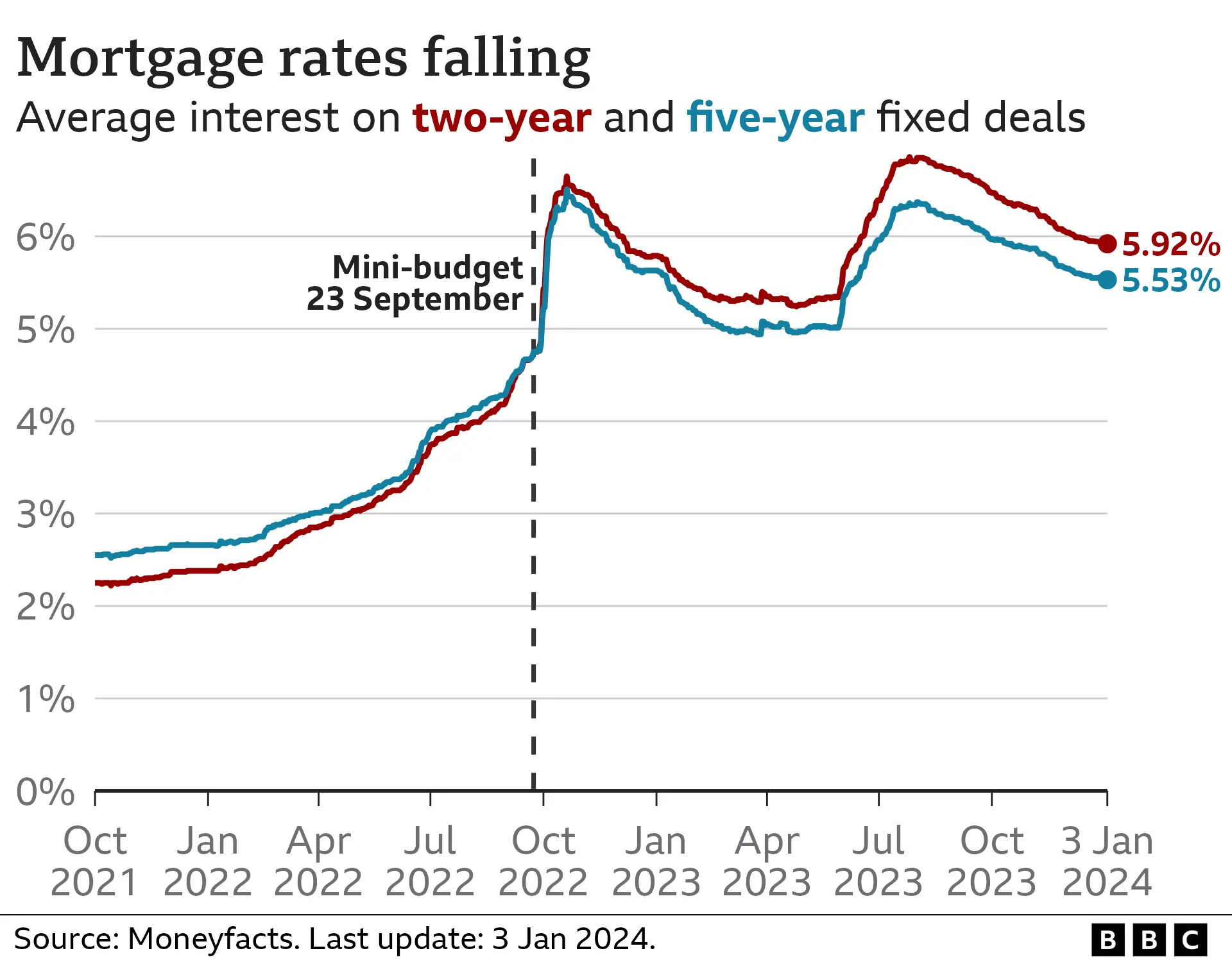
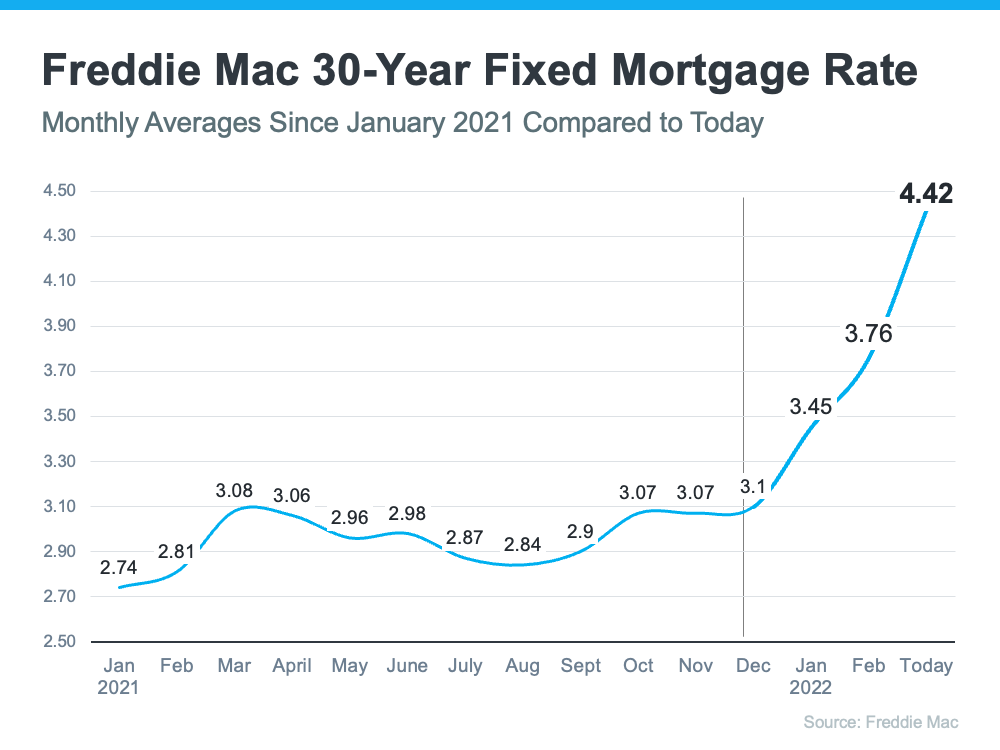
The COVID-19 pandemic and the subsequent recovery efforts unleashed a wave of inflationary pressures not seen in decades. Supply chain disruptions, surging consumer demand fueled by fiscal stimulus, and shifts in labor market dynamics combined to push inflation significantly above central bank targets. In response, central banks globally, including the Federal Reserve, embarked on aggressive monetary tightening cycles, rapidly increasing policy rates to curb inflation. This direct action by the Fed has been a primary driver of the significant increase in mortgage rates observed in recent years, moving them from historical lows to levels that redefine affordability for many.
Geopolitical Events and Global Market Volatility
Beyond domestic economic indicators, geopolitical events can introduce considerable volatility into financial markets, including those that influence mortgage rates. Conflicts, energy supply shocks, trade disputes, and sovereign debt crises can trigger risk-off sentiment, leading investors to seek the safety of U.S. Treasury bonds. This increased demand for Treasuries can temporarily drive down their yields, potentially offering a momentary dip in mortgage rates. However, if these events contribute to broader economic instability or exacerbate inflation, they can also lead to higher rates as investors demand greater compensation for increased risk. The interconnectedness of the global economy means that events far from home can have a tangible impact on local borrowing costs.
The Housing Market’s Response
Higher mortgage rates inevitably cool down a previously red-hot housing market. Increased borrowing costs reduce buyer affordability, leading to decreased demand, slower sales volumes, and sometimes a moderation in home price appreciation. In some markets, this has even led to price adjustments. The relationship between rates and the housing market is a delicate balance: while higher rates can temper demand and stabilize prices, they also increase the financial burden on buyers, especially first-time homeowners. The resulting impact on inventory levels, time on market, and overall market sentiment is a crucial feedback loop that analysts monitor closely.
Forecasting Future Trajectories: What the Experts Say
Predicting the precise direction of mortgage rates is notoriously difficult, even for seasoned economists. However, by analyzing economic data, central bank statements, and geopolitical developments, experts offer informed perspectives on potential future trajectories.
Consensus and Divergent Views
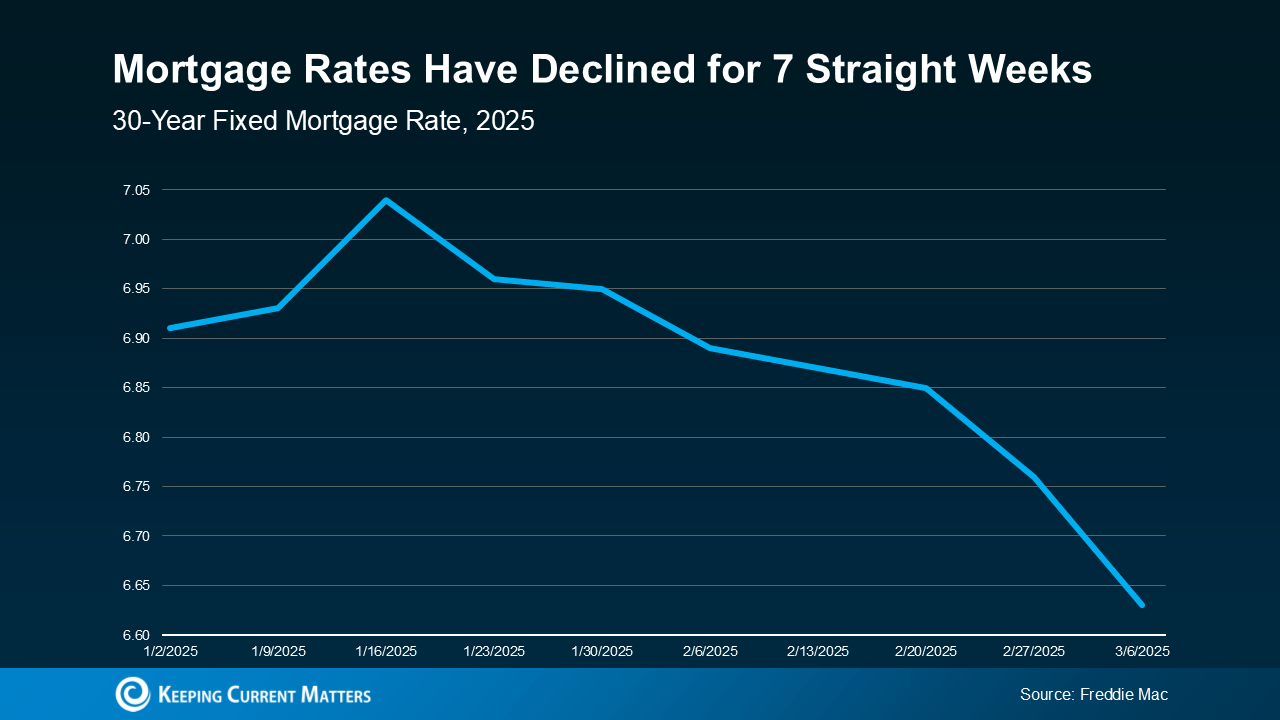
The consensus among many financial institutions and economists suggests that while the aggressive rate hikes of the past few years may be largely behind us, volatility is likely to persist. Some anticipate a period of stabilization, with rates potentially fluctuating within a narrower band, perhaps even seeing slight dips if inflation continues its downward trend and the economy experiences a “soft landing.” Others foresee continued stickiness in inflation or renewed economic strength that could lead to rates remaining elevated or even ticking up again. Divergent views often hinge on differing interpretations of inflation’s persistence, the resilience of the labor market, and the Fed’s ultimate reaction function.
The Role of Economic Data Releases
Future mortgage rate movements will heavily depend on incoming economic data. Key reports such as monthly inflation figures (CPI, PCE), employment statistics (jobs reports, unemployment rate), GDP growth numbers, and consumer confidence surveys will provide crucial signals to the market and the Federal Reserve. Any surprises in these data points—especially those indicating persistent inflation or unexpected economic weakness—can trigger significant shifts in market expectations and, consequently, in bond yields and mortgage rates. Investors and prospective borrowers must closely monitor these releases.
Potential Scenarios for Borrowers
Several scenarios could unfold, each with distinct implications for borrowers. A “soft landing,” where inflation returns to target without a severe recession, could lead to stable or gradually declining mortgage rates. In this scenario, the Fed might begin to cut its policy rate modestly. Conversely, a “hard landing” or recession could initially see rates fall as the Fed acts aggressively to stimulate the economy, though this would come with broader economic pain. Should inflation prove more resilient than expected, a “higher for longer” rate environment could become the norm, maintaining elevated mortgage costs for an extended period.
Strategies for Borrowers in a Dynamic Rate Environment
Given the inherent unpredictability of mortgage rates, borrowers must adopt strategic approaches to navigate this dynamic environment effectively. Informed decision-making can lead to significant financial advantages.
Understanding Your Financial Position
Before even looking at rates, a thorough assessment of your personal financial situation is crucial. This includes understanding your credit score, which significantly impacts the interest rate you’ll be offered; your debt-to-income ratio; and the size of your down payment. A strong financial profile not only qualifies you for better rates but also provides a buffer against potential market shifts. Improving your credit score and reducing existing debt can be invaluable preparatory steps.
Fixed-Rate vs. Adjustable-Rate Mortgages (ARMs)
Choosing between a fixed-rate mortgage and an adjustable-rate mortgage (ARM) is a critical decision. A fixed-rate mortgage offers stability, locking in your interest rate and monthly payment for the life of the loan, providing predictability regardless of market fluctuations. This is generally preferred in a rising or volatile rate environment. An ARM, conversely, offers a lower initial rate for a set period (e.g., 5 or 7 years) before adjusting periodically based on a market index. ARMs can be appealing if you anticipate moving before the adjustment period or if you expect rates to fall significantly in the future, but they carry the risk of higher payments if rates rise.
Refinancing Considerations
For existing homeowners, refinancing can be a powerful tool, but it requires careful timing. If rates drop significantly from your current mortgage rate, refinancing to a lower rate could reduce your monthly payments or the total interest paid over the loan term. However, refinancing incurs closing costs, so it’s essential to calculate the “breakeven point”—how long it will take for the savings to offset the costs—before committing. Cash-out refinances, which allow you to tap into home equity, should be considered cautiously, weighing the benefits against the increased debt burden.
Pre-Approval and Rate Locks
Securing a mortgage pre-approval is not only a signal to sellers that you are a serious buyer but also an opportunity to understand the rate you qualify for. Furthermore, many lenders offer the option to “lock in” an interest rate for a specific period (e.g., 30, 45, or 60 days) after you’ve been pre-approved or are under contract. A rate lock protects you if rates rise during the closing process. Strategic use of rate locks can provide peace of mind in a volatile market, though some may come with a fee or a “float down” option if rates fall before closing.
Exploring Lender Options
Rates and terms can vary significantly among lenders. It is always advisable to shop around and get quotes from multiple mortgage providers—banks, credit unions, and independent mortgage brokers. Mortgage brokers, in particular, can be beneficial as they work with various lenders and may be able to find more competitive rates or specialized loan products tailored to your situation. Comparing not just the interest rate but also origination fees, closing costs, and customer service reviews is crucial for making the best decision.
Long-Term Outlook and Broader Implications
Looking beyond the immediate horizon, the trajectory of mortgage rates has profound long-term implications for individual wealth, housing policy, and the broader economic structure.
The New Normal for Rates?
The prevailing sentiment among many economists is that the era of ultra-low, near-zero interest rates is likely over for the foreseeable future. Structural shifts, including persistent inflationary pressures from decarbonization efforts, deglobalization, and increased government spending, suggest that a “new normal” for interest rates might be higher than what was experienced in the decade following the 2008 financial crisis. This implies that borrowers may need to adjust their expectations regarding affordability and debt servicing costs.
Impact on Wealth Accumulation and Retirement Planning
Higher mortgage rates reshape pathways to wealth accumulation. While higher borrowing costs for housing can slow equity growth for homeowners, they also mean potentially higher returns on savings, bonds, and other fixed-income investments. This rebalancing can influence retirement planning strategies, potentially shifting some focus from real estate appreciation to other asset classes or requiring longer periods of saving. For younger generations, the barrier to homeownership may increase, affecting long-term wealth disparities.
Government Policies and Housing Affordability
The sustained period of higher mortgage rates will likely bring housing affordability back to the forefront of policy discussions. Governments may explore various interventions, such as increasing housing supply, offering first-time buyer assistance programs, or implementing tax incentives, to mitigate the impact of elevated borrowing costs. The interplay between monetary policy (central bank actions) and fiscal policy (government spending and taxation) will be critical in shaping the future accessibility of homeownership.
The journey of mortgage rates is a dynamic and complex one, influenced by a tapestry of economic indicators, central bank directives, and global events. While predicting their exact movements remains challenging, understanding the underlying drivers empowers individuals to make more informed financial decisions. By staying attuned to economic data, evaluating personal financial health, and employing strategic borrowing practices, homeowners and prospective buyers can navigate this evolving landscape with greater confidence. The key lies in continuous education and proactive planning, ensuring that financial aspirations remain achievable in an ever-changing interest rate environment.
aViewFromTheCave is a participant in the Amazon Services LLC Associates Program, an affiliate advertising program designed to provide a means for sites to earn advertising fees by advertising and linking to Amazon.com. Amazon, the Amazon logo, AmazonSupply, and the AmazonSupply logo are trademarks of Amazon.com, Inc. or its affiliates. As an Amazon Associate we earn affiliate commissions from qualifying purchases.