
Culling in produce, at its most fundamental level, refers to the systematic process of sorting and removing any fruits, vegetables, or other agricultural products that do not meet specific quality standards. While often perceived as a simple act of waste reduction or quality control, its implications extend far deeper into the realm of brand strategy, corporate identity, and consumer perception. For any company operating within the competitive produce industry, culling is not merely an operational necessity; it is a critical component in shaping, maintaining, and elevating its brand. It defines what a brand stands for in terms of quality, reliability, and value, directly influencing marketing narratives and customer loyalty.

The Foundational Role of Culling in Brand Integrity
The act of culling is a direct manifestation of a brand’s commitment to quality. In a market where visual appeal, freshness, and consistency are paramount, the meticulous selection of produce underpins a brand’s promise to its consumers. Without a robust culling process, even the most well-intentioned brand strategy can falter, as the actual product delivered fails to meet advertised standards.
Defining Culling Beyond Waste Reduction
While culling undeniably contributes to reducing waste by identifying and separating unsaleable items, its strategic importance for a brand transcends this immediate benefit. From a brand perspective, culling is about what is kept and why. It’s a proactive measure to ensure that every single item bearing a brand’s label upholds its reputation. This isn’t just about removing rotten fruit; it’s about discerning subtle imperfections, variations in size, color, or shape that, while not necessarily rendering a product inedible, might fall short of the aesthetic or functional expectations associated with a particular brand tier. A brand specializing in premium-grade organic berries, for instance, will have far stricter culling criteria than one supplying bulk produce to food processors. This differentiation in standards, enforced through culling, directly informs the brand’s positioning in the market.
Quality as the Cornerstone of a Produce Brand
Quality is arguably the single most important factor for any produce brand. Consumers make purchasing decisions based on trust—trust that the fruit will be sweet, the vegetables crisp, and the produce free from significant defects. This trust is painstakingly built over time, product by product, purchase by purchase. Culling serves as the unyielding guardian of this quality promise. It ensures that the brand consistently delivers on its implicit and explicit assurances. When a consumer repeatedly experiences superior quality from a specific brand, that brand begins to represent reliability, freshness, and excellence in their mind. This perception, cultivated through consistent quality control including rigorous culling, becomes an invaluable asset, driving repeat purchases and fostering brand loyalty in a fiercely competitive landscape where countless alternatives exist.
Culling as a Pillar of Brand Promise and Consumer Trust
The strategic application of culling transforms it from a mere operational task into a powerful tool for building and reinforcing a brand’s promise. It directly impacts how consumers perceive and interact with a brand, shaping their expectations and ultimately their loyalty.
Consistency Builds Reputation
In the produce industry, consistency is king. Consumers return to brands that reliably deliver the same high-quality experience every time. If a brand of apples is known for its crisp texture and vibrant red color, any deviation—a batch of soft, bruised, or pallid apples—can immediately erode consumer confidence. Culling acts as the primary mechanism to enforce this critical consistency. By systematically removing items that deviate from established standards, the culling process ensures that the product reaching the shelves consistently reflects the brand’s desired attributes. This unwavering consistency builds a reputation for reliability, making the brand a trusted choice in a volatile market where product quality can fluctuate due to numerous external factors like weather, harvest conditions, and logistics.
Justifying Premium Positioning
Many produce brands aim for a premium market position, often commanding higher prices for their products. This premium pricing is only sustainable if it is justified by superior quality. Culling is indispensable in substantiating such a claim. When a brand labels its produce as “premium,” “extra fancy,” or “gourmet,” it implicitly promises a level of quality that surpasses standard offerings. This promise can only be met by a rigorous culling process that selects only the finest specimens, free from even minor blemishes, uniform in size and color, and at their peak of freshness. Without this meticulous selection, a brand’s premium claims would ring hollow, leading to consumer disappointment and a rapid erosion of its perceived value. Culling, therefore, becomes a non-negotiable investment in maintaining the integrity and profitability of a premium brand identity.
Managing Consumer Expectations
Every brand implicitly sets consumer expectations. A brand that consistently delivers perfect, blemish-free produce creates an expectation for such perfection. Conversely, a brand that occasionally allows lower-grade items to slip through its quality control implicitly lowers consumer expectations for its products. Culling is the proactive measure brands take to actively manage and, ideally, elevate these expectations. By ensuring that only products meeting specific thresholds reach the market, brands communicate their standards clearly to consumers. This allows for targeted marketing efforts—promoting “select” or “hand-picked” produce—and builds a consumer base that understands and values the brand’s commitment to excellence. When expectations are consistently met or exceeded, consumer satisfaction soars, fostering positive word-of-mouth and reinforcing the brand’s standing.
Protecting Brand Equity Through Strategic Culling
Brand equity, representing the total value of a brand as a strategic asset, is meticulously built over time but can be severely damaged in an instant by perceived quality failures. Strategic culling is a crucial defensive mechanism, safeguarding a brand’s hard-won reputation and ensuring its long-term viability.
Mitigating Brand Damage from Inferior Products
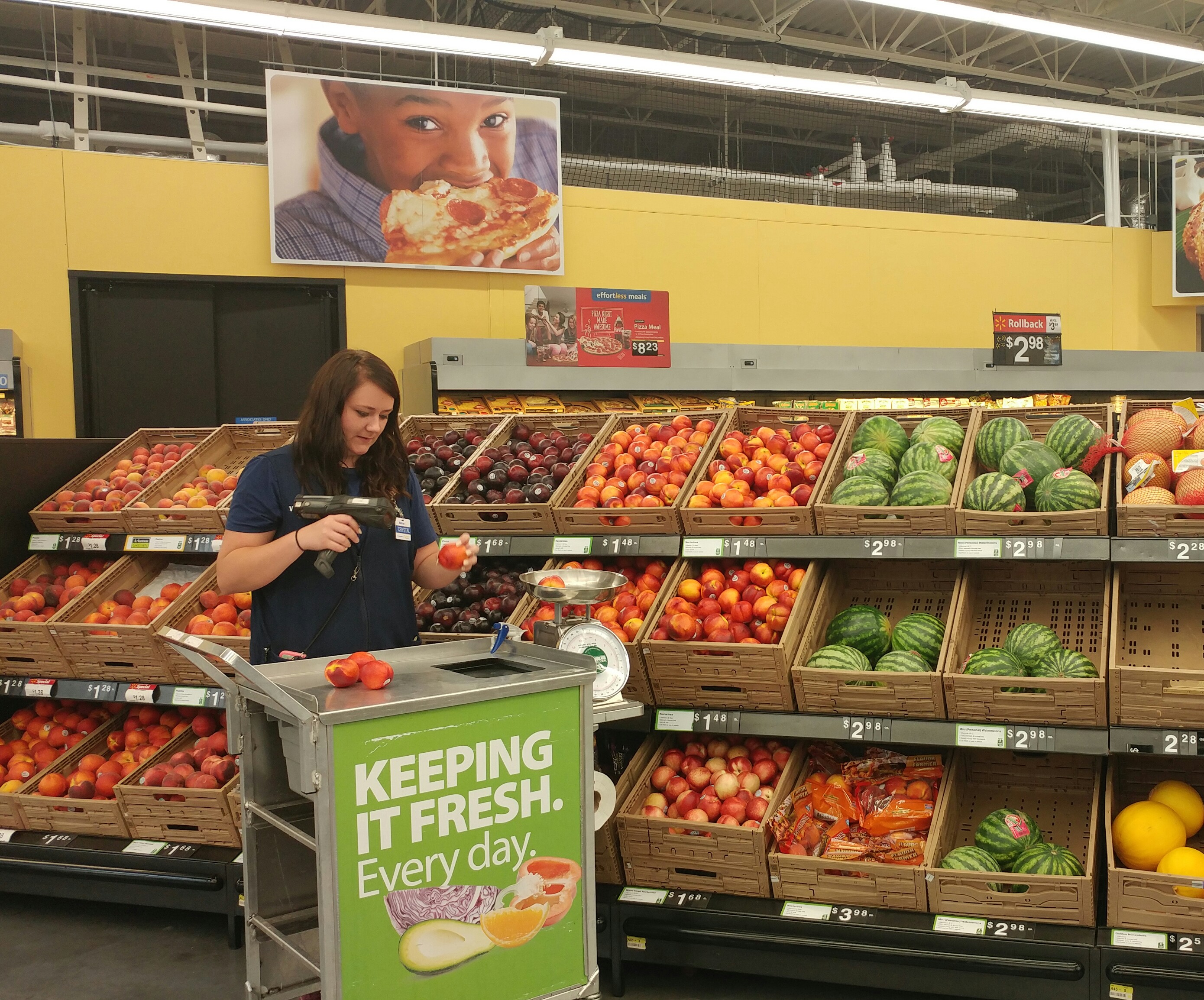
The most immediate and critical role of culling in protecting brand equity is its ability to prevent inferior products from reaching the consumer. A single bad experience with a product—a rotten apple, a moldy strawberry, a bruised avocado—can disproportionately impact a consumer’s perception of an entire brand. Such negative experiences not only deter repeat purchases but can also lead to adverse publicity through social media, online reviews, or direct consumer complaints. The cost of recovering from such reputational damage far outweighs the operational expenses of effective culling. By acting as the last line of defense, strategic culling minimizes the risk of product-related disappointments, thereby directly protecting the brand from potentially devastating blows to its reputation and market standing.
The Ripple Effect of Quality Control on Brand Perception
Culling isn’t just about preventing bad products from leaving the facility; it signals an overarching commitment to quality that permeates every aspect of a brand. When consumers perceive a brand as having stringent quality control, that perception extends beyond the individual product to the entire brand ethos. This creates a positive ripple effect:
- Enhanced Trust: Consumers trust the brand’s processes and promises.
- Perceived Care: The brand is seen as caring about its products and its customers.
- Professionalism: The brand conveys an image of professionalism and attention to detail.
- Innovation: A brand committed to quality is often perceived as innovative and forward-thinking in its operations.
This holistic perception contributes significantly to brand equity, making the brand more resilient to market fluctuations and competitive pressures. Quality control, anchored by effective culling, thus becomes a powerful narrative element in a brand’s story.
Supply Chain Reliability and Brand Confidence
A brand’s ability to consistently deliver high-quality produce also relies heavily on the reliability of its supply chain. Strategic culling practices contribute to this reliability by identifying and addressing quality issues early in the process, preventing them from cascading down the chain. This means fewer returns, fewer rejections from retailers, and more predictable inventory management, all of which enhance the brand’s operational efficiency and reputation. Retailers and distributors are more confident in partnering with a brand known for its consistent quality, translating into stronger business relationships and broader market access. This confidence from business partners further strengthens the brand’s position and reduces supply chain risks, reinforcing its overall brand equity and market stability.
Marketing and Communication Strategies Derived from Culling Practices
The strategic implementation of culling offers fertile ground for compelling marketing narratives and distinct communication strategies. Brands can leverage their commitment to quality assurance, explicitly or implicitly, to differentiate themselves and articulate their unique value proposition.
Differentiating Through Superior Selection
In a crowded marketplace where many products appear similar, a brand’s culling practices can become a powerful differentiator. Marketing campaigns can highlight the meticulous selection process, emphasizing that only a certain percentage of the harvest makes it into their branded packaging. Phrases like “hand-picked for perfection,” “our premium selection,” or “rigorously graded for your satisfaction” are direct allusions to the culling process. This communication strategy appeals to consumers who prioritize quality and are willing to pay a premium for it. By focusing on the superior selection process, brands can carve out a niche and justify their higher price points, effectively positioning themselves above commodity produce and creating a perception of exclusivity and higher standards.
Transparent Practices and Brand Storytelling
Modern consumers increasingly value transparency and authenticity from brands. Sharing insights into the culling process can be a potent element of brand storytelling. This doesn’t mean detailing every technical aspect, but rather communicating the brand’s philosophy towards quality and the effort invested in ensuring it. A brand might feature farmers or quality control experts discussing their commitment to selection, showcasing clean, well-maintained packing facilities, or explaining how different grades of produce are utilized (e.g., “our premium grade for fresh sales, our slightly less perfect but equally delicious produce for juicing”). Such narratives build trust and foster a deeper connection with consumers, making the brand feel more human and accountable. It transforms a seemingly mundane operational step into a compelling demonstration of integrity and dedication.
Value Proposition: From Bulk to Bespoke
Culling allows brands to tailor their value proposition to different market segments. While one segment of culled produce might be channeled towards bulk or processing markets, the primary focus for a brand’s core identity remains on the higher-grade items. This ability to segment and optimize the use of their harvest means brands can strategically position their ‘best’ produce. For instance, a brand might offer a “signature collection” of produce that has undergone the most stringent culling, targeting high-end retailers or gourmet markets. This creates a “bespoke” feel, where consumers perceive they are receiving a specially curated product. The value isn’t just in the produce itself, but in the implied exclusivity and meticulous care taken to select it, all directly facilitated by effective culling.
The Long-Term Return on Brand-Focused Culling
Investing in robust culling practices, while incurring initial costs, delivers significant long-term returns by building enduring brand assets. These assets contribute to sustained market leadership and stronger customer relationships, far outweighing short-term savings from lax quality control.
Fostering Customer Loyalty and Advocacy
Consistent quality, achieved through diligent culling, is the bedrock of customer loyalty. When consumers repeatedly experience the superior standard they expect from a brand, they become more than just customers; they become advocates. Loyal customers are less price-sensitive, more forgiving of occasional minor issues, and more likely to recommend the brand to friends and family. This organic word-of-mouth marketing is incredibly powerful and cost-effective, driven directly by the positive experiences fostered by a brand’s commitment to quality. The long-term return on culling, therefore, includes a robust, loyal customer base that actively champions the brand, providing invaluable market momentum.
Sustaining Market Leadership
For brands aspiring to or holding market leadership positions, consistent quality is non-negotiable. Competitors will always emerge, but a brand firmly established on a foundation of superior product quality (ensured by effective culling) possesses a significant competitive advantage. It builds a barrier to entry for new players and makes it difficult for existing competitors to usurp its position. Sustaining market leadership relies on maintaining consumer trust and preference, both of which are direct outcomes of an unwavering commitment to quality assurance. Brands that prioritize culling demonstrate a strategic foresight that secures their long-term relevance and dominance in the produce sector.
Innovation in Quality Assurance as a Brand Asset
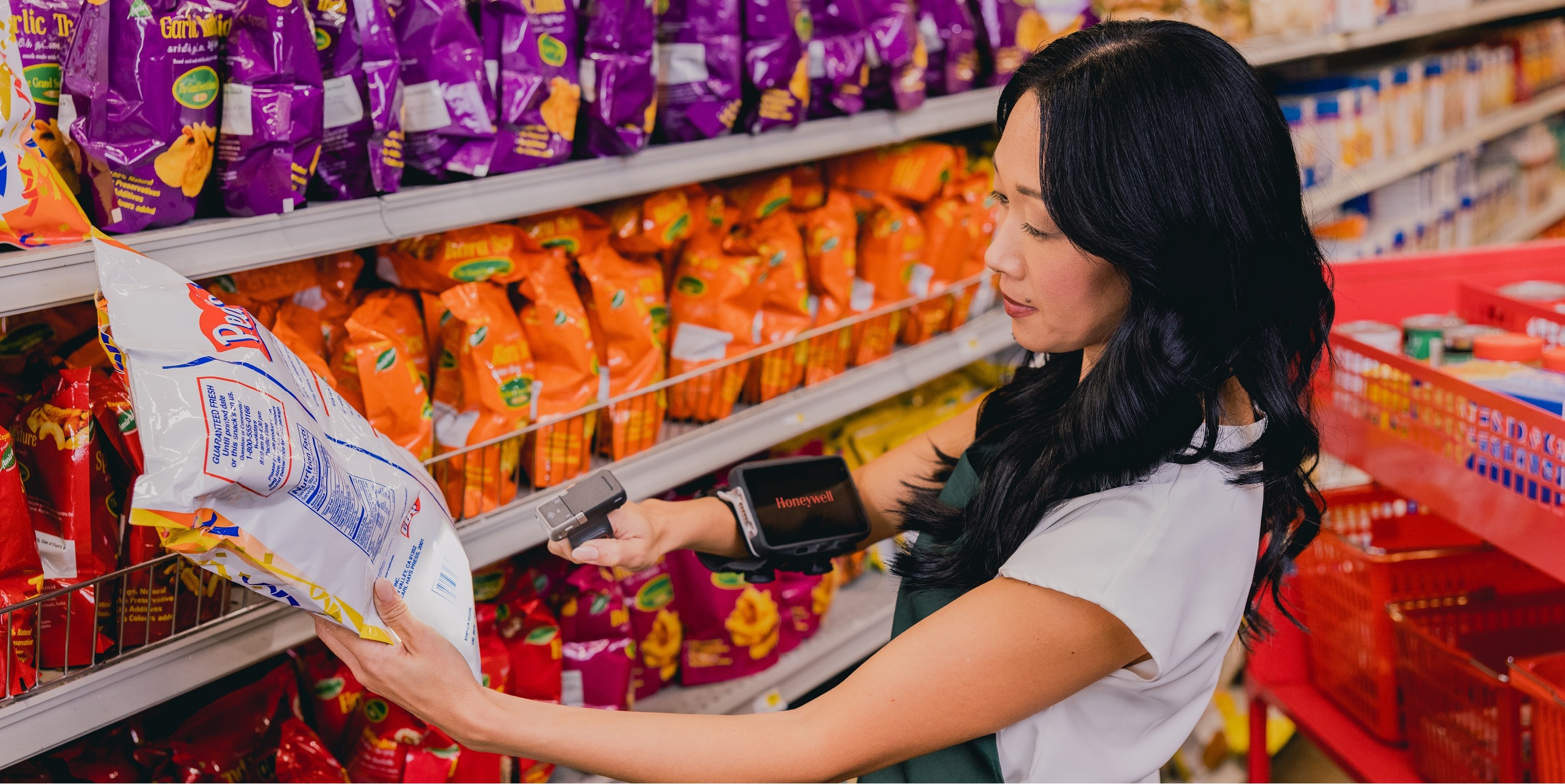
As technology evolves, so too do the methods of quality assurance and culling. Brands that invest in and adopt innovative culling technologies—such as AI-powered optical sorters, advanced spectrophotometry for ripeness, or sophisticated defect detection systems—can leverage these advancements as a brand asset. This demonstrates a forward-thinking approach, a commitment to continuous improvement, and an unparalleled dedication to delivering the best possible product. Such innovation can become a key part of the brand’s identity, signaling modernity and a relentless pursuit of excellence. It shows that the brand is not just meeting standards but actively shaping them, further solidifying its reputation as a leader in quality and a trusted name in the produce industry.
aViewFromTheCave is a participant in the Amazon Services LLC Associates Program, an affiliate advertising program designed to provide a means for sites to earn advertising fees by advertising and linking to Amazon.com. Amazon, the Amazon logo, AmazonSupply, and the AmazonSupply logo are trademarks of Amazon.com, Inc. or its affiliates. As an Amazon Associate we earn affiliate commissions from qualifying purchases.