
A single action handgun represents a distinct class of firearm technology, defined primarily by its operational mechanism where the hammer must be manually cocked before each shot can be fired. This engineering principle dictates a specific sequence of user interaction and internal mechanical processes, distinguishing it from double-action or striker-fired systems. At its core, a single action system is a testament to precision mechanical design, where a series of levers, springs, and pins orchestrate the complex act of firing a projectile with reliability and consistent performance. Understanding this technology involves a deep dive into its internal workings, the materials science behind its construction, and the evolutionary path of its design.
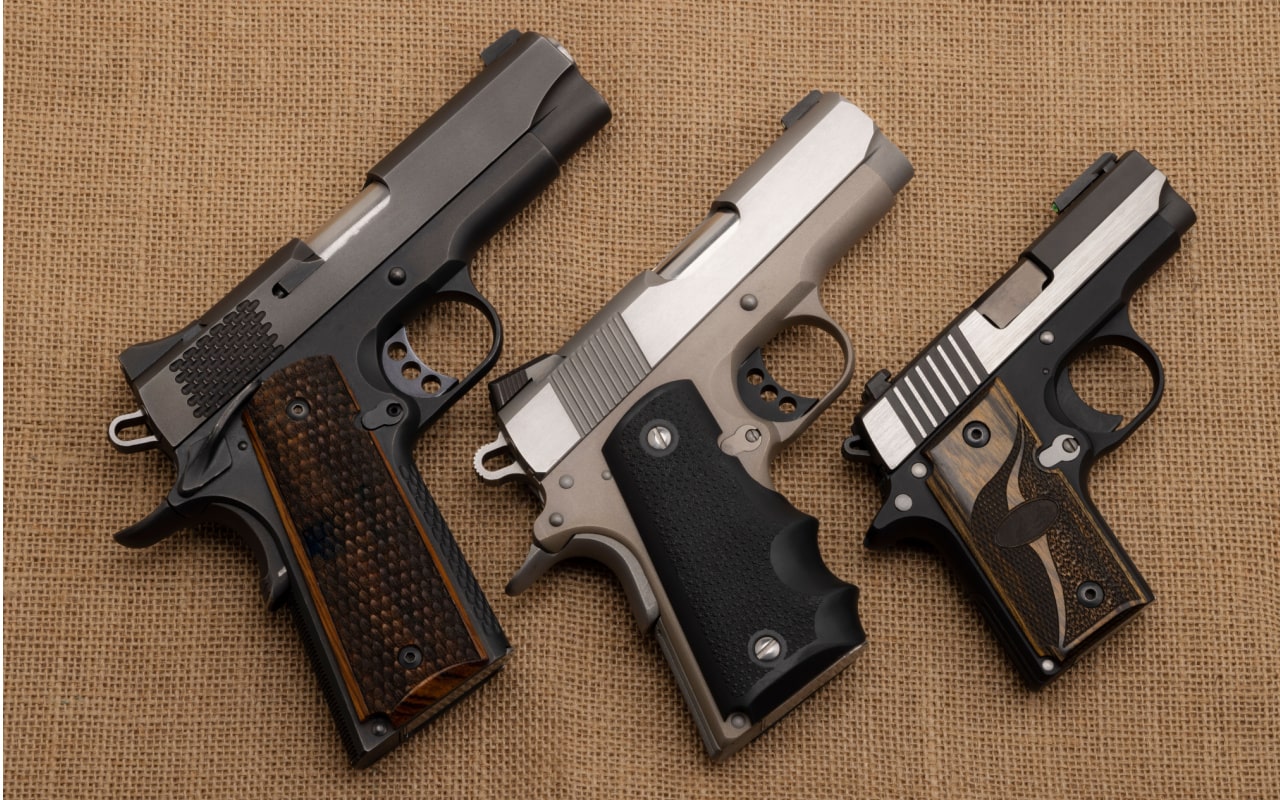
The Engineering of Operation: A Mechanical Deep Dive
The defining characteristic of a single action handgun lies in its firing cycle, which requires two distinct actions for each shot: manually cocking the hammer and then pulling the trigger. This sequential operation is facilitated by a sophisticated arrangement of internal components, each precisely engineered for its role.
Hammer and Sear Engagement: The Ignition Mechanism
The heart of the single action mechanism is the interplay between the hammer and the sear. The hammer, a pivotal component, houses the firing pin (or strikes a separate firing pin) and stores potential energy when cocked. As the hammer is manually pulled back, it engages with the sear – a small, precisely machined lever or projection. This engagement securely holds the hammer in its cocked position, compressing the mainspring and storing the energy required to propel the hammer forward upon release. The surfaces where the hammer and sear meet, known as engagement surfaces or “notches,” are critical. Their geometry, polish, and hardness directly influence the trigger pull characteristics, such as crispness and weight. Any imperfection in these surfaces can lead to an inconsistent trigger feel or, in extreme cases, an unsafe condition where the hammer might drop prematurely. The mainspring, which provides the force for the hammer strike, is a carefully calibrated component, often a coil spring or a leaf spring, designed for consistent energy delivery over thousands of cycles. Its tension is critical for reliable primer ignition.
The Trigger System: User Input and Force Dynamics
The trigger’s role in a single action system is singular: to disengage the sear from the hammer. When the shooter applies pressure to the trigger, a series of internal linkages, often including a trigger bar or transfer bar, translates this input to the sear. As the trigger moves, it levers the sear out of its engagement with the hammer. Once the sear releases the hammer, the compressed mainspring rapidly drives the hammer forward, striking the firing pin and initiating the firing sequence. The engineering of the trigger pull involves optimizing several factors:
- Weight: The amount of force required to release the hammer, typically measured in pounds. In single action designs, this can often be set lighter than in double action systems, contributing to improved accuracy.
- Take-up: The initial free movement of the trigger before engaging the sear. Many single action triggers have minimal to no take-up once the hammer is cocked.
- Overtravel: The distance the trigger moves after the sear has released the hammer. Minimizing overtravel can prevent unnecessary movement that might disturb the aim.
- Reset: The distance the trigger must travel forward after a shot before it can re-engage the sear for the next shot.
These elements are meticulously designed to provide a predictable and consistent user interface, which is crucial for precision shooting. Advanced designs might incorporate adjustable trigger components, allowing users to fine-tune these characteristics to their preference, showcasing the modularity and user-centric engineering prevalent in modern firearm technology.
Recoil Management and Cycling Design
While a single action system’s firing mechanism is distinct, the broader technological system of the handgun must also manage the forces generated during firing. Recoil, the rearward force exerted on the firearm, is an inherent aspect of projectile acceleration. In single action semi-automatic pistols, the energy from the firing cartridge is harnessed to unlock the breech, extract the spent casing, and chamber a new round, but it does not automatically cock the hammer for the next shot. The slide reciprocates rearward, carrying the hammer with it past the cocked position, but the sear must manually re-engage the hammer for it to be ready to fire again. The engineering here focuses on spring weights (recoil spring, mainspring), frame mass, and grip ergonomics to mitigate felt recoil and ensure reliable cycling without automatically recocking. In single action revolvers, the cylinder rotates and presents a new chamber, but the hammer still requires manual cocking for each subsequent shot. The design of the frame, cylinder locking mechanism, and barrel harmonics are all critical engineering considerations that contribute to accuracy and durability under repetitive stress.
Material Science and Manufacturing Innovations
The performance, reliability, and longevity of a single action handgun are inextricably linked to the materials used in its construction and the precision of its manufacturing processes. Modern firearm engineering relies heavily on advancements in metallurgy and fabrication techniques.
Alloy Selection and Durability
The frame, slide (in semi-automatics), cylinder (in revolvers), and barrel are subjected to immense pressures and stresses. Consequently, the selection of alloys is paramount.
- Steel Alloys: High-strength carbon steels and stainless steels are commonly used for frames, slides, and barrels due due to their excellent tensile strength, hardness, and corrosion resistance. Specific heat treatments are applied to achieve optimal properties, such as toughness to resist cracking and surface hardness to resist wear. Forged steel, which aligns the grain structure for superior strength, is often preferred for critical components over cast steel.
- Aluminum Alloys: Lighter-weight frames often utilize aerospace-grade aluminum alloys, such as 7075-T6, which offer a high strength-to-weight ratio. These are typically anodized or treated to enhance surface hardness and corrosion resistance, balancing durability with reduced mass for easier carrying.
- Polymers: While less common for primary structural components in traditional single action designs (which are often all-metal), polymers may be integrated into grip panels or non-stress-bearing parts, offering ergonomic benefits and further weight reduction. Modern polymer composites provide impressive strength and impact resistance, demonstrating the ongoing evolution of material application in firearm technology.
The choice of material for internal components like the hammer and sear is also critical, focusing on properties like wear resistance, consistent hardness, and dimensional stability under repeated impact.
Precision Machining and Tolerances
Manufacturing a single action handgun requires exceptional precision to ensure the reliable interaction of numerous small, complex parts. Modern manufacturing employs advanced techniques:
- Computer Numerical Control (CNC) Machining: CNC mills and lathes are widely used to produce components with extremely tight tolerances (often within thousandths of an inch). This digital control ensures repeatability and consistency, which are vital for safety and function. Complex geometries, like the internal lockwork of a trigger mechanism, are precisely replicated.
- Electrical Discharge Machining (EDM): For intricate internal cuts and very hard materials, EDM offers a method to create precise shapes without direct mechanical force, minimizing material stress and allowing for extremely fine detail.
- Grinding and Lapping: After initial machining, critical engagement surfaces (e.g., on the hammer and sear) are often ground and lapped to achieve ultra-smooth finishes and exact angles. This reduces friction, enhances trigger feel, and improves the longevity of the components by minimizing wear.
These manufacturing technologies enable the production of components that fit together with minimal play, ensuring consistent operation and preventing malfunctions due to loose tolerances or misalignment.
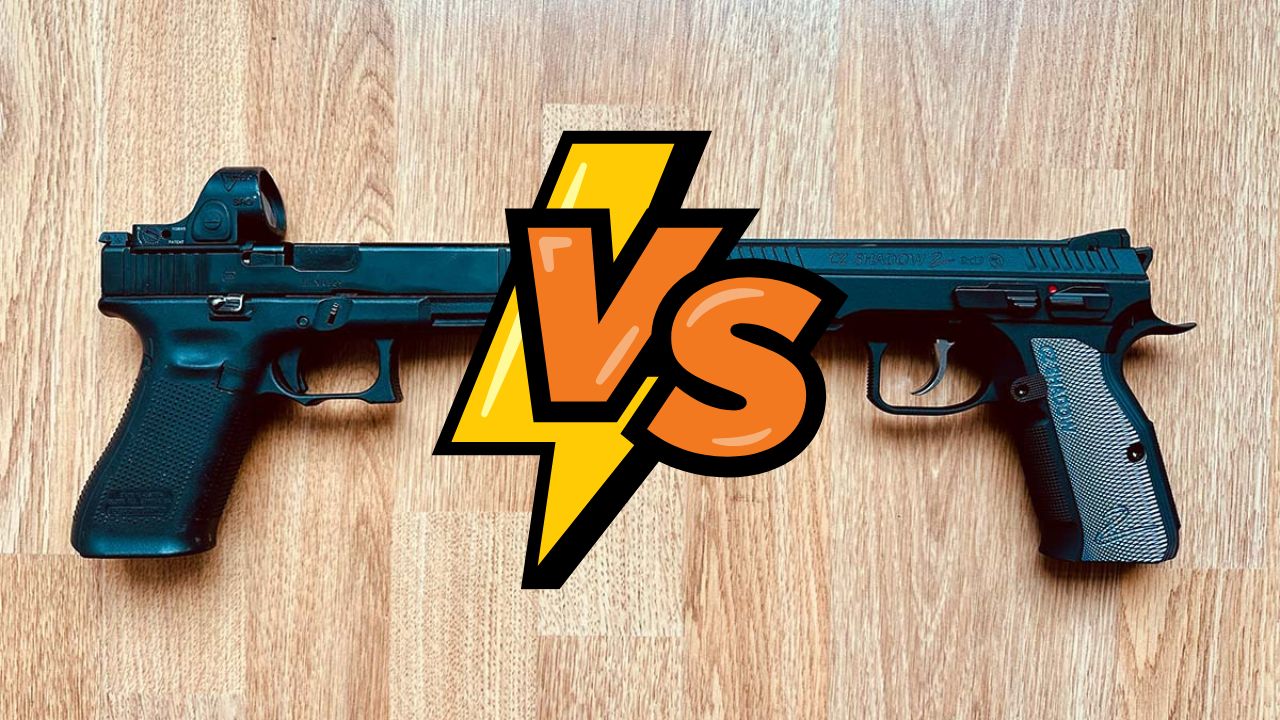
Surface Treatments and Ergonomic Finishes
Beyond structural integrity, surface treatments play a crucial role in enhancing durability, corrosion resistance, and aesthetics.
- Bluing: A traditional chemical process that creates a layer of black iron oxide on steel, offering moderate corrosion protection and a classic finish.
- Nitride/Melonite/Tenifer: Modern chemical heat treatments that impregnate the surface of steel with nitrogen and carbon, creating an extremely hard, wear-resistant, and corrosion-resistant layer. This technological advancement significantly extends the lifespan of components, particularly those exposed to friction or environmental elements.
- Cerakote/PVD Coatings: Ceramic-based or physical vapor deposition coatings offer superior abrasion resistance, chemical resistance, and a wide range of colors, allowing for both enhanced protection and customization.
- Ergonomic Finishes: The external surfaces are often textured or shaped (e.g., checkering on grips, serrations on hammers) to improve user grip and manipulation, especially under adverse conditions. The science of ergonomics informs these designs, ensuring comfortable and secure handling for a wide range of hand sizes and shooting stances.
Evolution of Single Action Design Principles
The single action handgun is not a static design; its technological principles have evolved significantly since its inception, adapting to new materials, manufacturing methods, and user requirements.
Early Percussion Systems: Simplicity and Function
The earliest widely adopted single action handguns were percussion revolvers, exemplified by designs from Colt and Remington in the mid-19th century. These cap-and-ball firearms were technologically revolutionary for their time. Their design prioritized robustness and mechanical simplicity, using a large, exposed hammer and a basic internal lockwork. The mechanism involved manually cocking the hammer, which rotated the cylinder to align a new chamber with the barrel, and then striking a percussion cap (a small charge of explosive compound) to ignite the main powder charge. The engineering focus was on reliable ignition, sequential cylinder rotation, and safe operation within the limitations of early metallurgy and manufacturing capabilities. These designs established the core single action principle and laid the groundwork for future innovations.
Cartridge Era Refinements: Enhanced Reliability and Speed
The advent of self-contained metallic cartridges in the late 19th century represented a monumental leap in firearm technology. This innovation directly influenced single action designs, leading to the development of iconic cartridge-loading single action revolvers, such as the Colt Single Action Army. The elimination of separate powder, ball, and primer components vastly improved loading speed, reliability, and weather resistance. The internal mechanisms were refined to accommodate the new cartridges, with stronger frames and more sophisticated indexing systems for the cylinder. Simultaneously, the single action principle was applied to early semi-automatic pistols, like the Colt M1911. Here, the technology shifted to incorporate recoil-operated mechanisms for automatic ejection and reloading, but critically, the hammer still required manual cocking for the first shot, and for subsequent shots if not held cocked by the slide. This blend of single action trigger pull with semi-automatic cycling represented a pinnacle of early 20th-century firearm engineering.
Modern Interpretations: Performance and Adaptability
Contemporary single action handguns continue to push the boundaries of materials science and precision engineering. While the fundamental principle remains, modern designs incorporate advanced features:
- Modularity: Many modern single action platforms, especially semi-automatic pistols, are designed with modular frames, interchangeable sights, and accessory rails, allowing for extensive customization and adaptation to various user needs or specialized applications.
- Enhanced Ergonomics: Through advanced CAD/CAM design and extensive user testing, grip angles, textures, and controls are optimized for improved comfort, recoil control, and intuitive operation.
- Advanced Metallurgy: Use of exotic alloys, superalloys, and advanced heat treatments for superior strength, lighter weight, and extreme durability in critical components.
- Integrated Safeties: While single action designs are inherently simpler, modern versions often incorporate sophisticated safety mechanisms (e.g., firing pin blocks, grip safeties) without compromising the characteristic crisp trigger pull, showcasing advanced safety engineering.
These modern interpretations reflect a continuous pursuit of optimal performance, reliability, and user experience within the framework of the single action operating principle.
User Interface and Performance Metrics
The single action handgun’s user interface is defined by its manual operation, which in turn influences its performance characteristics, particularly in terms of accuracy and control.
Manual Manipulation: Control and Feedback
The manual cocking of the hammer before each shot provides the user with direct physical feedback on the state of the firearm. This tactile interaction fosters a strong sense of control. For semi-automatic single action pistols, the slide also requires manipulation for initial loading and often for safety checks. The ergonomics of the hammer spur, slide serrations, and magazine release are carefully engineered to facilitate these manual operations smoothly and reliably. The consistent and typically lighter trigger pull, once the hammer is cocked, allows for a high degree of precision in trigger control, which is a critical factor for accuracy. This direct mechanical feedback loop between the user and the firing mechanism is a key aspect of the single action’s technological appeal.
Accuracy Engineering: Barrel and Sight Systems
Accuracy in a single action handgun, as with any firearm, is a cumulative result of meticulous engineering.
- Barrel Consistency: The barrel’s internal geometry (bore diameter, rifling twist rate), material, and manufacturing precision are paramount. High-quality barrels are often cold hammer-forged or button-rifled, processes that create a highly consistent bore and stress-relieved metal, essential for consistent bullet flight.
- Slide-to-Frame Fit (Semi-automatics): In single action semi-automatic pistols, the precision of how the slide fits onto the frame significantly impacts accuracy. Tighter tolerances and precision machining in these interfaces minimize play, ensuring the barrel returns to the exact same position relative to the sights after each shot.
- Sight Systems: Modern single action handguns typically feature adjustable sights (dovetailed or click-adjustable) that allow the user to fine-tune the point of impact. Fiber optic or tritium night sights integrate advanced illumination technologies to enhance target acquisition in various lighting conditions, transforming raw mechanical precision into practical accuracy.

Customization and Modularity: Adapting the Platform
Many single action platforms are engineered for a high degree of modularity and customization, particularly in the competitive shooting circuits or for specialized law enforcement/military applications. This adaptability showcases a significant technological advancement.
- Interchangeable Parts: The ability to easily swap components like triggers, hammers, mainsprings, and even barrels allows users to optimize the firearm for specific needs. Aftermarket component manufacturers leverage reverse engineering and proprietary designs to offer performance enhancements.
- Accessory Integration: The inclusion of Picatinny rails or proprietary mounting systems allows for the attachment of lights, lasers, and optical sights. This integration represents a merging of core firearm technology with advanced electronic and optical systems, expanding the functional capabilities of the handgun.
- Ergonomic Customization: Replaceable grip panels, adjustable mainspring housings, and extended controls allow the user to tailor the handgun’s ergonomics to their hand size and preferences, maximizing comfort and control.
In conclusion, the single action handgun, far from being a relic, remains a sophisticated piece of mechanical engineering. Its defining characteristic—the manual cocking of the hammer—is the cornerstone of a system built on precise material selection, advanced manufacturing techniques, and an evolving design philosophy aimed at optimizing performance, reliability, and the crucial human-machine interface. It stands as a testament to enduring mechanical principles continuously refined through technological innovation.
aViewFromTheCave is a participant in the Amazon Services LLC Associates Program, an affiliate advertising program designed to provide a means for sites to earn advertising fees by advertising and linking to Amazon.com. Amazon, the Amazon logo, AmazonSupply, and the AmazonSupply logo are trademarks of Amazon.com, Inc. or its affiliates. As an Amazon Associate we earn affiliate commissions from qualifying purchases.