
Navigating the volatile world of airfare pricing can feel like a game of chance, but for the savvy traveler, it’s an art form honed by understanding market dynamics, strategic timing, and leveraging the right tools. In an era where travel is more accessible than ever, the cost of airfare remains a significant component of any trip budget. Optimizing this expense isn’t just about finding a cheap ticket; it’s about making financially intelligent decisions that allow for more travel, better experiences, or simply greater savings. This comprehensive guide will demystify the complexities of airfare pricing, providing actionable insights and strategies to help you secure the best possible deals, ultimately transforming you into a master of economical travel.
The Dynamics of Airfare Pricing: Understanding the Market
Before diving into specific timing recommendations, it’s crucial to grasp the underlying mechanisms that dictate airfare costs. Airlines operate in a highly competitive and dynamic environment, where prices fluctuate constantly based on a myriad of factors. Understanding these drivers is the first step toward predicting price movements and making informed purchasing decisions.
Supply, Demand, and Algorithms: The Core Drivers
At its most fundamental level, airfare pricing adheres to the economic principles of supply and demand. When demand for a particular route or date is high and supply (available seats) is limited, prices surge. Conversely, low demand and ample supply typically lead to lower fares. However, the modern airfare market is far more sophisticated than simple supply-demand curves. Airlines employ complex revenue management algorithms that continuously analyze vast datasets. These algorithms consider everything from historical booking patterns, competitor pricing, remaining seat inventory, time until departure, and even external events like holidays or major conferences. They dynamically adjust prices in real-time, sometimes multiple times within a single day, to maximize profitability for every flight. This intricate algorithmic dance is why a seat on the same flight can have drastically different prices depending on when and how it’s booked.
The Impact of Fuel Costs and Economic Factors
Beyond immediate supply and demand, broader economic forces and operational costs significantly influence airfare. Fuel is one of the largest operating expenses for airlines, and fluctuations in global oil prices directly impact ticket costs. When fuel prices rise, airlines often pass these increased costs onto consumers through higher base fares or added surcharges. Similarly, broader economic indicators such as inflation, exchange rates, and consumer confidence can shape travel demand and airline profitability. In times of economic downturn, airlines might reduce capacity or offer more aggressive promotions to stimulate demand, while periods of prosperity could see higher baseline fares due to increased travel budgets. Geopolitical events and global health crises also play a significant role, capable of disrupting travel patterns and thus altering pricing strategies rapidly.
Airline Strategies: Dynamic Pricing and Revenue Management
Airlines are masters of dynamic pricing, a strategy designed to extract the maximum possible revenue from each seat. This involves segmenting passengers into various fare classes, each with different prices and restrictions, even for seats within the same cabin. Early bookers, business travelers, and those with less flexibility might pay a premium, while leisure travelers with flexible schedules can often find cheaper options if they book at the right time. Revenue management also involves anticipating cancellations, no-shows, and upgrade opportunities. Airlines deliberately overbook flights to account for these eventualities, further complicating the pricing matrix. Understanding that airlines are not just selling a seat, but rather optimizing for yield across their entire network, helps travelers appreciate the strategic complexity behind the prices they see.
The Sweet Spot: Optimal Booking Timelines
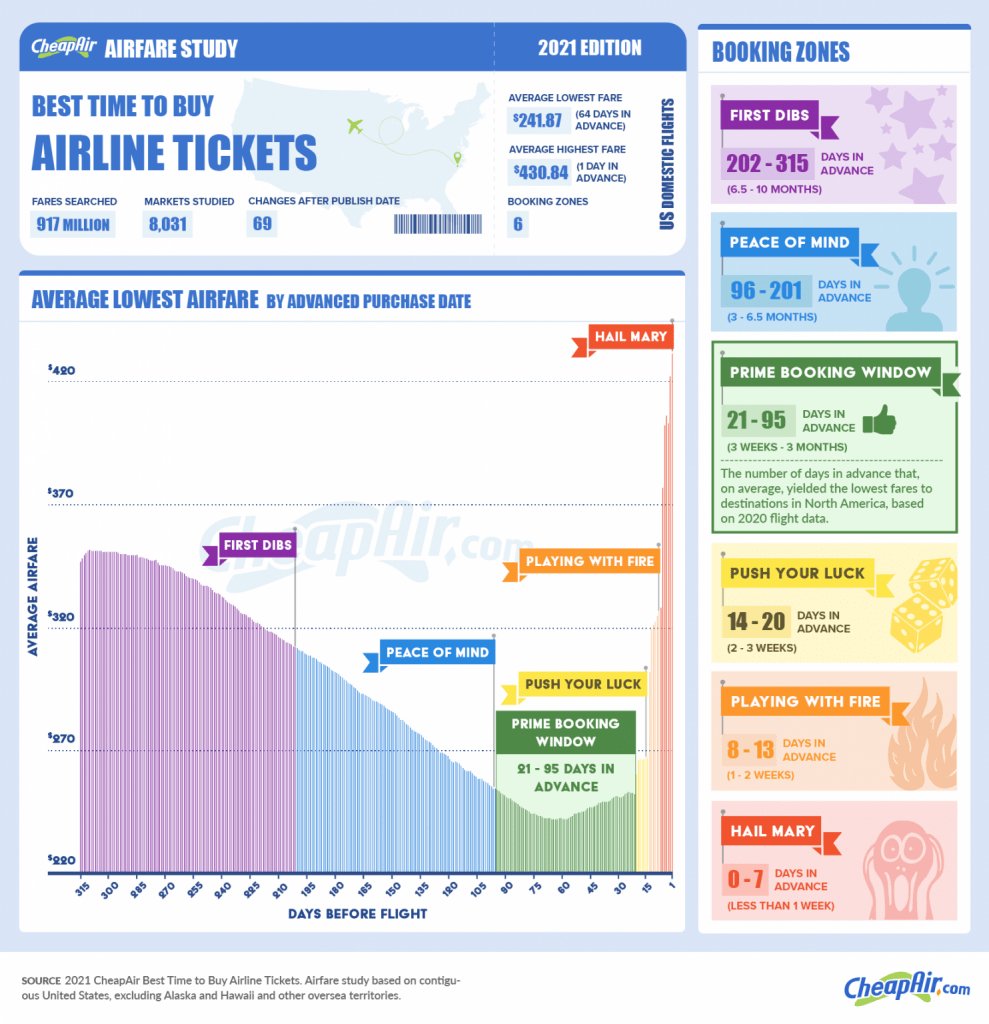
While no magic formula guarantees the absolute lowest fare every time, extensive data analysis and industry insights reveal consistent patterns regarding optimal booking windows. Timing is paramount, and understanding these windows can significantly reduce your travel expenses.
Domestic Flights: The 1-3 Month Window
For most domestic flights within countries like the U.S., Canada, or those within the Schengen Area, the “sweet spot” for booking generally falls within 1 to 3 months before your departure date. Data suggests that prices tend to be lower during this period. Booking too early (e.g., 6+ months out) often means you’re seeing initial, higher prices that airlines test on the market, which haven’t yet been adjusted down by demand. Conversely, waiting until the last minute (within 2-3 weeks of departure) almost invariably leads to significantly higher fares, as airlines capitalize on urgent business travel or last-minute leisure bookings with less price sensitivity. The airlines know these passengers have fewer options and are willing to pay more.
International Flights: Planning 2-8 Months Ahead
International travel requires a longer lead time for optimal pricing. For long-haul international flights, the ideal booking window typically extends from 2 to 8 months prior to your planned departure. This broader window accounts for the greater complexity in routing, varied demand across different global regions, and the higher base cost of these tickets. Booking within this range allows you to catch the initial wave of competitive pricing before popular routes start filling up and prices inevitably climb. It also provides ample time to compare different airlines, consider alternative airports, and track price changes effectively without the pressure of an impending departure. For particularly popular international destinations or peak travel seasons, even earlier booking (up to 10-12 months) might be advisable, especially for group travel.
The Myth of Last-Minute Deals (and When They Do Exist)
The notion of “scoring a killer last-minute deal” is largely a relic of the past, especially for popular routes. With sophisticated revenue management systems, airlines rarely offer significant discounts on unsold seats close to departure, preferring to maintain higher prices for desperate travelers. However, there are rare exceptions. For charter flights or package deals where tour operators need to offload remaining inventory, true last-minute bargains can occasionally appear. Similarly, if an airline has a significantly underbooked flight on a less popular route, or if they need to reposition an aircraft, they might drop prices a few days before departure. These are exceptions, not the rule, and relying on them is a high-risk strategy that often leads to paying substantially more. For most travelers seeking to save money, proactive planning is far more effective than hoping for a last-minute miracle.
Avoiding Peak Booking Periods: Holidays and Special Events
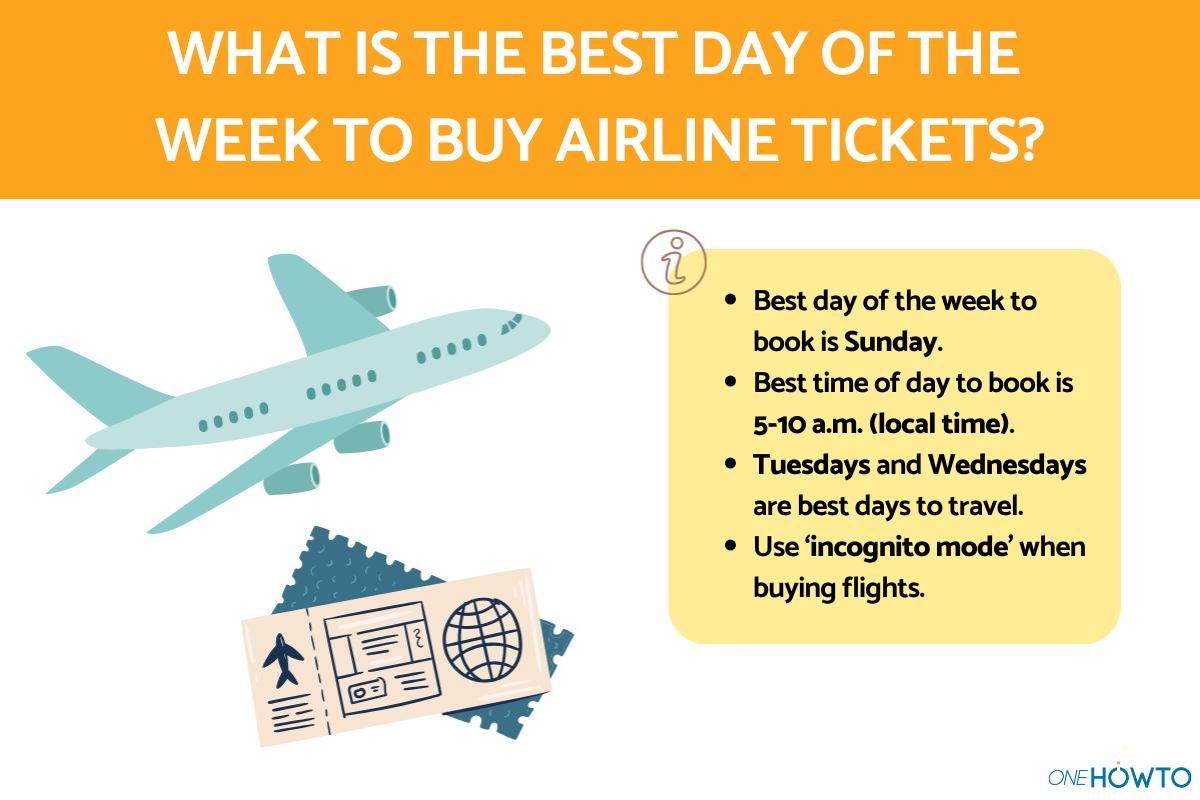
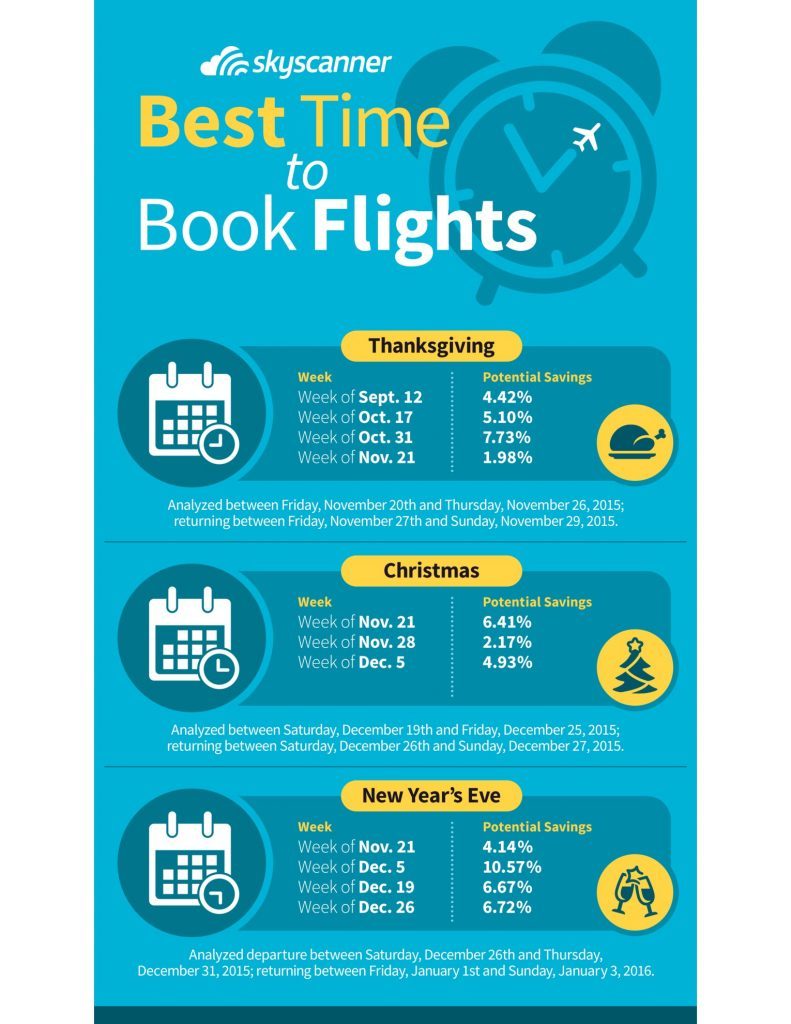
One of the most critical aspects of economical airfare purchasing is avoiding peak travel times. Booking flights around major holidays (Christmas, New Year’s, Thanksgiving, Easter, etc.), school breaks, or during major local events (festivals, conferences, sporting events) will almost always result in significantly higher prices. Airlines are well aware of these demand surges and adjust their pricing accordingly. If your travel dates are flexible, shifting your departure or return by even a day or two around these peak times can yield substantial savings. Traveling on Tuesdays, Wednesdays, and Saturdays often provides better value than flying on Fridays or Sundays, which are typically the most expensive days due to high leisure and business travel demand. Similarly, flying at undesirable times, such as very early mornings or late nights, can also present cost-saving opportunities.
Strategic Tools and Tactics for Price Tracking
Successfully navigating airfare pricing in today’s market requires more than just knowing when to book; it demands a proactive approach using smart tools and clever tactics. The digital age has provided travelers with an array of resources to monitor prices, compare options, and make informed decisions.
Price Alerts and Prediction Tools: Google Flights, Skyscanner, Kayak
Modern travel search engines have evolved into powerful price tracking and prediction tools. Platforms like Google Flights, Skyscanner, and Kayak are indispensable for the budget-conscious traveler. Their core utility lies in their ability to set up “price alerts” for specific routes and dates. Once activated, these services will notify you via email when the fare for your desired flight increases or decreases, allowing you to pounce on a good deal as soon as it appears. Many of these tools also offer “price prediction” features, which analyze historical data and current trends to advise whether to “buy now” or “wait,” though these are not infallible. Beyond price alerts, these platforms are excellent for exploring flexible date options through their calendar views, which highlight the cheapest days to fly, and for discovering alternative airports that might offer lower fares.
The Power of Incognito Mode and Cookie Management
A persistent myth in airfare searching is that airlines track your searches using cookies and then increase prices on subsequent visits to pressure you into buying. While the direct link between personal cookies and price increases is often debated and not definitively proven across all airlines/platforms, clearing your browser’s cookies or using “incognito” or “private browsing” mode is still a recommended best practice. These modes prevent websites from storing data about your browsing session, ensuring that each search is fresh. This can potentially mitigate any subtle tracking or dynamic pricing adjustments based on your search history. It’s a small, easy step that adds an extra layer of privacy and can occasionally lead to seeing different prices than in a standard browsing session.
Exploring Alternative Airports and Flexible Dates
Flexibility is perhaps the single greatest asset a traveler can possess when hunting for economical airfare. Being open to flying into or out of alternative airports, especially for major metropolitan areas, can unlock significant savings. For example, flying into London Stansted or Luton instead of Heathrow, or Oakland instead of San Francisco, might require a slightly longer commute to your final destination but could save hundreds of dollars on the flight itself. Similarly, flexibility with your travel dates, even by a day or two, can dramatically impact prices. Mid-week flights (Tuesdays, Wednesdays) are consistently cheaper than weekend travel. Using the “flexible dates” or “anywhere” search functions on flight comparison websites can reveal unexpected deals that a rigid itinerary might miss.
Considering Budget Airlines vs. Full-Service Carriers
The rise of budget airlines (e.g., Ryanair, Spirit, Allegiant, EasyJet) has revolutionized travel, offering significantly lower base fares. However, their cost-saving model often involves unbundling services that are typically included with full-service carriers (e.g., checked bags, carry-on bags, seat selection, in-flight meals). While their headline prices can be incredibly attractive, it’s crucial to calculate the total cost of flying with a budget airline, including all necessary add-ons. For short trips with minimal luggage, budget carriers can indeed be the most economical option. For longer journeys or trips requiring more amenities, a full-service carrier might offer comparable or even better value when all costs are factored in. Always perform a comprehensive cost comparison before committing, understanding that the cheapest advertised fare isn’t always the cheapest overall.
Beyond the Price Tag: Maximizing Value and Avoiding Hidden Costs
While securing a low airfare is a primary goal, smart financial travel planning extends beyond the initial ticket price. A truly economical traveler considers the complete financial picture, maximizing value and proactively avoiding unexpected expenses that can quickly erode savings.
Understanding Fare Classes and What’s Included
Not all economy tickets are created equal. Airlines segment their cabins into various “fare classes” (e.g., Basic Economy, Standard Economy, Premium Economy), each with different rules, restrictions, and inclusions. Basic Economy, for instance, might offer the lowest price but often comes with strict limitations on seat selection, baggage allowance, changes, and upgrades. Standard Economy provides more flexibility, while Premium Economy offers enhanced comfort and services for a higher price. Before booking, meticulously review what is included in your chosen fare class. Does it include a carry-on bag? Can you select your seat in advance? Are changes permitted, even with a fee? Understanding these nuances helps avoid frustrating surprises at the airport and ensures you choose a fare that genuinely meets your needs and budget, rather than just the cheapest number.
Luggage Fees, Seat Selection, and In-Flight Services
Hidden costs can quickly inflate your travel budget. The most common culprits are luggage fees. Checked bags, and increasingly even carry-on bags that don’t fit under the seat, can incur significant charges, especially with budget airlines. Always check the airline’s baggage policy before you fly, and consider packing light or investing in travel-sized toiletries to fit within personal item allowances. Seat selection fees are another common add-on. While you’ll typically be assigned a seat for free at check-in, paying to choose your preferred spot can add to the cost. Similarly, in-flight meals, snacks, drinks, and entertainment on some airlines are no longer complimentary. Factor these potential expenses into your budget and consider bringing your own snacks and filled water bottle to save money.
Travel Insurance: A Necessary Precaution or Unnecessary Expense?
Travel insurance is an often-debated expense. For some, it’s an essential safeguard; for others, an unnecessary outlay. From a financial perspective, travel insurance can be a critical investment, especially for expensive international trips, group travel, or journeys with non-refundable components. It can protect against unforeseen circumstances such as trip cancellations, medical emergencies abroad, lost luggage, or travel delays, which can lead to substantial financial losses. However, for short, low-cost domestic trips where personal risk is minimal, it might be an extra expense you can forgo. Before purchasing, check if your existing credit cards or home insurance policies offer any travel-related coverage. Compare policies carefully to ensure they cover the specific risks you’re concerned about, weighing the cost against the potential financial implications of an uncovered incident.
Leveraging Credit Card Rewards and Loyalty Programs
Smart financial travelers leverage credit card rewards and airline loyalty programs to offset travel costs. Many travel-specific credit cards offer lucrative sign-up bonuses in points or miles, which can be redeemed for free flights, upgrades, or even statement credits. These cards often come with perks like free checked bags, priority boarding, airport lounge access, and travel insurance, which can provide significant value beyond the points themselves. Similarly, joining an airline’s frequent flyer program allows you to earn miles on paid flights, which can then be redeemed for future travel. Consolidating your travel spending and loyalty with one or two airline alliances can accelerate your points accumulation. Before applying for a travel credit card, ensure you understand its annual fees, interest rates, and redemption policies, making sure the benefits outweigh the costs for your personal financial situation.
Real-World Scenarios and Expert Tips
Bringing all these strategies together, let’s consider how they apply to various travel scenarios and offer some final expert insights to refine your airfare purchasing strategy.
Booking for a Family vs. Solo Travel
The dynamics of booking airfare change significantly when traveling with a family compared to solo adventures. For families, securing seats together is often a priority, which might necessitate booking earlier and potentially paying for seat selection. The ideal booking window for families might lean towards the earlier end of the recommended spectrum (e.g., 3 months for domestic, 6-8 months for international) to ensure sufficient seat availability and avoid splitting up. Budget airlines, with their often strict carry-on policies and lack of amenities, can become less appealing for families due to the accumulated baggage fees and need for in-flight comforts. Solo travelers, on the other hand, have greater flexibility. They can more easily jump on last-minute individual deals, are less concerned about specific seat assignments, and can comfortably opt for budget carriers to minimize costs without significant trade-offs.
Navigating Unexpected Price Drops and Rebooking Policies
It’s every traveler’s dilemma: you book a flight, and then the price drops. While most standard economy tickets are non-refundable and charge hefty change fees, some airlines and specific fare types offer more flexibility. Certain airlines might offer a credit if the price of your flight drops, or allow you to cancel for a credit if you purchased a “flexible” or “refundable” fare. Some credit cards also offer price protection benefits. It’s worth checking the airline’s policy immediately after a price drop. Services like Yapta can also track your existing reservations and alert you if the price drops to a point where it’s financially beneficial to rebook (even with fees) or claim a credit. However, for most non-refundable tickets, the cost of change fees usually outweighs the savings from a minor price drop, making it a risk to rebook.
The Role of Seasonality and Destination-Specific Trends
Beyond general optimal booking windows, seasonality plays a huge role in airfare pricing, especially for leisure travel. High seasons (e.g., summer in Europe, winter in the Caribbean, spring break) will invariably command higher prices due to increased demand. Traveling during the “shoulder season” – the periods just before or after peak season – often offers a sweet spot of pleasant weather, fewer crowds, and significantly lower airfares. For example, traveling to Europe in May or September can be much cheaper than July or August. Furthermore, certain destinations might have unique trends. For instance, flights to business hubs might be cheaper on weekends, while flights to tourist hotspots might be cheaper on weekdays. Researching destination-specific peak and off-peak seasons, as well as local events, is crucial for financial planning.
Cultivating a Mindset for Smart Airfare Shopping
Ultimately, mastering the art of economical airfare purchasing is less about a single trick and more about cultivating a strategic mindset. It involves a combination of early planning, proactive research, leveraging technology, and maintaining flexibility. Be patient but decisive. Track prices, but don’t obsess over every minor fluctuation. Be open to different airports, dates, and even destinations. Understand the true cost of your ticket, factoring in all potential fees. Treat airfare shopping like a financial investment: informed decisions lead to better returns. By adopting these strategies, you empower yourself to consistently find excellent value, ensuring that your travel dreams remain within a financially sensible reality.
aViewFromTheCave is a participant in the Amazon Services LLC Associates Program, an affiliate advertising program designed to provide a means for sites to earn advertising fees by advertising and linking to Amazon.com. Amazon, the Amazon logo, AmazonSupply, and the AmazonSupply logo are trademarks of Amazon.com, Inc. or its affiliates. As an Amazon Associate we earn affiliate commissions from qualifying purchases.