
In the complex ecosystem of healthcare finance, efficiency and accuracy are paramount to ensuring timely reimbursements for providers and transparent financial experiences for patients. Amidst myriad codes, forms, and digital transactions, one identifier plays a crucial, yet often overlooked, role: the Payer ID. Far more than just a string of characters, a Payer ID is a fundamental financial tool that underpins the streamlined exchange of claims information between healthcare providers and insurance companies. Understanding its function, application, and impact is essential for anyone navigating the financial intricacies of the healthcare industry, from billing professionals to business managers and even individual patients seeking clarity on their medical expenses.
The Core Function of a Payer ID in Healthcare Finance
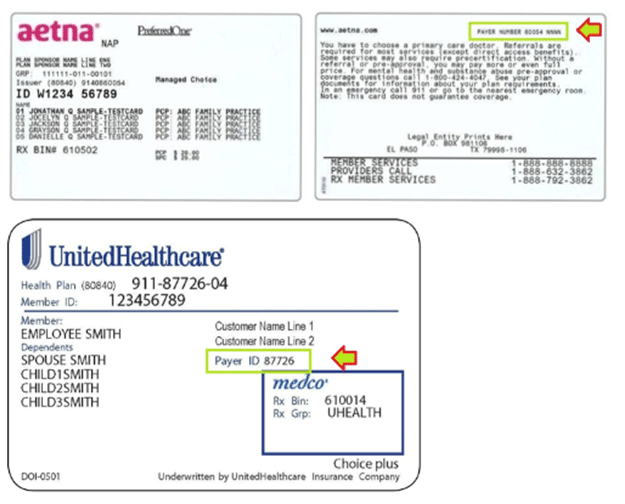
At its heart, a Payer ID is a unique numerical or alphanumeric code assigned to an insurance company or a third-party payer. Its primary purpose is to act as a digital address, directing electronic healthcare claims (primarily under the HIPAA-mandated 837 transaction set) to the correct recipient for processing. Without this specific identifier, claims would lack a clear destination, leading to delays, rejections, and significant financial bottlenecks for healthcare organizations.
Definition and Purpose
Imagine sending a letter without a house number or zip code; the postal service would struggle to deliver it. Similarly, in the digital realm of healthcare billing, a Payer ID serves as the critical “address label” for insurance claims. When a healthcare provider submits a claim for services rendered, this claim is not sent directly to a generic “insurance company.” Instead, it is routed to a specific payer — a particular insurance plan, a government program like Medicare or Medicaid, or a third-party administrator — via its unique Payer ID. This identification system is crucial for distinguishing between the thousands of different health plans and their various regional or specialized processing centers.
The ultimate purpose of a Payer ID is to facilitate swift and accurate communication within the financial revenue cycle of healthcare. It ensures that when a provider’s billing department transmits an electronic claim, the claim lands squarely with the correct entity responsible for adjudication and payment. This precision minimizes the chances of misdirection, allowing payers to quickly identify the patient, services provided, and the associated financial responsibilities.
The Role in Electronic Data Interchange (EDI)
The Payer ID is inextricably linked to Electronic Data Interchange (EDI), the standardized electronic format used for exchanging business documents between trading partners. In healthcare, EDI is critical for the efficient processing of claims (837 transaction), remittance advices (835 transaction), eligibility checks (270/271 transactions), and other financial communications. The Health Insurance Portability and Accountability Act (HIPAA) mandates the use of specific EDI standards to ensure uniformity and efficiency across the healthcare industry.
Within the EDI framework, the Payer ID is a required field, embedded within the electronic claim file. When a provider’s billing software generates an 837 claim, it includes the patient’s information, service details, and crucially, the Payer ID of the responsible insurance company. This digital envelope then travels through a clearinghouse – an intermediary that validates and forwards claims – which uses the Payer ID to route the claim to the correct payer’s system. Without this standardized identifier, the automated processing power of EDI would be severely hampered, reverting the system to a slower, error-prone manual process. This interoperability is fundamental to how billions of dollars in healthcare payments are processed annually, directly impacting the financial health of providers and the affordability for patients.
How Payer IDs Streamline Claims Processing
The financial implications of efficient claims processing are immense. Delays or rejections directly translate to deferred revenue for providers and potential out-of-pocket costs or administrative burdens for patients. Payer IDs significantly mitigate these risks by acting as a critical linchpin in the automated claims submission workflow.
Reducing Administrative Burden
Before the widespread adoption of Payer IDs and EDI, healthcare claims were predominantly paper-based. This necessitated extensive manual data entry, physical mailing, and labor-intensive tracking, all of which were prone to human error and significant delays. The introduction of Payer IDs, coupled with electronic submission, revolutionized this process. By directing claims electronically to precise digital addresses, Payer IDs drastically reduce the administrative burden on both providers and payers.
For providers, the ability to submit claims with confidence that they will reach the correct destination means less time spent correcting misdirected claims, less postage, and fewer resources allocated to follow-up on outstanding payments. Billing staff can focus on more complex claims or patient financial counseling rather than chasing lost paperwork. For payers, the automated receipt of claims via Payer IDs means faster sorting, less manual input, and more efficient allocation of resources to the actual adjudication process, rather than the initial intake. This shift from manual to automated processing results in substantial cost savings across the entire healthcare finance spectrum.
Enhancing Financial Accuracy
Incorrect claims routing is a primary cause of claims rejections and denials, which in turn leads to revenue loss for providers and frustration for patients. A Payer ID directly enhances financial accuracy by ensuring claims are directed to the specific entity that holds the contract with the patient and is responsible for their benefits. This precision avoids common errors such as claims being sent to a general insurance company address rather than a specific plan or regional processing center.
When a claim is routed correctly using the Payer ID, it increases the likelihood of a clean claim submission – one that passes initial edits and is ready for adjudication without needing additional information or corrections. This leads to faster processing times, quicker reimbursement cycles for providers, and ultimately, a more predictable cash flow. For businesses, predictable cash flow is vital for operational stability and growth. Moreover, accurate routing reduces the administrative rework associated with resubmitting denied claims, which can be a costly and time-consuming process for billing departments. Every resubmission represents a delay in revenue and an increase in operational expenses.
The Impact of Payer IDs on Healthcare Providers and Patients
The technical function of a Payer ID translates directly into tangible financial impacts for both the organizations providing care and the individuals receiving it. Its efficient use is a cornerstone of a healthy revenue cycle.
For Providers: Revenue Cycle Management
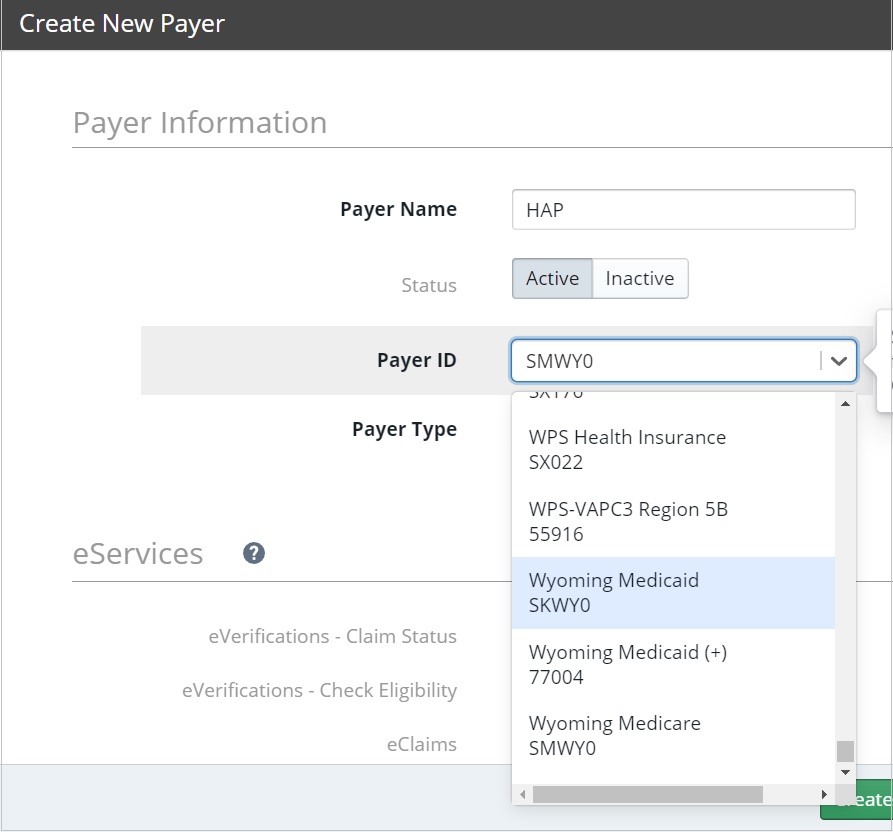
For healthcare providers, Payer IDs are an indispensable tool for robust revenue cycle management (RCM). The RCM encompasses all administrative and clinical functions that contribute to the capture, management, and collection of patient service revenue. A smooth RCM is critical for the financial viability of any medical practice, hospital, or clinic.
- Accelerated Reimbursements: Correct Payer IDs lead to fewer rejections and faster processing, meaning providers receive payments more quickly. This improves cash flow, allowing practices to meet operational expenses, invest in new equipment, and compensate staff without undue financial strain.
- Reduced Administrative Costs: As discussed, accurate Payer ID usage minimizes the need for manual intervention, follow-up calls, and claim resubmissions. This reduces labor costs associated with billing and collections, freeing up resources for other critical functions.
- Improved Denial Rates: Misrouted claims are immediate denials. By ensuring claims reach the right payer the first time, providers can significantly lower their denial rates, directly impacting their net revenue. A lower denial rate means more claims are paid on their first submission, requiring less effort and leading to greater financial efficiency.
- Enhanced Financial Forecasting: With more predictable payment cycles due to efficient claims processing, providers can more accurately forecast their income. This is crucial for financial planning, budgeting, and making informed business decisions.
For Patients: Understanding Your Bill
While patients typically don’t directly interact with Payer IDs, the efficient use of these identifiers by their providers significantly impacts their financial experience with healthcare.
- Faster Claim Processing Means Less Waiting: When claims are processed quickly and correctly, patients receive their Explanation of Benefits (EOB) from their insurance company faster. This clarity on what was covered and what their financial responsibility is helps them budget and plan for payments.
- Reduced Billing Errors: Fewer misrouted or denied claims mean fewer instances of patients receiving incorrect bills or facing unexpected charges due to administrative snafus. This promotes trust and reduces financial anxiety.
- Clearer Financial Responsibility: When claims are processed efficiently, patients get a clearer picture of their deductibles, co-pays, and co-insurance much sooner. This transparency empowers them to manage their personal finance related to healthcare expenditures more effectively and avoid surprises.
- Less Administrative Hassle: Patients are often caught in the middle when claims are disputed or delayed. Efficient Payer ID usage by providers reduces the likelihood of patients needing to intervene, make calls, or clarify information between their provider and insurer, saving them time and frustration.
Finding and Utilizing Payer IDs Effectively
Despite their critical importance, Payer IDs are not always prominently displayed or universally standardized, creating a common challenge in healthcare billing. Correctly identifying and using them is a key skill for financial professionals in healthcare.
Common Sources for Payer IDs
Finding the correct Payer ID can sometimes be a scavenger hunt, but several reliable sources exist:
- Payer Websites: Most major insurance companies list their Payer IDs on their provider portals or dedicated billing information pages. This is often the most authoritative source.
- Clearinghouse Directories: Healthcare clearinghouses, which act as intermediaries for electronic claims, maintain extensive databases of Payer IDs for all the payers they connect with. This is frequently the go-to resource for billing departments.
- Practice Management/Billing Software: Many modern practice management systems integrate Payer ID lookup functionality or automatically populate the field based on the selected insurance plan.
- Provider Manuals and Contracts: Insurance companies often include Payer IDs in the welcome packets, provider manuals, or contractual agreements they issue to healthcare practices.
- Previous Electronic Remittance Advices (ERAs): The 835 ERA (Electronic Remittance Advice) transaction, which details claim payments, can sometimes implicitly confirm the correct Payer ID used for that transaction.
It’s crucial to note that Payer IDs can change or vary based on the specific plan, region, or type of service. What works for a commercial plan might not work for a Medicare Advantage plan from the same insurer, or a specific state’s Medicaid program. Verification is always recommended, especially for new payers or plans.
Best Practices for Submission
To ensure optimal financial outcomes, providers should adhere to best practices when utilizing Payer IDs:
- Verify Regularly: Payer IDs are not static. Insurance companies can merge, change their names, or update their claim processing systems, leading to new Payer IDs. Regularly verify Payer IDs, especially for new plans or when encountering denials related to incorrect routing.
- Maintain an Up-to-Date Database: Healthcare organizations should maintain an internal, current database of Payer IDs for the plans they frequently accept. This can be integrated into their practice management or electronic health record (EHR) system.
- Utilize Clearinghouse Validation: Clearinghouses typically perform initial validation checks on claims, including Payer ID verification. Leveraging these services can catch errors before claims are transmitted to the payer, saving valuable time and preventing rejections.
- Train Billing Staff: Ensure that billing and coding staff are thoroughly trained on how to locate, verify, and correctly input Payer IDs. Continuous education on payer-specific requirements is also vital.
- Understand Plan Variations: Recognize that a single insurance company may have multiple Payer IDs for different lines of business (e.g., commercial, Medicare Advantage, Medicaid HMOs). Selecting the precise ID for the patient’s specific plan is critical.
The Evolving Landscape: Payer IDs in Digital Healthcare Finance
The role of Payer IDs continues to evolve as healthcare finance becomes increasingly digital, automated, and interconnected. Future developments will further integrate these identifiers into advanced financial technologies.
Interoperability and Automation
The drive towards greater interoperability in healthcare data exchange means Payer IDs will play an even more seamless role in automated financial workflows. As artificial intelligence (AI) and machine learning (ML) are increasingly applied to revenue cycle management, Payer IDs will be automatically identified, verified, and utilized within intelligent billing systems. This means fewer manual lookups and a further reduction in human error. The goal is a “straight-through processing” of claims, where a claim can be submitted, adjudicated, and paid with minimal human intervention, dramatically speeding up the revenue cycle and freeing up capital.
API (Application Programming Interface) driven solutions are emerging that allow direct, real-time communication between provider systems and payer systems. Payer IDs are fundamental to establishing these secure and accurate API connections, enabling instant eligibility checks, prior authorization requests, and status inquiries – all contributing to faster financial transactions and better patient financial experiences.
Security and Compliance
As with all sensitive financial and health information, the transmission of claims using Payer IDs is subject to stringent security and compliance regulations, particularly HIPAA. Ensuring the integrity and confidentiality of these transactions is paramount. Clearinghouses and payers invest heavily in cybersecurity measures to protect the data exchanged. Furthermore, the use of standardized Payer IDs helps maintain compliance by creating an auditable trail for financial transactions, ensuring accountability and transparency in the healthcare payment system. As cyber threats evolve, so too will the security protocols surrounding the use and transmission of Payer IDs, safeguarding the financial health of the entire healthcare ecosystem.
In conclusion, the Payer ID is a seemingly small detail that carries immense weight in the world of healthcare finance. It is the unassuming workhorse that enables billions of dollars in claims to be processed each year, ensuring that providers are paid for their services and patients can navigate their financial responsibilities with greater clarity and less administrative friction. As healthcare continues its digital transformation, the strategic importance of understanding, utilizing, and managing Payer IDs will only grow, remaining a critical component of efficient and effective financial operations.
aViewFromTheCave is a participant in the Amazon Services LLC Associates Program, an affiliate advertising program designed to provide a means for sites to earn advertising fees by advertising and linking to Amazon.com. Amazon, the Amazon logo, AmazonSupply, and the AmazonSupply logo are trademarks of Amazon.com, Inc. or its affiliates. As an Amazon Associate we earn affiliate commissions from qualifying purchases.