
In the pantheon of modern brands, Lululemon stands as a beacon of aspirational lifestyle, synonymous with wellness, high-performance athletic apparel, and a distinctive community ethos. The story of its inception is not merely a tale of a successful business venture but a profound case study in brand building – understanding a niche, creating a unique identity, and cultivating a devoted following. To uncover “who invented Lululemon” is to delve into the mind of a visionary who not only saw an opportunity but engineered a cultural phenomenon around it.
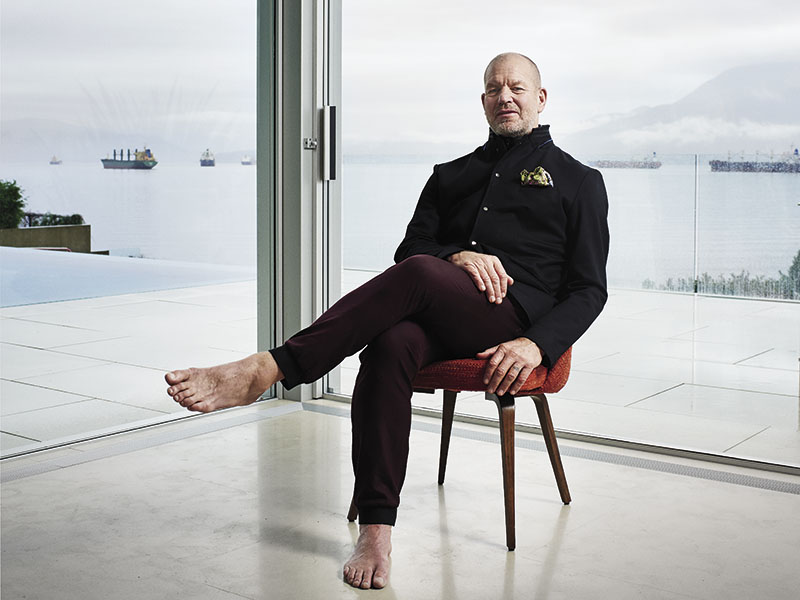
At its core, Lululemon Athletica Inc. was founded by Chip Wilson. His journey from a Vancouver-based entrepreneur to the architect of a global athleisure empire offers invaluable insights into the strategic foresight, innovative thinking, and community-centric approach that defined the brand from its earliest days. Wilson’s creation wasn’t just about selling yoga pants; it was about selling a lifestyle, a feeling, and a sense of belonging that resonated deeply with its target demographic, ultimately forging one of the most powerful corporate identities of the 21st century.

The Visionary Founder: Chip Wilson and the Birth of Lululemon
The foundation of Lululemon in 1998 was not an overnight flash of inspiration but the culmination of Chip Wilson’s extensive experience in the apparel industry and his keen observation of emerging societal trends. Having previously founded and sold Westbeach Sports, a successful snowboard and streetwear company, Wilson possessed a deep understanding of fabric technology, design, and retail. This background provided him with a unique lens through which to identify a significant gap in the market.
From Yoga Pants to a Global Phenomenon: The Initial Spark
The year 1998 marked a pivotal moment when Wilson noticed a growing interest in yoga and holistic wellness, particularly among women. He observed that athletic wear available at the time often failed to meet the specific needs of yoga practitioners. Existing products were either too restrictive, lacked the necessary stretch and comfort, or simply didn’t flatter the female form. This acute awareness of a latent demand sparked the idea for Lululemon. The initial concept was simple yet revolutionary: create high-quality, technically advanced apparel that would enhance the athletic experience, starting with yoga. The very first Lululemon store opened in Kitsilano, Vancouver, in 2000, functioning initially as a design studio by day and a yoga studio by night, fostering an immediate connection with its intended audience.
Identifying a Market Gap: Athletic Apparel for Women
Wilson’s genius lay in his ability to not only identify an underserved market but also to understand its nuances. He recognized that women were increasingly investing in their health and fitness, but the apparel industry had yet to catch up with their specific desires for performance, comfort, and style in activewear. Lululemon was born from the premise that athletic clothing could be both functional and fashionable, empowering women to feel confident and capable during their workouts and beyond. This focus on a primary female demographic, coupled with an unwavering commitment to product excellence, became a cornerstone of the brand’s early success. It wasn’t just about selling clothes; it was about providing tools that facilitated a desired lifestyle.
The Philosophy of Lifestyle Integration
Beyond technical innovation, Wilson instilled a profound philosophy into Lululemon: the integration of activewear into everyday life. This foresight predated the widespread “athleisure” trend, positioning Lululemon not just as an athletic brand but as a lifestyle brand. The clothing was designed to transition seamlessly from the yoga studio to the street, embodying comfort and style throughout the day. This strategic approach cultivated a strong emotional connection with consumers, making Lululemon an integral part of their identity. The brand encouraged its customers to embrace a holistic approach to well-being, where physical activity, mental clarity, and fashionable expression converged. This deeper narrative transformed a simple clothing purchase into an affirmation of personal values.
Crafting the Brand Identity: More Than Just Clothing
Lululemon’s success is a masterclass in brand building, extending far beyond the quality of its products. From its inception, the brand strategically cultivated an identity that was aspirational, community-focused, and deeply experiential. This multi-faceted approach cemented its position as a leader in the activewear market and a case study in effective brand strategy.
The Power of Community and Experiential Retail
A defining characteristic of Lululemon’s brand identity has always been its emphasis on community. Wilson envisioned stores not just as retail outlets but as hubs for connection and wellness. Early Lululemon stores regularly hosted free yoga classes, fitness events, and community gatherings, transforming customers into brand evangelists. This strategy built an incredibly loyal customer base that felt a sense of belonging and shared values with the brand. The in-store experience was meticulously crafted to reflect this ethos, with knowledgeable staff (known as “educators”) who were passionate about fitness and the Lululemon lifestyle, fostering an environment of empowerment and aspiration. This experiential retail model was groundbreaking, setting a new standard for how brands could engage with their audience on a deeper, more personal level.
Product Innovation and Material Science
While the community aspect built the soul of the brand, product innovation provided its backbone. Lululemon’s early commitment to proprietary fabrics and designs played a crucial role in establishing its premium brand positioning. Fabrics like Luon, known for its buttery soft feel, stretch, and moisture-wicking properties, became synonymous with the Lululemon experience. This dedication to material science and functional design wasn’t just about creating better clothes; it was about delivering a superior experience that justified the brand’s higher price point. Each product was designed with the specific needs of athletes in mind, from seam placement to fabric composition, ensuring optimal performance and unparalleled comfort. This relentless pursuit of excellence in product development became a core pillar of the Lululemon brand promise – quality, innovation, and performance.
The Role of Design in Brand Perception

Lululemon’s aesthetic design also played a pivotal role in shaping its brand perception. The designs were sleek, minimalist, and flattering, moving away from overly bulky or traditional athletic wear. This sophisticated approach to activewear design allowed customers to integrate the pieces seamlessly into their daily wardrobes, further solidifying the athleisure concept. The distinctive Lululemon logo – an abstract “A” that cleverly references the first letter of “Lululemon Athletica” – became an understated yet powerful symbol of quality and a shared lifestyle. Every design choice, from the ergonomic fit to the carefully selected color palettes, contributed to an overall brand image that was modern, chic, and aspirational, making Lululemon not just a brand of clothing, but a statement of personal style and commitment to well-being.
Evolution and Expansion: Nurturing the Lululemon Brand
As Lululemon grew from a single studio in Vancouver into a global retail powerhouse, its brand strategy had to evolve to meet the demands of expansion while retaining the core values that defined its early success. This period of growth involved scaling the vision, navigating inevitable challenges, and ensuring consistent brand stewardship.
Scaling the Vision: From Local Studio to International Presence
The transition from a beloved local brand to an international presence required careful strategic planning. Lululemon didn’t merely replicate its successful formula; it adapted it to new markets, always retaining its focus on community and experiential retail. The brand’s expansion involved meticulous site selection for new stores, ensuring that each location could foster a similar sense of local community. Its digital strategy also played a crucial role, extending the brand’s reach and allowing it to connect with a global audience while maintaining a personalized feel. This controlled yet ambitious growth ensured that Lululemon’s unique brand identity was consistently communicated and experienced, regardless of geographical location. The challenge was to globalize the brand without diluting its intimate, community-driven essence, a task Lululemon largely succeeded in through disciplined branding and marketing efforts.
Navigating Brand Challenges and Maintaining Core Values
Lululemon’s journey has not been without its challenges, particularly concerning product quality issues and controversies surrounding its founder’s statements. These incidents tested the resilience of the brand and its leadership. However, each challenge provided an opportunity for the brand to reaffirm its commitment to its core values and its customers. For instance, when specific product lines faced criticism for transparency or fit, the brand responded by enhancing quality control, improving customer feedback mechanisms, and engaging in open communication. These responses demonstrated a commitment to continuous improvement and customer satisfaction, which ultimately strengthened brand loyalty. The ability to listen, adapt, and learn from mistakes is a hallmark of enduring brands, and Lululemon’s journey showcases its capability to weather storms while staying true to its identity.
Leadership Transitions and Brand Stewardship
Chip Wilson eventually stepped down from his executive roles, transitioning the leadership to new CEOs and a board of directors. This period of leadership transition was critical for the brand’s ongoing stewardship. New leaders were tasked with balancing innovation with tradition, expanding market reach without compromising core values, and adapting to changing consumer landscapes. The challenge was to maintain the authentic, community-centric spirit of Lululemon while driving significant corporate growth and navigating the complexities of a publicly traded company. The sustained success of Lululemon post-Wilson’s direct leadership is a testament to the robust brand identity he established and the effective stewardship by subsequent leaders who understood the profound value of the brand’s foundational principles.
Lululemon’s Enduring Legacy in Branding
Lululemon’s journey from a niche yoga apparel company to a global lifestyle brand has left an indelible mark on the retail landscape. Its pioneering approach to brand building has not only secured its own success but has also profoundly influenced how other companies approach brand strategy, community engagement, and market segmentation.
The “Athleisure” Pioneer: Shaping a New Market Segment
Perhaps Lululemon’s most significant legacy is its role in pioneering and popularizing the “athleisure” market segment. Before Lululemon, athletic wear was largely confined to gyms and sports fields. Chip Wilson’s vision helped to bridge the gap between performance apparel and everyday fashion, creating a new category that valued comfort, style, and versatility. This shift fundamentally altered consumer expectations for clothing, inspiring countless competitors to enter the athleisure space. Lululemon didn’t just sell clothes; it sold a new way of dressing and living, proving that a brand could effectively create and dominate an entirely new market through visionary product development and strategic marketing.
Cultivating Customer Loyalty and Advocacy
Lululemon’s intense focus on community and experiential retail forged an exceptionally loyal customer base. Its “educators” fostered genuine connections, while community events made customers feel like they were part of something larger than just a brand. This strategy transformed customers into passionate advocates who not only purchased Lululemon products but also actively promoted the brand within their social circles. The power of word-of-mouth marketing, fueled by authentic customer experiences and a strong sense of belonging, became a cornerstone of Lululemon’s sustained growth. This deep-seated loyalty is a testament to the brand’s ability to build emotional connections and deliver consistent value beyond the tangible product.
Lessons in Brand Building and Strategic Growth
The Lululemon story offers invaluable lessons for aspiring entrepreneurs and established brands alike. It underscores the importance of:
- Visionary Leadership: A clear, founder-driven vision can set the trajectory for immense success.
- Market Understanding: Deep insight into consumer needs and emerging trends is crucial for identifying untapped opportunities.
- Community Engagement: Building a strong community around a brand fosters loyalty and transforms customers into advocates.
- Product Excellence: Unwavering commitment to quality and innovation justifies premium pricing and builds trust.
- Experiential Retail: Creating memorable in-store experiences enhances brand perception and engagement.
- Lifestyle Branding: Positioning a brand around a desired lifestyle rather than just a product category can create a powerful emotional connection.
These principles, meticulously applied by Chip Wilson and his successors, demonstrate how a well-crafted brand identity, nurtured with care and strategic foresight, can transcend mere commercial success to become a cultural touchstone.
In conclusion, “who invented Lululemon” is more than a question of identifying its founder; it’s an inquiry into the origins of a meticulously constructed brand. Chip Wilson’s ingenious blend of market foresight, product innovation, and community building laid the groundwork for Lululemon to become an iconic lifestyle brand that continues to shape the global activewear industry and inspire a generation to live a life of wellness and conscious living. Its story remains a compelling blueprint for how to build a brand that resonates deeply, inspires loyalty, and achieves enduring success.
aViewFromTheCave is a participant in the Amazon Services LLC Associates Program, an affiliate advertising program designed to provide a means for sites to earn advertising fees by advertising and linking to Amazon.com. Amazon, the Amazon logo, AmazonSupply, and the AmazonSupply logo are trademarks of Amazon.com, Inc. or its affiliates. As an Amazon Associate we earn affiliate commissions from qualifying purchases.