
Apple Inc. stands as one of the most recognized, influential, and valuable corporations in the world. Yet, to merely define it as a “technology company” is to scratch the surface of a phenomenon far more profound. At its core, Apple is a masterclass in brand identity – a company whose very essence is woven into the fabric of global culture, aspiration, and design. Understanding “what is Apple the company” requires a deep dive not just into its products or financials, but into the meticulously crafted brand narrative, the unwavering corporate identity, and the marketing genius that has transformed a garage startup into a beacon of innovation and desire. Apple is, first and foremost, a brand – a powerful, almost mythical entity that transcends its physical offerings to represent a way of life, a set of values, and a promise of a superior experience.
The Genesis of a Global Phenomenon: Crafting an Identity
The journey of Apple’s brand began long before it became a multi-trillion-dollar titan. It was forged in the vision of its founders, particularly Steve Jobs, who understood instinctively that a company’s identity was as crucial, if not more so, than the technology it produced. This early understanding laid the groundwork for a brand that would prioritize coherence, elegance, and a direct, almost personal connection with its audience.
From Garage to Global Stage: Early Branding Principles
In 1976, Apple Computer Co. emerged from a Los Altos garage, a humble beginning for a company destined to reshape industries. The name “Apple” itself was a radical departure from the typically sterile, technical nomenclature of the era. It was friendly, accessible, organic, and memorable – a deliberate choice that signaled a human-centric approach to technology. The original logo, featuring Isaac Newton under an apple tree, quickly evolved into the iconic bitten rainbow apple, symbolizing knowledge, desire, and a playful rebellion against convention. These early branding decisions were not arbitrary; they were foundational. They established a company that sought to demystify technology, making it approachable and beautiful, rather than intimidating. From its inception, Apple didn’t just sell computers; it sold a promise of empowerment, creativity, and a touch of the extraordinary, packaged in a distinctly non-corporate, almost artisanal wrapper. This deliberate differentiation set the stage for its future brand dominance.
The Visionary Architects: Jobs’ Influence on Brand Essence
Steve Jobs’s return to Apple in 1997, after a period of significant decline, marked a pivotal moment in the company’s brand trajectory. Jobs wasn’t merely a CEO; he was the chief brand architect, possessing an unparalleled instinct for corporate identity and consumer psychology. He stripped away complexity, streamlined product lines, and refocused the entire organization on core brand values. His mantra was clarity and simplicity, both in product design and in communication. The famous “Think Different” campaign, launched upon his return, was not an advertisement for a specific product, but a profound declaration of Apple’s philosophical stance. It celebrated nonconformity, creativity, and those who dared to challenge the status quo – values Jobs embodied and instilled into the company’s DNA. This campaign re-established Apple not just as a technology provider, but as a lifestyle brand, an ally for the creative class, and a symbol of independent thought. Jobs understood that a powerful brand wasn’t just about what you made, but what you stood for, and he meticulously ensured that Apple consistently stood for innovation, elegance, and a touch of rebellious genius.
The Pillars of Apple’s Brand Identity: Simplicity, Innovation, and Aspiration
Apple’s enduring brand success can be attributed to its unwavering commitment to a set of core principles that permeate every facet of its operation. These aren’t just marketing slogans; they are intrinsic elements that define its corporate identity and resonate deeply with its global audience.
Design as a Core Brand Tenet: Form Meets Function
For Apple, design is not an afterthought; it is the brand. From the sleek lines of an iPhone to the minimalist interface of macOS, every product is a testament to the belief that beauty and utility are inseparable. Inspired by the principles of Dieter Rams, Apple’s design philosophy emphasizes simplicity, clarity, and ease of use. This isn’t just about aesthetics; it’s about reducing friction, making technology intuitive, and creating products that feel premium and thoughtfully crafted. The careful selection of materials, the precision engineering, the iconic clean lines, and the deliberate absence of clutter all contribute to a sensory experience that reinforces Apple’s brand promise of quality and sophistication. This focus on industrial design and user experience has cultivated an identity where Apple products are not just tools, but objects of desire, admired as much for their form as for their function. It’s a silent, powerful form of branding that communicates excellence without needing words.
Innovation as a Brand Promise: Beyond Technology
While many companies innovate, Apple has branded itself as the harbinger of the next big thing. Its innovation isn’t just about developing new technologies, but about anticipating user needs and creating entirely new product categories that reshape industries – from the graphical user interface on the Macintosh to the iPod’s reinvention of music, the iPhone’s revolution of mobile computing, and the iPad’s creation of the tablet market. This consistent delivery of groundbreaking products has cemented Apple’s brand as a leader, a visionary, and a company that dares to “think different.” The brand promise of innovation creates an inherent anticipation and excitement around every product launch, turning them into global events. It positions Apple not as a follower, but as a pioneer, fostering a sense of progress and future-forward thinking that is integral to its corporate identity and appeal. Users buy into the idea that with Apple, they are always at the forefront of technological and design evolution.
The Art of Aspiration: Marketing Emotion, Not Just Products
Apple’s marketing is legendary for its ability to sell not just features, but feelings. Their campaigns rarely dwell on technical specifications; instead, they focus on the experience, the creativity, the connection, and the personal transformation that their products enable. Whether it’s the “1984” Super Bowl ad challenging conformity, the “silhouette” iPod commercials celebrating personal freedom through music, or recent campaigns highlighting creativity and productivity, Apple consistently markets aspiration. They position their products as tools for extraordinary people doing extraordinary things. This strategy cultivates a powerful emotional connection, making Apple products symbols of status, individuality, and achievement. Owning an Apple device becomes a statement about who you are and what you value. This aspirational branding has fostered incredible brand loyalty and a premium perception, allowing Apple to command higher prices while maintaining a devout customer base who feel they are part of an exclusive club.
Cultivating the Ecosystem: A Seamless Brand Experience
Apple’s brand extends far beyond individual products; it encompasses a meticulously designed ecosystem that creates a seamless, integrated experience for its users. This ecosystem is a powerful brand differentiator, fostering loyalty and reinforcing the corporate identity of harmony and ease.
The Walled Garden: Control as a Brand Advantage
The concept of Apple’s “walled garden” – its tightly integrated hardware, software, and services – is often discussed from a technological perspective, but its impact on brand identity is profound. By controlling every aspect of the user experience, from the chip inside the device to the operating system and the apps available in its App Store, Apple ensures a consistent, high-quality, and secure environment. This control translates into a brand promise of reliability, security, and a “just works” simplicity that users cherish. It minimizes compatibility issues and offers a unified aesthetic and functional experience across all Apple devices. While some perceive this as restrictive, Apple has masterfully branded it as a benefit – a curated, premium experience where every component is optimized to work together flawlessly. This creates a powerful lock-in effect, not through force, but through the sheer convenience and superior user experience, making users less likely to switch to competing platforms.
Retail Experience: Temples of the Brand
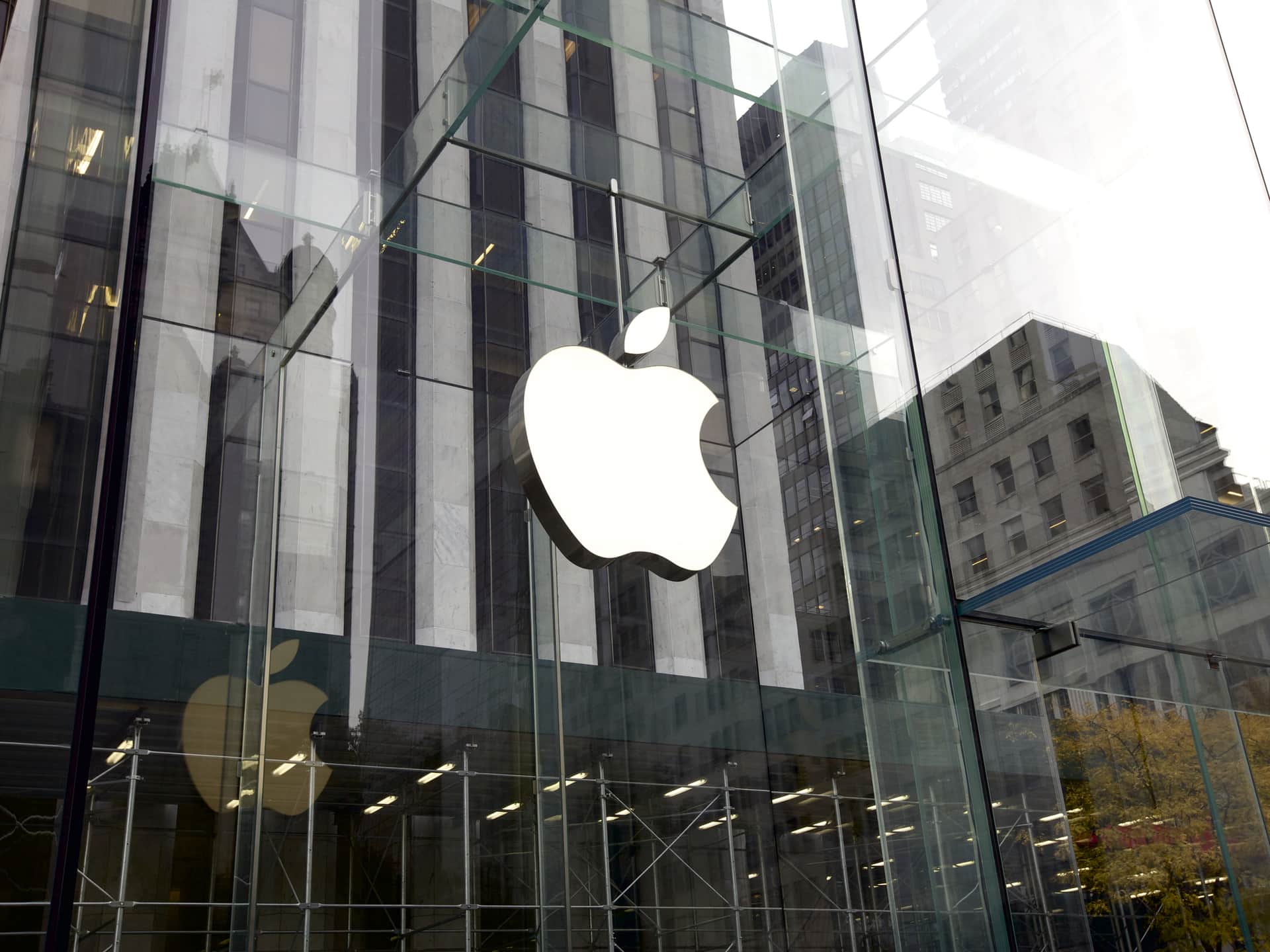
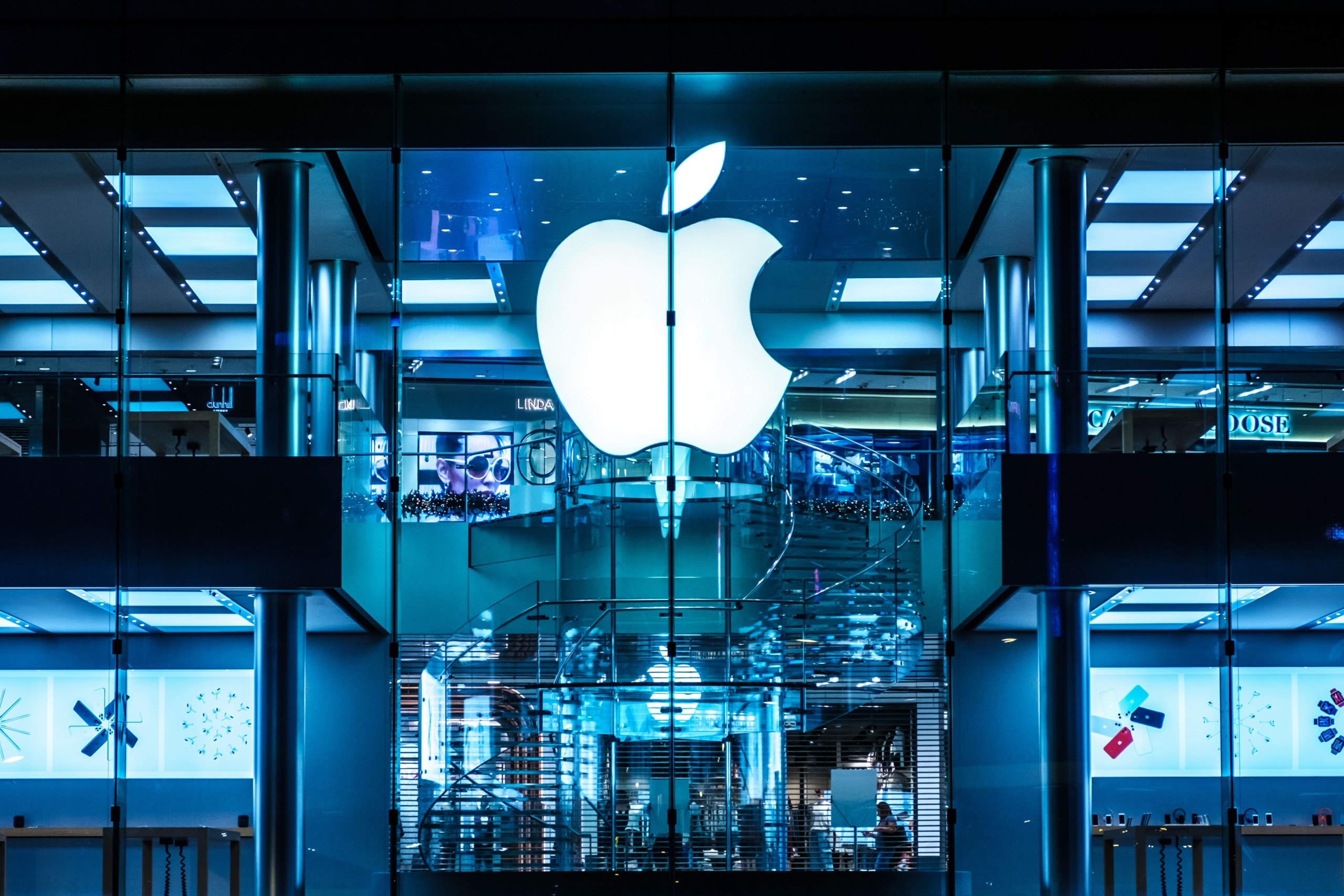
Apple Stores are not merely retail outlets; they are physical manifestations of the Apple brand. Designed with the same minimalist aesthetic and attention to detail as their products, these stores are immersive brand experiences. They are brightly lit, spacious, and uncluttered, inviting customers to touch, explore, and interact with the products in a relaxed, non-pressured environment. The “Genius Bar” provides personalized support, further cementing the brand’s commitment to customer service and cultivating a sense of community. The staff, known for their product knowledge and helpfulness, act as brand ambassadors. Every element, from the store layout to the product presentation, is meticulously crafted to reinforce Apple’s corporate identity of elegance, accessibility, and innovation. These stores serve as temples of the brand, offering a tactile and human connection to the digital experience, converting shoppers into evangelists.
Customer Loyalty: More Than Just Consumers, They’re Evangelists
The culmination of Apple’s brand strategy – its design ethos, innovation pipeline, aspirational marketing, and integrated ecosystem – is an unparalleled level of customer loyalty. Apple users often transcend typical consumer behavior, becoming brand evangelists who actively promote and defend the company. This loyalty is built on trust, satisfaction, and an emotional connection to a brand that consistently delivers on its promises. For many, owning Apple products is a form of self-expression, a reflection of their own values and aspirations. This creates a virtuous cycle where positive word-of-mouth and a strong community further strengthen the brand’s perception and attract new customers. The sense of belonging to the “Apple family” is a powerful, intangible asset that few other companies can claim, underscoring the deep success of its brand-centric approach.
Evolving the Narrative: Brand Resilience and Future Horizons
Apple’s brand narrative is not static; it has evolved, adapted, and shown remarkable resilience through leadership changes, market shifts, and new challenges. The ability to maintain brand integrity while expanding its reach is a testament to its robust corporate identity.
Post-Jobs Era: Maintaining Brand Integrity and Expansion
Following the passing of Steve Jobs, a critical question loomed: could Apple maintain its iconic brand without its visionary co-founder? Under Tim Cook’s leadership, Apple has not only maintained but significantly expanded its brand’s influence and financial success. While perhaps less overtly theatrical than the Jobs era, Cook has overseen an era of refinement, operational excellence, and strategic diversification. The brand has remained fiercely committed to its core principles of design and innovation, evidenced by continuous improvements to existing product lines and the introduction of new categories like the Apple Watch. Critically, Cook has managed to scale the brand without diluting its premium appeal, navigating increasing competition and regulatory scrutiny while preserving the meticulously crafted corporate identity that Jobs established. This demonstrates the inherent strength and adaptability of Apple’s brand architecture, proving it can thrive beyond the immediate influence of its original architects.
Services and Sustainability: Broadening the Brand Portfolio
In recent years, Apple has strategically diversified its brand portfolio beyond hardware into a burgeoning services sector, including Apple Music, Apple TV+, Apple Pay, and iCloud. This expansion is a clever brand maneuver, transforming the company from a mere product vendor into a comprehensive lifestyle provider. These services deepen the integration within the Apple ecosystem, enhancing user lock-in and creating recurring revenue streams. Crucially, they extend the brand’s promise of seamless, high-quality experiences into new digital domains. Concurrently, Apple has increasingly integrated sustainability and environmental responsibility into its corporate identity. Campaigns highlighting its commitment to renewable energy, recycled materials, and carbon neutrality are not just ethical stances; they are potent branding tools that appeal to a growing segment of environmentally conscious consumers. By aligning itself with global values of sustainability, Apple enhances its brand image as a responsible and forward-thinking global citizen, adding another layer to its powerful identity.

The Enduring Legacy: Apple as a Cultural Icon
Ultimately, “what is Apple the company” transcends its status as a tech giant or a financial powerhouse. It is a cultural icon, a brand that has shaped societal norms, influenced design aesthetics, and redefined expectations for technology and consumer experience. Its brand is a tapestry woven from relentless innovation, unparalleled design, aspirational marketing, and an unwavering commitment to a cohesive ecosystem. Apple is a symbol of creativity, progress, and a certain kind of sophisticated rebellion. Its legacy is not just in the products it has created, but in the profound impact its brand has had on how we interact with technology, perceive luxury, and express our personal identities in the modern world. It is a testament to the power of a brand built with purpose, passion, and an unyielding vision.
Apple, the company, is therefore much more than its components; it is a meticulously constructed global brand, a corporate identity that has successfully fused cutting-edge technology with profound human aspiration, forever altering the landscape of industry and culture.
aViewFromTheCave is a participant in the Amazon Services LLC Associates Program, an affiliate advertising program designed to provide a means for sites to earn advertising fees by advertising and linking to Amazon.com. Amazon, the Amazon logo, AmazonSupply, and the AmazonSupply logo are trademarks of Amazon.com, Inc. or its affiliates. As an Amazon Associate we earn affiliate commissions from qualifying purchases.