
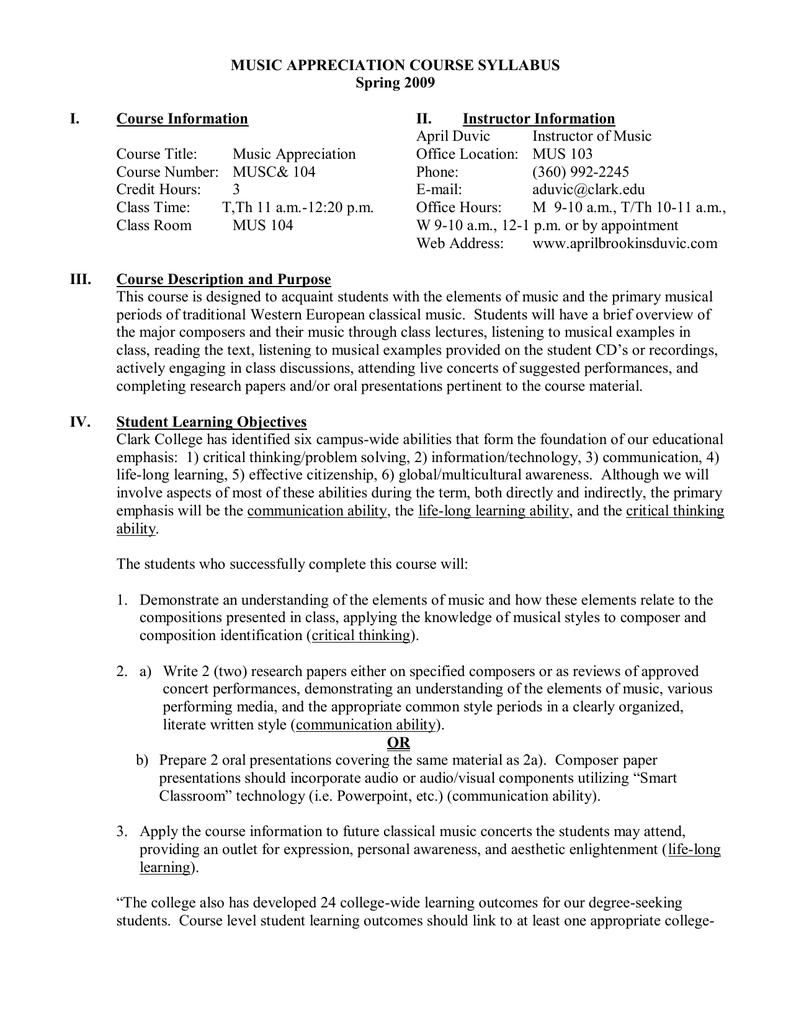
In an increasingly digital world, a music appreciation class has evolved far beyond passive listening sessions and textbook readings. Today, it stands as a dynamic exploration of music’s history, forms, and cultural significance, fundamentally empowered and transformed by technology. Far from being a niche pursuit, it is an immersive educational journey that leverages cutting-edge digital tools and platforms to unlock deeper understanding, foster critical listening skills, and connect students with the global tapestry of sound. Essentially, a modern music appreciation class is a masterclass in applying technology to cultural understanding, making it an indispensable subject within the tech landscape.
The Digital Foundation of Modern Music Appreciation
The very accessibility of music, which underpins any appreciation course, is now overwhelmingly digital. Technology has democratized access to an almost infinite library of recordings, scores, and performances, reshaping how students engage with musical traditions from across the globe and throughout history.
Unlocking Global Repertoires with Streaming & Digital Archives
A core component of any music appreciation class is exposure to diverse musical examples. In the past, this was limited by physical record collections or the professor’s personal library. Today, streaming services like Spotify, Apple Music, and YouTube are not merely entertainment platforms; they are vast educational resources. Students can instantly access entire discographies of artists, compare different performances of the same work, and explore genres they might never have encountered otherwise. This immediate, on-demand access facilitates comparative listening and encourages independent exploration, critical skills cultivated in these courses.
Beyond commercial streaming, digital archives and online libraries from institutions like the Library of Congress, the Internet Archive, and university special collections provide unprecedented access to historical recordings, ethnographic field recordings, and digitized scores. These resources allow students to engage with rare or fragile materials, offering a direct link to music as it was originally performed or documented, circumventing geographical and physical barriers. The technology behind these platforms, from robust search algorithms to high-fidelity audio encoding, is crucial for preserving and disseminating humanity’s sonic heritage, making them indispensable tools for appreciation.
Interactive Learning Platforms and AI Tutors
The pedagogical methods of music appreciation have also been significantly enhanced by technology. Learning management systems (LMS) such as Canvas or Blackboard host course materials, facilitate discussions, and deliver quizzes, often integrating multimedia directly. Beyond administrative functions, specialized interactive platforms like Teoria or websites offering guided listening exercises transform passive listening into active engagement. These tools might visually represent musical structures, highlight thematic developments in real-time, or quiz students on specific melodic or harmonic elements.
Furthermore, the burgeoning field of AI is beginning to offer personalized learning experiences. While still evolving, AI-powered tools can analyze a student’s listening habits, identify areas where their understanding might be weak (e.g., distinguishing between different orchestral sections), and suggest tailored exercises or listening examples. Some AI applications can even provide real-time feedback on musical analysis tasks, simulating a one-on-one tutoring experience that was once impractical to scale. This adaptive technology promises to make music appreciation more effective and accessible to diverse learners.
Tech-Driven Analysis and Understanding
Understanding music goes beyond simply listening; it involves deconstructing its components, identifying patterns, and grasping its underlying structure. Technology provides powerful tools that enable this deeper analytical engagement, transforming abstract concepts into tangible, visual, and interactive experiences.
Software for Deconstructing Musical Structures
Modern music appreciation classes extensively utilize software for musical analysis. Digital Audio Workstations (DAWs) like Audacity, GarageBand, or more professional tools like Ableton Live, allow students to visualize waveforms, isolate specific instruments or vocal lines, and manipulate tempo or pitch without altering the original recording. This hands-on manipulation provides insights into orchestration, arrangement, and rhythmic complexity that would be difficult to grasp through listening alone. Students can loop challenging sections, slow down fast passages, or even remove elements to focus on others, gaining a granular understanding of how music is constructed.
Beyond DAWs, specialized music analysis software can automatically identify key signatures, chord progressions, and even transcribe melodies from audio files. Tools that integrate with musical notation software (e.g., Sibelius, Finale) can help students understand how abstract symbols translate into sound, and vice versa. This technological assistance removes some of the laborious aspects of manual analysis, allowing students to focus on interpretation and critical thought rather than getting bogged down in transcription.
Visualizing Sound through Digital Tools
One of the most profound impacts of technology on music appreciation is its ability to visualize sound. Spectrograms, oscilloscopes, and other audio visualization tools provide graphical representations of sound waves, frequency ranges, and harmonic content. Seeing the “shape” of a sound or the interplay of different frequencies can significantly aid understanding, especially for abstract concepts like timbre or resonance.
Interactive graphics can animate the inner workings of an orchestra, highlighting which instruments are playing at any given moment, or illustrate the development of a fugue’s subject through a complex polyphonic texture. Virtual reality (VR) and augmented reality (AR) are also emerging as tools for immersive visualization, allowing students to “step inside” an orchestral performance, or see musical notes manifest as objects in their physical space, creating a multi-sensory learning experience that enhances comprehension and engagement.
Exploring Music History Through a Digital Lens
Music appreciation fundamentally involves understanding music in its historical and cultural contexts. Technology is not only transforming how we access historical music but also how we interpret and interact with the past itself.
Preserving and Accessing Sonic Heritage
Digital preservation techniques are crucial for maintaining and disseminating historical recordings that might otherwise be lost to time. From shellac records to magnetic tapes, fragile analog media are being digitized at high resolutions, ensuring their survival and making them available to researchers and students worldwide. A music appreciation class benefits immensely from these digitized collections, allowing direct engagement with the sound of past eras, often with restoration technologies that clarify and enhance the original fidelity.
Furthermore, digital humanities projects are creating interactive timelines, geographical maps, and social network analyses that contextualize music within broader historical movements, political events, and artistic currents. Students can explore how specific musical styles emerged in particular regions, how they spread, and how they influenced or were influenced by other cultural phenomena, all facilitated by robust databases and visualization platforms.
The Evolution of Music Production Technology
A significant part of music history is the history of its production and reproduction technology. A music appreciation class often delves into how innovations like the phonograph, radio, magnetic tape recording, synthesizers, and digital audio workstations have not only changed how music is made but also what music is. Understanding the technological limitations and possibilities of each era helps students appreciate the specific sonic qualities and compositional approaches prevalent at the time. For example, understanding early recording techniques sheds light on why certain instrumental balances or vocal styles were favored. Examining the advent of electronic music and synthesizers explains the birth of entirely new genres and soundscapes. This exploration is inherently a tech topic, linking hardware and software evolution directly to musical aesthetics and historical development.
The Role of Technology in Contemporary Appreciation
Beyond historical understanding, technology actively shapes contemporary music appreciation by facilitating new forms of engagement and critical interaction.
Engaging with Music in Virtual and Augmented Realities
The experiential dimension of music appreciation is being radically expanded by virtual and augmented reality. VR platforms can transport students to virtual concert halls, allowing them to experience performances from different perspectives – from the audience, on stage with the musicians, or even from the conductor’s podium. This immersive experience offers profound insights into performance practice, acoustics, and the collaborative nature of music-making. AR applications can overlay musical information onto live performances or physical scores, providing real-time commentary, historical context, or analytical breakdowns directly within the user’s field of vision, making learning dynamic and interactive.
Cultivating Digital Literacy for Deeper Appreciation
A music appreciation class in the 21st century also cultivates essential digital literacy skills. Students learn to critically evaluate sources of musical information online, understand the implications of metadata and tagging, navigate complex digital archives, and differentiate between lossless and lossy audio formats. They grasp the ethical dimensions of digital music, including copyright, intellectual property, and fair use in the context of sampling and remixing. These skills are not just about music; they are fundamental competencies for navigating the broader digital landscape and engaging responsibly with digital content of all kinds.
Beyond the Classroom: Sustained Appreciation in a Digital World
The impact of a music appreciation class, particularly when framed through a technological lens, extends far beyond the duration of the course itself, fostering lifelong engagement with music.
Personalizing the Listening Experience
The digital tools and platforms introduced in a music appreciation class empower individuals to continue their journey of discovery and appreciation independently. Students learn how to curate their personal digital music libraries, create informed playlists that explore specific themes or genres, and utilize recommendation algorithms effectively to expand their sonic horizons. The ability to access, organize, and analyze music on personal devices ensures that the skills gained in the classroom translate directly into enriched daily listening habits.

Community and Collaboration in Digital Spaces
Finally, technology facilitates sustained appreciation by connecting enthusiasts in digital communities. Online forums, social media groups, and collaborative listening platforms allow individuals to share discoveries, discuss interpretations, and engage in meaningful dialogues about music. This collaborative aspect, enabled by digital communication tools, transforms music appreciation from an individual pursuit into a shared cultural experience, reinforcing its value and ensuring its continued relevance in an interconnected world.
In essence, a modern music appreciation class is a sophisticated integration of humanities and technology, offering a robust framework for understanding, analyzing, and engaging with music through the powerful and ubiquitous digital tools that define our contemporary existence. It’s a testament to how technology doesn’t just deliver content, but profoundly reshapes how we learn, understand, and connect with artistic expression.
aViewFromTheCave is a participant in the Amazon Services LLC Associates Program, an affiliate advertising program designed to provide a means for sites to earn advertising fees by advertising and linking to Amazon.com. Amazon, the Amazon logo, AmazonSupply, and the AmazonSupply logo are trademarks of Amazon.com, Inc. or its affiliates. As an Amazon Associate we earn affiliate commissions from qualifying purchases.