
In the highly competitive and interconnected global aviation industry, an airline’s brand strength extends far beyond its individual routes and aircraft. For a major player like American Airlines, its ability to offer seamless global travel, exceptional customer benefits, and a consistent brand experience relies heavily on strategic partnerships. American Airlines is a founding member of oneworld, one of the three major global airline alliances, a strategic affiliation that profoundly shapes its corporate identity, marketing efforts, and overall brand promise.
The Strategic Imperative of Airline Alliances for Global Brands
Airline alliances represent a sophisticated form of collaborative branding, allowing individual airlines to extend their reach, enhance their service offerings, and build a more compelling value proposition for their customers without the prohibitive costs of organic expansion. For a brand like American Airlines, participation in such an alliance is not merely an operational decision; it is a fundamental pillar of its brand strategy and market positioning.

Defining Airline Alliances and Their Brand Value
Airline alliances are cooperative agreements between multiple airlines, typically involving codesharing, shared loyalty programs, reciprocal lounge access, coordinated schedules, and integrated ticketing. From a brand perspective, these alliances deliver immense value by:
- Extending Brand Reach: A customer purchasing a ticket from American Airlines effectively gains access to the entire oneworld network, significantly expanding the perceived geographic footprint of the American Airlines brand. This global connectivity is a powerful brand attribute in today’s travel landscape.
- Enhancing Customer Experience: Alliances aim to create a more consistent and seamless travel experience across partner airlines. This means a traveler flying American Airlines from New York to London and then connecting on a British Airways flight to Paris expects similar standards of service, loyalty point accrual, and baggage handling—a key driver of brand satisfaction and loyalty.
- Building Brand Trust and Recognition: Being part of a reputable global alliance lends credibility and trust to an individual airline’s brand. Customers often associate alliance membership with a certain level of service quality and reliability, enhancing the perceived value of the participating brands.
- Differentiating from Competitors: In a crowded market, alliance membership can be a significant differentiator. It allows airlines to market a comprehensive network and a suite of benefits that non-aligned carriers cannot easily replicate, reinforcing their unique brand proposition.
The Rationale Behind Airline Partnerships
The decision for a brand like American Airlines to engage in such extensive partnerships is multi-faceted, driven by both strategic advantages and operational efficiencies that directly impact brand perception and market performance:
- Global Network Expansion: Alliances enable airlines to offer routes to destinations they don’t directly serve, providing customers with a truly global network under a unified brand experience. This is crucial for attracting business travelers and leisure travelers seeking far-flung destinations.
- Cost Efficiencies: While the primary focus for branding is customer-facing, underlying cost efficiencies from shared resources (e.g., maintenance facilities, airport gates, IT systems) allow airlines to invest more in enhancing the customer experience and marketing their brand.
- Customer Loyalty and Retention: Reciprocal frequent flyer programs are a cornerstone of alliances. Passengers earn and redeem miles across all member airlines, fostering greater loyalty to the alliance’s collective brand and, by extension, to American Airlines itself. Elite status benefits, such as lounge access and priority boarding, further solidify this loyalty.
- Competitive Advantage: Facing formidable competition from other global alliances and large independent carriers, forming an alliance provides a collective competitive edge, allowing members to pool resources and present a stronger, more attractive offering to the market.
American Airlines and the oneworld Alliance: A Deep Dive into Brand Synergy
American Airlines’ brand identity is inextricably linked to its role as a founding member and a leading carrier within the oneworld alliance. This partnership is a cornerstone of its global strategy, delivering substantial value to its customers and solidifying its position as a global aviation leader.
Origins and Evolution of oneworld
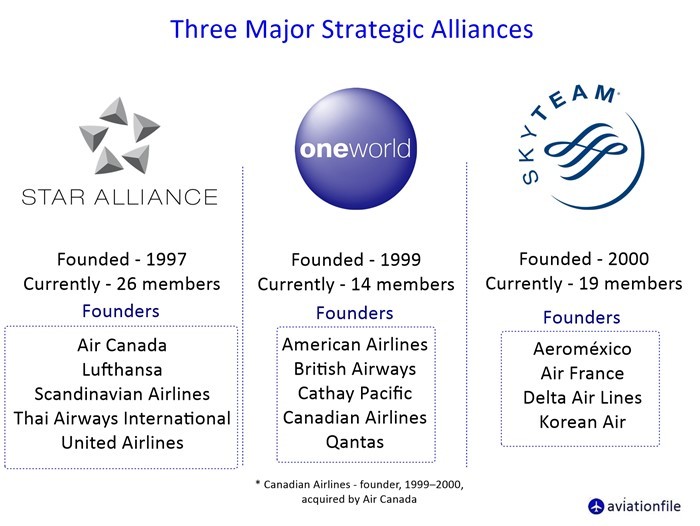
The oneworld alliance was launched on February 1, 1999, by American Airlines, British Airways, Cathay Pacific, Qantas, and Canadian Airlines (which later left the alliance). From its inception, the alliance was conceived as a premium network offering, aiming to provide a high level of seamless international travel and benefits to frequent flyers. Over the decades, oneworld has strategically expanded its membership to include other globally recognized brands like Japan Airlines, Qatar Airways, Finnair, Iberia, Malaysia Airlines, Royal Jordanian, S7 Airlines (currently suspended), SriLankan Airlines, and Royal Air Maroc. Most recently, Alaska Airlines joined in 2021, strengthening the alliance’s North American presence alongside American Airlines.
This carefully curated selection of member airlines reflects a strategic intent to maintain a high-quality brand perception, ensuring that partners uphold similar standards of service and customer experience. The oneworld brand itself is marketed as a symbol of connectivity, choice, and convenience, directly reinforcing the brand values of its individual members, including American Airlines. The alliance brand logo, with its distinctive globe motif, subtly communicates its global reach and unified experience, becoming an implicit endorsement for each member airline.
How oneworld Enhances the American Airlines Brand Promise
For American Airlines, oneworld is far more than a simple partnership; it’s an extension of its core brand promise:
- Global Reach and Accessibility: American Airlines, while a vast carrier, cannot fly to every corner of the world. Through oneworld, it effectively offers access to over 900 destinations in more than 170 territories. This allows American Airlines to market itself as a truly global carrier, leveraging the networks of partners like Qantas in Australia, Cathay Pacific in Asia, and British Airways in Europe, without the massive investment in new routes and infrastructure. This expanded network is a critical component of American’s appeal to multinational corporations and high-value leisure travelers.
- Seamless Customer Experience: The oneworld brand aims to deliver a consistent journey. This means that a customer starting their journey on an American Airlines flight can expect similar check-in processes, baggage handling, and even inflight service standards when transferring to a oneworld partner. This commitment to consistency across multiple brands strengthens the overall perception of reliability and quality associated with American Airlines.
- Enhanced Loyalty Programs: The reciprocal nature of the AAdvantage program with oneworld partners is a powerful loyalty tool. Customers can earn and redeem AAdvantage miles on any oneworld flight, and their elite status (e.g., Executive Platinum, Platinum Pro) is recognized across the alliance, granting them benefits like priority boarding, extra baggage allowance, and lounge access with all oneworld carriers. This seamless integration of loyalty programs significantly enhances the value proposition of the American Airlines brand, making it more attractive to frequent flyers.
- Premium Brand Association: By associating with other premium global carriers within oneworld, American Airlines reinforces its own position as a leading, full-service airline. The collective marketing efforts of oneworld, promoting its global network and elite travel benefits, indirectly elevate the brand perception of American Airlines in the minds of consumers. The premium lounges, coordinated airport services, and shared commitment to quality under the oneworld banner contribute to a stronger, more prestigious American Airlines brand image.
Competitive Landscape and Brand Differentiation Through Alliance Membership
The airline industry is characterized by intense competition, where brands constantly seek to differentiate themselves. Global alliances are a primary battleground for market share, customer loyalty, and ultimately, brand supremacy.
The “Big Three” Alliances and Their Brand Identities
The global airline landscape is largely dominated by three major alliances, each with its distinct brand identity and strategic focus:
- oneworld (American Airlines, British Airways, Cathay Pacific, Qantas, etc.): Often perceived as a premium alliance, focusing on a strong business travel segment and a high-quality global network. Its brand identity emphasizes seamless connections, elite benefits, and a curated selection of leading airlines in key markets.
- Star Alliance (United Airlines, Lufthansa, Air Canada, Singapore Airlines, etc.): The largest alliance by member count and destinations, Star Alliance positions itself as offering the broadest global network and extensive reach. Its brand message often centers on comprehensive connectivity and global convenience.
- SkyTeam (Delta Air Lines, Air France-KLM, Korean Air, Aeromexico, etc.): SkyTeam highlights its cohesive network and strong focus on customer care and efficiency. Its brand identity is built around a promise of smooth travel and collaborative customer service across its member airlines.
These alliance brands compete fiercely for passengers, and individual member airlines like American Airlines leverage their alliance affiliation as a critical point of differentiation. For a customer choosing between flying American Airlines or a competitor like United Airlines (Star Alliance) or Delta Air Lines (SkyTeam), the alliance network and reciprocal benefits often play a significant role in their decision-making process.
Leveraging Alliance Benefits for Customer Loyalty and Market Share
American Airlines strategically markets its oneworld affiliation to highlight the expanded benefits and reach available to its customers. This involves:
- Unified Marketing Campaigns: oneworld often runs global marketing campaigns that promote the collective strength and benefits of the alliance. American Airlines integrates these messages into its own marketing, reinforcing the idea that flying American is a gateway to a world of travel opportunities.
- Highlighting Reciprocal Benefits: American Airlines prominently features the ability to earn and redeem miles on oneworld partners, as well as the recognition of AAdvantage elite status across the alliance. These tangible benefits are powerful tools for attracting and retaining high-value frequent flyers who seek consistency and recognition wherever they fly.
- Enhanced Route Promotion: When American Airlines introduces a new route, it can immediately frame it within the broader oneworld network, emphasizing onward connections and reinforcing the global nature of its offering. This allows for more compelling storytelling around its brand.
- Airport Co-location and Branding: In major hubs, oneworld partners often share airport terminals, lounges, and check-in facilities, providing a physical manifestation of the alliance. This co-location streamlines transfers and provides a consistent brand environment, further enhancing the American Airlines customer journey.
The Future of Airline Alliances and Brand Evolution
The aviation industry is constantly evolving, driven by technological advancements, shifting consumer preferences, and global economic dynamics. The relevance and structure of airline alliances, and their impact on brands like American Airlines, must adapt accordingly.
Adapting to Changing Consumer Expectations and Industry Trends
As travelers increasingly prioritize personalization, digital integration, and sustainability, alliances must evolve their brand strategies. For American Airlines within oneworld, this means:
- Digital Integration: Ensuring seamless digital experiences across all oneworld partners, from booking and check-in to real-time flight information and customer service, is crucial. A unified digital interface or easily navigable partner platforms will be key to maintaining a coherent brand experience.
- Personalization: Leveraging shared customer data (with appropriate privacy safeguards) to offer more personalized services and offers across the alliance can significantly enhance the perceived value of the American Airlines brand.
- Sustainability Efforts: As environmental concerns grow, airlines and alliances are expected to demonstrate strong commitments to sustainability. oneworld has already launched initiatives like carbon offsetting programs and sustainable aviation fuel targets, which American Airlines can leverage to enhance its brand image as a responsible global carrier.
- Addressing Customer Pain Points: Consistently identifying and resolving common pain points across partner airlines—such as complex irregular operations recovery or inconsistent baggage policies—will be vital for maintaining brand trust and customer satisfaction.
The Enduring Power of Collaborative Branding
Despite occasional challenges and the rise of new partnership models (like joint ventures), the global airline alliance model remains a potent force in shaping the brand identity and market position of carriers like American Airlines. The oneworld alliance enables American Airlines to:
- Maintain Global Competitiveness: By pooling resources and networks, American Airlines can compete effectively against other mega-carriers and alliances, ensuring its brand remains relevant on the international stage.
- Foster Brand Loyalty: The extensive benefits and consistent experience offered through oneworld are powerful tools for cultivating deep customer loyalty, driving repeat business and positive word-of-mouth.
- Adapt and Innovate: Alliances provide a platform for collective innovation, allowing members to pilot new technologies, services, and branding initiatives more effectively than they might individually.
In essence, American Airlines’ membership in the oneworld alliance is not just an operational agreement; it is a foundational element of its brand strategy. It dictates how the airline is perceived globally, how it serves its most valuable customers, and how it differentiates itself in a fiercely competitive market. The oneworld brand enhances, extends, and fortifies the American Airlines brand, making it a truly global and interconnected entity in the skies.
aViewFromTheCave is a participant in the Amazon Services LLC Associates Program, an affiliate advertising program designed to provide a means for sites to earn advertising fees by advertising and linking to Amazon.com. Amazon, the Amazon logo, AmazonSupply, and the AmazonSupply logo are trademarks of Amazon.com, Inc. or its affiliates. As an Amazon Associate we earn affiliate commissions from qualifying purchases.