
Deconstructing the Financial Anatomy of a Trigger Point Injection
Understanding a trigger point injection (TPI) from a financial perspective means dissecting the various monetary components that constitute its overall cost. For both patients and healthcare providers, recognizing these elements is crucial for financial planning, budgeting, and effective clinic management. A TPI is not a single, fixed-price item but rather a service composite, each part contributing to the final invoice.
The Direct Cost Components
The most straightforward financial components of a TPI relate to the materials and professional services directly involved. Firstly, there are the medication costs. Trigger point injections typically involve an anesthetic, such as lidocaine or bupivacaine, sometimes combined with a corticosteroid. The cost of these pharmaceutical agents, while individually modest, aggregates across a clinic’s patient volume. Purchasing these in bulk can offer some economies of scale, impacting the final per-injection cost.

Secondly, disposable supplies represent another direct cost. This includes sterile needles, syringes, alcohol swabs, gloves, bandages, and other single-use items necessary to maintain aseptic technique and patient safety. These items, again, are low-cost individually but are essential for every procedure and thus contribute to the total.
Thirdly, the professional fee for the administering physician or qualified healthcare provider is a significant component. This fee reflects the practitioner’s expertise, time, and overhead associated with providing the service. It accounts for their specialized training in identifying trigger points, executing the injection safely, and patient consultation. This is often the largest single component of the total cost.
Hidden Fees and Administrative Overheads
Beyond the immediate, visible costs, a substantial portion of a TPI’s financial makeup is tied to less obvious “hidden” fees and the broader administrative overheads of running a medical practice. Facility fees, for instance, are common, especially if the procedure is performed in an outpatient clinic or hospital setting that charges for the use of its space and amenities. These fees cover rent, utilities, maintenance, and compliance with various health and safety regulations.
Administrative and operational overheads are pervasive. This encompasses the salaries of support staff—receptionists, medical assistants, billing specialists—who manage appointments, patient records, insurance verification, and billing. It also includes the cost of electronic health record (EHR) systems, practice management software, medical waste disposal, malpractice insurance, and ongoing professional development for staff. While not directly tied to a single injection, these costs are amortized across all services offered by a clinic, including TPIs, to ensure the practice’s financial viability. These operational costs are a fixed burden that must be covered by revenue generated from procedures like TPIs.
Navigating Insurance and Out-of-Pocket Expenses
For many patients, the financial implications of a trigger point injection are largely shaped by their health insurance coverage. Understanding how TPIs are coded, covered, and what the patient’s responsibilities entail is critical for financial planning and avoiding unexpected costs.
Understanding Coverage: CPT Codes and Medical Necessity
Health insurance companies rely on Current Procedural Terminology (CPT) codes to process claims for medical services. For trigger point injections, specific CPT codes are assigned based on the number of muscles or trigger points injected. For instance, code 20552 typically refers to 1 or 2 muscles, while 20553 refers to 3 or more muscles. The specific code used impacts the reimbursement rate and, consequently, the patient’s out-of-pocket share.
A crucial factor for coverage is medical necessity. Insurance providers require documentation demonstrating that the TPI is an appropriate and necessary treatment for the patient’s condition, often after conservative treatments like physical therapy, medication, or heat/ice have been attempted and failed. Without evidence of medical necessity, or if the procedure is deemed experimental or investigational for a particular condition, coverage may be denied, leaving the patient responsible for the full cost. Pre-authorization from the insurance company is often a prerequisite to ensure coverage and avoid financial surprises.
Deductibles, Co-pays, and Co-insurance: Budgeting for Treatment
Even with insurance coverage, patients are almost always responsible for a portion of the cost. This includes deductibles, which are the amounts patients must pay out-of-pocket before their insurance begins to cover costs. If a patient has not met their annual deductible, the entire cost of the TPI may fall to them until the deductible is satisfied.
Co-pays are fixed amounts patients pay for a covered health service after they’ve met their deductible. While TPIs might fall under a specialist co-pay, the amount can vary. Co-insurance is a percentage of the cost of a covered health service that the patient pays after they’ve met their deductible. For example, if a plan has an 80/20 co-insurance, the insurance pays 80% and the patient pays 20% of the allowed amount for the service.
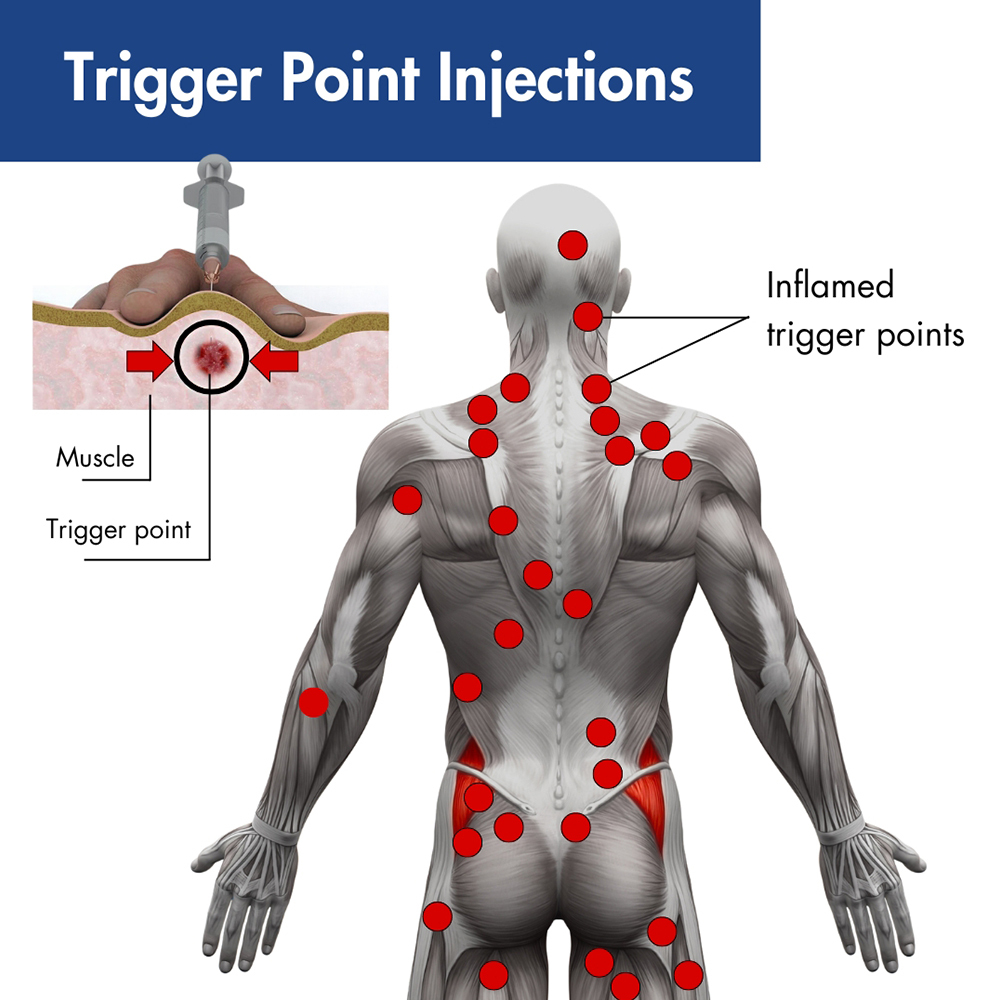
Budgeting for TPIs requires patients to understand their specific insurance plan’s terms regarding deductibles, co-pays, and co-insurance. Comparing these costs against the total expected charge for the procedure can help patients make informed financial decisions and anticipate their financial obligation. Some clinics may offer payment plans or financial assistance programs, which can be important considerations for patients facing significant out-of-pocket expenses.
The Economic Return on Investment for Pain Relief
While the immediate focus on TPIs is often clinical efficacy, evaluating these procedures through an economic lens reveals a significant potential return on investment (ROI), not just for the individual patient but also for broader economic systems. The financial benefits stem primarily from improved health outcomes leading to increased productivity and reduced long-term healthcare utilization.
Quantifying Productivity Gains and Reduced Healthcare Utilization
Chronic muscle pain, often managed with TPIs, can be a major drain on productivity. Individuals experiencing persistent pain may struggle with presenteeism (being at work but not fully productive) or absenteeism (missing work entirely). By effectively reducing pain and improving mobility, TPIs can lead to significant productivity gains. Patients are better able to perform their job duties, leading to fewer sick days, enhanced concentration, and improved overall work performance. For employers, this translates to reduced costs associated with lost workdays and increased output from their workforce. Quantifying these gains involves assessing factors like reduced sick leave, improved task completion rates, and the ability to return to work faster post-treatment.
Furthermore, effective pain management through TPIs can lead to reduced healthcare utilization in the long run. Chronic pain often necessitates a cascade of healthcare services, including repeated doctor visits, costly medications (some with significant side effects), physical therapy sessions, and in severe cases, even surgical consultations. By providing targeted and often rapid pain relief, TPIs can potentially break this cycle, reducing the need for more frequent or intensive interventions. The economic ROI here is measured by the avoidance of these subsequent, often more expensive, treatments and the associated healthcare costs, making TPIs a potentially cost-effective component of a comprehensive pain management strategy.
Long-Term Financial Planning for Chronic Pain Management
For individuals suffering from chronic pain, TPIs are often part of a broader, ongoing pain management strategy. This necessitates careful long-term financial planning. Patients need to consider not just the immediate cost of a single injection but the potential for multiple injections over time, alongside other therapies. A proactive financial approach involves:
- Assessing cumulative costs: Understanding that pain management can be an ongoing journey, patients should project the potential cumulative costs of TPIs and complementary treatments (e.g., physical therapy, medication) over several months or even years.
- Maximizing insurance benefits: Regularly reviewing and understanding their health insurance plan, including annual maximums, preferred provider networks, and pre-authorization requirements, can help patients optimize coverage and minimize out-of-pocket spending.
- Exploring payment options: Clinics may offer discounted packages for multiple injections or flexible payment plans. Investigating these options can ease the immediate financial burden.
- Considering health savings accounts (HSAs) or flexible spending accounts (FSAs): These tax-advantaged accounts allow individuals to save and pay for qualified medical expenses, including TPIs, with pre-tax dollars, offering a significant financial benefit.
By integrating TPIs into a well-thought-out financial plan for chronic pain, patients can manage their health effectively while mitigating unexpected financial strain, ultimately protecting their financial well-being alongside their physical health.
Business Strategy: The Trigger Point Injection in Practice Economics
For medical practices, offering trigger point injections is not merely about patient care; it’s a strategic business decision that influences revenue streams, operational efficiency, and market positioning. Understanding the financial dynamics of TPIs from a clinic’s perspective is essential for sustainable growth and profitability.
Pricing Models and Market Positioning
Medical practices must carefully consider their pricing models for trigger point injections. This involves balancing direct costs (medication, supplies), indirect overheads (staff salaries, facility costs, insurance), and desired profit margins, while also remaining competitive within the local healthcare market. Pricing too high might deter patients, especially those with high deductibles or limited insurance coverage, while pricing too low could undermine profitability.
Strategic pricing can also play a role in market positioning. A clinic might choose to offer TPIs at a premium, emphasizing specialized expertise, advanced techniques, or a luxurious patient experience. Conversely, a practice might adopt a more cost-effective approach, aiming for higher patient volume through competitive pricing, positioning itself as an accessible option for pain relief. Factors influencing pricing decisions include the clinic’s reputation, geographic location, target patient demographic, and the availability of alternative treatments in the area. Transparent pricing practices, particularly for self-pay patients, can also enhance trust and patient satisfaction, contributing to the clinic’s overall market standing.
Operational Efficiency and Revenue Generation
Optimizing the delivery of trigger point injections can significantly impact a clinic’s operational efficiency and revenue generation. Efficient scheduling, for example, ensures that rooms and practitioners are utilized effectively, minimizing downtime and maximizing the number of patients that can be served. Streamlined patient intake and discharge processes reduce administrative burden and improve patient flow.
Moreover, effective billing and coding practices are paramount for revenue generation. Incorrect CPT codes, insufficient documentation for medical necessity, or delayed claims submission can lead to claim denials, payment delays, and significant loss of revenue. Investing in skilled billing specialists or robust practice management software can mitigate these risks.
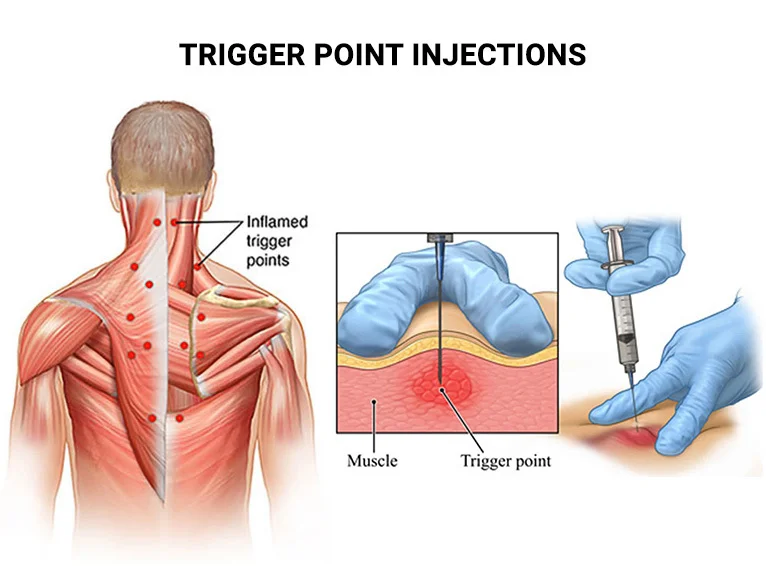
From a broader business perspective, TPIs can serve as a crucial revenue stream and a gateway service. For many practices, TPIs are a relatively quick procedure that can be performed efficiently, contributing steadily to daily revenue. Furthermore, they can act as an entry point for patients seeking relief from muscle pain, potentially leading to the identification of other conditions and the subsequent recommendation of additional, higher-value services offered by the practice, such as physical therapy, chiropractic care, or other interventional pain management techniques. Thus, understanding “what is in a trigger point injection” for a clinic goes beyond its clinical components to encompass its strategic financial role in practice growth and patient retention.
aViewFromTheCave is a participant in the Amazon Services LLC Associates Program, an affiliate advertising program designed to provide a means for sites to earn advertising fees by advertising and linking to Amazon.com. Amazon, the Amazon logo, AmazonSupply, and the AmazonSupply logo are trademarks of Amazon.com, Inc. or its affiliates. As an Amazon Associate we earn affiliate commissions from qualifying purchases.