
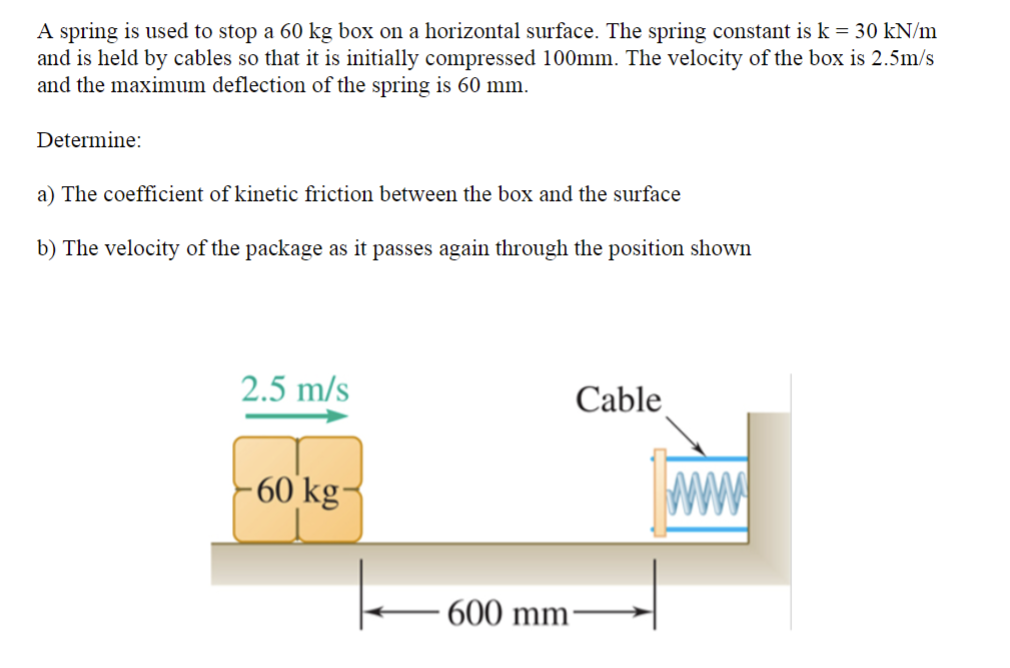
A maximum stop spring is a specialized mechanical component designed to provide resistance and, critically, to precisely limit the travel or motion of a moving part within a system. Unlike conventional springs whose primary function might be energy storage or vibration dampening, a maximum stop spring integrates an engineered physical stop that prevents further compression or extension beyond a predetermined limit. This design ensures that the moving component it acts upon never exceeds a safe or intended operational boundary, thereby protecting the system from damage, ensuring precise positioning, or maintaining optimal functionality.
At its core, a maximum stop spring operates on the fundamental principles of elastic deformation, but with an added layer of constraint. When force is applied, the spring compresses or extends as expected, absorbing energy. However, once the internal or external stop feature engages, the spring effectively becomes a rigid link, transferring the load directly to the stop structure rather than further deforming. This characteristic is invaluable in applications where over-travel can lead to system failure, misalignment, or compromised performance, making it a critical element in precision engineering and reliable technological devices.

The Engineering Behind Controlled Limitation
The design and function of a maximum stop spring are rooted in sophisticated mechanical engineering principles, focusing on precise force-displacement relationships and robust structural integrity. The “stop” mechanism is not an afterthought but an integral part of the spring’s geometry and material science, crafted to withstand the forces encountered at the limit of travel without permanent deformation or failure.
Integrated Stop Mechanisms
The defining feature of a maximum stop spring is its integrated stop. This can manifest in several ways:
- Internal Coil Contact: In some compression springs, the design features a progressive winding where coils begin to touch each other as the spring approaches its maximum intended compression. Once all active coils are fully “stacked,” the spring becomes solid, and no further compression is possible. This is often an inherent characteristic of close-wound or conical springs.
- External Sleeve or Guide: For applications requiring a more defined or adjustable stop, the spring might be housed within a sleeve or guide tube. The moving part, often guided by this same sleeve, contacts a pre-set internal flange or a bolt that limits its travel, with the spring compressing up to this point. Here, the spring provides the resistance, and the external structure provides the hard stop.
- Dedicated Stop Features: Advanced designs might incorporate specific geometric features directly into the spring’s end coils or a custom-shaped spring body that mates with a corresponding feature on the assembly when the limit is reached. These bespoke solutions are common in high-precision or specialized technological applications.
- Progressive Rate Springs with Built-in Stops: Some maximum stop springs are designed with a variable pitch or wire diameter to create a progressive spring rate. This means the spring gets stiffer as it compresses, providing a softer initial engagement and then firming up significantly before hitting the hard stop, offering a smoother transition to the travel limit.
The selection of a specific stop mechanism depends heavily on the application’s requirements for precision, load capacity, space constraints, and environmental factors. Engineers must carefully calculate the spring rate, maximum deflection, and the load at which the stop engages to ensure the system operates reliably within its defined parameters.
Material Science and Durability
The performance and longevity of a maximum stop spring are critically dependent on the materials used in its construction. These springs are subjected to repeated stress cycles, and the stop feature itself must endure high localized loads without yielding.
- High-Carbon Spring Steels: Materials like music wire, hard-drawn, or oil-tempered spring steels (e.g., AISI 1070-1090) are common due to their excellent tensile strength and fatigue resistance. These materials can withstand significant deformation and return to their original shape repeatedly.
- Stainless Steels: For applications requiring corrosion resistance, such as those in harsh environments or medical devices, stainless steels (e.g., 302, 316) are preferred. While offering good strength, their fatigue properties might be slightly lower than high-carbon steels.
- Exotic Alloys: In extreme conditions like high temperatures, cryogenic environments, or highly corrosive settings (e.g., aerospace, chemical processing), alloys like Inconel, Monel, or titanium alloys are employed. These materials provide superior performance in specialized technological contexts but come with higher costs.
Beyond the base material, surface treatments (e.g., shot peening for improved fatigue life, plating for corrosion resistance) and manufacturing processes (e.g., precise coiling, heat treatment for stress relief) are vital to achieving the desired mechanical properties and ensuring the spring can consistently perform its dual role of resistance and definitive stopping.
Critical Applications Across Technology
Maximum stop springs are indispensable components in a vast array of technological systems where controlled motion and system protection are paramount. Their ability to provide a precise boundary for movement makes them crucial for device longevity, user safety, and operational accuracy.
Precision Instrumentation and Robotics
In the realm of precision instrumentation, such as scientific measurement devices, optical systems, and laboratory equipment, maximum stop springs ensure that delicate moving parts do not over-travel and cause misalignment or damage. For example, in automated microscope stages or robotic arms, these springs can act as safety stops, preventing actuators from exceeding their programmed travel limits and potentially colliding with other components or damaging specimens. This application directly contributes to the repeatability and reliability of sensitive technological operations.
Automotive and Aerospace Systems
Within automotive technology, maximum stop springs are found in various subsystems. They might be used in suspension systems to prevent bottoming out, protecting shock absorbers and other components from excessive compression. In more precise applications, they can control the travel of valves, levers, or sensor mechanisms, ensuring components operate within their specified range to maintain vehicle performance and safety. Similarly, in aerospace, they play a critical role in control surfaces, landing gear mechanisms, and interior components, where preventing over-travel is vital for safety and operational integrity, often under demanding environmental conditions.
Consumer Electronics and Gadgets
Even in everyday consumer electronics and intricate gadgets, maximum stop springs contribute to functionality and durability. They can be integrated into retractable mechanisms (e.g., pop-up cameras in smartphones, spring-loaded card readers), ensuring the mechanism extends or retracts to a precise point without damaging internal wiring or components. In input devices like joysticks or trigger buttons, these springs might define the maximum physical depression, providing tactile feedback while preventing the button from being pushed too far and breaking. Their presence often goes unnoticed but is essential for the smooth and reliable operation of these devices.
Industrial Machinery and Automation
In industrial settings, maximum stop springs are fundamental to the robust operation of automated machinery. They can be found in jigs, fixtures, clamping mechanisms, and linear actuators, guaranteeing that parts are positioned accurately or that moving components do not exceed their operational envelopes. This prevents machine damage, reduces downtime, and ensures consistent product quality in manufacturing processes. Their reliability under heavy loads and repeated cycles is critical for the efficiency and safety of factory automation.
Design Considerations and Future Outlook
Designing a maximum stop spring involves a comprehensive understanding of the entire system in which it will function. Key design considerations extend beyond just the spring’s mechanical properties to include environmental factors, expected lifespan, and integration challenges.
- Load and Deflection: Accurately determining the maximum load the spring will experience and its corresponding deflection before the stop engages is paramount. This directly influences wire diameter, coil count, and material selection.
- Fatigue Life: Given their role in preventing damage, maximum stop springs must exhibit excellent fatigue resistance, enduring millions of cycles without material degradation or loss of spring force.
- Environmental Factors: Temperature extremes, corrosive agents, and vibrations can significantly impact spring performance. Material selection and protective coatings must account for these conditions.
- Space Constraints: Often, these springs must operate within very limited physical spaces, necessitating compact and innovative designs.
- Cost-Effectiveness: Balancing performance requirements with manufacturing costs is always a consideration, though the value of preventing system failure often justifies higher-quality components.
Looking ahead, advancements in material science, additive manufacturing (3D printing), and computational design tools are continually pushing the boundaries of what is possible with maximum stop springs. New alloys with enhanced strength-to-weight ratios and fatigue properties, alongside the ability to 3D print complex geometries, allow for custom spring designs with integrated stop features that were previously impossible or cost-prohibitive. Furthermore, the integration of smart materials could lead to adaptive stop springs that can dynamically adjust their stopping characteristics based on real-time system feedback, further enhancing precision and adaptability in future technological systems. As technology evolves, the humble yet critical maximum stop spring will undoubtedly continue to be refined and play a vital role in ensuring the reliable and safe operation of an ever-increasing array of advanced devices.
aViewFromTheCave is a participant in the Amazon Services LLC Associates Program, an affiliate advertising program designed to provide a means for sites to earn advertising fees by advertising and linking to Amazon.com. Amazon, the Amazon logo, AmazonSupply, and the AmazonSupply logo are trademarks of Amazon.com, Inc. or its affiliates. As an Amazon Associate we earn affiliate commissions from qualifying purchases.