
In the dynamic landscape of consumer goods, even seemingly simple products like the body pillow carry a complex tapestry of brand strategy, design innovation, and targeted marketing. Far from being a mere oversized cushion, the modern body pillow is a meticulously crafted solution, each iteration designed by brands to fulfill distinct consumer needs and position themselves uniquely in the market. Understanding “what a body pillow is used for” thus becomes an exercise in deconstructing how brands identify, address, and communicate these diverse utilities through strategic branding and product development.
The Strategic Positioning of Body Pillows: Addressing Diverse Consumer Needs
Brands don’t just sell body pillows; they sell solutions to specific problems or enhancements to desired lifestyles. The core function of a body pillow is multifaceted, ranging from therapeutic support to general comfort, and each brand carves its niche by emphasizing particular aspects of its utility.
Ergonomic Support as a Core Brand Promise
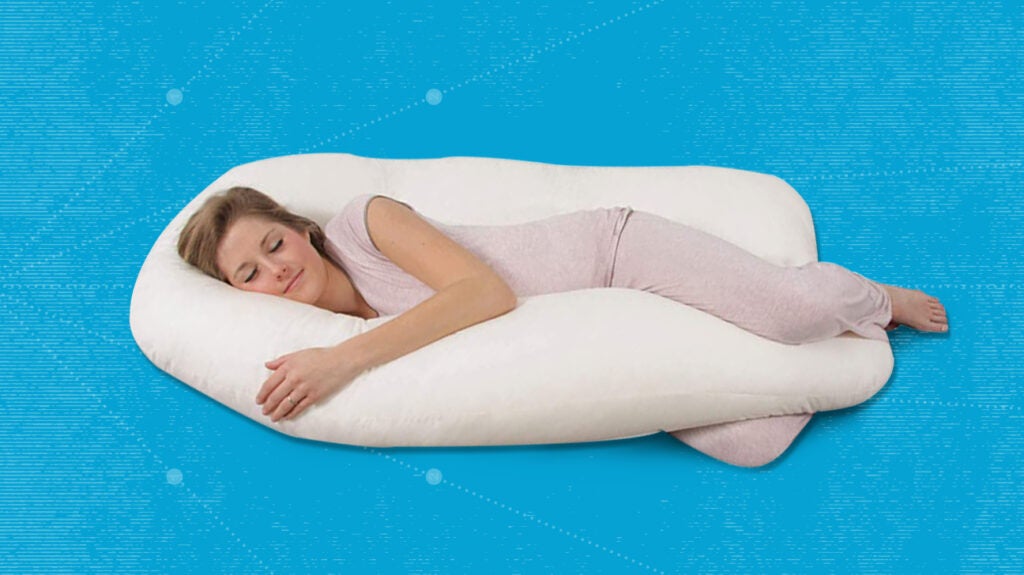
Many leading body pillow brands center their identity around ergonomic benefits, positioning their products as essential tools for physical well-being. This segment primarily targets individuals experiencing discomfort related to sleep posture, pregnancy, or chronic pain. Brands in this space heavily invest in research and development to engineer pillows that offer optimal spinal alignment, alleviate pressure on joints, and provide critical support for the hips, back, and neck. For instance, pregnant women often struggle with finding a comfortable sleeping position; brands design C- or U-shaped pillows specifically for this demographic, marketing their ability to support the growing belly, ease back pain, and improve circulation. Similarly, side sleepers, who often experience shoulder or hip discomfort, are targeted with pillows designed to fill the gap between the head and feet, preventing spinal twisting. The brand promise here is rooted in tangible health outcomes: reduced pain, improved posture, and ultimately, better sleep quality. Their marketing emphasizes testimonials, medical endorsements, and detailed explanations of how the pillow’s design facilitates proper body mechanics.
Lifestyle and Comfort: Marketing the Everyday Experience
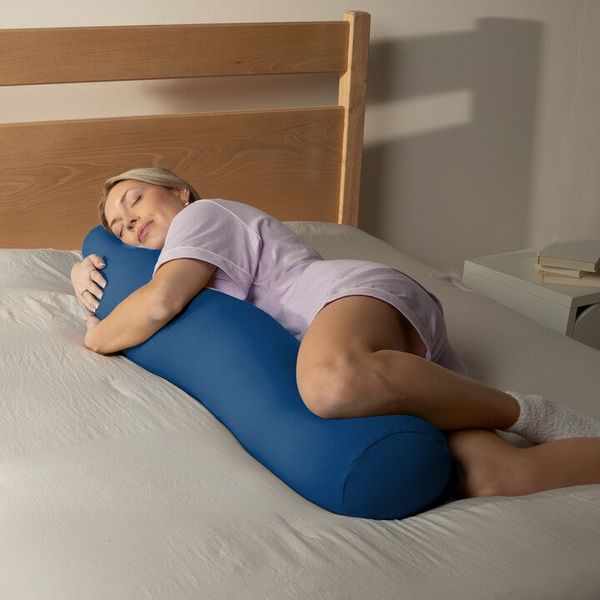
Beyond purely therapeutic applications, a significant portion of the body pillow market is driven by brands focused on general comfort, relaxation, and lifestyle enhancement. These brands appeal to consumers seeking an elevated comfort experience, whether for sleeping, lounging, reading, or even as a comforting presence. Their marketing often pivots away from clinical terms, instead employing language that evokes warmth, coziness, and tranquility. They position body pillows as an indulgence, a tool for stress reduction, or a luxurious addition to a personal sanctuary. For example, brands might highlight how their pillow provides a comforting embrace, makes reading in bed more enjoyable, or serves as a soft barrier in co-sleeping arrangements. The visual branding often features serene bedroom settings, happy families, or individuals enjoying leisurely activities, emphasizing the emotional benefits and the “experience” of comfort rather than just the physical support. This approach broadens the appeal of body pillows beyond specific ailments, making them desirable to a wider demographic seeking everyday luxury and improved quality of life.
Design and Material Innovation: Crafting Brand Identity Through Utility
The physical attributes of a body pillow—its shape, size, and material—are not arbitrary; they are critical design choices that brands make to deliver on their promise of utility and define their unique identity in the market. These innovations are central to how a body pillow fulfills its intended purpose.
Material Choices and Brand Value Proposition
The internal composition of a body pillow is a primary determinant of its feel, support level, and overall brand value. Brands strategically select materials to align with their specific market positioning. For instance:
- Memory Foam: Brands utilizing memory foam often position themselves as providers of superior contouring support, ideal for therapeutic uses and pressure relief. They emphasize the foam’s ability to mold to the body, offering personalized comfort.
- Shredded Foam: Offers a customizable firmness, allowing users to adjust the fill. Brands leveraging shredded foam often market flexibility and adaptability, appealing to consumers who desire a personalized sleep experience.
- Microbeads: Known for their conforming yet lightweight properties, microbead pillows are often branded for their soft, malleable feel and ability to conform closely to the body, often seen in more niche comfort or travel-oriented pillows.
- Natural Fills (e.g., buckwheat, kapok): Brands using these materials often target eco-conscious consumers, emphasizing sustainability, breathability, and hypoallergenic properties. Their value proposition extends beyond comfort to environmental responsibility and natural wellness.
Each material choice directly impacts the pillow’s performance and allows brands to communicate a distinct set of benefits, forming a crucial part of their product differentiation and brand promise.
Form Factor as a Differentiator: U, C, J, and Straight Designs
The external shape of a body pillow is arguably its most recognizable design feature and a powerful tool for brand differentiation. Each form factor is engineered for specific use cases:
- U-Shaped Pillows: Often marketed as full-body support systems, ideal for pregnant individuals or those seeking all-encompassing comfort, providing support for the head, back, and between the knees. Brands using this shape emphasize comprehensive support and stability.
- C-Shaped Pillows: Similar to U-shapes but offering more flexibility, these are often branded for pregnancy, side sleeping, and multi-purpose lounging. Their design allows for greater adjustability and targeted support.
- J-Shaped Pillows: A more compact alternative, often positioned for individuals needing targeted head and neck support combined with some body cushioning, without the bulk of larger pillows. Brands highlight their space-saving and versatile nature.
- Straight Body Pillows: The simplest form, these are often marketed for general leg support, spinal alignment for side sleepers, or as a comforting “snuggle” pillow. Brands focus on their simplicity, versatility, and ease of integration into existing bedding.
By specializing in or offering a range of these shapes, brands effectively segment the market and communicate specific solutions to distinct user needs, making the form factor a critical component of their branding strategy.
Cover Fabrics and Brand Aesthetics
The choice of outer fabric for a body pillow contributes significantly to its perceived luxury, functionality, and overall brand aesthetic. Brands select fabrics not just for comfort but for their specific properties and the message they convey:
- Cooling Fabrics (e.g., bamboo, specialized synthetics): Brands targeting hot sleepers or those in warmer climates emphasize these fabrics’ breathability and moisture-wicking properties, promising a cooler, more comfortable sleep.
- Soft Cottons and Velvets: Used by brands focusing on a luxurious or cozy feel, these fabrics contribute to the pillow’s inviting texture and overall sensory experience, aligning with a premium comfort brand image.
- Hypoallergenic Fabrics: Brands catering to individuals with allergies highlight these materials, reinforcing a focus on health and sensitive skin.
The fabric choice is thus an integral part of the brand’s commitment to quality, comfort, and addressing specific consumer preferences, enhancing the overall utility and appeal of the body pillow.
Marketing Narratives: Communicating the “Why” Behind the Body Pillow
Even with superior design and materials, a body pillow’s utility must be effectively communicated to the target audience. Brands employ sophisticated marketing narratives to articulate the “why” behind their product, translating features into benefits and connecting with consumers on an emotional level.
Targeting Specific Demographics and Pain Points
Effective marketing involves pinpointing specific groups that would benefit most from a body pillow and tailoring messages directly to their needs. Brands create campaigns that directly address the “pain points” of their target demographics:
- Pregnant Women: Marketing focuses on relief from common pregnancy discomforts like back pain, hip pressure, and difficulty sleeping. Visuals often depict expectant mothers looking serene and well-rested.
- Side Sleepers: Campaigns highlight how the pillow supports proper spinal alignment, reduces shoulder and hip strain, and improves overall sleep quality for this specific posture.
- Individuals with Chronic Pain: Brands emphasize therapeutic benefits, citing how their pillows can alleviate symptoms associated with fibromyalgia, arthritis, or post-surgery recovery.
- General Comfort Seekers: For this broader audience, messaging centers on relaxation, stress reduction, and enhancing daily comfort during activities like reading or watching TV.
By precisely identifying and speaking to these distinct groups, brands ensure their message resonates and clearly communicates the body pillow’s specific utility.
Storytelling and Emotional Connection
Beyond functional benefits, successful body pillow brands weave compelling narratives that forge an emotional connection with their audience. They don’t just sell a product; they sell a promise of a better life. This might involve:
- Transformative Sleep Experiences: Brands tell stories of individuals whose lives were positively impacted by finally achieving restful sleep thanks to their body pillow.
- Creating a Sanctuary: Marketing often portrays the body pillow as an integral part of creating a peaceful, comfortable personal space, emphasizing emotional well-being and self-care.
- A Partner in Health: For therapeutic pillows, the narrative positions the pillow as a supportive ally in managing discomfort and promoting overall health.
These stories humanize the brand and allow consumers to envision how the body pillow will integrate into and improve their personal lives, making the abstract concept of “comfort” tangible and desirable.
Influencer Marketing and User-Generated Content
In the digital age, brands increasingly leverage real-world use cases through influencer marketing and user-generated content (UGC). Collaborating with lifestyle, health, or parenting influencers allows brands to showcase their body pillows in authentic, relatable settings. Influencers demonstrate various uses—from supporting a growing belly to providing a comfortable reading nook—providing visual proof of the pillow’s versatility and efficacy. Similarly, encouraging customers to share their own experiences and photos (UGC) builds social proof and credibility. These real testimonials and demonstrations reinforce the brand’s claims and highlight unexpected or innovative ways consumers use their body pillows, further expanding the perceived utility and appeal of the product.
Brand Expansion and Specialization: Diversifying the Body Pillow Market
The body pillow market is a testament to how brands continuously evolve, specializing in niches and expanding their offerings to meet ever-changing consumer demands and competitive pressures.
From Niche Medical Aid to Mainstream Wellness Product
Historically, body pillows might have been seen as a niche item, perhaps primarily for medical recovery or specific orthopedic needs. However, astute brands recognized the broader appeal of extended comfort and support. Through strategic marketing and product diversification, they successfully transitioned the body pillow into a mainstream wellness product. This involved rebranding, making designs more aesthetically pleasing, and broadening marketing messages to appeal to anyone seeking improved sleep, relaxation, or enhanced daily comfort. Brands that successfully made this transition now offer a wide range of body pillows, from highly specialized therapeutic models to fashionable, lifestyle-oriented options, catering to a vast spectrum of consumer preferences.
The Competitive Landscape: Differentiating Through Unique Uses
The growth of the body pillow market has naturally led to increased competition. To stand out, new and established brands constantly seek to differentiate themselves by identifying and catering to unique, often underserved, uses. This might involve:
- Specialized Therapeutic Benefits: Developing pillows specifically for conditions like restless leg syndrome, acid reflux, or post-operative recovery, backed by scientific claims and expert endorsements.
- Pet-Friendly Integration: Some brands design body pillows that can be shared with pets, appealing to pet owners who enjoy co-sleeping or lounging with their animals.
- Travel-Specific Designs: Creating more compact, portable body pillows that offer comfort on long journeys, appealing to frequent travelers.
- Smart Features: Though still emerging, some brands explore integrating technology (e.g., cooling gels, aromatherapy pockets) to enhance functionality and create a “smart comfort” niche.
By carving out these specialized niches, brands can capture specific market segments and build strong identities around their unique offerings, answering the “what is it used for” question with innovative and targeted solutions.

Brand Loyalty Through Consistent Performance and Adaptability
Ultimately, sustaining a brand in the body pillow market hinges on consistent delivery of the promised utility and the ability to adapt to evolving consumer needs. Brands that build a reputation for quality, durability, and effective problem-solving cultivate strong brand loyalty. This involves not only manufacturing a superior product but also actively listening to customer feedback, iterating on designs, and remaining agile in a competitive landscape. A brand that consistently delivers on its promise—whether it’s unparalleled ergonomic support, luxurious comfort, or a unique blend of both—secures its place in the market by ensuring that consumers always know “what its body pillow is used for” and trust it to perform that function exceptionally well.
aViewFromTheCave is a participant in the Amazon Services LLC Associates Program, an affiliate advertising program designed to provide a means for sites to earn advertising fees by advertising and linking to Amazon.com. Amazon, the Amazon logo, AmazonSupply, and the AmazonSupply logo are trademarks of Amazon.com, Inc. or its affiliates. As an Amazon Associate we earn affiliate commissions from qualifying purchases.