
In the intricate landscape of personal finance, managing credit cards is a fundamental skill. While opening a new credit card often signifies financial aspiration or convenience, the decision to close one can be equally significant, often driven by evolving financial goals, a desire to simplify, or a strategic move towards better financial health. Closing a credit card, especially one from a major institution like Citibank, requires a thoughtful approach to avoid unintended consequences, particularly concerning your credit score.
This guide provides a professional, insightful, and engaging walkthrough of how to close your Citibank credit card responsibly and efficiently. We’ll delve into the crucial considerations before you initiate the process, the step-by-step procedures, and what to anticipate once your account is officially shut down. By arming yourself with this knowledge, you can navigate the closure process with confidence, ensuring it aligns perfectly with your broader financial objectives.

I. Understanding the Decision: Why Close a Credit Card?
Before you pick up the phone or draft a letter, it’s essential to critically assess your reasons for wanting to close your Citibank credit card. This foundational step helps ensure that your decision is well-informed and strategically sound, rather than impulsive. The motivations for closing a credit card are diverse, ranging from practical financial management to a shift in personal spending habits.
A. Shifting Financial Goals and Priorities
Life stages and financial aspirations change. Perhaps you’ve transitioned from accumulating rewards to focusing on debt reduction, or you’re preparing for a major financial event like buying a home, which necessitates a leaner credit profile. Closing a card that no longer serves your current financial objectives can be a proactive step towards achieving new goals. For instance, if you’ve paid off significant debt and are now prioritizing investments, an idle credit card with an annual fee might be seen as an unnecessary drain.
B. Managing Unused Accounts and Fees
Many individuals find themselves with multiple credit cards, some of which are rarely, if ever, used. An unused card, particularly one with an annual fee, can become an avoidable expense. Even cards without an annual fee might present a security risk if left unmonitored or could contribute to an unnecessarily high total credit limit, which some financial advisors recommend against for spending control. Systematically closing dormant accounts can simplify your financial life, reduce the administrative burden of tracking multiple statements, and mitigate potential fraud risks associated with forgotten cards.
C. Consolidating Debt and Simplifying Finances
For those actively working to reduce and consolidate debt, closing a credit card, especially one with a high-interest rate, can be a psychological and practical boost. It removes the temptation to incur new debt on that specific card and helps streamline your financial focus. When consolidating balances onto a lower-interest personal loan or a balance transfer card, closing the originating high-interest card can be a crucial part of the strategy to prevent revolving back into old spending patterns.
D. Dissatisfaction with Card Benefits or Terms
The credit card market is dynamic, with new offers and improved benefits emerging regularly. You might find that your current Citibank card no longer offers competitive rewards, its interest rate has become unappealing, or its associated perks are no longer relevant to your lifestyle. In such cases, closing the card to transition to a more beneficial product, either from Citibank or another issuer, is a valid and often advantageous decision. This is especially true if you find a card that offers superior cash back, travel points, or introductory APRs that better suit your current needs.
II. Pre-Closure Checklist: Essential Steps Before You Act
Once you’ve solidified your reasons for closing your Citibank credit card, there are several critical preparatory steps you must take. Overlooking these could lead to unexpected financial setbacks, negatively impact your credit score, or cause unnecessary complications. This checklist ensures a smooth transition and protects your financial well-being.
A. Reviewing Your Credit Report and Score Implications
Closing a credit card can, under certain circumstances, affect your credit score. Two primary factors are at play:
- Credit Utilization Ratio: This is the amount of credit you’re using compared to your total available credit. Closing a card reduces your total available credit, which can increase your utilization ratio if you carry balances on other cards, potentially lowering your score.
- Age of Credit History: Older accounts contribute positively to your credit history length. Closing your oldest Citibank card could shorten your average credit age, which might also negatively impact your score.
Before closing, obtain a free copy of your credit report from AnnualCreditReport.com and review your current credit utilization across all cards. Consider the age of the Citibank card you wish to close relative to your other accounts.
B. Redeeming Rewards and Cash Back
Citibank credit cards often come with valuable rewards programs, whether it’s ThankYou Points, cash back, or specific airline/hotel miles. Before you close your account, ensure you’ve redeemed all accumulated rewards. Many programs state that any unredeemed points or cash back are forfeited upon account closure. Check your statement or log into your online account to verify your balance and explore redemption options, which could include statement credits, gift cards, travel, or merchandise. Don’t let valuable rewards go to waste.
C. Settling Outstanding Balances and Recurring Payments
It is imperative that you pay off your entire outstanding balance before attempting to close the account. Citibank, like other issuers, will generally not close an account with a remaining balance. Furthermore, identify any automatic payments or subscriptions linked to this credit card (e.g., streaming services, gym memberships, utility bills, insurance premiums). You must update these with a new payment method before closing the card to avoid service interruptions, late fees, or missed payments that could impact your credit. Create a comprehensive list of all linked services to ensure nothing is overlooked.
D. Exploring Alternatives: Downgrading vs. Closing
Sometimes, outright closure isn’t the only, or even the best, option. Consider whether downgrading your Citibank card to a no-annual-fee version or a different product better suits your needs. Downgrading allows you to keep the credit line and the age of the account intact, thus preserving your credit history and potentially avoiding a negative impact on your credit score, especially your credit utilization ratio. Contact Citibank to inquire about eligible product changes that might be more beneficial than outright closure. This is particularly relevant for cards with high annual fees that you no longer find valuable.
III. The Step-by-Step Process: How to Officially Close Your Citibank Account
Once you’ve completed your preparatory steps, you’re ready to initiate the official closure process. Citibank provides a few avenues for this, with the most common and often recommended method being a direct phone call. Regardless of the method, clear communication and documentation are key.
A. Choosing Your Communication Method: Phone, Mail, or Branch
Citibank offers multiple channels for account closure, each with its own advantages.
1. Calling Citibank Customer Service

This is generally the most efficient and recommended method. You can speak directly with a representative who can guide you through the process, confirm your outstanding balance, process any final payments, and officially initiate the closure.
- Find the Number: Locate the customer service number on the back of your credit card, on your monthly statement, or on Citibank’s official website.
- Be Prepared: Have your account number, personal identification information, and any questions ready.
- State Your Intention Clearly: Inform the representative that you wish to close your credit card account. Be prepared for them to ask about your reasons and potentially offer incentives to keep the account open (e.g., fee waivers, balance transfer offers). Politely reiterate your decision if you’re firm.
- Request Confirmation: Ask for immediate confirmation that the account closure process has begun. Obtain a reference number for the call, the date and time of the call, and the name of the representative you spoke with.
2. Sending a Written Request
While less immediate, sending a written request, preferably by certified mail with a return receipt requested, provides a documented paper trail. This method is useful if you want an irrefutable record of your request.
- Draft a Formal Letter: Clearly state your intention to close the account, include your full name, account number, and contact information.
- Mail to the Correct Address: Send it to the customer service or card services address listed on your statement or Citibank’s website.
- Keep a Copy: Retain a copy of the letter and the certified mail receipt for your records.
3. Visiting a Local Citibank Branch
If you prefer an in-person interaction, you can visit a Citibank branch. A customer service representative at the branch can assist you with the closure process.
- Bring Identification: Ensure you have a valid government-issued ID and your credit card with you.
- Request Documentation: Ask for written confirmation of your request at the branch.
B. Essential Information to Have Ready
Regardless of the communication method, ensure you have the following readily available:
- Your full legal name as it appears on the card.
- Your complete credit card account number.
- Your social security number (for verification purposes).
- Your date of birth.
- Your current address and phone number.
- Confirmation that your balance is zero or the exact amount you wish to pay to bring it to zero.
C. Navigating the Conversation with Customer Service
When speaking with a representative, be polite but firm. They are trained to retain customers, so expect questions about your reasons for closing and potential offers to keep the card open. While these offers might be enticing (e.g., waived annual fees, bonus points, better APRs), if you are resolute in your decision, respectfully decline and reiterate your request to close the account. Remember, you are in control of your financial decisions.
IV. Post-Closure Protocol: What to Expect Next
The closure process doesn’t end with the phone call or letter. There are crucial follow-up steps to ensure the account is indeed closed and that your credit profile reflects this accurately. Vigilance during this period is essential for maintaining financial integrity.
A. Receiving Your Final Statement and Confirmation
After your request, you should receive a final statement from Citibank. This statement will typically show a zero balance (assuming you paid it off) and indicate that the account is closed. Crucially, you should also receive a separate, formal confirmation letter stating that your account has been closed at your request. This letter is your official proof of closure and should be retained for your records. If you don’t receive it within a reasonable timeframe (e.g., 2-4 weeks), follow up with Citibank.
B. Monitoring Your Credit Report
Within 1-2 billing cycles after closure, check your credit report from all three major credit bureaus (Equifax, Experian, TransUnion) to ensure the Citibank account is accurately reported as “closed by grantor” or “closed by consumer” with a zero balance. This is a critical step. If the account still shows as open or has an incorrect balance, contact Citibank immediately to rectify the error. Discrepancies on your credit report can impact future credit applications.
C. Securely Disposing of Your Card
Once you’ve confirmed the account closure and zero balance, and received your written confirmation, it’s time to physically dispose of the credit card. This should be done securely to prevent any fraudulent use. Cut the card into multiple pieces, ensuring the chip, magnetic stripe, and account number are thoroughly destroyed. Some shredders have a dedicated slot for credit cards, offering an extra layer of security.
V. Strategic Considerations for Responsible Card Closure
Closing a credit card isn’t merely a transactional event; it’s a strategic move within your broader financial plan. Understanding its potential ramifications and taking proactive measures can mitigate any negative impacts and even enhance your financial health.
A. The Impact on Your Credit Utilization Ratio
As discussed, closing a credit card reduces your total available credit. If you carry balances on other cards, this action will automatically increase your credit utilization ratio, potentially lowering your credit score. To mitigate this, consider paying down balances on other cards before closing the Citibank card. Aim to keep your overall credit utilization below 30%, or ideally, below 10%. If you have no other credit cards, or your total available credit is substantial even without the Citibank card, the impact might be minimal.
B. Age of Credit History: Older Cards Matter
The length of your credit history is a significant factor in your credit score. Closing an older Citibank card means that account will eventually fall off your credit report, which could shorten your average credit age. If the Citibank card is one of your oldest accounts, weigh this factor carefully. Sometimes, keeping an old, unused, no-annual-fee card open (and simply making a small purchase once a year to keep it active) is a better strategy for credit score longevity than outright closure. This is why exploring alternatives like downgrading is often recommended.
C. Maintaining a Healthy Credit Mix
While credit mix (revolving credit like credit cards vs. installment loans like mortgages or car loans) is a less influential factor than payment history or utilization, it still plays a role. If closing your Citibank card significantly alters your credit mix, ensure you still have a diverse range of credit products that you manage responsibly. For most individuals, closing one credit card out of several won’t drastically affect their credit mix, but it’s worth a fleeting consideration.
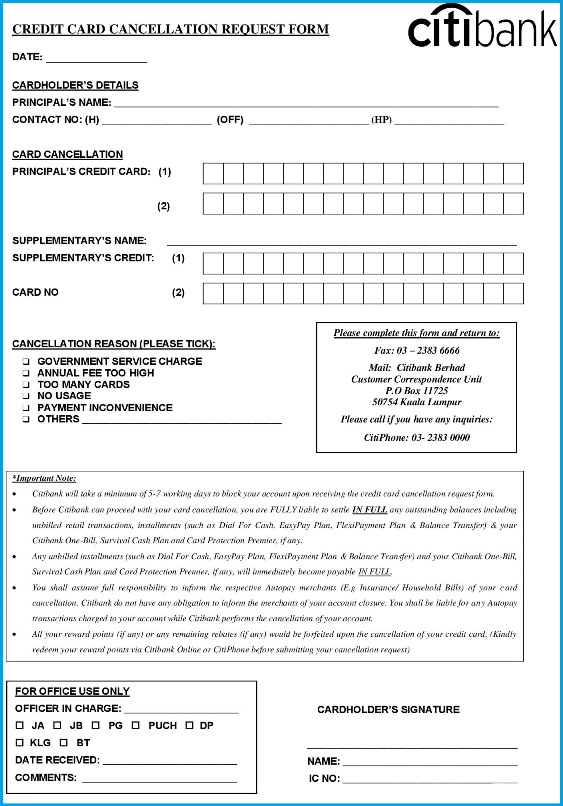
D. Documenting the Closure Process
Throughout this entire process, maintain a meticulous record. Keep notes of all phone calls (date, time, representative’s name, reference number), copies of any correspondence (letters sent and received), and dates when you checked your credit report. This documentation serves as your proof and leverage should any issues or discrepancies arise in the future regarding the account closure or its reporting on your credit file.
Closing a Citibank credit card is a straightforward process when approached with diligence and awareness. By understanding your motivations, completing the necessary pre-closure steps, following the correct procedures for closure, and carefully monitoring post-closure activities, you can ensure a smooth transition that aligns with your financial objectives. This responsible approach to managing your credit will reinforce your financial prudence and contribute positively to your long-term financial health.
aViewFromTheCave is a participant in the Amazon Services LLC Associates Program, an affiliate advertising program designed to provide a means for sites to earn advertising fees by advertising and linking to Amazon.com. Amazon, the Amazon logo, AmazonSupply, and the AmazonSupply logo are trademarks of Amazon.com, Inc. or its affiliates. As an Amazon Associate we earn affiliate commissions from qualifying purchases.