
The unassuming white bandana, a simple square of fabric, holds a surprisingly complex array of meanings that extend far beyond a mere fashion accessory. In the realm of branding and identity, understanding such cultural artifacts is crucial. A white bandana can signify purity, peace, solidarity, protest, or even specific affiliations, each carrying a distinct communicative weight. For personal brands, corporate identities, or marketing campaigns, leveraging or even inadvertently encountering these diverse interpretations requires a keen awareness of semiotics, design principles, and cultural context.
The Bandana as a Canvas: Design and Symbolic Versatility
At its core, the bandana is a design element, a piece of textile that, through its color, pattern, and application, communicates. The white bandana, specifically, presents a unique study in symbolic versatility. Its lack of overt pattern or complex dye work makes the color itself the primary signifier, amplified by how it’s worn or displayed.

Simplicity in Design, Complexity in Message
From a design perspective, white is the ultimate neutral, a blank slate. This very neutrality, however, allows it to absorb and reflect meanings from its environment and context. When a brand chooses white for an element of its identity, it often seeks to convey cleanliness, modernity, or minimalism. For a bandana, this simplicity can represent a universal appeal, an everyman accessory, or, conversely, a deliberate statement of stark contrast against a vibrant backdrop. The design choice of “white” is rarely arbitrary; it’s a strategic decision to either avoid specific pre-existing associations or to tap into universal concepts like purity or new beginnings.
Functional vs. Symbolic Design
Historically, bandanas served practical purposes: absorbing sweat, protecting hair, or filtering dust. In these roles, white offered practicality – easy to bleach and clean, reflecting sunlight to stay cool. Over time, however, the functional design morphed into symbolic design. The way a white bandana is folded, tied, or positioned transforms it from a utilitarian item into a powerful signifier. For instance, a white bandana tied around the wrist in a certain context might symbolize unity or support for a cause, whereas tied around the neck, it might be a fashion statement. Understanding this transition from function to symbol is key for any brand contemplating the use of similar accessories in their visual language.
Decoding White: Color Psychology in Branding and Identity
The color white holds deep psychological and cultural significance across various societies, making its application in branding particularly potent. When assessing the “meaning” of a white bandana, the inherent psychology of the color white is the foundational layer upon which other interpretations are built.
Purity and Innocence
Globally, white is often associated with purity, innocence, and new beginnings. Brides wear white to symbolize virginity and a fresh start. Medical professionals wear white to convey cleanliness and sterility. For a brand, incorporating white can communicate transparency, integrity, and a fresh, uncluttered approach. A white bandana, therefore, can evoke these qualities, suggesting an unblemished ideal or an uncorrupted stance. This association is particularly strong when the bandana is used in contexts like peace movements or humanitarian aid, where the message is often about hope, fresh starts, or untainted intentions.
Peace and Neutrality
White is universally recognized as a symbol of peace. A white flag signifies surrender or a desire for negotiation. In protests or demonstrations, a white bandana might be worn to advocate for peace, non-violence, or a neutral stance. For brands operating in sensitive or conflict-prone areas, or those promoting unity and understanding, integrating white elements can strategically align them with values of harmony and reconciliation. Conversely, failing to understand this pervasive association could lead to misinterpretations if a brand uses white in a context that contradicts these values.
Minimalism and Sophistication
In modern branding, white is synonymous with minimalism, sophistication, and high-end design. Tech companies and luxury brands frequently utilize white in their logos, product design, and marketing to project an image of elegance, simplicity, and premium quality. A white bandana, when styled deliberately within a fashion context, can achieve a similar effect, conveying an understated chic or a refined aesthetic. This connection to modern sophistication allows the white bandana to transcend its more utilitarian roots and enter the realm of high fashion and curated personal branding.
Cultural Currents: The White Bandana’s Evolving Brand Identity
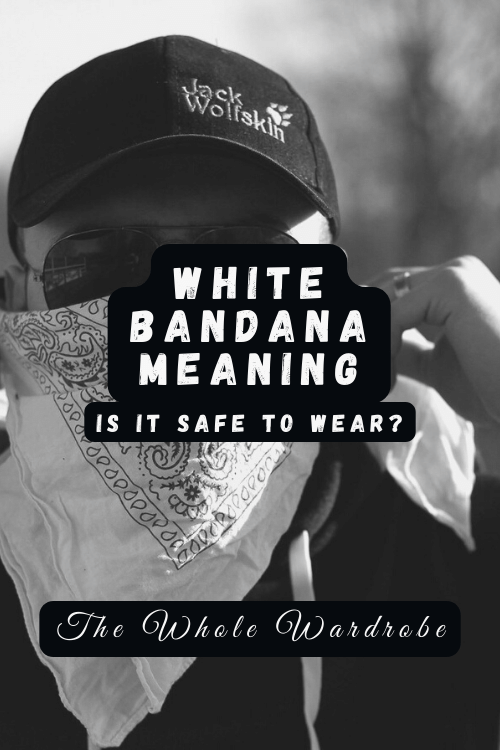
Beyond its inherent color psychology, the white bandana’s meaning is heavily shaped by cultural movements, subcultures, and historical events. Its “brand identity” is not static but a dynamic composite of diverse associations.
Symbols of Solidarity and Protest
Throughout history, and particularly in recent decades, the white bandana has emerged as a powerful symbol of solidarity and protest. It has been adopted by various groups advocating for human rights, environmental protection, or social justice. For example, the Mothers of the Plaza de Mayo in Argentina wore white headscarves to symbolize their missing children and demand answers. More recently, in sports and entertainment, white bandanas have been distributed and worn to signify unity against racism or discrimination, or to promote specific social causes. When a symbol gains such widespread recognition for advocacy, its “brand” becomes one of collective voice and shared purpose. Brands wishing to align with such values must do so authentically, understanding the deep roots of these uses.
Fashion and Subcultural Statements
The white bandana has also cemented its place in fashion, evolving from a functional accessory to a deliberate style statement. From rock musicians and bikers to hip-hop artists and runway models, its adoption across diverse subcultures has imbued it with varied connotations. In some contexts, it might signify rebellion or a non-conformist attitude; in others, it’s a nostalgic nod to vintage aesthetics. This dual nature—being both a statement of personal style and a potential subcultural marker—makes it a fascinating element for personal branding. Individuals can use it to project an image of rugged individuality, artistic flair, or sophisticated casualness, all while potentially invoking deeper subcultural affiliations.
Cautionary Tales: Misinterpretation and Brand Risk
Crucially, the white bandana’s varied interpretations also present potential risks for brands. In certain specific, localized contexts, a white bandana might be associated with particular gangs or political factions, carrying connotations far removed from peace or purity. For instance, the “Pledge for Peace” campaign in 2017 encouraged wearing white bandanas to promote unity in football, a deliberate attempt to reclaim and universally brand the item. However, without thorough cultural due diligence, a brand could inadvertently associate itself with unintended or negative meanings. This underscores the importance of contextual awareness in all branding initiatives, especially when incorporating culturally charged symbols.
Personal Branding: Crafting an Image with Symbolic Accessories
For individuals, the white bandana can be a potent tool in personal branding, allowing them to communicate aspects of their identity, values, or aesthetic without uttering a single word.
Strategic Styling and Image Projection
How one styles a white bandana can significantly impact their projected image. Worn around the neck, it might suggest a classic, sophisticated vibe. Tied around the head, it could evoke bohemian chic, athletic prowess, or even a rebellious spirit. As a wristband, it might signify group affiliation or a casual, understated cool. Each choice contributes to the wearer’s personal brand narrative. A professional aiming for an approachable yet stylish image might subtly incorporate a white bandana, while an artist might use it to emphasize their creative, unconventional persona. The careful selection and deployment of such accessories are deliberate acts of self-branding.
Communicating Values and Affiliations
Beyond aesthetics, the white bandana can signal deeper values. An individual participating in a charity run and wearing a white bandana might be silently communicating solidarity with a cause, commitment to health, or community spirit. For public figures, influencers, or entrepreneurs, consciously choosing to wear a white bandana in specific contexts can reinforce their brand messaging – perhaps aligning themselves with peace, transparency, or a movement they support. It becomes a non-verbal endorsement, a visual declaration of allegiance that enhances their perceived authenticity and brand alignment.
Corporate & Marketing Insights: Navigating Symbolic Nuance
For corporate brands and marketing professionals, understanding the multifaceted meanings of the white bandana offers both opportunities and potential pitfalls. Leveraging such symbols effectively requires strategic insight and cultural sensitivity.
Harnessing Universal Associations for Campaign Success
Brands can strategically employ the universal associations of white—purity, peace, new beginnings—in their marketing and design. A campaign promoting environmental sustainability might feature images of individuals wearing white bandanas to symbolize clean initiatives or a fresh start for the planet. A product launch emphasizing simplicity and elegance could use white bandanas in its visual collateral to reinforce these brand attributes. The key is to select contexts where the positive universal meanings are clearly dominant and align perfectly with the brand’s core message.
Avoiding Missteps Through Cultural Due Diligence
Given the white bandana’s diverse and sometimes localized interpretations, robust cultural due diligence is paramount for any brand considering its use. A global campaign featuring a white bandana might resonate positively in one region as a symbol of peace, while inadvertently carrying negative or conflicting connotations in another. Before integrating such symbols into advertising, product design, or corporate identity, brands must conduct thorough research into regional and subcultural nuances. This proactive approach mitigates the risk of alienating audiences, causing offense, or inadvertently associating the brand with undesirable meanings, thus protecting brand reputation and equity.

Designing for Clarity and Impact
Ultimately, whether for personal or corporate branding, the “meaning” of a white bandana is not inherent but constructed through context, design, and cultural understanding. Brands aiming for clarity and impact must intentionally design their communication strategy to guide interpretation. This involves not only selecting the right symbols but also pairing them with clear messaging, appropriate imagery, and relevant narratives to ensure the intended brand identity is effectively communicated and received. The white bandana, in its deceptive simplicity, stands as a powerful reminder that even the most basic elements can carry profound and varied brand implications.
aViewFromTheCave is a participant in the Amazon Services LLC Associates Program, an affiliate advertising program designed to provide a means for sites to earn advertising fees by advertising and linking to Amazon.com. Amazon, the Amazon logo, AmazonSupply, and the AmazonSupply logo are trademarks of Amazon.com, Inc. or its affiliates. As an Amazon Associate we earn affiliate commissions from qualifying purchases.