
The digital landscape is woven with an intricate network of connections, and at the heart of this web lie “links.” When we consider “link .com,” we are delving into a fundamental concept of the internet: the hyperlink, the domain name system, and specifically, the preeminent commercial top-level domain. It encapsulates both the mechanism by which information is accessed and the primary identifier for countless digital entities worldwide. Understanding “link .com” is to grasp the very architecture of the World Wide Web and its evolution into the pervasive force it is today.
The Foundation: Understanding Hyperlinks and URLs
At its most basic, a “link” refers to a hyperlink—a digital reference to data that the user can directly follow or that is followed automatically. Hyperlinks are the invisible threads that stitch together websites, documents, and applications, forming the connective tissue of the internet. Without them, the web would be a collection of isolated islands of information rather than the interconnected ocean we experience daily.
Anatomy of a Digital Connection
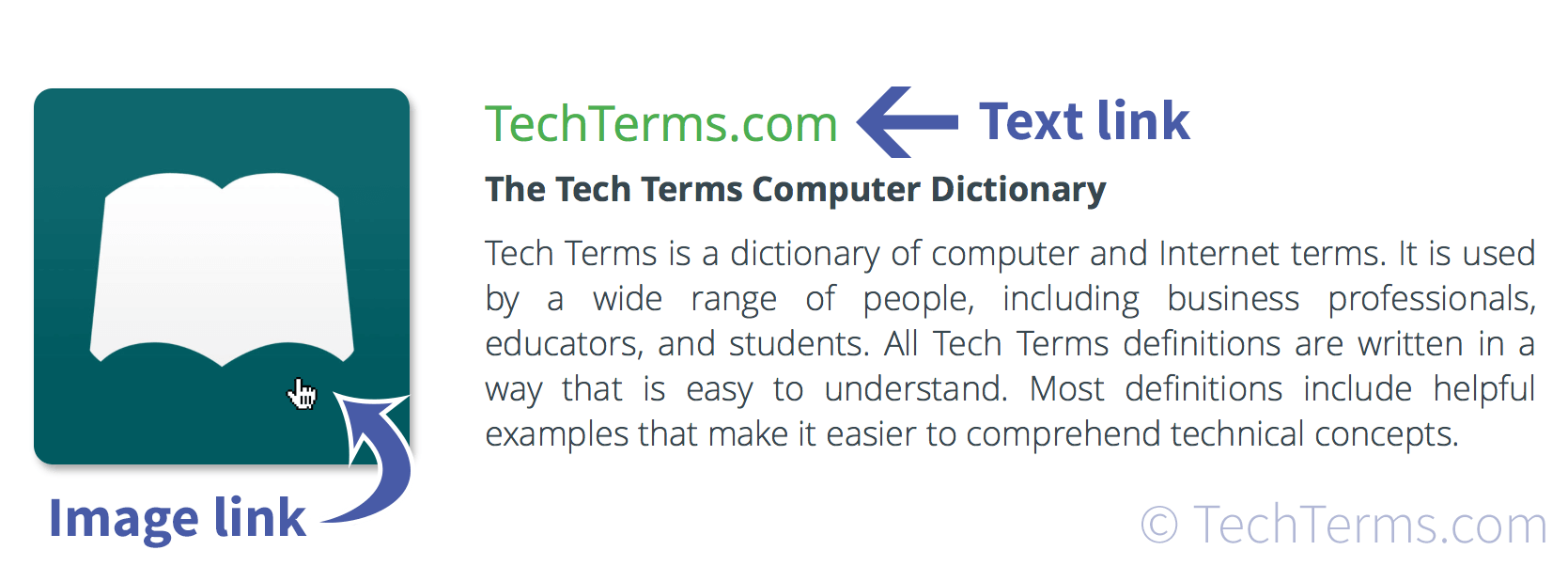
A hyperlink is more than just clickable text; it’s a command that directs your browser or application to a specific resource. This resource could be another webpage, an image, a video, a downloadable file, or even a specific section within the current document. Hyperlinks are typically embedded within text, images, or buttons, appearing as distinct, often underlined, blue phrases or interactive elements. Clicking or tapping one initiates the request to retrieve the linked content, instantaneously transporting the user to a new digital location. This simple yet profound mechanism forms the bedrock of navigation and information discovery across the internet.
URL Structure and Function
Central to every hyperlink is the Uniform Resource Locator (URL). The URL is the unique address that specifies the location of a resource on the internet and the mechanism for retrieving it. A typical URL, such as https://www.example.com/page/section.html, breaks down into several critical components:
- Protocol:
https://indicates the method for accessing the resource (Hypertext Transfer Protocol Secure, ensuring encrypted communication). - Subdomain:
www.(World Wide Web) is a common subdomain, though others likeblog.orshop.are frequently used. - Domain Name:
example.comis the core identifier of the website or entity. - Top-Level Domain (TLD):
.comsignifies the category or type of the domain. - Path:
/page/section.htmlspecifies the exact location of the resource within the website’s structure.
Each part plays a crucial role in directing internet traffic accurately. The URL acts like a digital street address, guiding browsers and servers to the precise digital doorstep of the requested content. This standardized addressing system is what makes the web navigable and universally accessible.
Interactivity and Navigation
Hyperlinks elevate the internet from a static information repository to a dynamic, interactive experience. They empower users to explore related content, jump between diverse topics, and engage with various applications seamlessly. From clicking through search results to navigating e-commerce sites, downloading software, or streaming media, links facilitate every aspect of our digital journey. They are the primary interface for human-computer interaction on the web, making information discovery intuitive and largely effortless.
The Significance of the “.com” Top-Level Domain
While hyperlinks are the universal connectors, the “.com” TLD represents a specific and profoundly impactful segment of the internet’s addressing system. Its origins and ubiquitous presence have cemented its status as the most recognized and trusted domain extension globally.
The Commercial Origin
The “.com” top-level domain was one of the original six TLDs established in 1985 (alongside .edu, .gov, .mil, .org, and .net). It was initially intended for “commercial” organizations, hence the abbreviation. In the early days of the internet, this distinction helped categorize different types of online entities. However, as the web grew exponentially, the commercial nature of “.com” broadened to encompass nearly any type of business, individual, or organization looking to establish an online presence.
Global Dominance and Trust
Today, “.com” is by far the most popular and prevalent TLD, hosting hundreds of millions of websites. Its dominance stems from several factors:
- Early Adoption: Being one of the first, it gained significant traction before other TLDs became widely available or known.
- Brand Recognition: It is universally recognized and understood, lending immediate credibility to any website that uses it.
- Perceived Professionalism: For businesses, a “.com” domain often implies a certain level of professionalism and established presence.
- Memorability: Many users instinctively assume a website will end in “.com,” making it easier to recall and type. This makes a “.com” domain a cornerstone for a strong digital identity.
The global trust placed in “.com” has profound implications for digital security and user experience. Users are often more wary of unfamiliar or newer TLDs, particularly when engaging in financial transactions or sharing sensitive information, reinforcing “.com”‘s position as a benchmark for legitimate online operations.
Domain Name System (DNS)
The “.com” TLD, like all TLDs, operates within the Domain Name System (DNS)—often called the internet’s phonebook. When you type a domain name like google.com into your browser, the DNS translates this human-readable address into a machine-readable Internet Protocol (IP) address (e.g., 172.217.160.142). This translation process is hierarchical, with root servers overseeing TLD servers, which in turn manage the specific domain names. The Internet Corporation for Assigned Names and Numbers (ICANN) is the global non-profit organization responsible for coordinating this crucial system, ensuring the stable and secure operation of the internet’s unique identifier systems, including the allocation and management of TLDs like “.com”.
Beyond the URL: The Role of Links in Digital Ecosystems
Links extend far beyond simple navigation; they are critical elements in shaping how information is found, shared, and interconnected across the digital realm. Their function influences everything from search engine visibility to inter-application communication.
Search Engine Optimization (SEO) and Backlinks
For search engines like Google, Bing, and others, links are akin to votes of confidence. When one website links to another, it’s essentially signaling to search engines that the linked content is valuable, relevant, and authoritative. These “backlinks” are a cornerstone of Search Engine Optimization (SEO). A website with a high quantity and quality of backlinks from reputable sources tends to rank higher in search results, making its content more discoverable. Search engine algorithms analyze link profiles—the number, quality, and relevance of incoming and outgoing links—to determine a page’s authority and relevance for specific queries. Effectively, links help map the web’s structure and gauge the relationships and hierarchies between different pieces of content, allowing search engines to deliver the most pertinent results.
Social Sharing and Virality
In the age of social media, links are the primary conduit for content distribution and virality. Whether it’s a news article, a captivating video, a product page, or a personal blog post, sharing a link is the fundamental action that propagates content across platforms like Facebook, Twitter, LinkedIn, and Instagram. When users share a link, they’re not just moving a piece of text; they’re inviting their network to engage with a digital resource. The ease of sharing links contributes to rapid information dissemination, allowing content to reach vast audiences in moments. This “social signal” generated by shared links also indirectly influences search rankings and brand visibility, further cementing the link’s role as a powerful tool in digital communication.
Application Programming Interfaces (APIs) and Data Exchange
While often invisible to the end-user, links are also fundamental to how different software systems communicate behind the scenes. Application Programming Interfaces (APIs) rely heavily on the concept of linked resources and unique identifiers (often URLs or URI-like structures) to allow disparate applications to exchange data and functionality. For instance, when a weather app displays forecast data, it’s likely fetching that information from a weather service’s API, using specific “links” or endpoints to request and receive the data. AI tools, in particular, leverage APIs to integrate various services, from natural language processing to image recognition, by making requests to and receiving data from specific linked digital services. These “links” are the programmatic pathways that enable the complex, interconnected web of modern software.
Technical Underpinnings and Digital Security
The underlying technology that powers links and the “.com” domain is critical for their functionality and security. Understanding these aspects helps in navigating the web safely and effectively.
Protocols and Data Transmission
The internet relies on protocols to standardize communication. HTTP (Hypertext Transfer Protocol) is the foundation for data communication on the web. HTTP defines how messages are formatted and transmitted, and what actions web servers and browsers should take in response to various commands. Crucially, HTTPS (HTTP Secure) adds a layer of encryption using SSL/TLS protocols. When you see https:// in a URL, it means the connection between your browser and the website is encrypted, protecting sensitive data like login credentials or credit card information from eavesdropping. This security layer is paramount, especially for “.com” websites handling commercial transactions, and its absence can be a significant red flag.
The Threat of Malicious Links
The ubiquity of links also makes them a prime vector for cyber threats. Malicious links are central to phishing attacks, where deceptive URLs lead users to fake websites designed to steal personal information. They can also hide malware, initiating unwanted downloads or executing harmful scripts upon clicking. Spam often contains links to dubious websites, unwanted advertisements, or even illicit content. Identifying suspicious links—by hovering over them to see the actual URL, checking for misspellings, or looking for HTTPS—is a fundamental digital security practice. Browser security features and antivirus software often scan links for known threats, but user vigilance remains the first line of defense.
Link Management and Tracking
For webmasters, marketers, and developers, managing and tracking links is a technical endeavor with significant implications. Tools for link shortening (e.g., Bitly, tinyurl.com) provide cleaner, more manageable URLs and often include tracking analytics to monitor click-through rates, geographical origin of clicks, and device types. Other tools focus on internal link structure optimization for SEO, identifying broken links, or auditing backlink profiles. This technical management ensures that links are efficient, secure, and perform optimally, contributing to a better user experience and stronger digital presence.
Evolving Landscape: Future of Links and .com Domains
The digital world is in constant flux, and while the core concept of links remains foundational, their implementation and the role of TLDs like “.com” continue to evolve.
Semantic Web and Linked Data
The future of links points towards a “Semantic Web”—an evolution where data is not just connected but also understood by machines. Linked Data principles advocate for using standardized URLs to identify things and linking those identifiers to related concepts, allowing for more intelligent data retrieval and integration. Instead of merely connecting documents, links will increasingly connect discrete pieces of data and their relationships, enabling more sophisticated queries and automated reasoning by AI systems. This shift transforms links from navigational tools into fundamental components of knowledge graphs, building a more intelligent, interconnected digital universe where AI can understand context and relationships more deeply.
AI-Driven Link Analysis and Generation
Artificial intelligence is profoundly impacting how links are analyzed and generated. AI algorithms are becoming increasingly sophisticated at identifying high-quality backlinks, detecting spammy links, and even predicting which types of links will perform best for specific content. AI tools can analyze vast amounts of data to optimize internal linking structures for SEO, suggest relevant external links to enhance content, and even assist in generating entire articles complete with contextual, valuable links. The ability of AI to understand the nuances of link relevance, authority, and user engagement will continue to refine digital strategies, making links more effective and insightful components of online presence.

New TLDs and the Enduring Relevance of .com
Over the past decade, ICANN has introduced hundreds of new generic TLDs (gTLDs), such as .app, .blog, .tech, .shop, and even city-specific domains like .nyc or .london. These new TLDs offer more specific branding opportunities and broader choices for domain names. However, despite this proliferation, “.com” maintains its enduring relevance. Its deep-rooted history, universal recognition, and inherent trust ensure its continued status as the default and often preferred choice for businesses and individuals seeking a global, credible online identity. While niche TLDs offer specialized branding, “.com” remains the gold standard, largely due to its unparalleled brand equity and user familiarity in the ever-expanding digital ecosystem.
aViewFromTheCave is a participant in the Amazon Services LLC Associates Program, an affiliate advertising program designed to provide a means for sites to earn advertising fees by advertising and linking to Amazon.com. Amazon, the Amazon logo, AmazonSupply, and the AmazonSupply logo are trademarks of Amazon.com, Inc. or its affiliates. As an Amazon Associate we earn affiliate commissions from qualifying purchases.